Co-organized by the Daniels Faculty of Architecture, Landscape, and Design, University of Toronto and the Peter Guo-hua Fu School of Architecture, McGill University, with Building Equality in Architecture Canada (BEA/Canada).
A Glossary of Urban Voids is a critiqued collection of over 200 terms regularly used to name the urban void, from the "terrain vague" to the "buffer zone," as the means to explore the role of urban voids as public space. As the landscape architect James Corner has pointed out, a void cannot be labeled because “to name it is to claim it in some way.” By listing existing terms, A Glossary of Urban Voids is an attempt to name the unnamable, to define that which should have no precise definition.
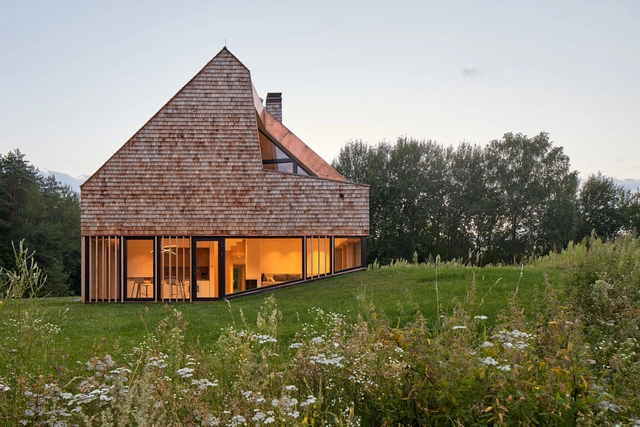
This year, the Chicago chapter of the American Institute of Architects (AIA Chicago) is honoring the city’s outstanding architectural projects virtually at Designight 2020. For the first time in the event’s sixty-five year run, the organization’s Design Excellence Awards ceremony and celebration will be a free online experience for members and non-members alike.
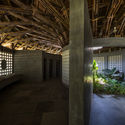
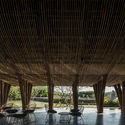
This event celebrates the six winning entries of the 14th cycle of the Aga Khan Award for Architecture. This prestigious award program selects exemplary built work that combines social and ecological concerns with innovative and exemplary design.
This is the final in a series of panel sessions launching the fourth volume of Bracket, titled Takes Action. Bracket [Takes Action] collects essays and projects that question how actions can be designed, accommodated for, and encouraged through both creative practice and design citizenship. The book and conversation is situated at a critical point in history in which actions need to be re-conceptualized to relate to who we are, how we live, and how we communicate today. The role of design and the agency of the designer are at stake in facilitating or stifling action.
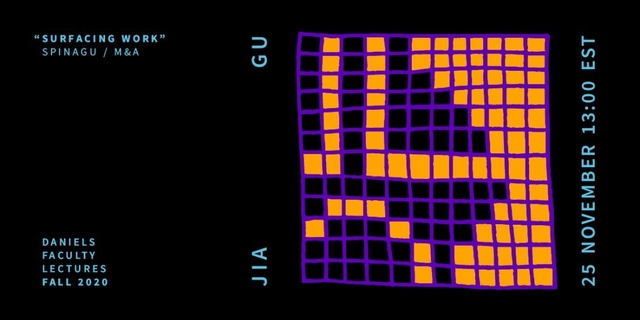
Surfacing Work presents recent projects by Spinagu, a Los Angeles-based research and design studio that explores architectural ideas and processes through spatial, experimental, and exhibitionary formats.
For the 2020 iteration of University of Westminster's annual Robin Evans Lecture, we are delighted to be joined by Eyal Weizman, founding director of Forensic Architecture and Professor of Spatial and Visual Cultures at Goldsmiths, University of London.
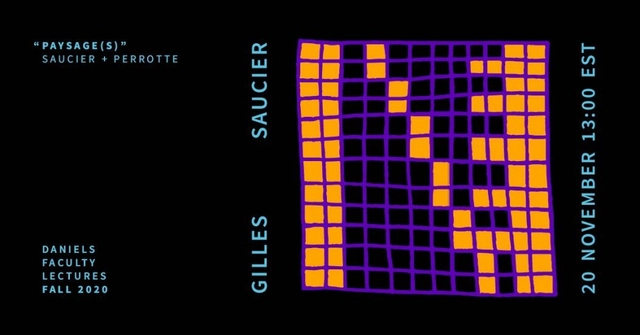
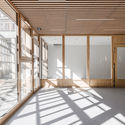
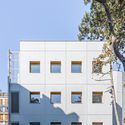
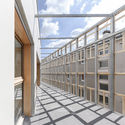
Founded in 1988 by Gilles Saucier and André Perrotte, Saucier + Perrotte Architectes is a multidisciplinary practice that is internationally renowned for its institutional, cultural, and residential projects. Saucier + Perrotte’s highly acclaimed buildings have been published the world over, reflecting the office’s status as one of Canada’s premier design firms.
The forest, the island, the mountain and the desert are engaged as non site specific spatial metaphors informing architecture. The abstracted idea of landscape as model in these drawings and projects challenges the myth of site specificity in landscape and architecture.
Nurturing Architecture: Practice, architecture education and wellbeing
The theme of Nurturing Architecture explores the discipline as both processes and constructions with an ethos of care, of providing nourishment and of supporting growth and development. Inherent in the multiple interpretations of nurturing, is the notion of wellbeing, and the ways in which architects and educators consider the wellbeing of future and current generations of users and other stakeholders, including our communities of architects and students.