Days of Oris is an international architectural festival organized by the magazine Oris from Croatia, which has been held since 2001. Every year it gathers more than 2,000 participants – architects and professionals from related fields. So far, more than 300 top experts and speakers from all over the world, have participated in the Festival.
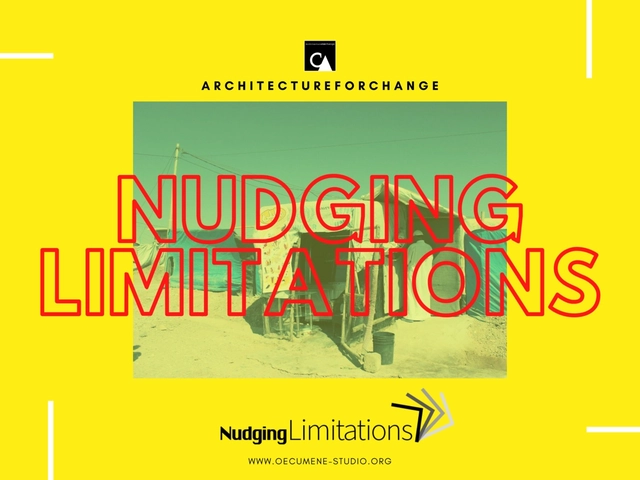
Nudging limitations, photo by Layla Zibar Refugee camp in Iraqi Kurdistan
ArchitectureForChange is a series of workshops and seminars that aim to foster knowledge exchange and to track innovations in the field of “Architecture”. The 21st century witnesses a shift in architecture and urban practice with architects, urbanists, planners, artists and others from different disciplines getting more and more involved in community development projects, urban development and conflict resolution; Mostly, Architecture is responding to today’s human condition. This year we are back with Nudging limitations We address “Limitation” beyond the traditional semiology of both limits and restrains. We use the word in its wider sense that in addition to its negative connotations of restrictiveness, its challenging nature that induces creativity to crack open the darkened status quo and sheds light on possibilities: It is about how limitations become submissive to the “will to/for change. We focus on spatial processes, ongoing and unfinished hands-on practices in order to understand, learn and develop.
The Endless Search: Innovations in Product Sourcing will be held virtually on December 10th at 6 pm ET. Join AIA NY, AIA Brooklyn, and Harvard and MIT-based start up acelab for this crucial conversation.
We became architects to conceptualize, to design, to create. But too much of our time is spent searching for products, organizing details and writing specifications. Technology has provided tremendous improvements to the design process, but beyond digitizing all those binders, it has provided little advancement to product sourcing.
Our cities today are an amalgamation of various choices and experiences of the past, made by our users, designers as well leaders. A by-product of cultures that abide in it, today's urban environment faces fastidiously changing technology and transforming lifestyle choices. ‘Communication’ has had a large impact on ‘commute’ and the meaning of ‘meeting’ is no more limited to physical. There has been a paradigm shift in the cultural perception of the built and personal boundaries and territorialities have strengthened tremendously. The quality of indoor and outdoor in an urban space determines the quality of interpersonal relationships as well and health and well-being of its users. It is hence important to plan and design spaces that are capable of accommodating transformation. In today’s scenario ‘Resilience’ is the only constant that helps keep the cities stable. The quality and strength of this resilience determines the quality of Urban life.
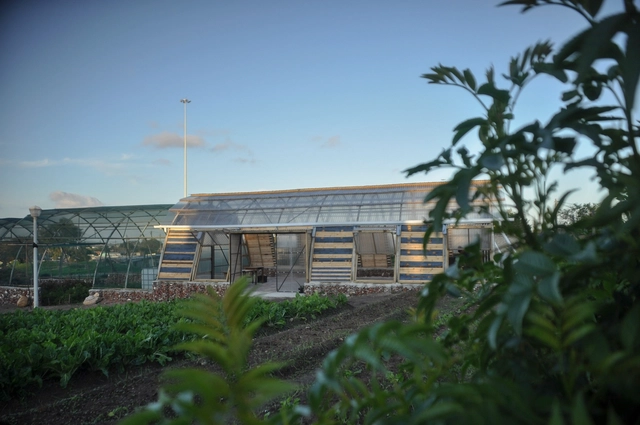




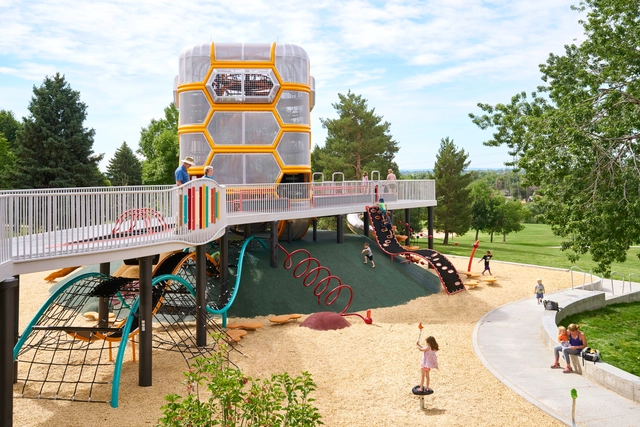


.jpg?1603755727&format=webp&width=640&height=580)
.jpg?1606759569&format=webp&width=640&height=580)






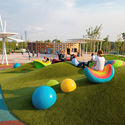
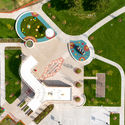


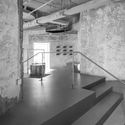
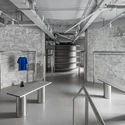




.jpg?1603756530 "© Fixer Photographic Studio")
.jpg?1603755745 "© Fixer Photographic Studio")
.jpg?1603755919 "© Fixer Photographic Studio")
.jpg?1603756069 "© Fixer Photographic Studio")
.jpg?1603755727)
.jpg?1606759518 "© Jaime Navarro")
.jpg?1606759696 "© Jaime Navarro")
.jpg?1606758777 "© Jaime Navarro")
.jpg?1606758599 "© Jaime Navarro")
.jpg?1606759569)