

-
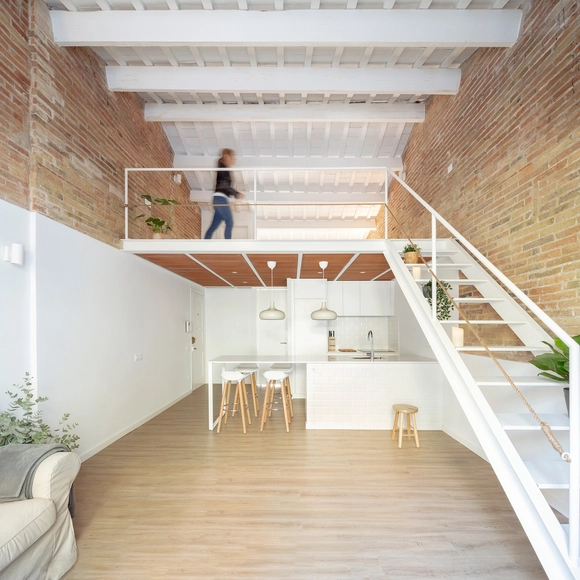
Architects: fabersociety
- Area: 1194 m²
- Year: 2019
-
Manufacturers: SMOS





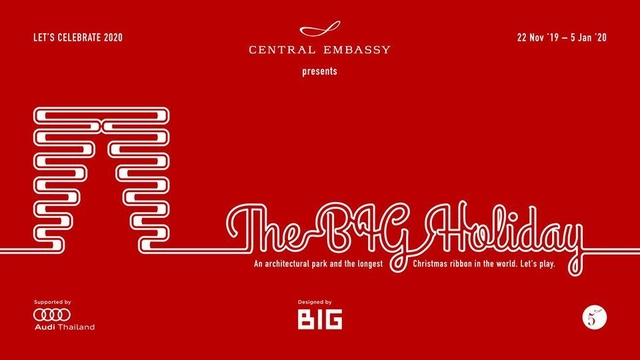
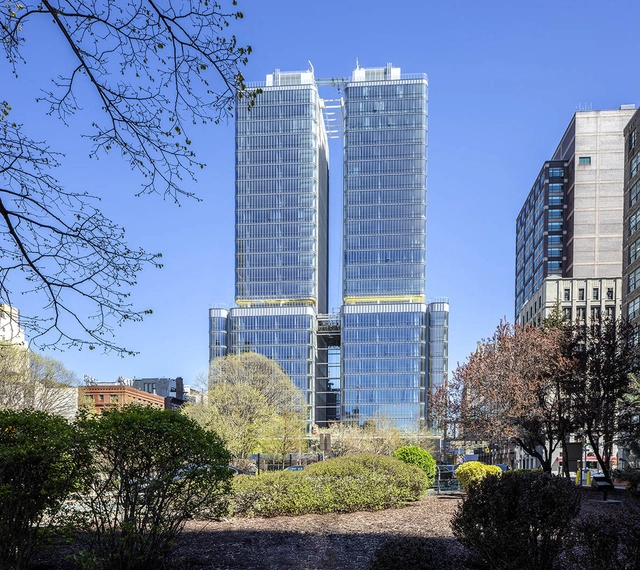
CENTRAL EMBASSY RINGS IN THE FESTIVE SEASON WITH ‘THE BIG HOLIDAY’,
AN ICONIC ARCHITECTURAL PARK BY BIG-BJARKE INGELS GROUP
From Beaux-Arts to Bauhaus, and the polytechnic schools to the present-day schools, paradigms of design education have shifted and evolved, each experimenting with different pedagogical philosophies and methodologies, relevant to their context. How are the contemporary pedagogy modeled and structured? What are the methods explored and experimented, and why? How are the contemporary design educations align with the shifting topography of culture and environment? What are the emerging opportunities of design education within today’s social, cultural and ecological context?
Edouard François, a former student of the Ecole Nationale des Beaux-Arts de Paris and the Ecole Nationale des Ponts et Chaussées, created his own architecture, town planning, and design agency in 1998. His work was immediately recognised, through operations such as The Building that Grows (Montpellier, 2000), Flower Tower (Paris, 2004) and Fouquet’s Barrière Hotel (Paris, 2006). His work on sustainable architecture led The Financial Times to dub him “The Hero of Green Architecture” in 2011.

The Exhibition rests on new, visual and textual information unearthed and brought together with already materialized historic information. The archival work rests on 17-year research, which has been used in re-modelling the Ankara of 1933, on its 10th anniversary of being proclaimed the Capital of the new Turkish Republic. The old town was of 30,000 population during the War of Independence; however, it lived influx of populations all over Anatolia as well as from İstanbul after the war. The Administration and the Municipality were forced to commission new expansion plans for the growing city, the first of which already got obsolete in 1924 (Loercher), the second was used in 1925 (Loercher), and yet a new plan was ordered through an competition in 1927 (Jansen).
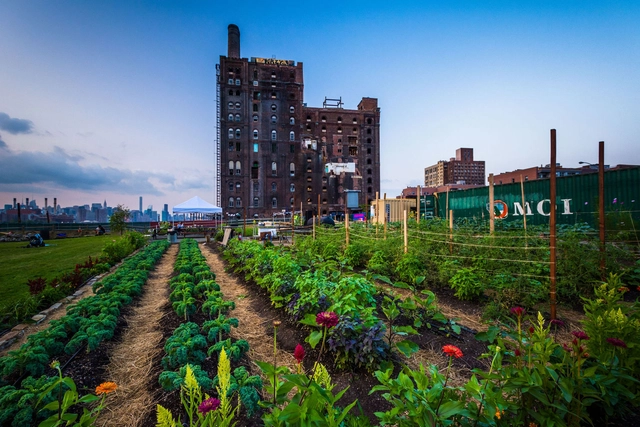
Can food form a better city - and vice versa? Prague's CAMP (Centre for Architecture and Metropolitan Planning) will search for the answers to this question during its FoodCAMP programme from December 2 to 6. Every evening of the week will explore a different layer of food - urban planning dynamics covering topics like the sustainable relationship between the city and countryside, urban gardening, restaurant design and street food. The programme includes movie screenings, talks, debates with foreign speakers like Carolyn Steel, author of Hungry City, a kids’ workshop and a talk show.
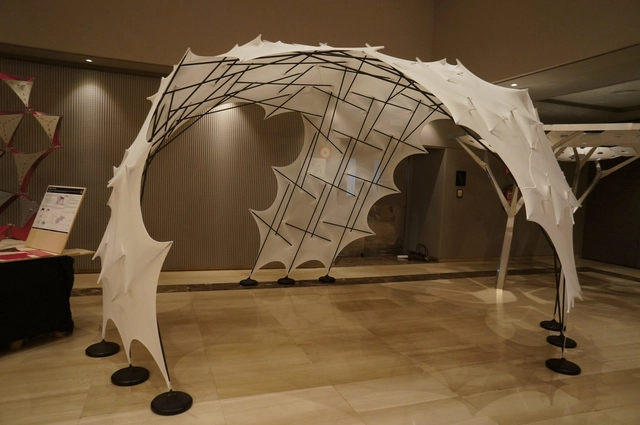
Internationally recognized and celebrated artists, designers, engineers, and researchers in cooperation with top universities from all over the world are invited to participate in a contest and exhibition of innovative lightweight structures. The structures must display a strong vision of structural design and innovation. They should demonstrably be the result of structural engineering focused research projects. It is our ambition to have an exhibition that shows new insights on structural typologies, through the design of a pavilion. The pavilions will be exhibited during the joint IASS - Spatial Structures 2020 symposium in Surrey UK. During the conference, the jury of the contest, will award a prize to the most innovative realized structure. for more information please see: https://www.jjo33.com/surrey2020
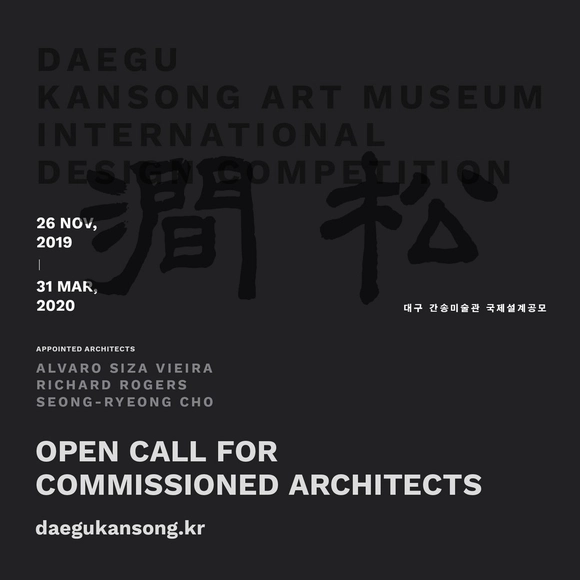
As the first domestic permanent exhibition space of the Kansong Art Museum,