



-
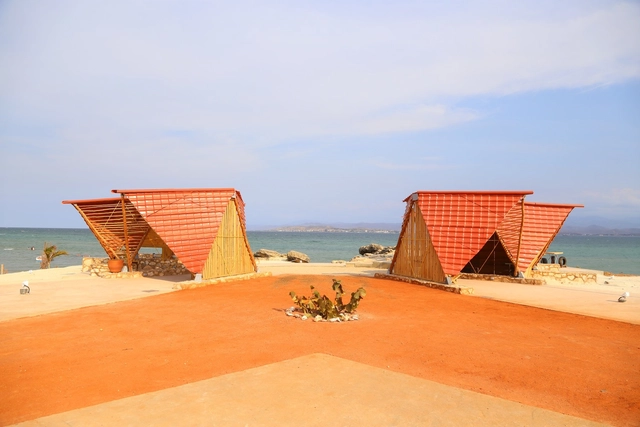
Architects: Colectivo Taller Independiente, Pico Estudio, ruta 4 taller
- Year: 2015




Concrete polarizes opinion. Used almost universally in modern construction today, it is a material capable of provoking intense loathing as well as stirring passions. Its development can be traced as far back as Roman times. However, it was in the twentieth century that its full capabilities became realised. Over the past 100 years architects and engineers have seized upon the possibilities of concrete enthusiastically. Its widespread use in almost all building types we experience has given it a significance and meaning that has - for better or worse - leapt beyond buildings into politics, film, literature and art.
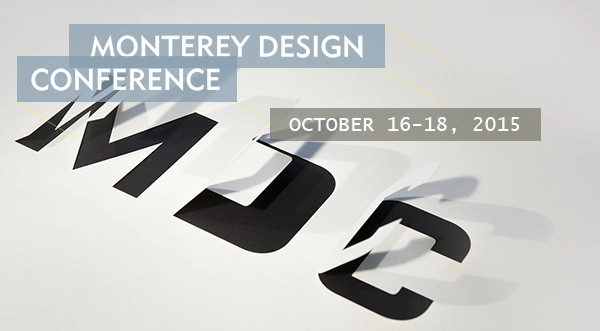
MDC 2015 is headlined by an impressive panel of internationally acclaimed architects whose insights will spark your creative energy and rekindle your passion for design. Frank Barkow and Regine Leibinger of Barkow Leibinger, Junya Ishigami of Junya Ishigami + Associates, Carme Pinós of Estudio Carme Pinós and Bernard Tschumi of Bernard Tschumi Architects are set to join you in Monterey alongside renown U.S. architects such as Clive Wilkinson, FAIA of Clive Wilkinson architects and Rand Elliott of Elliott + Associates Architects. Sprinkled among the headliners are imaginative presentations from some of California’s finest emerging talent and an array of continuing education options which will round out the weekend. This conference will inspire participants and remind you of why you got into architecture in the first place.
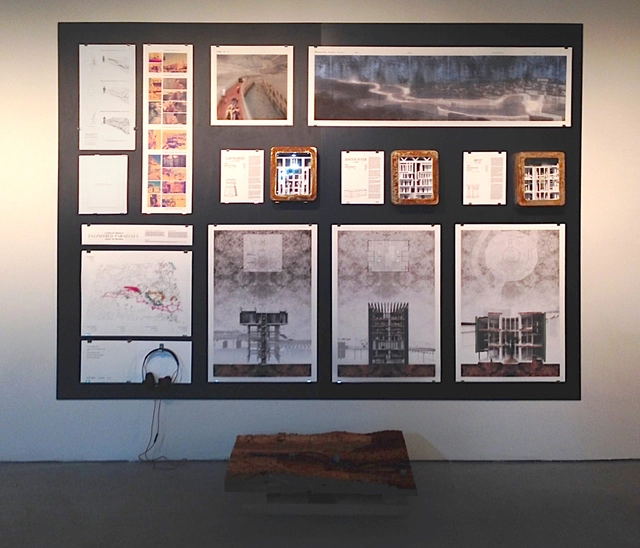
“Engineered Paradises”, a thesis by Zarith Pineda from Tulane University, looks into a possible future for Hebron, exploring the condition where peace never comes to the West Bank, but where the mutual destruction of both sides is addressed through the creation of safe spaces for the expression of universal emotions. The thesis proposes that in this way, both parties may be unified by their plight. The project was created based on observation of the city of Hebron and on-site interviews with Hebronites. Their true stories then became the narrative dictating the program of the project.

In a fast-paced and ever expanding city, looking at time as measure and inspiration will be this year's challenge. The workshop will investigate novel techniques of design for a crucial architectural and urban condition: time.
From its adventurous departure to today's worldwide architectural stardom, we will investigate the transformation and prospects of the city-state's curated architectural image. Defining methods and artefacts to represent the past and future of a city that never stops changing, the workshop will immerse itself into the existing condition of Singapore.
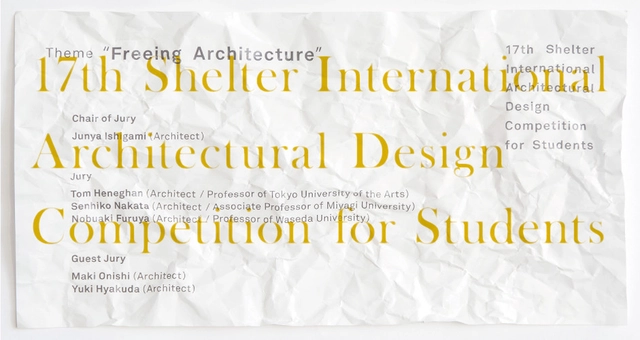
Japanese office, The Shelter Corporation, has announced their 17th international architectural ideas competition, open to undergraduate and post-graduate students (as of September 11, 2015) across the world. The Shelter Corporation, which focuses on timber and wood-framed buildings, hosts this competition annually to generate discussion among students on the future of wood and timber construction. Believing in the importance of a sustainable built environment, the firm hopes that this competition can be the gateway for many young architects-to-be to enter the workplace with new ideas.
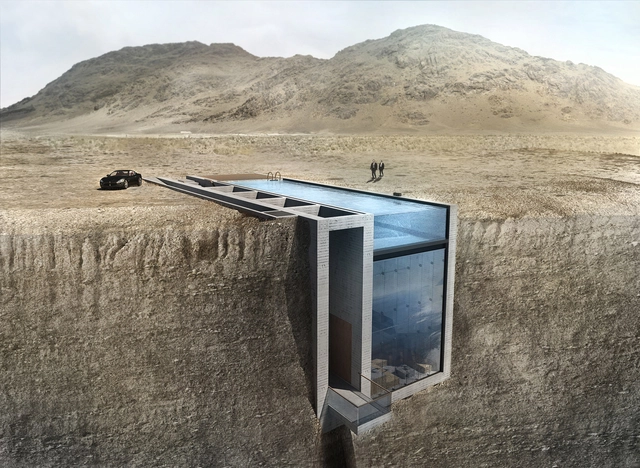
In our article for this cliff-hanging project by Modscape published last year, we said that all it really needed was James Bond and an invisible Aston Martin in the garage. Well, the images presented by OPA (Open Platform for Architecture) for their new project offer us James Bond and a (sadly visible) Ferrari. Perhaps it's not quite what we expected, but either way it's a big step forward for the super-villains lair market: Casa Brutale gives us wall-to-wall water and concrete set into cliffs above the Aegean Sea in what OPA promises will be a literally ground-breaking development.
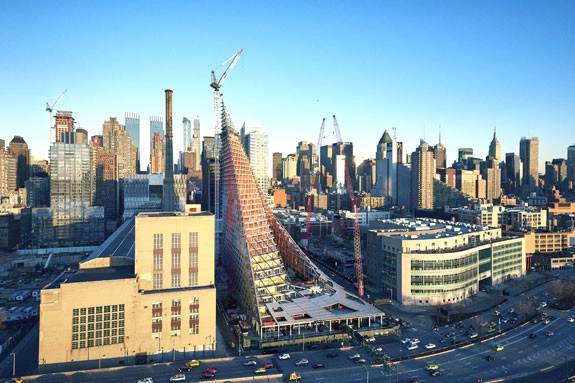
Join the CTBUH New York City Chapter for a discussion on the VIA 57 West building. Guest speakers Bjarke Ingels (BIG), Aine Brazil (Thornton Tomasetti), and Jeff Crompton (Hunter Roberts) will discuss the architecture, engineering and the construction process behind this unique structure. VIA stands tall at 467 feet and is one of the most architecturally distinctive buildings constructed in New York City. The building provides a dramatic visual gateway to Manhattan’s skyline along the Hudson River. VIA is a hybrid between the European perimeter block and a traditional Manhattan high-rise development. The building’s unique shape combines the advantages of both: the compactness and efficiency of a courtyard building providing density, a sense of intimacy, and expansive views. The form of the building shifts depending on the viewer’s vantage point. While appearing like a pyramid from the West Side Highway, it turns into a dramatic glass spire when seen from West 58th Street.










.jpg?1435804316 "© Asaf pinchuk")