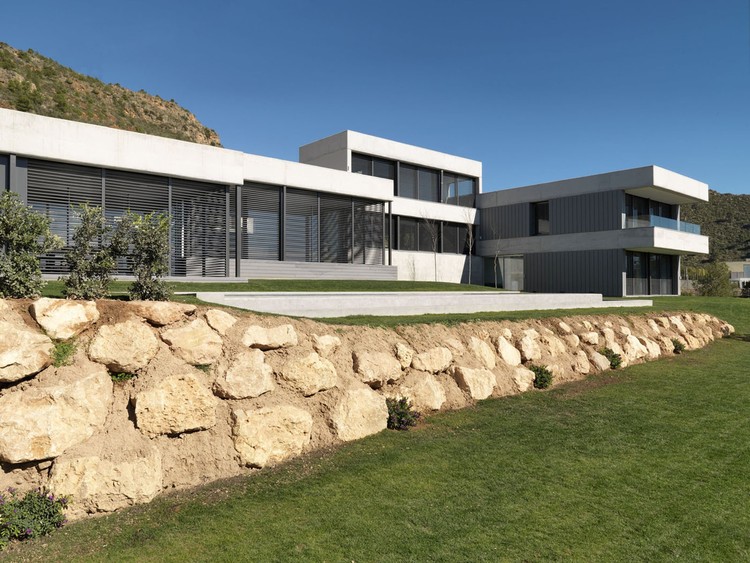
2013
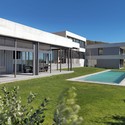
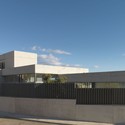
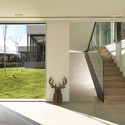
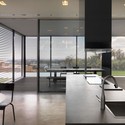
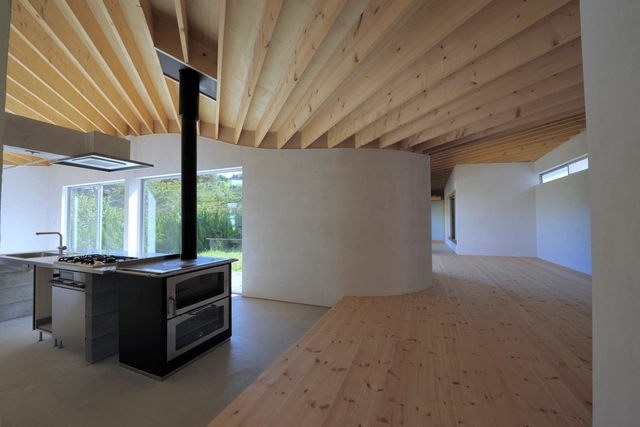
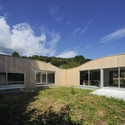
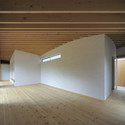
MOH / aat + makoto yokomizo architects

https://www.archdaily.com/371328/moh-aat-makoto-yokomizo-architectsNico Saieh
Musholm Bay Holiday Resort Winning Proposal / AART Architects
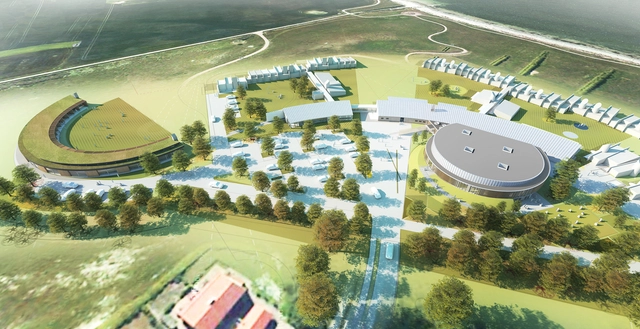
AART Architects, in collaboration with URBANlab, Bexcom and Keinicke & Overgaard Architects, have won the competition for the expansion of Musholm Bay Holiday Resort. Located at the beautiful Danish coastline, the resort is acknowledged as the world’s most innovative holiday resort for people with disabilities. The expansion of resort is divided into two sections in the form of a multi-purpose sports hall and a number of new holiday flats. More images and architects' description after the break.
https://www.archdaily.com/370561/musholm-bay-holiday-resort-winning-proposal-aart-architectsAlison Furuto
'Stormcloud' Installation / Oyler Wu Collaborative
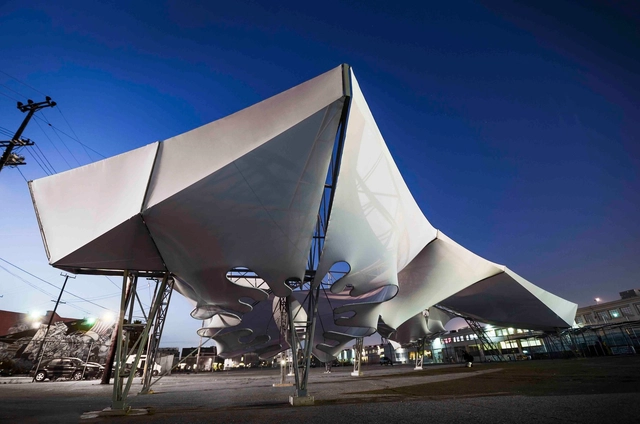
With the Southern California Institute of Architecture celebrating its 40th anniversary, the Stormcloud installation was designed and built by the office of Oyler Wu Collaborative, along with students of SCI-Arc, for the after-party of its April 2013 gala. Tasked with the challenge of revamping the existing Netscape pavilion, Oyler Wu Collaborative saw the project as an opportunity to take a completely different approach to the problem. By removing the ten miles of knitted ropes that once hung between the soaring steel trusses, the project was transformed both volumetrically and materially. More images and architects' description after the break.
https://www.archdaily.com/370601/stormcloud-installation-oyler-wu-collaborativeAlison Furuto
Next Landmark 2013 Competition

Floornature recently launched Next Landmark 2013, their second international contest for young architects, which is introducing a new category dedicated to architecture photography and taking the winners to Helsinki Design Week. The competition is organized to spotlight and showcase projects by the new generations of architects, promoting what they are doing or planning for contemporary living. Furthermore, it provides an ethical opportunity with a declared interest in the community, helping up-and-coming architects move forward in their careers. Originality, environmental sustainability and all the ideas that exploit relations between people, architecture and landscape will be the main contents of the winning projects and research essays. The deadline for entries is June 30. For more information, please visit here.
https://www.archdaily.com/370960/next-landmark-2013-competitionAlison Furuto
Leegkerk Church Interior Renovation / awg architects
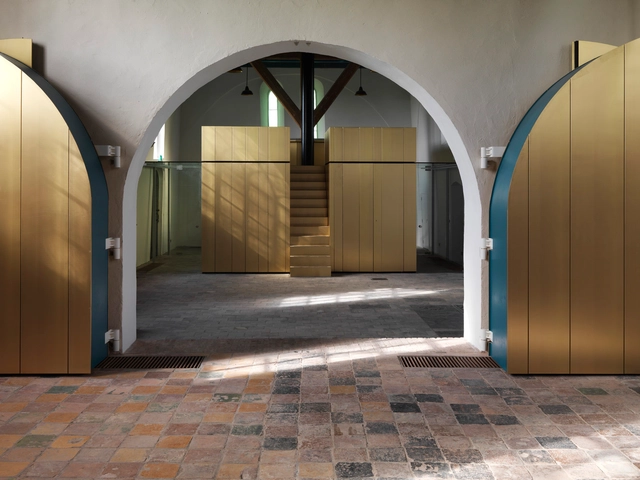

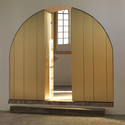
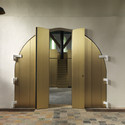
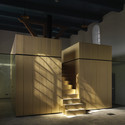

-
Architects: awg architects
- Area: 550 m²
- Year: 2013
https://www.archdaily.com/371299/leegkerk-church-interior-renovation-awg-architectsDiego Hernández
AA Mexico City Visiting School

Taking place June 26 - July 5, the AA Mexico City Visiting School will engage with the most crucial and imposing challenges that Mexico City faces and the ways in which architecture and urbanism can shape the metropolis at different scales. In this sense the international program sees the city as a laboratory where the virtual and experimental tradition of the Architectural Association finds a fertile and concrete ground for the application of its methodology in Mexico. With the theme of "Manufactured Landscapes/Manufactured Urbanities”, the program explores the metropolitan condition understood as a manufactured process by and for human beings. More information after the break.
https://www.archdaily.com/369951/aa-mexico-city-visiting-schoolAlison Furuto
‘The Slabs’ - Italian Pavilion Expo 2015 Proposal / MenoMenoPiu Architects + BE.ST Architect
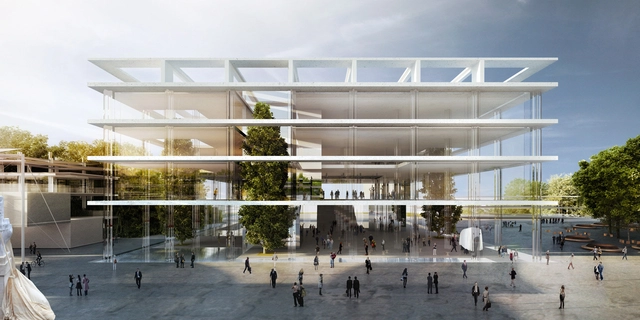
MenoMenoPiu Architects + BE.ST Architect shared with us their proposal for the Italian Pavilion Expo 2015. Titled 'The Slabs', their design consists of a light cage where the technical innovation is embedded within the structure: revolutionary glass columns sustain traditional slabs clad in marble. Simple and elegant in its structural system, marble and glass are intertwined to express the Italian architectural tradition of proportion and elegance. More images and architects' description after the break.
https://www.archdaily.com/370388/the-slabs-italian-pavilion-expo-2015-proposal-menomenopiu-architects-be-st-architectAlison Furuto
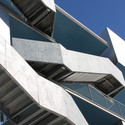
Campbell Sports Center / Steven Holl Architects
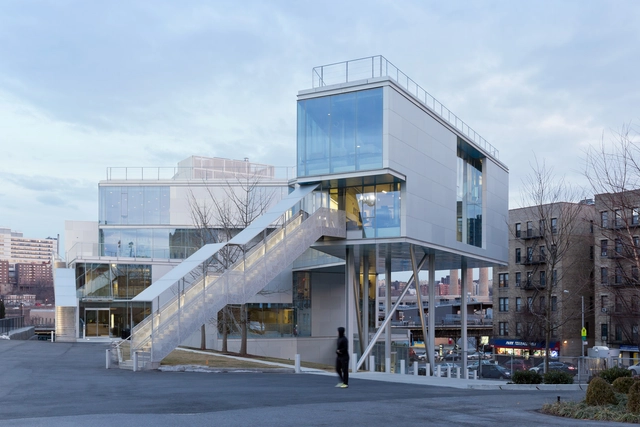


-
Architects: Steven Holl Architects
- Area: 4459 m²
- Year: 2013
-
Professionals: Cerami & Associates, Robert Silman Associates, Wald Studio, Architectural Wall Systems, City Newark Glass, +8
https://www.archdaily.com/370878/campbell-sports-center-steven-holl-architectsNico Saieh


'Vitreous' Academic Initiative / University of Houston CoA + Judd Foundation
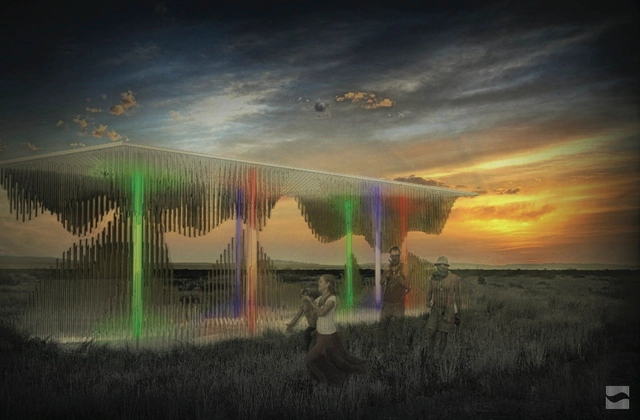
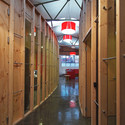
Vitreous is a collaborative academic initiative by the University of Houston's Gerald D. Hines College of Architecture and the Judd Foundation that incorporates the vantage points of the natural landscape, and the technological advancement of digital fabrication and media technologies. The faceted panels disguise and blend the unbounded Marfa landscape with reflective images causing a perceptual distortion between the viewer and the surroundings and between the real and the virtual. More images and the team's description after the break.
https://www.archdaily.com/371503/vitreous-academic-initiative-university-of-houston-coa-judd-foundationAlison Furuto
Bavarian History Museum Competition Entry / X+UN Architecture
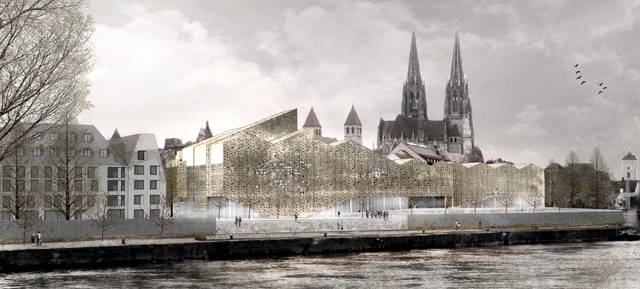
The design of the Bavarian history museum by X+UN Architecture takes into account the impact of the most important landmarks surrounding the site. Located in Regensburg, it is placed on the bank of the Donau River, which acts as a visual promenade that makes the building visible from a long distance and channels an important flow of people into the site. The shape of the museum is generated from a series of stripes parallel to the river. More images and architects' description after the break.
https://www.archdaily.com/370035/bavarian-history-museum-competition-entry-x-un-architectureAlison Furuto
Cultural Landscape Path / Archiplanstudio
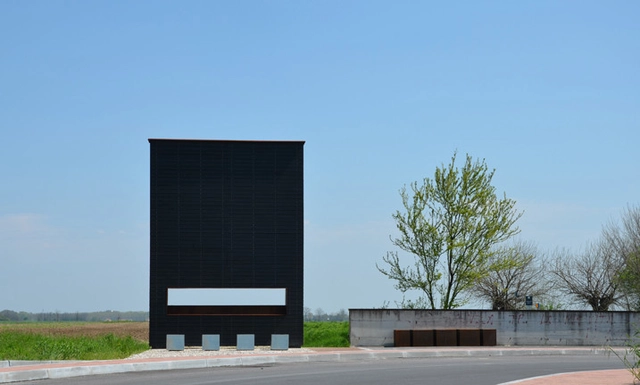
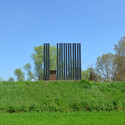
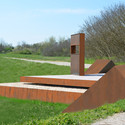
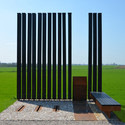
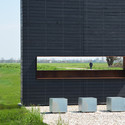

-
Architects: Archiplanstudio
- Year: 2013
https://www.archdaily.com/370349/cultural-landscape-path-archiplan-studioNico Saieh
New Central Library in Berlin Winning Proposal / Envés Arquitectos
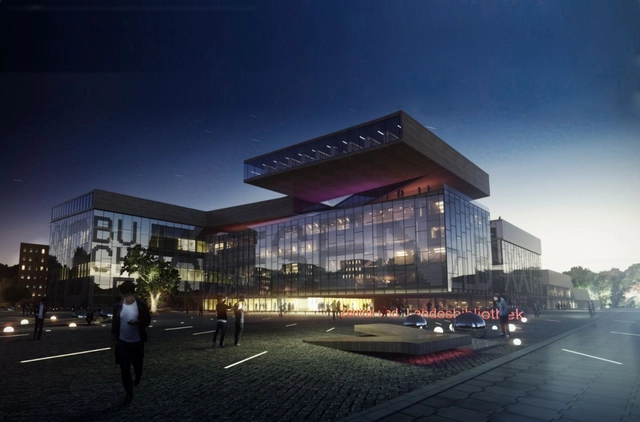
Designed by Envés Arquitectos, their proposal for the New Central Library in Berlin was named as one of the winners of the competition, which is conceived as an open, public, free and comfortable meeting place; summing up, an urban lobby. This flexible place is able to interact with a changing user (from a kid to an ancient), but simultaneously ensures the area’s accessibility and right usage. The library also aims to become an activity catalyst, a landmark to be perceived from far away. More images and architects' description after the break.
https://www.archdaily.com/370322/new-central-library-in-berlin-winning-proposal-enves-arquitectosAlison Furuto
Addis Abeba Chamber of Commerce Headquarters Winning Proposal / BC Architects
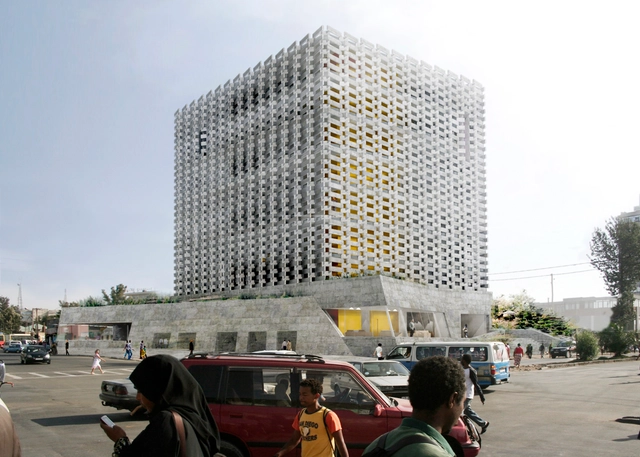
BC Architects, in collaboration with ABBA architects and Adey Tadesse, won the competition for the Addis Abeba Chamber of Commerce Headquarters in Ethiopia with their approach towards a "glocaldesign". With the goal of sensibly involving local materials in this mid-high-rise building, this resulted in a local nature stone façade system inspired by a 'Netela' (threaded Ethiopian textile which so nicely shows the threads of cotton and which has a character of both shadow and transparency). More images and architects' description after the break.
https://www.archdaily.com/370377/addis-abeba-chamber-of-commerce-headquarters-winning-proposal-bc-architectsAlison Furuto
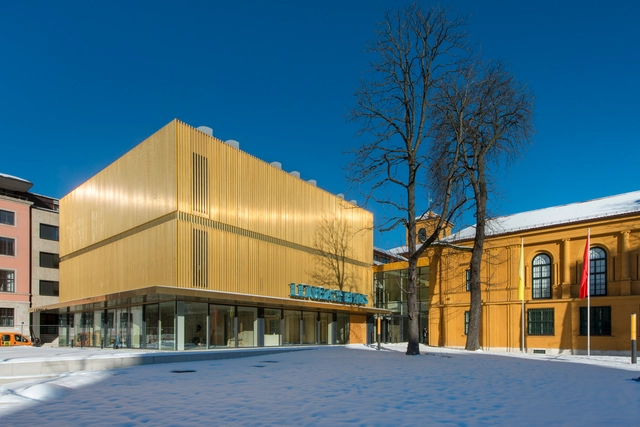
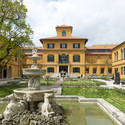
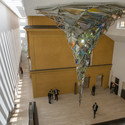
Lenbachhaus Museum / Foster + Partners

-
Architects: Foster + Partners
- Area: 12328 m²
- Year: 2013
-
Manufacturers: TECU®, Godelmann
-
Professionals: Sailer Stepan & Partner GmbH, Olafur Eliasson, Thomas Demand, Burger Landschaftsarchitekten, CBP Cronauer, +5
https://www.archdaily.com/370465/lenbachhaus-museum-foster-partnersNico Saieh
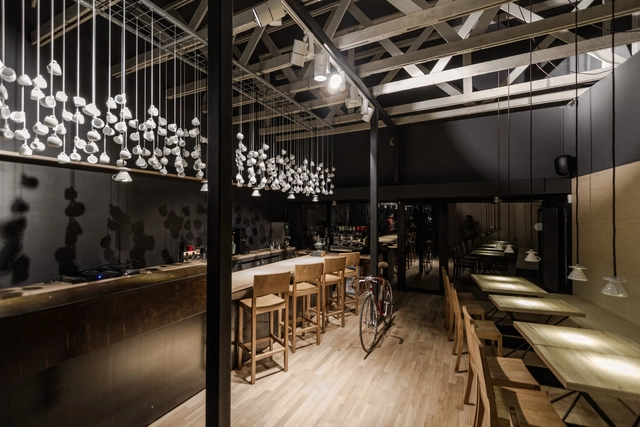
Origo Coffee Shop / Lama Arhitectura
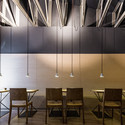
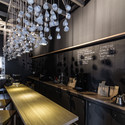
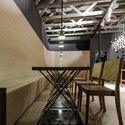
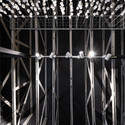

https://www.archdaily.com/370493/origo-coffee-shop-lama-arhitecturaDiego Hernández
Fuyi River Housing Sales Center / Lab Modus


https://www.archdaily.com/370711/fuyi-river-housing-sales-center-lab-modusNico Saieh