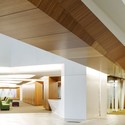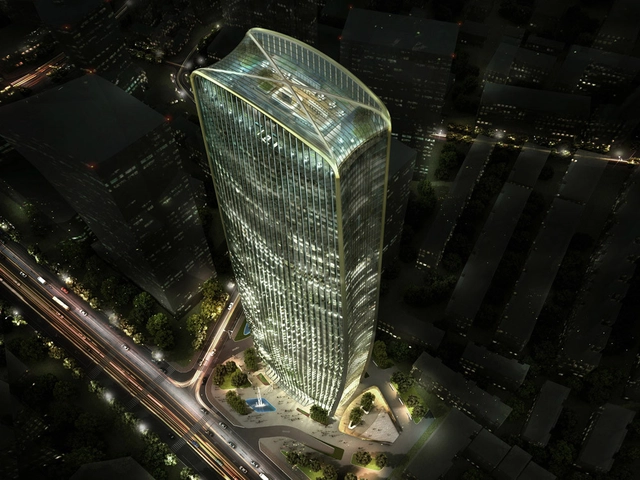
Berlin-based Henn has been chosen as the winner of the architectural competition to design the 280-meter Cenke Tower in Taiyuan. Located on a north-south axis, the mixed-use tower will include office, hotel, and retail space.


Berlin-based Henn has been chosen as the winner of the architectural competition to design the 280-meter Cenke Tower in Taiyuan. Located on a north-south axis, the mixed-use tower will include office, hotel, and retail space.

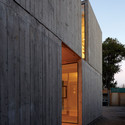
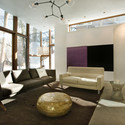
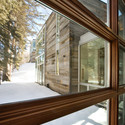
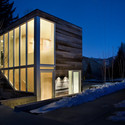
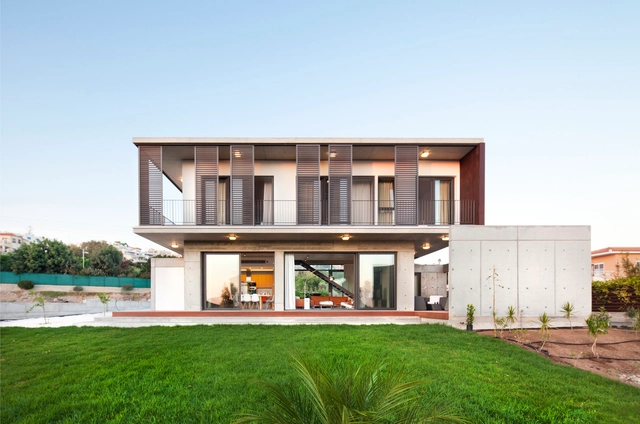
DALE, short for Dynamic Augmented Living Environment, is this year's U.S. Department of Energy Solar Decathlon entry for the SCI-Arc/Caltech team. Made of two movable, prefabricated modules that open to allow the outdoors in, DALE celebrates the active California lifestyle through its dynamic architecture.
DALE learns from two classic California precedents: the super-sized suburban tract home and the compact, sufficient bungalow; amending one and expanding on the other to become a new Southern California typology. At 600 square feet, it is a micro house with an unprecedented flexible interior that results in the program of a house three times the size.
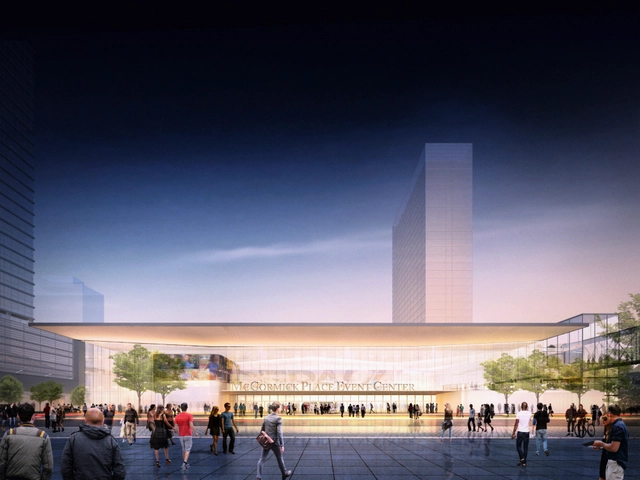
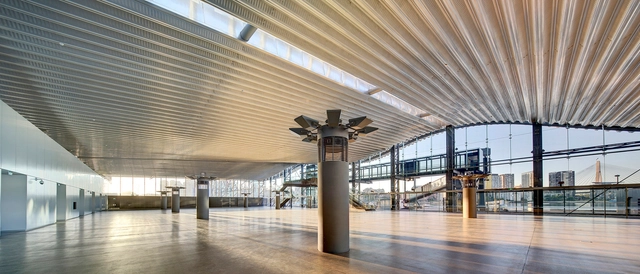
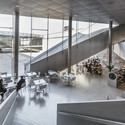
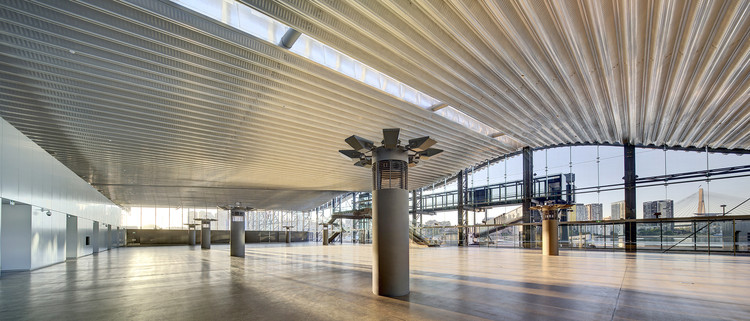
Architecture firm Pelli Clarke Pelli has been selected to design the new $195 million McCormick Place Event Center in Chicago that will double as home for the DePaul Blue Demons basketball program. With 10,000 seats, the building will also house large business and professional meetings as well as concerts and special events.
More on the design after the break.
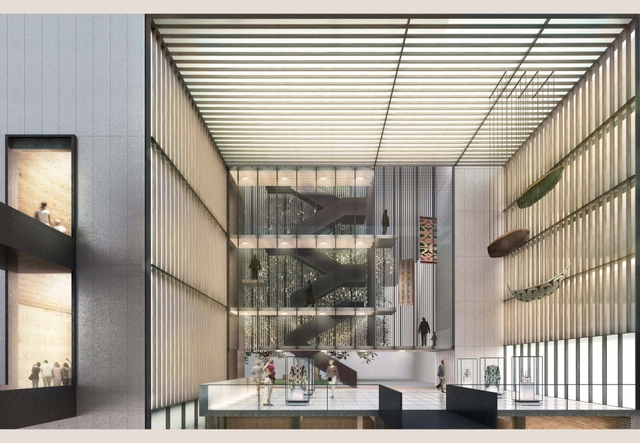
The winner of a competition to design a new extension for Chile's National History Museum has been announced. The competition, hosted by The Chilean Architecture Department of the Ministry of Public Works and the Department of Libraries, Archives and Museums, called for an 8,612 square feet annex devoted to exhibition and storage space. From the 54 proposals received, Aguiló + Pedraza Architects' stood out.
The Architect's description of the proposal, after the break.
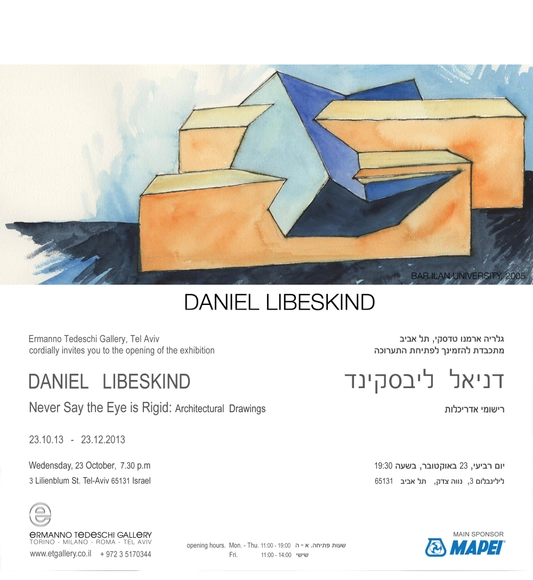
On October 23, 2013, Tel Aviv’s Ermanno Tedeschi Gallery will open its newest show, “Never Say the Eye Is Rigid: Architectural Drawings of Daniel Libeskind”. The exhibition, in collaboration with the Ermanno Tedeschi Gallery (Milan, Turin, Rome ,Tel Aviv), which brings together 52 original drawings will include depictions of the architect’s signature work, the Jewish Museum Berlin (2001), and his 2003 master plan for Ground Zero in New York City.
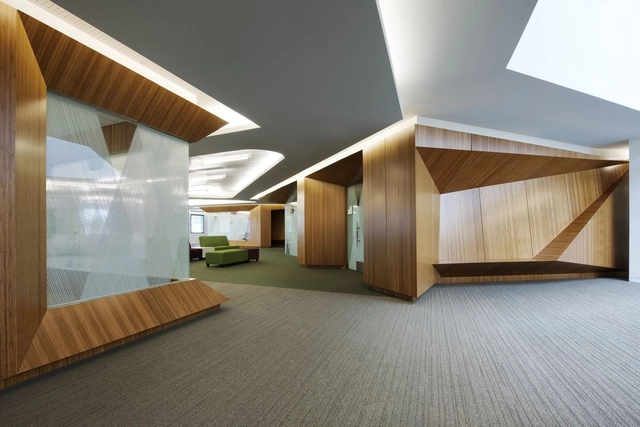
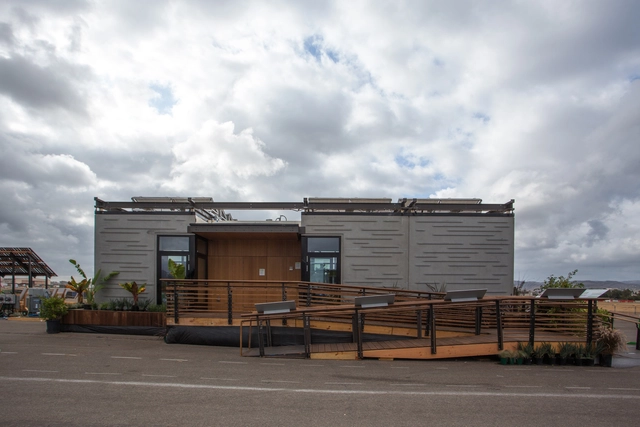
The people have spoken: UNC Charlotte’s 2013 Solar Decathlon entry, UrbanEden has won the “People’s Choice Award.” Designed as an urban infill project for a couple in Charlotte, North Carolina, the net-zero solar-powered home defines itself by establishing a strong indoor and outdoor connection in the middle of the city. By enclosing the back deck with a seven-foot tall vertical garden and integrating a high-performance glass wall along the home’s south side, dwellers are presented with the unlikely option of privately enjoying the outdoors within a dense urban context.
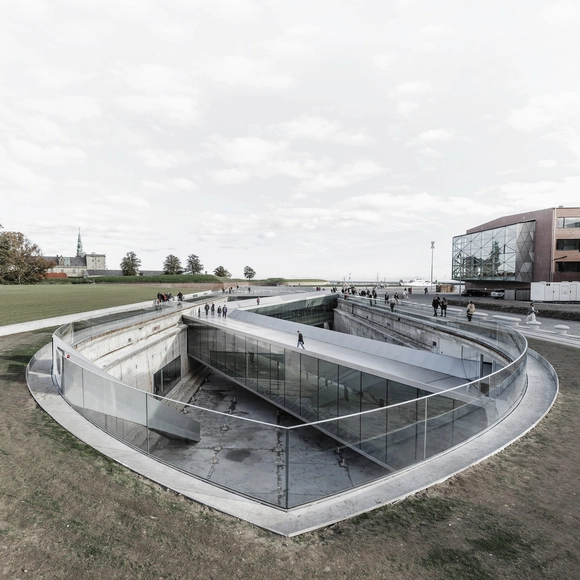
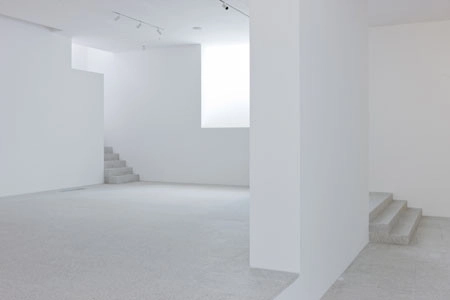
On November 8, Philips and Parsons The New School for Design will bring together architects, lighting designers and researchers for a symposium on the dualistic relationship between natural light and the latest electric lighting technologies, and the influence these systems have on human well being. The event is part of Luminous Talks, a programming series now in its second year, which was developed by Philips and Parsons to inspire dialogue around relevant topics in the field. This year’s theme, Nature and Man-Made, builds on last year’s focus on human health and well being to consider the human presence amidst these forces and their psychological and physiological impact.
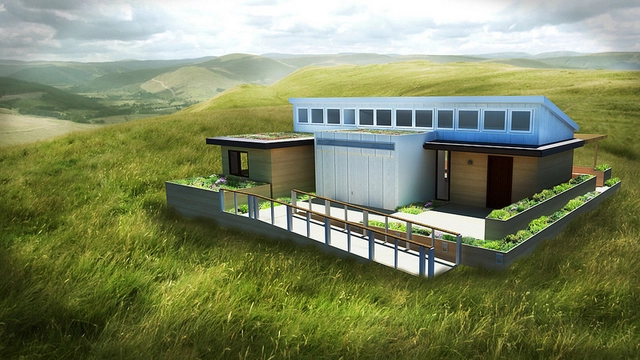
Stanford University's Start.Home has won fifth place overall and tied for first place in affordability in the 2013 Solar Decathlon. Read the team’s description to learn more:
For the U.S. Department of Energy Solar Decathlon 2013, Stanford University designed the Start.Home to provide energy efficiency at the push of a button to a new generation of environmentally conscious occupants. With modular architecture and advanced controls to optimize each component, the house aims to spark a revolution by lowering the entry barrier for an ultra-efficient house and making sustainability trendy, social, and affordable.