

-
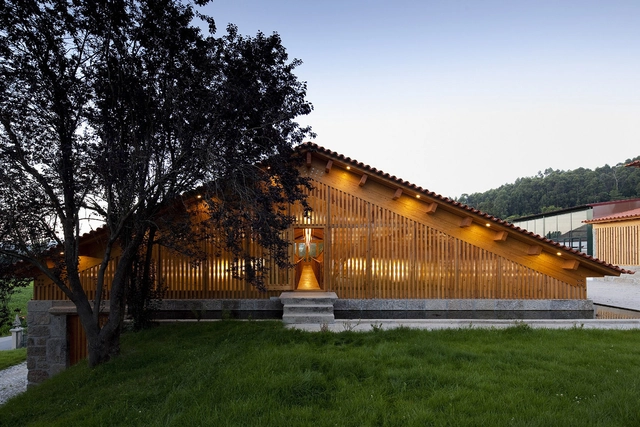
Architects: Carlos Castanheira
- Year: 2010



From its outer skin to its structural framing system, a building is made out of many layers. Just like a human body, many of those layers – which tend to be the most crucial, functional components – remain unseen by the public, covered with aesthetic features. Among all the hidden elements, all buildings include sheathing, the outer casing that construction crews place to serve several key purposes: protect the floor, walls, roofs and ceilings, fortify the structure against internal and external forces, and cover the entire framework, giving the building a solid shape.
Wood is the most common material for sheathing, with Oriented strand board (OSB) panels usually being the top choice. Why? Made by compressing and gluing cross-oriented strands of wood together with heat-cured adhesives, OSB boards are lightweight, flexible, strong, versatile and fully recyclable. They also stand out by resisting deflection, warping and distortion, apart from offering some thermal and acoustic insulation. However, besides their good performance and mechanical properties, OSB is especially known for being cheaper than other alternatives, drastically saving both costs and time. In fact, this structural panel can be $3 to $5 less expensive than plywood, which explains why it is often considered its low-cost substitute.
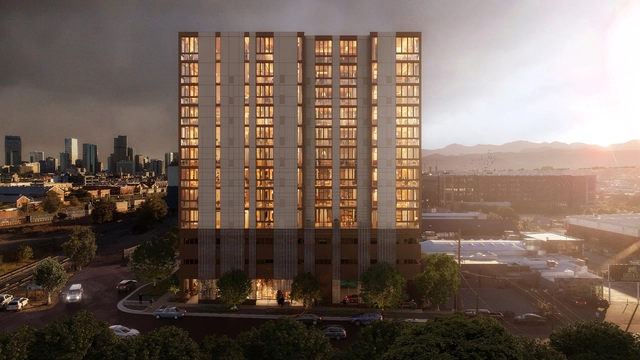
Denver-based architecture office Tres Birds announced that Denver’s tallest mass timber building is planned to break ground in July 2023. The 12-story building named “Return to Form” will be located in the River North Arts District in Denver, US. Its structural system uses mass timber, a new technology that utilizes small-diameter trees from sustainably managed forests. Through continuous planting and responsible harvesting, these forests are becoming a source of renewable and low-impact building materials. The mass timber structure is comprised of wood panels that are glued and laminated together. This provides not only strength and stability but also fire resistance.
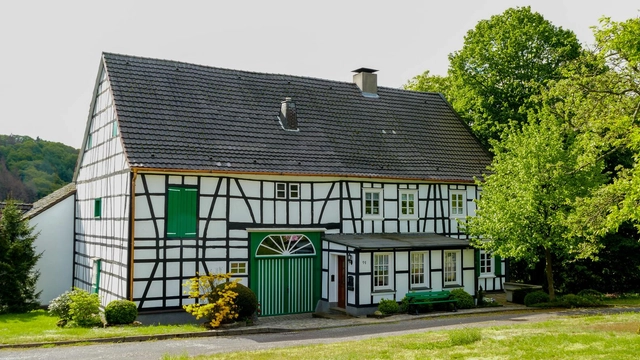
Contrary to what some people mistakenly say, half-timber is not a style, but a building technique. Brought to Brazil by German immigrants, it was used mainly in regions of Espírito Santo, Santa Catarina and Rio Grande do Sul. The technique has now become a strong attraction for tourists. But after all, what defines it?


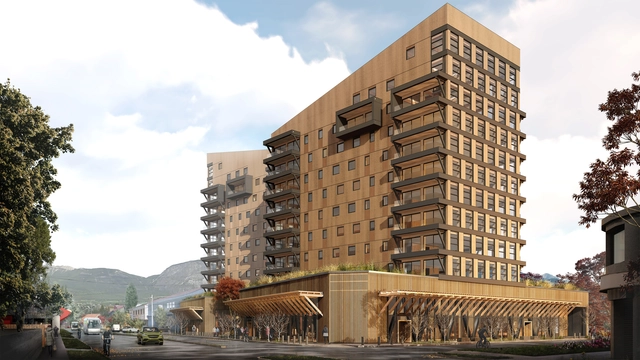
Urbanization and the evolution of modern cities have led to the development of high-rise building constructions, but what is the real environmental impact of these buildings? Traditionally designed with concrete as the main structural material, their construction implies an increase of CO2 emissions released into the atmosphere, air pollution and a rise in energy and water consumption. These consequences call for the development of new sustainable strategies outside of the industry’s comfort zone, such as the incorporation of wood as a structural element. Cross Laminated Timber (CLT) has emerged as a new structural strategy that Chilean architects have begun to incorporate into the country’s architecture, adapted to local conditions and norms.
The ‘Tamango Project’ by Tallwood architects is an example of the challenges and opportunities of wood construction in the country and the region, as it might potentially be the first 12-storey building with an engineered timber structure. Changing the traditional construction paradigms of the area, Tamango represents a step into sustainable solutions that follow an integrated design process through all the stages of an architectural project.
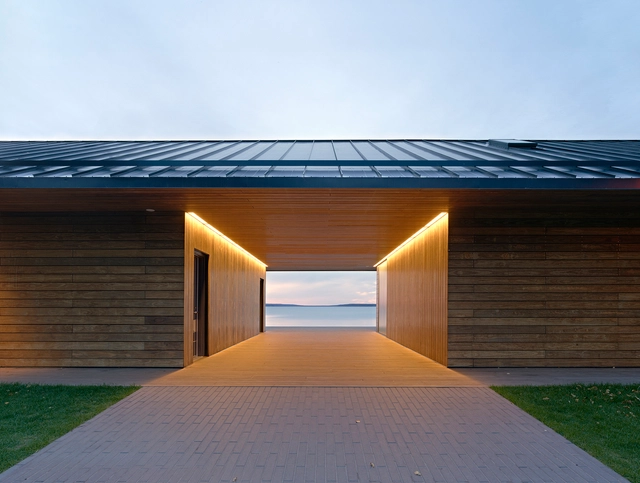
The Call for Entries is now open to North American and International submissions to the 2022-23 Wood Design and Building Awards program recognizing excellence in wood architecture.
The Wood Design & Building Awards program recognizes design teams that are passionate about celebrating wood as a safe, strong and sophisticated building material.
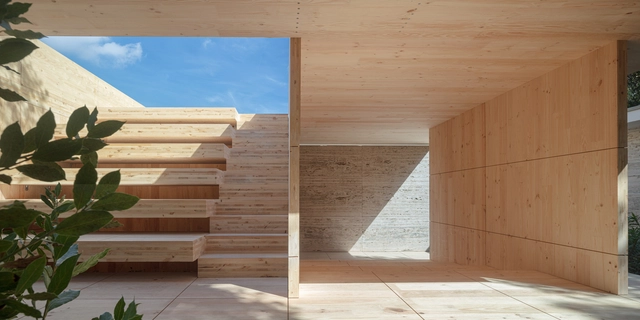
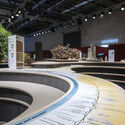
On the 4th of October, the temporary installation "Mass is More", a project designed by Daniel Ibáñez and Vicente Guallart, from the Institute for Advanced Architecture of Catalonia (IAAC), together with Alan Organschi from Bauhaus Earth (BE), was presented at the Barcelona Pavilion. It was open to the general public from the 1st to the 9th of October.
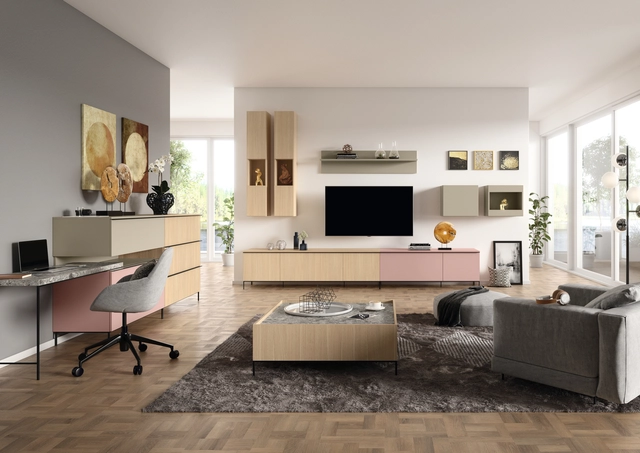
Although things seem to have returned to normal, it is undeniable that the COVID-19 pandemic has changed everyone. The truth is, its impacts on the economy and society can still be felt and will remain for some time. As a consequence, most people have become more conscious about public health, disease dissemination and the importance of science in everyday life. Many began to place more importance on time spent with family and at home, while companies have realized that not all office spaces are really essential and that home office can be just as effective.
The result is that people have began modifying their spaces to accommodate new uses which might have been unthinkable before. Our homes had to become, in a few weeks, places for rest, work, study, sports and leisure. Most were not prepared for this change, but gradually both residents and architects and designers found ways to adapt to the new reality. We've learned that accommodating new functions into a home means more than just setting up a table in the only free corner of the apartment. The pandemic also accelerated certain global trends and changed our relationships with products, companies and services, in terms of sustainability, social justice, digitization and individualization. The common factor between these different elements is that now they no longer require you to make a choice between one thing or another. Instead, all these elements are now connected, making life, people and products more agile and long-lasting. Under the motto “Create Transitions”, EGGER shows how decors and wood-based products can create and shape change in everyday living.
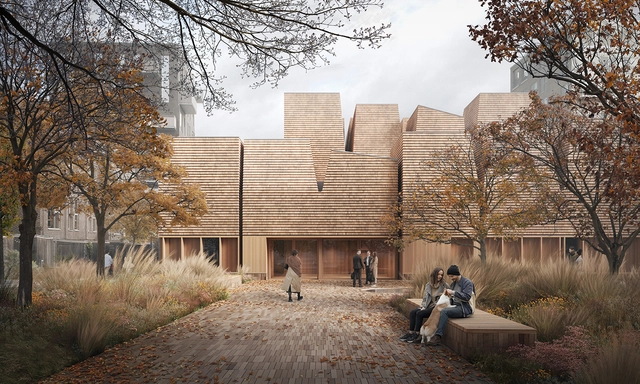
Henning Larsen has revealed the first images of the Ørestad Church, the first church to be built in Copenhagen in the last 30 years. The modern monument is built in wood and wood shingle, reflecting Ørestad’s open natural landscape and embracing the identity of the local community. The intention was to create a serene space, detached from the bustle of the city, where the calmness and simplicity of interior spaces can offer residents solace from their everyday life. Construction is expected to start in 2024, and the church will be consecrated in 2026.
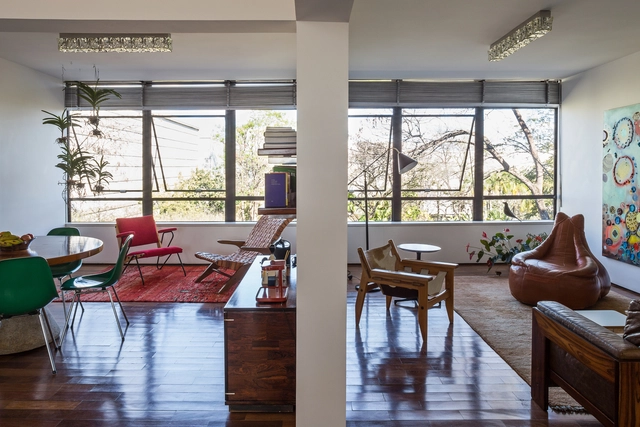
In the architectural conversations we are having in today’s world, conversations on materials are widespread. There is discussion on the viability of concrete in the contemporary context, how timber can be more sustainably sourced, and on how biodegradable materials such as bamboo should be more common sights in our urban environments.
But we also need to be talking about what goes into these buildings – that is, the furniture that decorates, enhances, and makes habitable the buildings around us. The materials used to craft these objects have constantly evolved over centuries, and as we approach the end of 2022, it’s worth asking – what does the future hold for what our furniture will be made from?
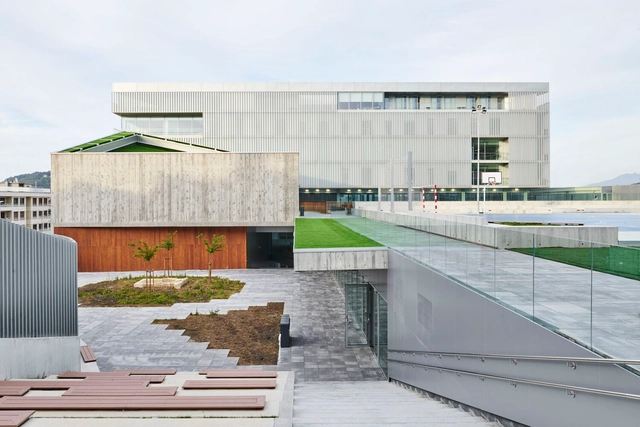
Wooden elements have the power to add warmth to a space or building. Through their shades, textures and rustic look, wooden surfaces tend to stand out, especially when used alongside more neutral and sober materials. In the Aldapeta María Ikastetxea School, a project developed by IDOM in the city of San Sebastian, Spain, the architects used the material in a particularly interesting way. Wood panels brought visual comfort and warmth to the building, whose material palette is limited, focusing especially on the use of glass, steel and exposed concrete.
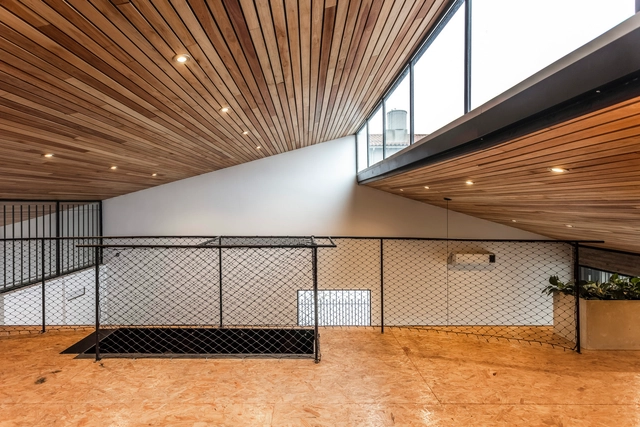
Depending on the aesthetics of a space, the economy of the materials or even their long-term maintenance, there are various types of ceilings that are capable of meeting the technical and functional needs of architectural projects. Regardless of their manufacturing method, whether industrialised or handcrafted, ceilings represent a constructive element that constitutes the finish or interior cladding of roofs.

While walking through the city, have you ever felt afraid to be yourself? As strange as the question may sound to some, it is a reality for most LGBTQIA+ people, who at some point have been victims of hostility when they were noticed performing outside the "heteronormative standards" of public spaces. If violence comes from social layers that go beyond the designed space, this does not exempt the importance of thinking about projects that can integrate the physical sphere and insert a symbolic or representational factor to include and educate its citizens. This is the case of Homomonument, which for more than three decades, has become a platform for queer celebration and protest in the heart of Amsterdam.

In the current scenario of a climate crisis, thinking about an architectural project without defining ecological guidelines has become practically unacceptable. One of the main emitters of carbon dioxide and other pollutants, the construction sector is increasingly looking for new ways and means that can make works more sustainable and, in some way, mitigate damage to the environment. Thinking about ecological materials can be one of the fundamental steps, but, which materials are these?
.jpg?1654265144&format=webp&width=640&height=580)
Most of us use stairways every day, but few times do we stop to contemplate their design or put much thought into their function. With their steps, treads and railing, they are easily one of the most fundamental architectural elements in any home. Apart from providing a safe, simple and easy access from one floor to another, it is through staircases that architects create unique spatial forms and strong visuals. From afar, one can observe people moving up and down repeatedly; from within, the user is treated to new angles and ways to perceive a space. Therefore, good staircases are more than just means of vertical circulation. Through their might and scale, they can become the protagonist of a space – a design focal point that rises to the level of art. In this article, we present their versatile characteristics and material qualities through a selection of inspiring examples, all of which can be found in Architonic's 'Staircases' section.

Upon becoming a sovereign country, free from British Rule, the people of India found themselves faced with questions they had never needed to answer before. Coming from different cultures and origins, the citizens began to wonder what post-independence India would stand for. The nation-builders now had the choice to carve out their own future, along with the responsibility to reclaim its identity - but what was India's identity? Was it the temples and huts of the indigenous folk, the lofty palaces of the Mughal era, or the debris of British rule? There began a search for a contemporary Indian sensibility that would carry the collective histories of citizens towards a future of hope.
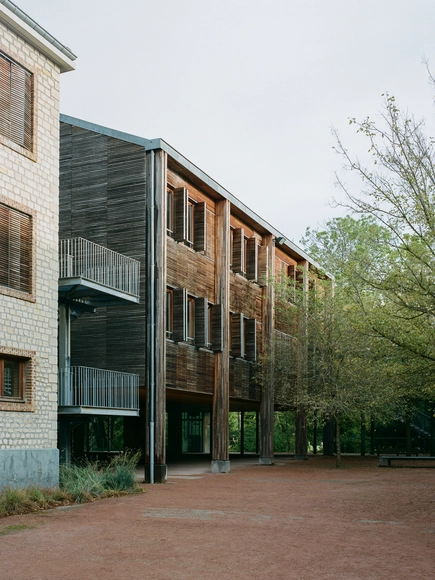
To wholly document a survey on the state of French forests, the wood industry, and forestry R&D, François Leclercq and Paul Laigle, from the architecture and urban planning practice Leclercq Associés, are in collaboration with architecture editor Michèle Leloup and photographer Cyrille Weiner.
The Wood That Makes Our Cities explores the environmental, economic, industrial, and technical challenges involved in the use of wood for large structures and urban architecture and assesses the future of wood construction. The book retraces the practice’s twenty years of experience with wood construction through five of its projects, featuring contributions by historians, researchers, manufacturers, timber producers, and forestry specialists.

Wooden floors bring warmth, personality and style to any interior space, whether old or new. Rustic and elegant, wood also has excellent thermal properties, a pleasant temperature to the touch, and can even improve the acoustics of a space by absorbing sound waves. They are also highly durable and resistant to daily use. It is therefore no surprise that they are one of the favorite and most coveted materials for residential interiors. Wooden flooring is also very visually appealing, with a huge amount of variations possible in its design. Pieces can vary greatly depending on which part of the trunk they come from, even if they are from the same manufacturer and tree species. Colors and designs also vary according to different tree species, from light yellows to dark browns, with infinite possibilities. In addition, it is possible to create various types of patterns when laying the floor, according to the dimensions of the pieces used and the desired effect for the space. See below a selection of wooden floors in Architonic catalog.