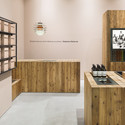

-
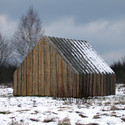
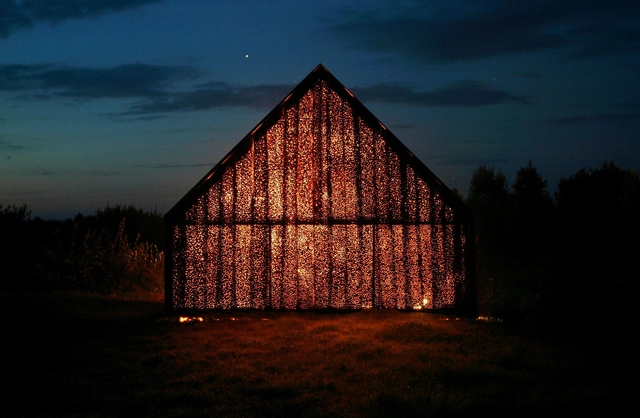
Architects: Torafu Architects
- Area: 48 m²
- Year: 2014


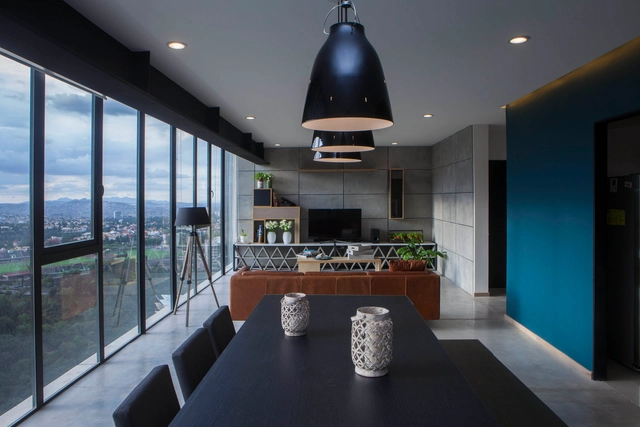
Material Minds, presented by ArchDaily Materials, is our new series of short interviews with architects, designers, scientists, and others who use architectural materials in innovative ways. Enjoy!
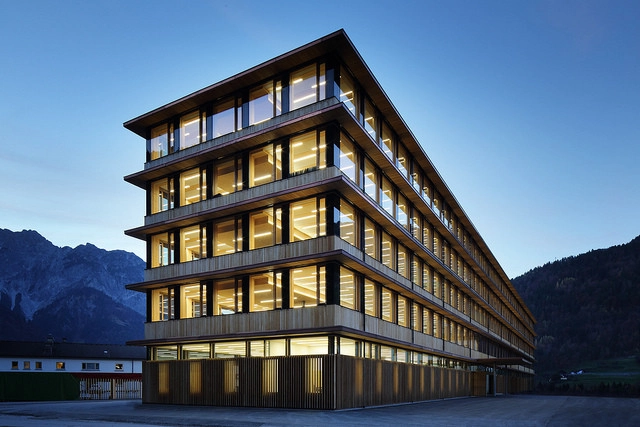
Wood. The United States is the largest producer of the natural resource in the world. But yet we rarely see it in commercial, high-rise construction. So we asked a wood expert -- Rebecca Holt at Perkins+Will, an analyst for reThink Wood's recent Tall Wood Survey -- to tell us about its potential benefits.
AD: Why is wood a material architects should use in taller buildings?
There are lots of reasons to consider wood – first it has a lower environmental impact than other traditional choices like concrete and steel. Wood is the only major building material that is made the by sun and is completely renewable.
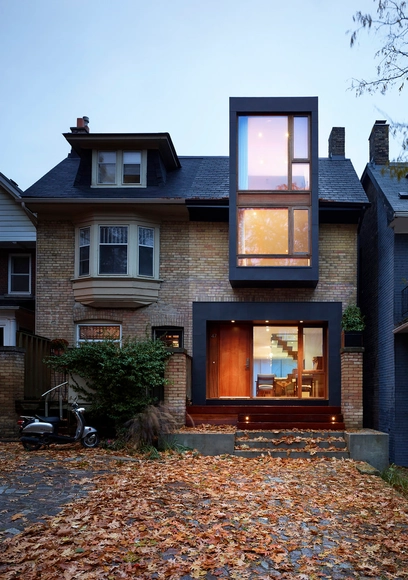

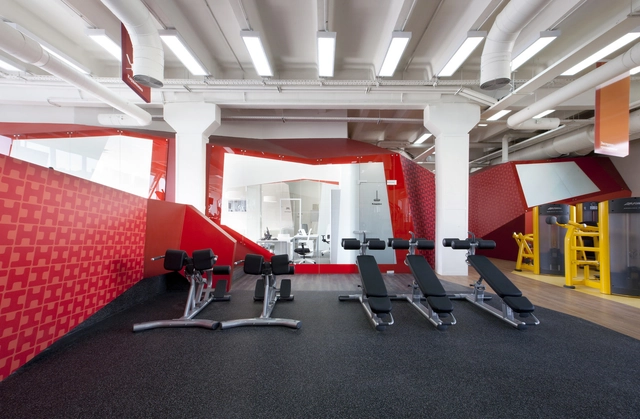
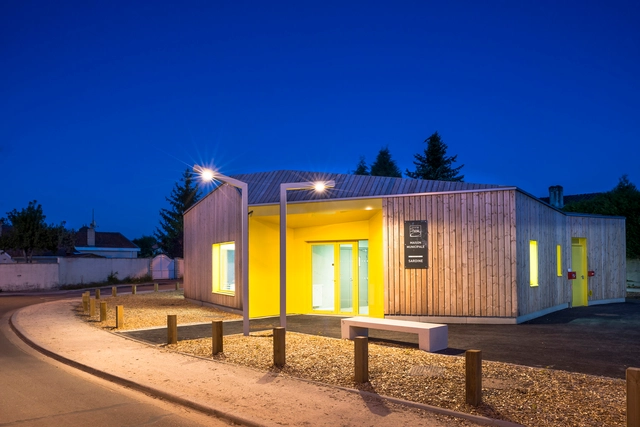
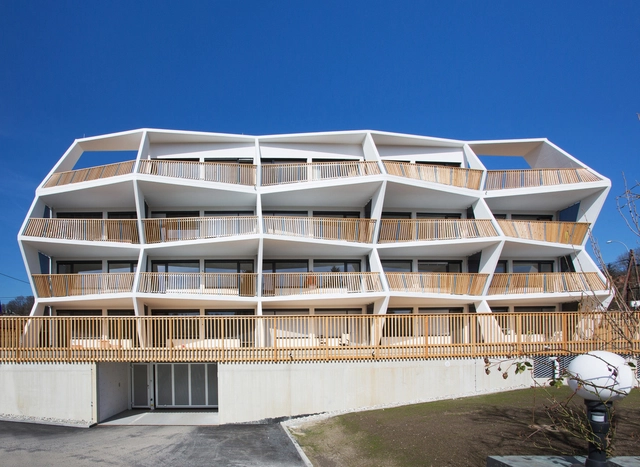

Material Minds, presented by ArchDaily Materials, is our new series of short interviews with architects, designers, scientists, and others who use architectural materials in innovative ways. Enjoy!
Arthur Andersson of Andersson-Wise Architects wants to build ruins. He wants things to be timeless - to look good now and 2000 years from now. He wants buildings to fit within a place and time. To do that he has a various set of philosophies, processes and some great influences. Read our full in-depth interview with Mr. Andersson, another revolutionary "Material Mind," after the break.

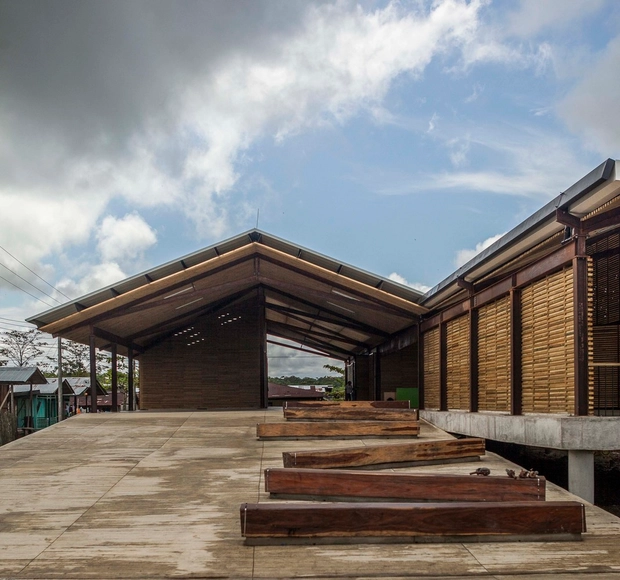
Wood is the ultimate material - it's renewable, sequesters carbon and more importantly, it's buildable. Nevertheless wood is rarely used in tall, vertical construction. Now reThink wood has come out with their Tall Wood Survey (available in full on their website), which surveyed over 50 wood experts to explore three main areas in which wood is usually questioned: financing, insurance and performance. But beyond discussing the pros and cons of wood, the survey also highlights 10 projects that show how wood products are being used in ways you never thought existed. See all ten innovative projects, after the break.
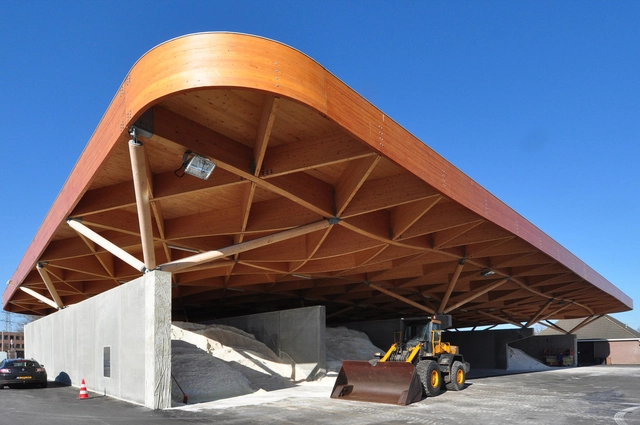



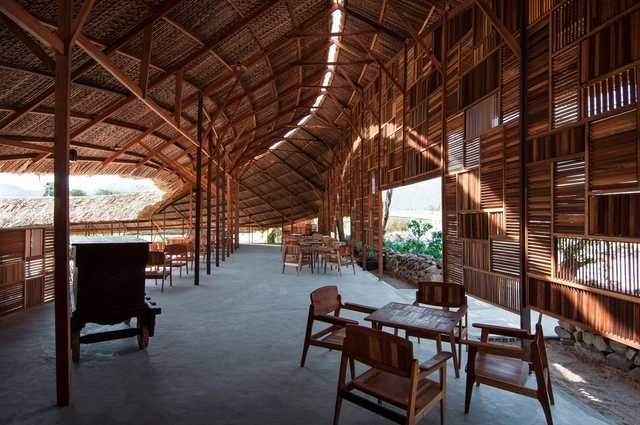
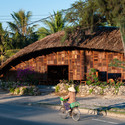
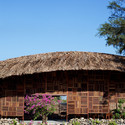
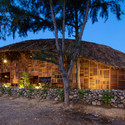
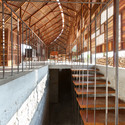


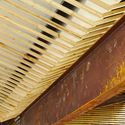

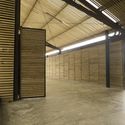


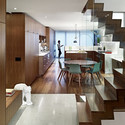
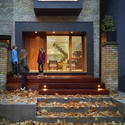
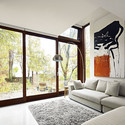

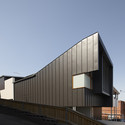
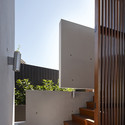
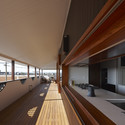
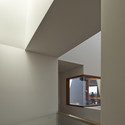


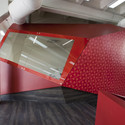

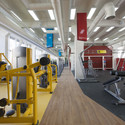

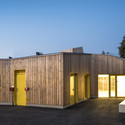
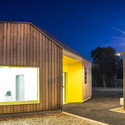
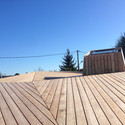
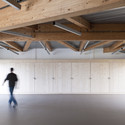
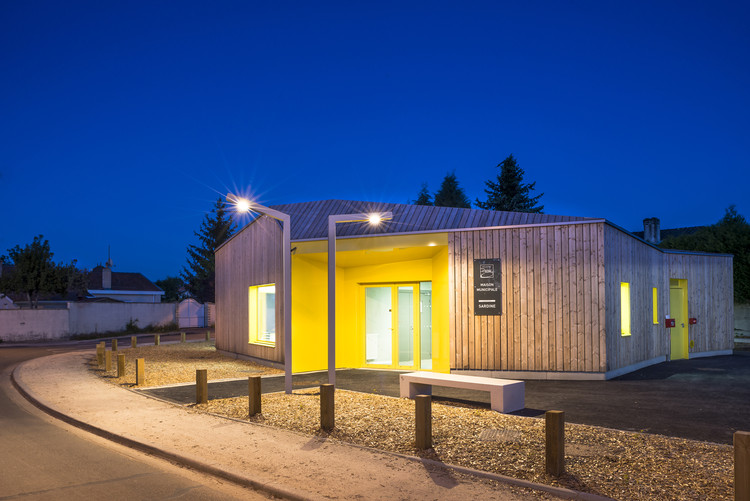
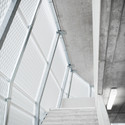

.jpg?1403052903 "© Maxime Delvaux @ 354 photographers")
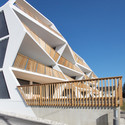
.jpg?1403052695 "© Maxime Delvaux @ 354 photographers")
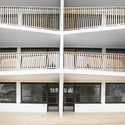
.jpg?1403052881 "© Maxime Delvaux @ 354 photographers")
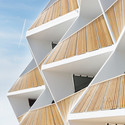
.jpg?1403052817 "© Maxime Delvaux @ 354 photographers")