Videos
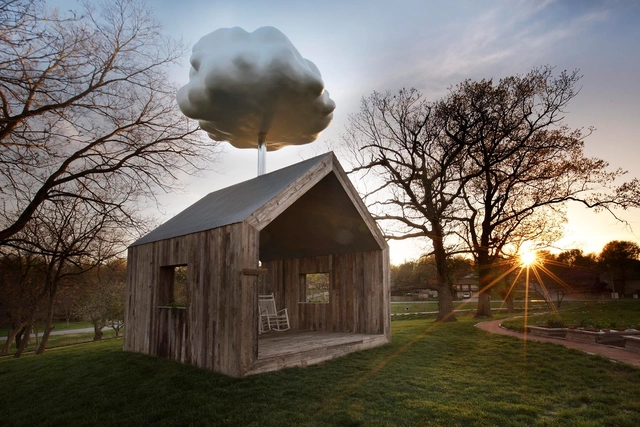
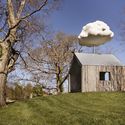
The barn has been constructed of timber and metal salvaged from an abandoned farm. Image Courtesy of Matthew Mazzotta
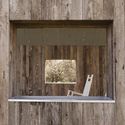
Few sounds in this world are quite as satisfying as that of fresh rainwater falling on a tin roof. However, this soothing sensation is just one element of the Cloud House, a unique, interactive rainwater-harvesting system created by designer Matthew Mazzotta in Springfield, Missouri. From the comfort of a wooden rocking chair, the user is immersed in a rural farm experience, offering passers-by a moment to slow down, enjoy fresh edible plants and, as promised, bask in the sound of rain striking a tin roof.
Videos
Courtesy of Team Aesop (Josh Draper, Lisa Ramsburg, Powell Draper, Edward M. Segal, and Max Dowd)
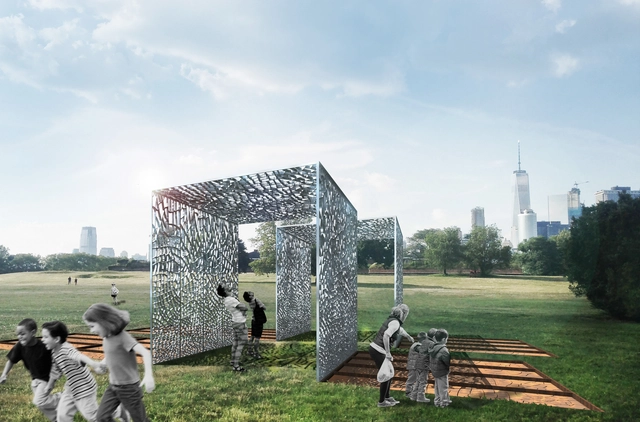
Cast & Place has been announced as the winner of the 2017 City of Dreamscompetition to create a pavilion for New York City’s Governors Island. Held by not-for-profit arts organization FIGMENT, the AIANY Emerging New York Architects Committee, and the Structural Engineers Association of New York, the competition called for a design to be the hub of FIGMENT’s free community arts festival during Summer 2017, based on questions of the future of New York, how design can confront environmental challenges, and how architecture can be built from recycled or borrowed material.
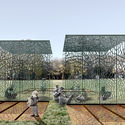
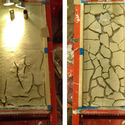
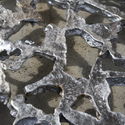
With these questions in mind, Cast & Place was conceptualized as a pavilion made entirely from waste. 300,000 recycled aluminum cans, cast into the cracks of dried clay, will form structural panels that assemble into shaded spaces for performance and play.
A new piece of bipartisan legislation has been tabled by The United States Senate and House of Representatives named the Timber Innovation Act. The bills were put forward to further the development of tall timber buildings in the US, thereby supporting the nation’s considerable timber market and the rural manufacturing jobs it entails.
“The United States has an opportunity to bring new, sustainable mass timber technology to our construction industry, and the Timber Innovation Actdirects technical assistance and research components already in place,” said Robert Glowinski, President and CEO of the American Wood Council (AWC).
https://www.archdaily.com/866841/new-timber-innovation-act-advocates-for-nationwide-timber-construction-in-the-united-statesOsman Bari
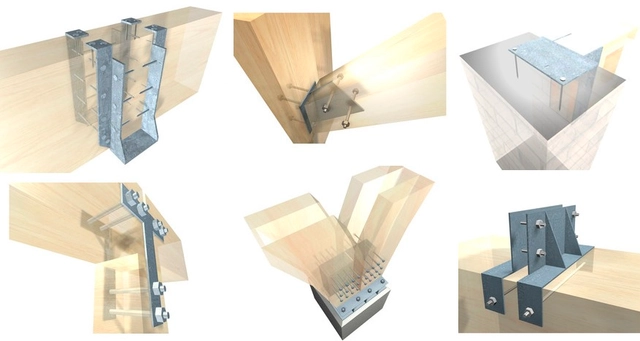
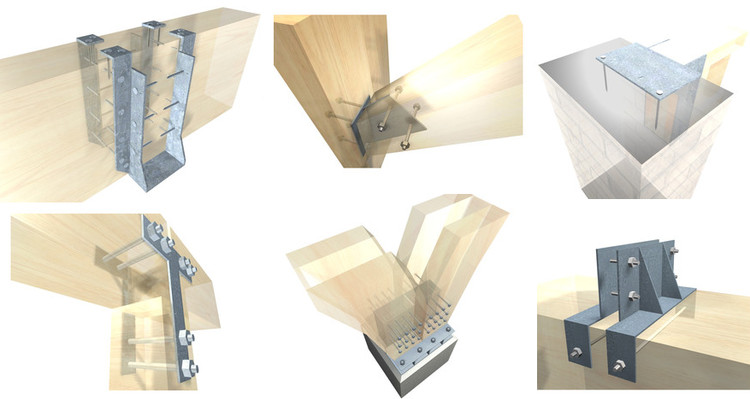
When designing wooden structures, it’s very important to consider joints and reinforcements that will allow them to stay together and upright. These connectors not only allow for adhering wood to wood but also let you anchor wood elements to brick and concrete walls.
With such a variety of pieces needing to be connected together (beam-beam / beam-pillar / beam-strut / beam-wall / base-frames), working with hardware requires the advice of a calculating engineer or a professional with knowledge and experience. To guide you in this process, we have selected 15 metal fittings specially designed by Arauco to connect wood pieces.
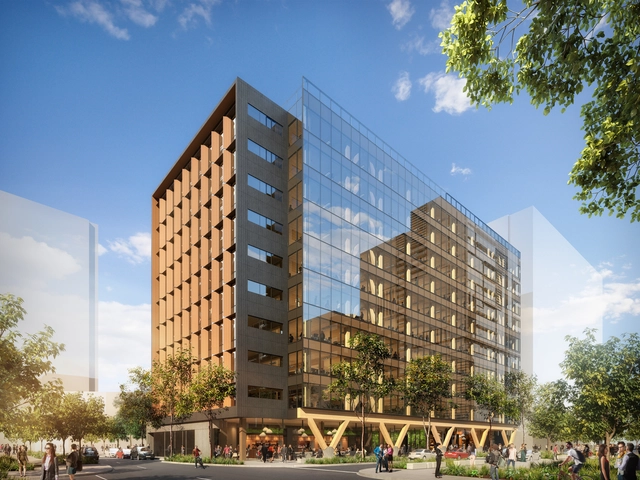
Australia-based Bates Smart has released the plans for 5 King, a high-performance commercial space and the tallest engineered timber building in Australia. At 52 meters tall, the building will additionally feature the largest gross floor area (GFA) for an engineered timber office building worldwide.
Based on the concepts of connecting with nature and preserving the environment, 5 King will utilize a combination of cross-laminated timber (CLT) and glue-laminated timber (Glulam) to achieve “the structural strength of concrete and steel with a low carbon footprint.”
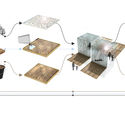
Furniture and design retailer XTRA's new flagship store in Singapore's Marina Square includes a Herman Miller "Shop-in-Shop" that draws inspiration from the furniture it showcases. Encircling the space is a 20-meter arched structure that, from a distance, gives the appearance of tufted fabric pulled taught over a frame. But in fact, this structure is built from a plywood "skin" that designer Pan Yicheng of PRODUCE Workshop has dubbed "fabricwood."
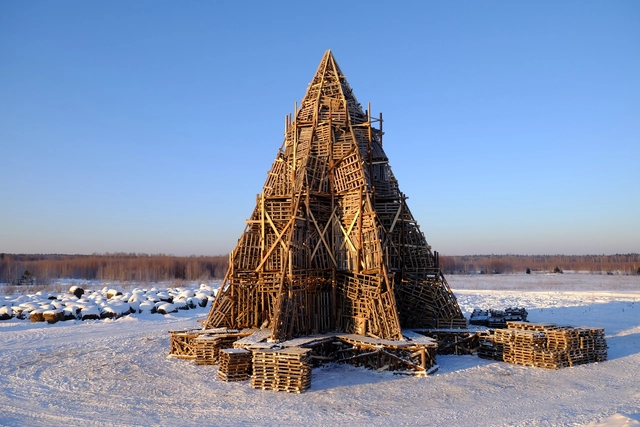
Russian artist Nikolay Polissky has unveiled his latest project, a large tower for the upcoming traditional holiday of Maslenitsa, a coming of spring celebration that ceremonially burns a symbol of winter.
Currently in the construction phase, the project is made from recycled wood pallets and the tops of logs, which typically are only used as cheap firewood. Additionally, the tower will be covered with hay rolls that cannot be used as animal feed, before being burned at a ceremony on February 25.
The 2016 winning submissions of Wood Design & Building magazine’s annual Wood Design Awards have been announced, each project demonstrates innovative approaches to and excellence in wood construction within architecture and design.
“For architecture to truly be successful, it must transcend buildings and fulfill the structural, functional and aesthetic needs of a community,” said Vice-President of Market Development for the Canadian Wood Council, Etienne Lalonde. “The Wood Design Awards program is an opportunity for design teams to showcase applications of wood/wood products that ultimately lead to safe, strong and sophisticated buildings and that inspire others to use wood in construction.”
Of the approximately 200 submissions, 22 projects were selected as award recipients across seven categories, selected by an esteemed jury consisting of Peter Bohlin, Patricia Patkau and Brian Court. Special awards were also presented by the Canadian Wood Council.
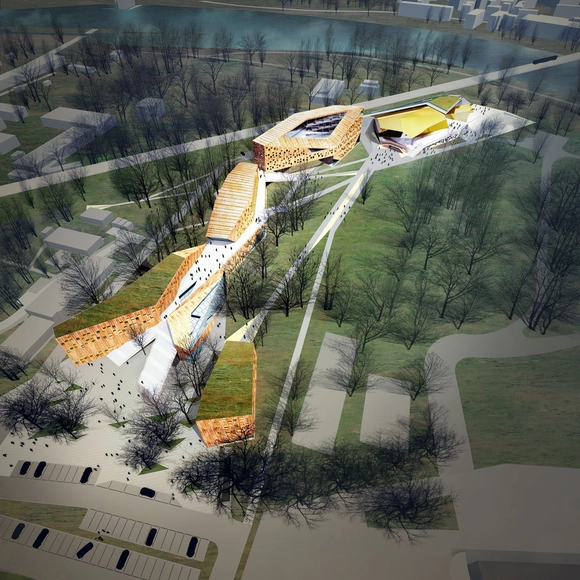
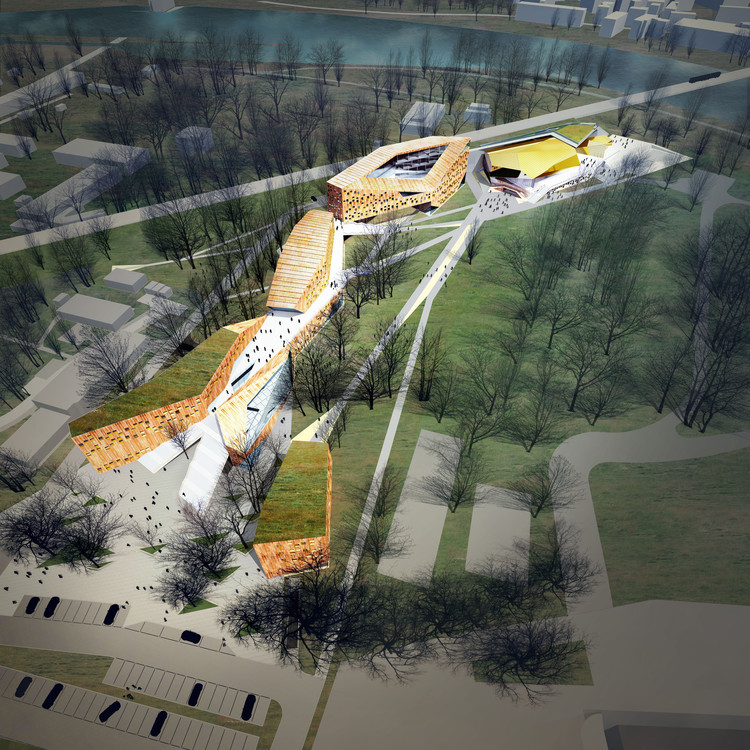
FAAB Architektura has designed a smog-fighting music academy on the site of a former military base in Cracow, Poland. In a city constantly tackling air pollution, FAAB has incorporated a 1300 square meter "Air Purifier" into their proposal, combating CO2 levels as effectively as 33,000 city trees. This system, however, is only one element in a music academy wholly integrated with its natural surroundings.
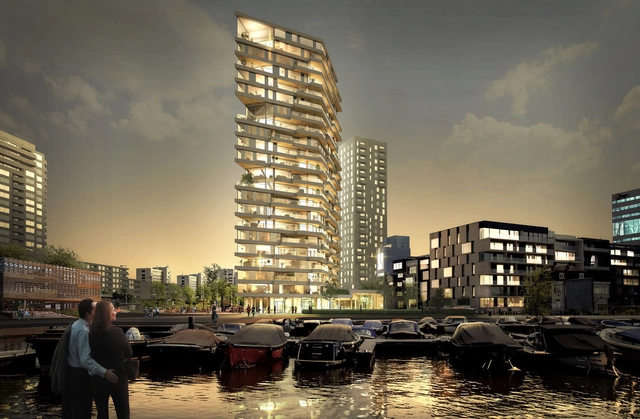
HAUT, a proposed 240-foot timber-framed tower to be built in Amsterdam. Image Courtesy of Team V Architectuur
The key to engineering wood strong enough to support skyscrapers may lie in the interaction between molecules 10,000 times narrower than the width of a human hair.
A new study by researchers at the Universities of Warwick and Cambridge has solved a long-held mystery of how key polymers in plant cells bind to form strong, indigestible materials such as wood and straw. By recreating this ‘glue’ in a lab, engineers may be able to produce new wood-based materials that surpass current strength capabilities.
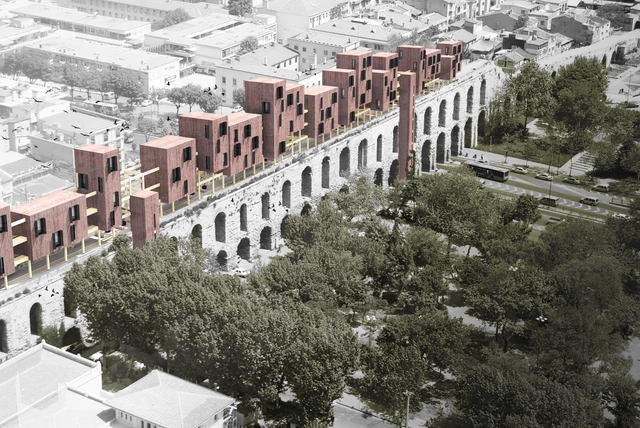
Sinan Günay and Nurhayat Oz of Superspace have won second prize in the MetsäWood competition, The City Above the City, which called for architects to design wooden extensions to city centers. With their project, Colliding Lines and Lives, the team designed a series wooden housing modules to be appended to a fourth-century Roman aqueduct archway in Istanbul.
Built by the Roman emperor Valens, the archway was an important water supply for the Romans and Ottomans but later lost its significance and functionality with technological and infrastructural advancements, leaving it an unutilized landmark in the city.
For children especially, hospitals can be anxiety-inducing and overwhelming space. New media studio ENESS aims to change that experience with their installation LUMES, a light-emitting wood piece, the first of which is now on display at Cabrini Hospital in Malvern, Australia.
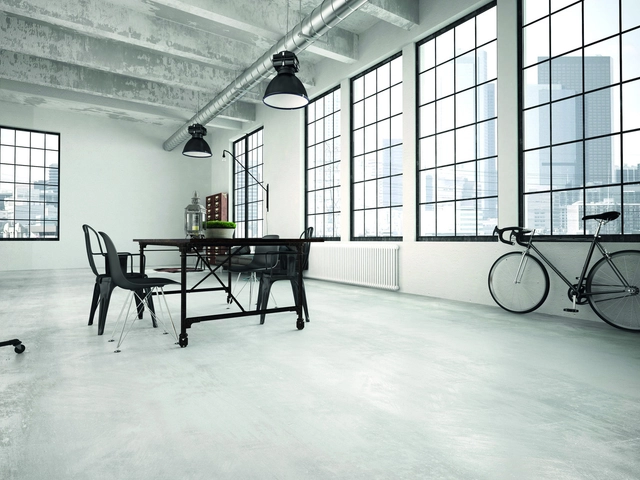
Light, open spaces: Lofts break with the traditional way of living and create room for new ideas.. Image Courtesy of EGGER
As industry withdrew, the creative types came and populated the empty factory floors of the big cities. Art, furniture design and work life benefitted from this international trend. EGGER, a supplier of wood-based materials, interprets this trend with its forthcoming decorative range.
https://www.archdaily.com/799963/life-is-a-loftSponsored Post
DBR presents PAUSE a competition in partnership with TED2017 ‘The future you’. This year TED is making the conference more explicitly personal. We are questioning what individual space looks like; the personal and private; the open and closed. How do we design an environment and experience that is nurturing, human, satisfying, and exciting?
A fascinating exhibition about the current state of building culture with focus on timber – the natural renewable resource
Based on selected distinguished national and international projects, the exhibition represents the state of the art in sustainable and modern timber architecture. The presentation spans from spectacular projects by Toyo Ito, Shigeru Ban and Frei Otto to direction setting urban timber houses such as those by Kaden & Klingbeil in Berlin/Prenzlauer Berg, and upwards to the newest trends in highrise buildings realized in timber. Plans, excerpts, and photographs accompany the largesized models.
In this edition of Section D, Monocle 24's weekly review of design, architecture and craft, the show explores how wood is being used creatively at every scale by designers and architects today. From the "timber terrazzo" of London-based designer Conor Taylor, to the four protected (yet threatened) wooden escalators at Sydney's Wynyard Railway Station, the episode questions how innovative designers are, or need to be, with this age-old tried and tested material. Finally, the show visits Folkhem in Sweden – a construction company who believe wood "to be superior to conventional alternatives in almost every respect, from construction time to acoustic properties."
https://www.archdaily.com/797040/monocle-24-explores-creative-uses-of-wood-in-contemporary-architecture-and-designAD Editorial Team
For centuries before the invention of screws and fasteners, Japanese craftsmen used complex, interlocking joints to connect pieces of wood for structures and beams, helping to create a uniquely Japanese wood aesthetic that can still be seen in the works of modern masters like Shigeru Ban.
Up until recent times, however, these techniques were often the carefully guarded secrets of family carpentry guilds and unavailable for public knowledge. Even as the joints began to be documented in books and magazines, their 2-dimensional depictions remained difficult to visualize and not found in any one comprehensive source.
That is, until a few years ago, when a young Japanese man working in automobile marketing began compiling all the wood joinery books he could get his hands on and using them to creating his own 3-dimensional, animated illustrations of their contents.
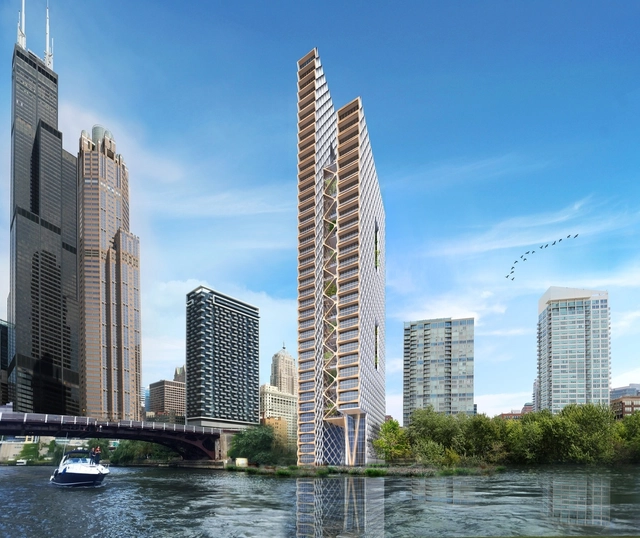
As part of a masterplan along the Chicago River, the River Beech Tower is a residential high-rise which, if built, would be taller than any existing timber building. The collaborative team behind River Beech consists of architects Perkins+Will, engineers Thornton Tomasetti and the University of Cambridge. Currently a conceptual academic and professional undertaking, the team state that it could potentially be realized by the time of the masterplan’s final phases.









.jpg?1486048343 "Prototype of the Fabricwood system. Image Courtesy of PRODUCE Workshop")
.jpg?1486048351 "Courtesy of PRODUCE Workshop")