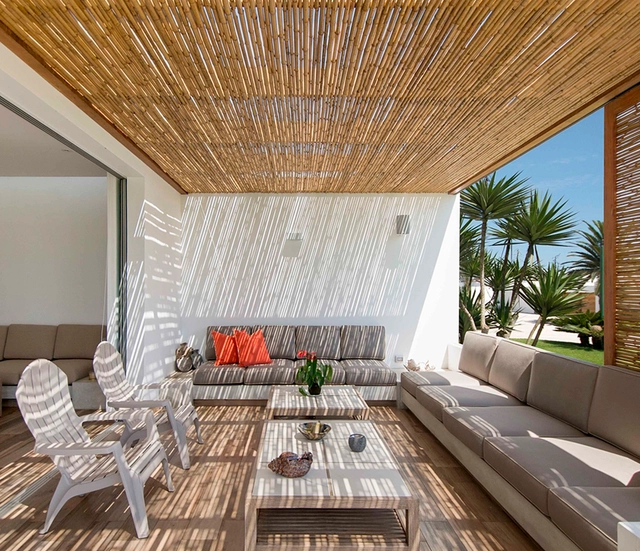
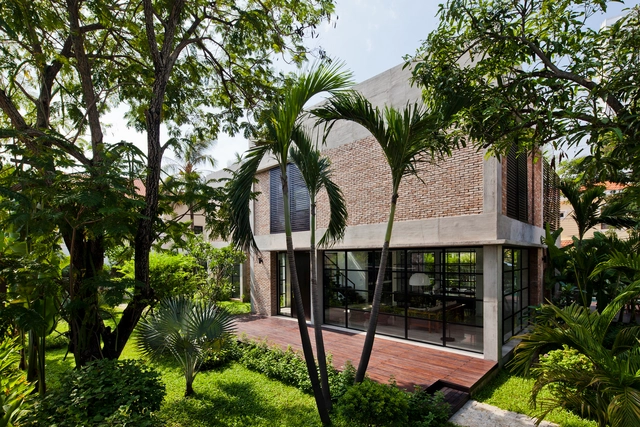
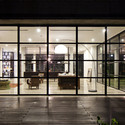
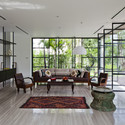
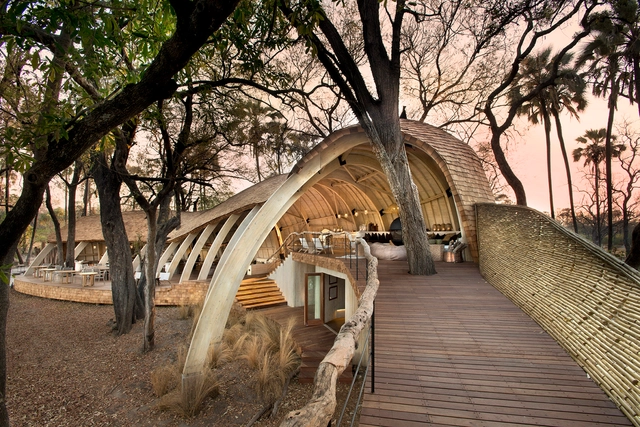
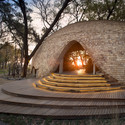
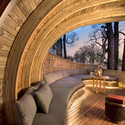
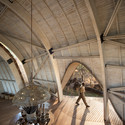
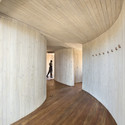
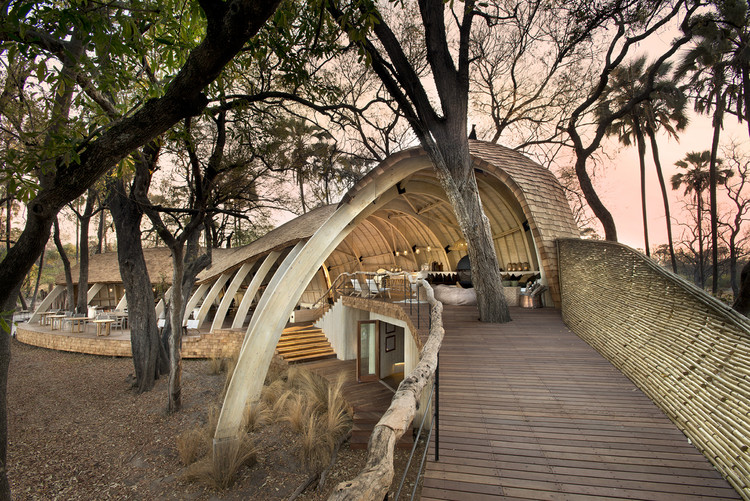
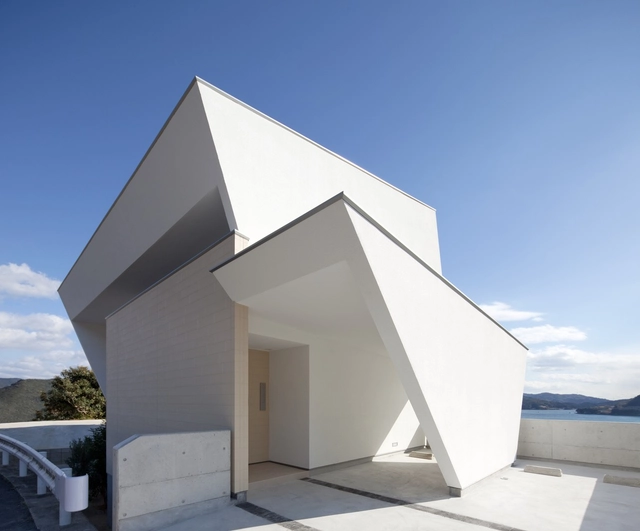
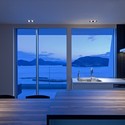
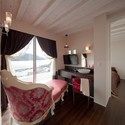
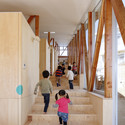
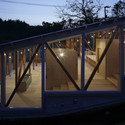
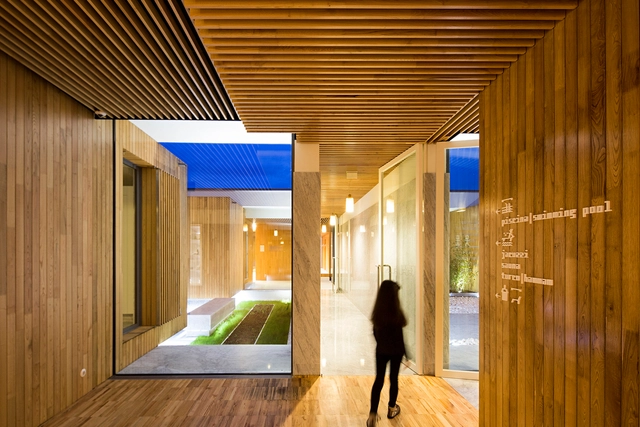
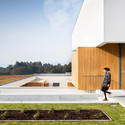
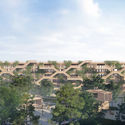
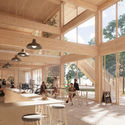
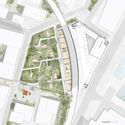
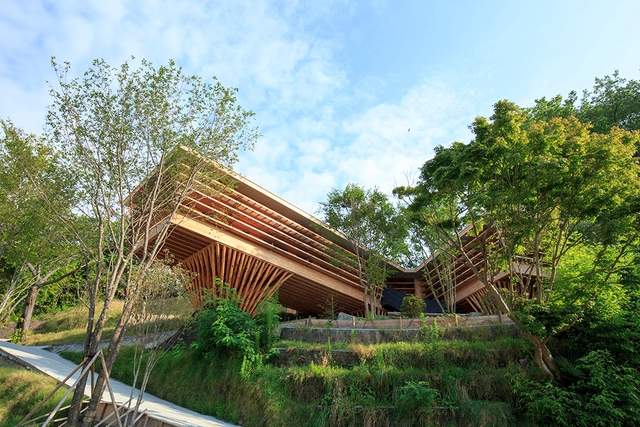
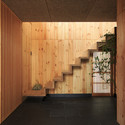
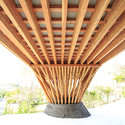
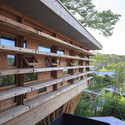
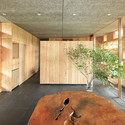
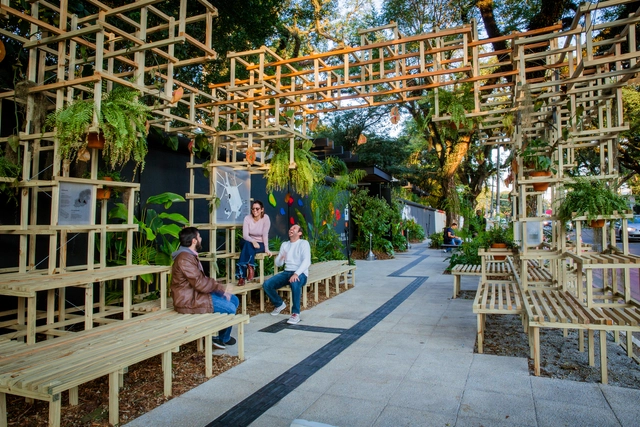
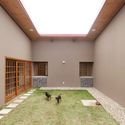
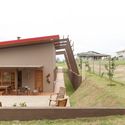
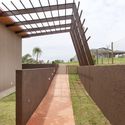
Occupying a substantial chunk of South America's central western landmass, Peru is a treasure trove of both landscapes and natural resources. Within its three regions--coastal, mountain, and rain forest--there is little variation in summer and winter temperatures and, except for its high mountain areas, its climate stays between tropical and subtropical. Thanks to the lack of weather extremes, outdoor activities--and the spaces in which to do them--are a principal factor in designing homes and other buildings. Pergolas and other semi-coverings make it possible to create or expand shaded areas, allowing you to enjoy the outdoors in the comfort of your home.
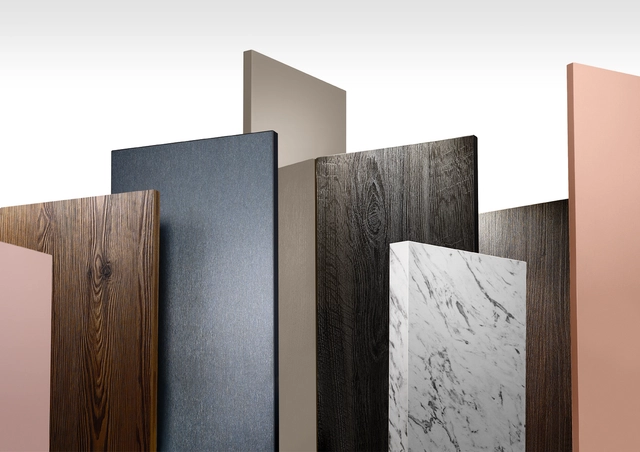
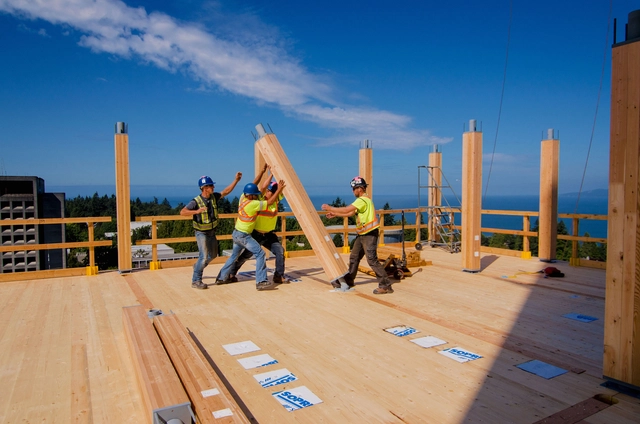
Every working day presents new challenges for architects, fabricators and distributors. The key to success in the building industries is the optimum and timely implementation of projects and the satisfaction of clients and customers. Versatile, easy to work with materials like wood can streamline the process without sacrificing design or options. Wood, in addition to being a structural material, can also be utilized in the form of wooden composite boards and wood-based products. EGGER is a company with a history of producing multiple different types of wood products with unique purposes and applications within a design.
The history of timber construction stretches back as far as the Neolithic period, or potentially even earlier, when humans first began using wood to build shelters from the elements. The appearance of the first polished stone tools, such as knives and axes, then made wood handling more efficient and precise, increasing the thickness of wood sections and their resistance. Over the decades, the rustic appearance of these early constructions became increasingly orthogonal and clean, as a result of standardization, mass production, and the emergence of new styles and aesthetics.
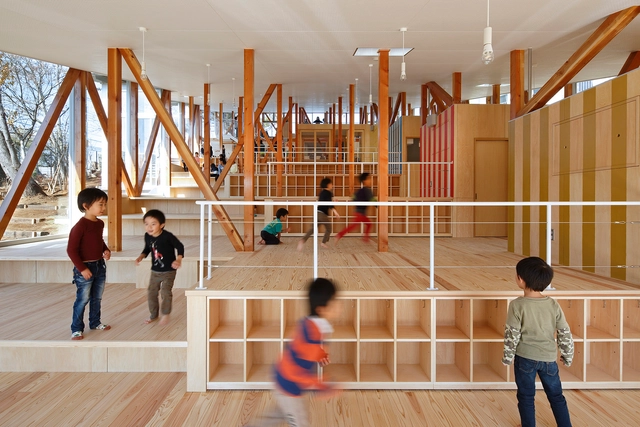
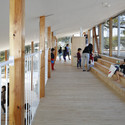
Today we are experiencing another seminal moment within the evolution of timber. Nourished and strengthened by technological advances, new prefabrication systems, and a series of processes that increase its sustainability, safety, and efficiency, timber structures are popping up in the skylines of cities and in turn, is reconnecting our interior spaces with nature through the warmth, texture, and beauty of wood. Where will this path lead us? Below, we review 7 trends that suggest this progress is only set to continue, increasing both the capabilities and height of timber buildings in the years to come.
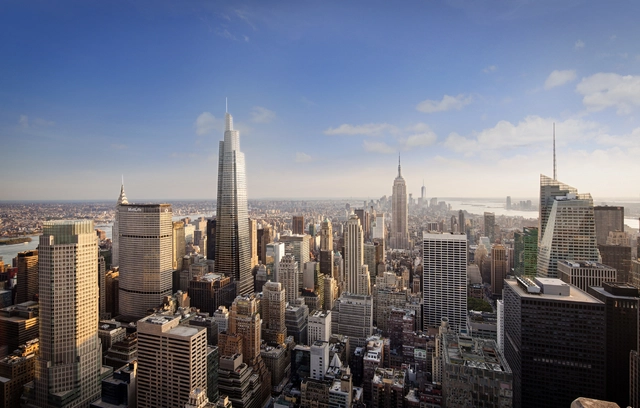
Last April, Mayor Bill de Blasio of New York announced plans to introduce a bill that would ban the construction of new all-glass buildings. Part of a larger effort to reduce citywide greenhouse emissions by 30 percent, other initiatives included using clean energy to power city operations, mandatory organics recycling, and reducing single-use plastic and processed meat purchases. The announcement came on the heels of the city council passing the Climate Mobilization Act, a sweeping response to the Paris Climate Agreement that included required green roofs on new constructions and emissions reductions on existing buildings.
https://www.archdaily.com/931309/de-blasios-glass-skyscraper-ban-could-mass-timber-and-transparent-concrete-take-its-placeLilly Cao
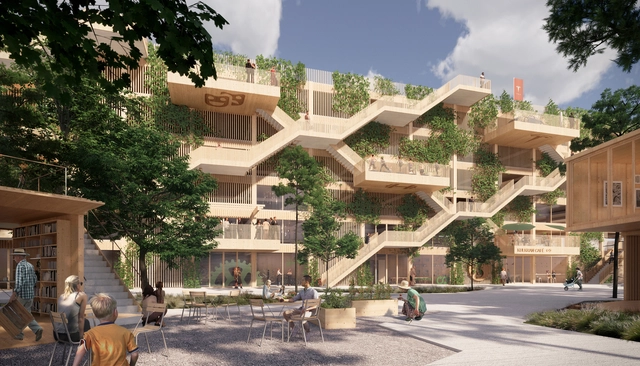
Open Platform (OP) and JAJA Architects, together with Rama Studio and Søren Jensen Engineers, have won the open competition for a new parking house in Aarhus. In line with Denmark’s vision of becoming climate neutral by 2050, the structure will be the country’s first wooden parking house.
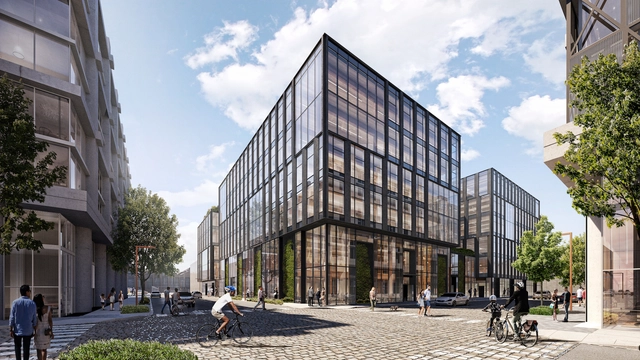
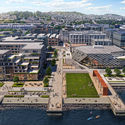
Pier 70. Image Courtesy of Brookfield Properties and Design Distill
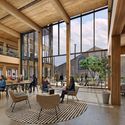
Hacker Architects have unveiled new images showcasing plans to build the largest mass timber office building in North America. Working in collaboration Quezada Architecture for Brookfield Properties, the project is designed to be part of a 28-acre Pier 70 waterfront development at a historic shipyard property in San Francisco. The mass timber building is designed as a gateway structure with views of downtown, the bay, and nearby hills.