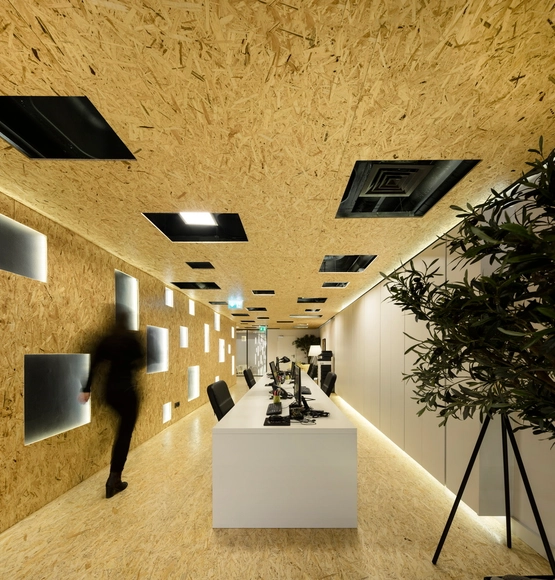
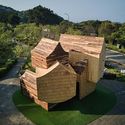
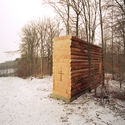
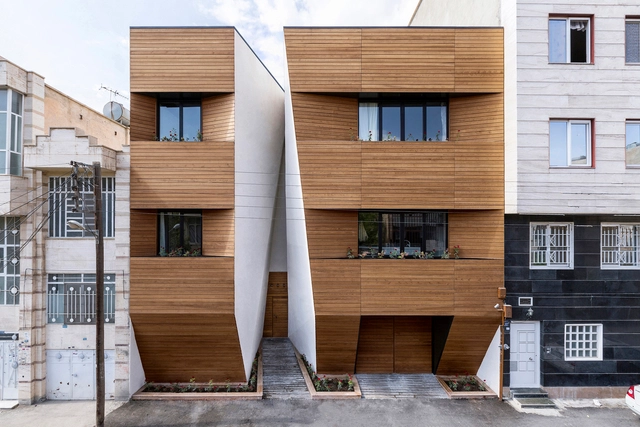
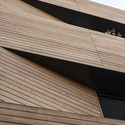
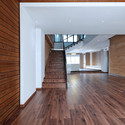
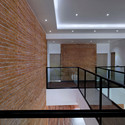
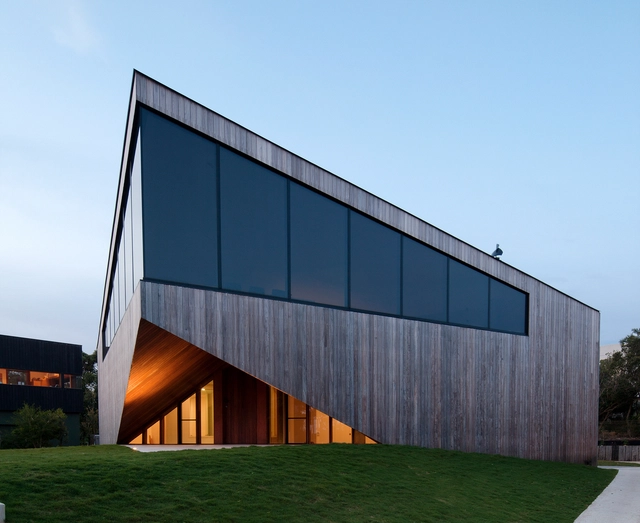
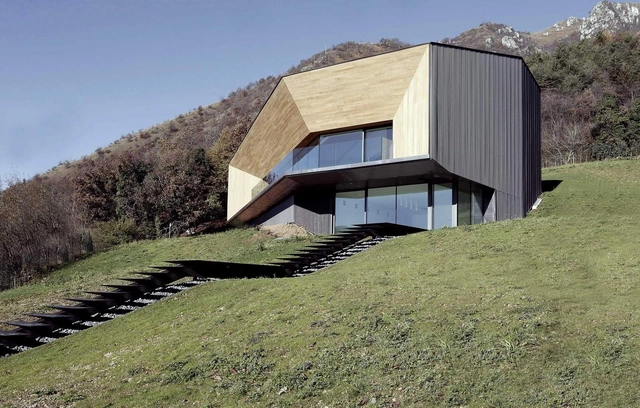
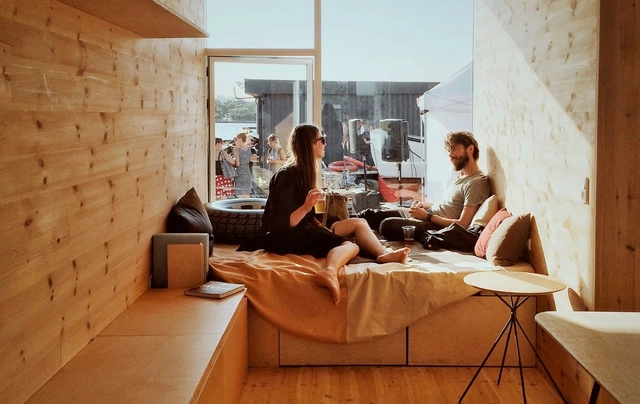
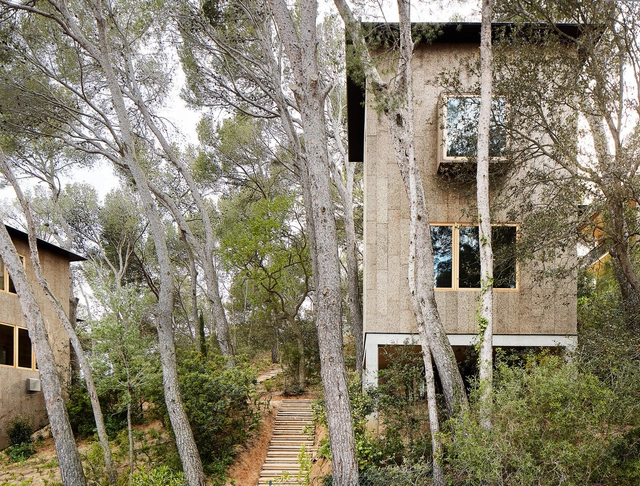
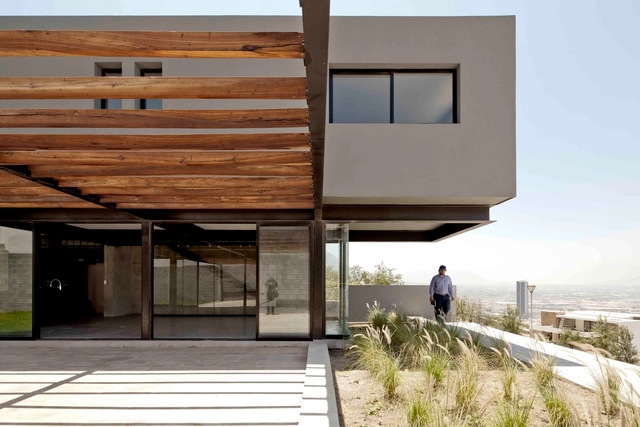
OSB (Oriented Strand Board) can be easily recognized for its distinctive appearance. This material consists of cross-oriented layers of wood strands compressed and bonded together with resin, applied under high pressure and temperature. As a result, the standardized panels have great stiffness, strength, and stability, and are often used as wall cladding attached to the steel frame of a building or as partitions. Also, they have good soundproofing capabilities, since the panels are uniform and have no internal gaps or voids. It is also worth mentioning that OSB can be fully recycled, thereby being considered eco-friendly.
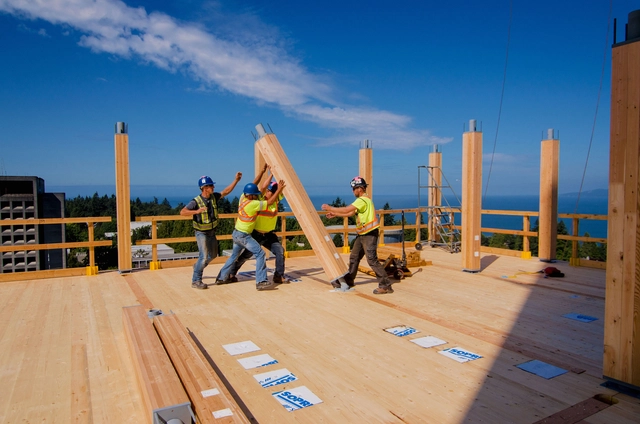
The world of architecture and construction has observed, with increasing attention, technological innovations involving wood. Although it is a material that has been widely used for thousands of years, recent research involving industrial manufacturing and machining technologies has provided even greater quality control and an increased diversity of uses, causing it to be described by many as the material of the future. To this end, common myths including wood's lack of resistance to fire and the implausibility of using it to structure tall buildings have been debunked.
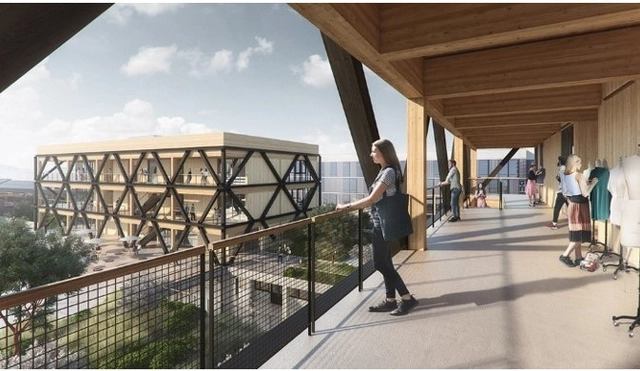
In California, the Governor’s Forest Management Task Force and the Office of Planning and Research announced the winners of their first-ever competition designed to highlight a category of engineered wood products known as mass timber. As the need for forest, wildfire, climate, and housing solutions grows, California is moving to expand the use of these innovative wood products, which have the potential to sequester carbon, drive healthy forest management, and increase affordable housing in California.
Every so often, the field of architecture is presented with what is hailed as the next “miracle building material.” Concrete enabled the expansion of the Roman Empire, steel densified cities to previously unthinkable heights, and plastic reconstituted the architectural interior and the building economy along with it.
But it would be reasonable to question why and how, in the 21st century, timber was accorded a miracle status on the tail-end of a timeline several millennia-long. Though its rough-hewn surface and the puzzle-like assembly it engenders might seem antithetical to the current global demand for exponential building development, it is timber’s durability, renewability, and capacity for sequestering carbon—rather than release it—that inspires the building industry to heavily invest in its future.
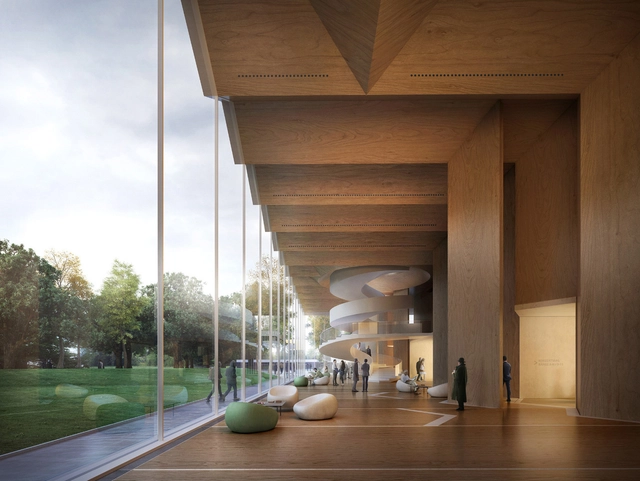
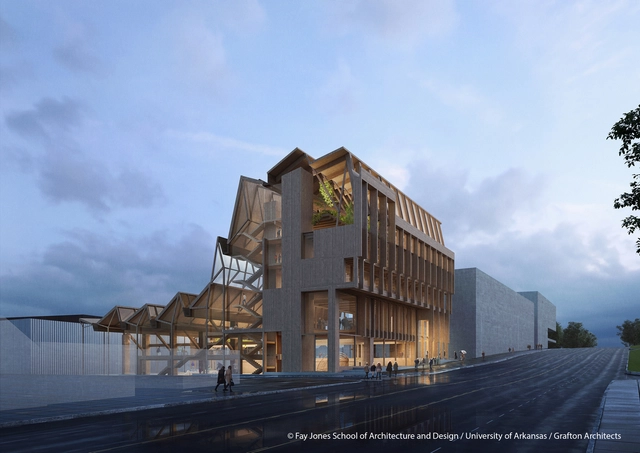
Courtesy of Fay Jones School of Architecture and Design, University of Arkansas / Grafton Architects
Grafton Architects was selected as the winning firm to design the Anthony Timberlands Center for Design and Materials Innovation at the University of Arkansas. In collaboration with Modus Studio for the planned campus design research center, the design on the project is scheduled to begin this summer.
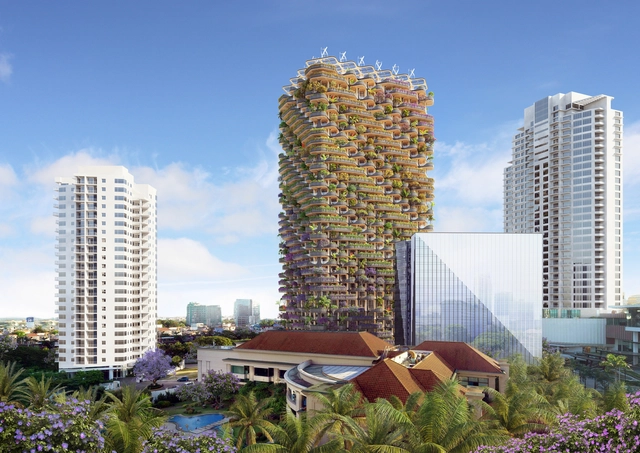
Vincent Callebaut Architectures has imagined The Rainbow Tree, a modular mass timber condominium tower in Cebu City, Philippines. Revealing the cultural and natural Filipino heritage, the project, named after an iconic and colorful tree from the Philippines the Rainbow Eucalyptus, was entirely conceived in a way to reduce the carbon footprint of the building.
It may sound like a silly rhyme, but it’s true: wood is good. As a construction material, wood is beautiful, practical, and versatile. The great strength, light weight, and excellent insulating properties of wood make it ideal for many applications, especially at a time when timber is delivering efficient solutions at different scales. Despite these benefits, wood is highly susceptible to decay, especially when used outdoors.
Videos
CPH Shelter. Image Courtesy of CPH Containers
In this short video, Jens Thomas Arnfred and Søren Nielsen from the Danish office Vandkunsten Architects talk about wood and the many reasons why it makes for such excellent building material. The two architects discuss the sustainability advantages of using timber and reflect on its influence on our senses and mind, on our feeling of wellbeing.
The history etched into Spain's wooden houses has many lessons to teach us about the role of wood in creating everything from light-weight and mobile modular homes to interior and exterior finishes. What's more, these lessons are not limited to new constructions. They apply to everything from furniture to remodels.
The global climate crisis is not only forcing us to rethink architectural design and the way we live, but also the materials and products that shape our built environment, starting from its origins and manufacture. Toward this end, wood has become an efficient alternative to steel and concrete – materials with high levels of embodied energy – and has led to some important architectural innovations that may culminate in its more widespread use worldwide.
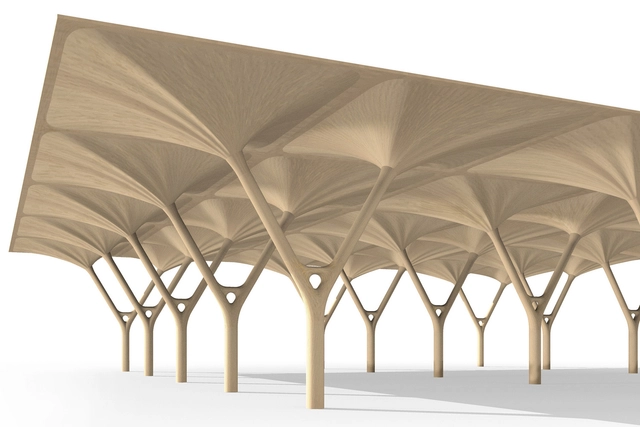
Inspired by the efficiency of nature, Strong By Form has developed Woodflow, a technology that generates wood panels of high structural performance, "combining the optimization of their shape, the orientation of their fibers in relation to the direction of stressors, and the variation in their density for better compression or traction," as explained by its creators. In addition, all of their products are developed in a controlled process through parametric software, integrated into BIM platforms and CNC manufacturing systems.
We talked with Jorge Christie, CTO of Strong By Form, to learn more about this new technology.
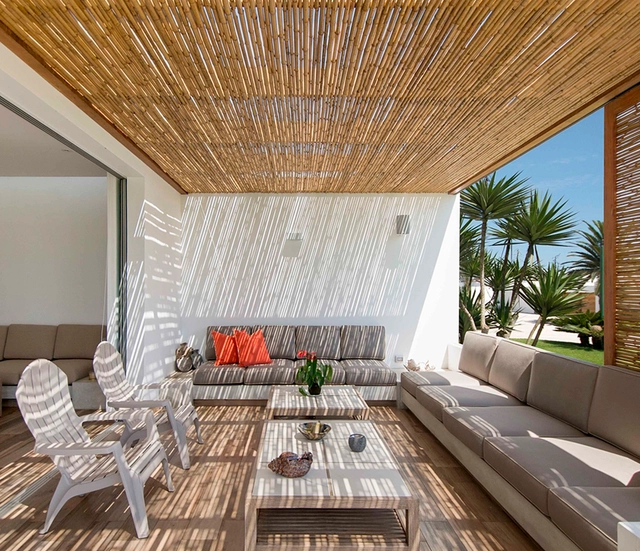
Occupying a substantial chunk of South America's central western landmass, Peru is a treasure trove of both landscapes and natural resources. Within its three regions--coastal, mountain, and rain forest--there is little variation in summer and winter temperatures and, except for its high mountain areas, its climate stays between tropical and subtropical. Thanks to the lack of weather extremes, outdoor activities--and the spaces in which to do them--are a principal factor in designing homes and other buildings. Pergolas and other semi-coverings make it possible to create or expand shaded areas, allowing you to enjoy the outdoors in the comfort of your home.
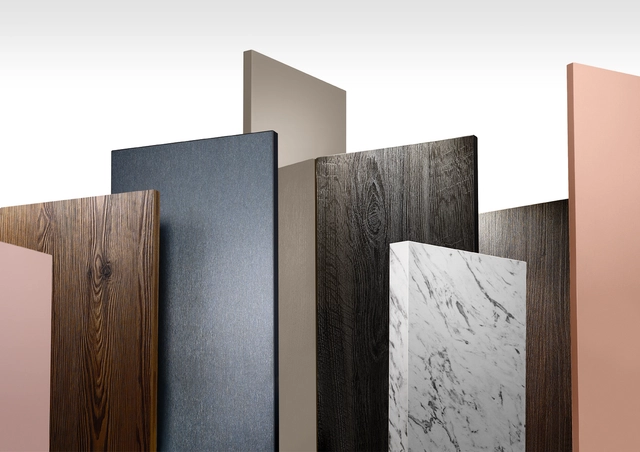
Every working day presents new challenges for architects, fabricators and distributors. The key to success in the building industries is the optimum and timely implementation of projects and the satisfaction of clients and customers. Versatile, easy to work with materials like wood can streamline the process without sacrificing design or options. Wood, in addition to being a structural material, can also be utilized in the form of wooden composite boards and wood-based products. EGGER is a company with a history of producing multiple different types of wood products with unique purposes and applications within a design.
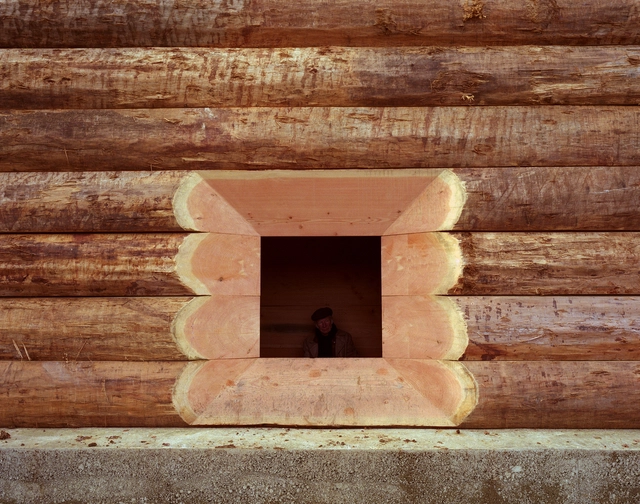
The history of timber construction stretches back as far as the Neolithic period, or potentially even earlier, when humans first began using wood to build shelters from the elements. The appearance of the first polished stone tools, such as knives and axes, then made wood handling more efficient and precise, increasing the thickness of wood sections and their resistance. Over the decades, the rustic appearance of these early constructions became increasingly orthogonal and clean, as a result of standardization, mass production, and the emergence of new styles and aesthetics.
Today we are experiencing another seminal moment within the evolution of timber. Nourished and strengthened by technological advances, new prefabrication systems, and a series of processes that increase its sustainability, safety, and efficiency, timber structures are popping up in the skylines of cities and in turn, is reconnecting our interior spaces with nature through the warmth, texture, and beauty of wood. Where will this path lead us? Below, we review 7 trends that suggest this progress is only set to continue, increasing both the capabilities and height of timber buildings in the years to come.