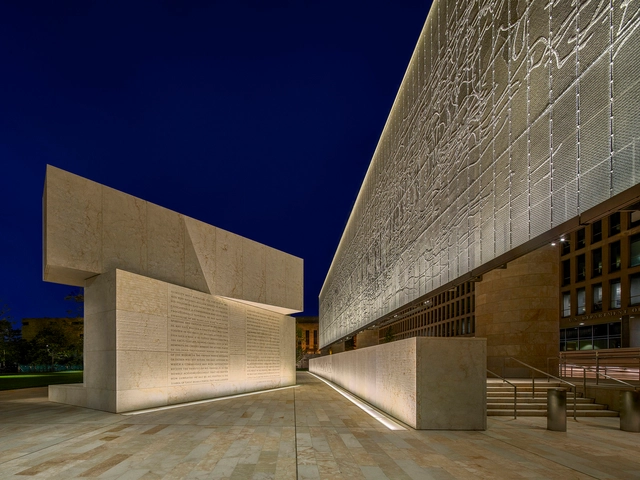
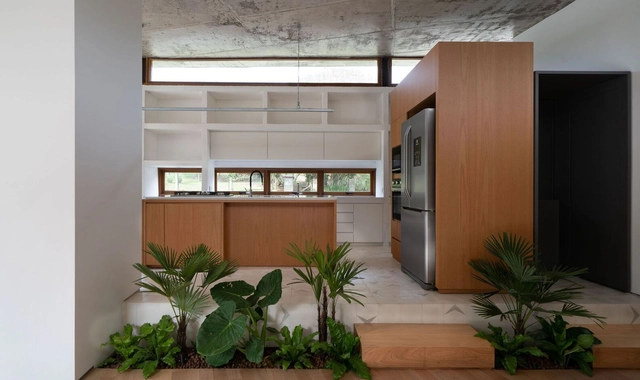
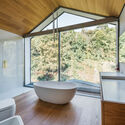
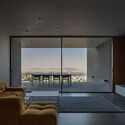
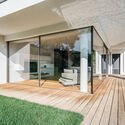
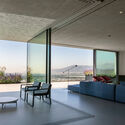
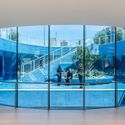
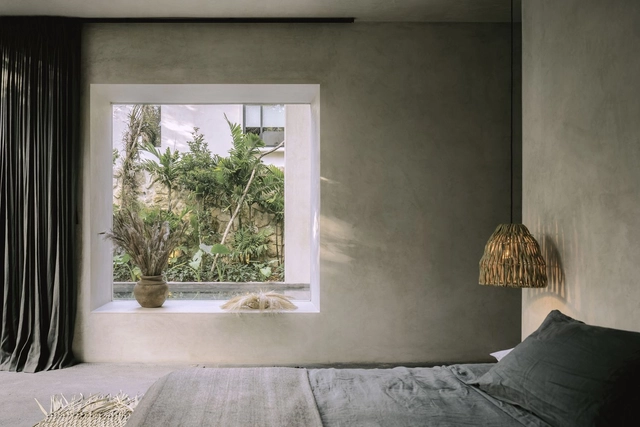
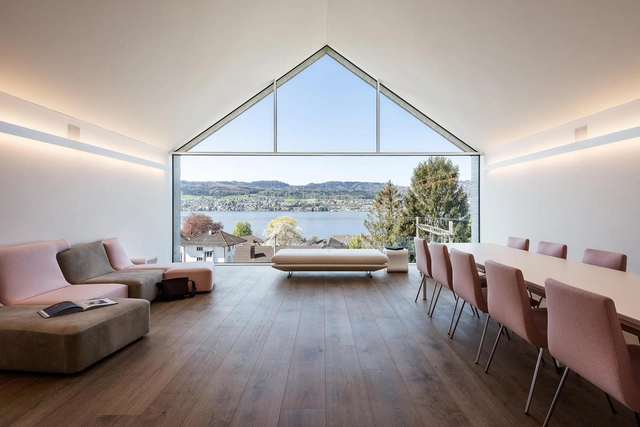
Imagine if light would not only provide optimum visibility for tasks but convey meanings as well. Standards with recommended lux levels for various visual tasks have led to a quantitative understanding of lighting. However, lighting can also be used to contribute to emotion in rooms and to structure architecture. Would it be adequate to regard lighting as language sent by architects or interior designers and being received by inhabitants and citizens? Adding a semiotic perspective can help to recognize how light and shadow contributes to the meaning of the built environment.
The world's oldest stained glass window (which is still standing) is conventionally believed to be in Augsburg Cathedral in the German state of Bavaria. Depicting the prophets David, Jonah, Daniel, Moses and Hosea, it is estimated to be nearly 1,000 years old, having undergone significant bombing during World War II. Long before that, however, mankind had been working with glass, and while today we have thin frames with crystalline sheets and a variety of properties, we had to come a long way to get here. In this article we will tell you a little about the evolution of glass windows and the technologies and possibilities that we have today.
An indispensable item, windows are fundamental to bringing more comfort to a room. Besides the desired connection between the interior and exterior, it is through their openings that it is possible to provide natural lighting and ventilation to the rooms.
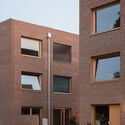
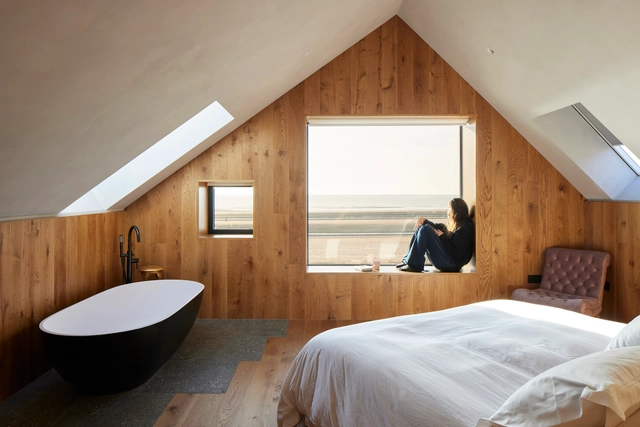
When children first learn to draw a house, there are four basic components they illustrate: a wall, a pitched roof, a door and one or more windows. Along with the common structural elements, windows have always been considered to be indispensable architectural features for their multiple functions. While providing views, daylight and natural ventilation, these insulate from cold and heat, protect from external threats and enhance a facade’s appearance. They are also associated with a strong poetic or symbolic value; it is through them that we are able to connect with and enjoy our surroundings, be it a beautiful natural landscape or a dense urban environment. An expressive part of any building, windows serve as a visual bridge between the inside and outside, acting somewhat as a refreshing escape from our everyday routine.
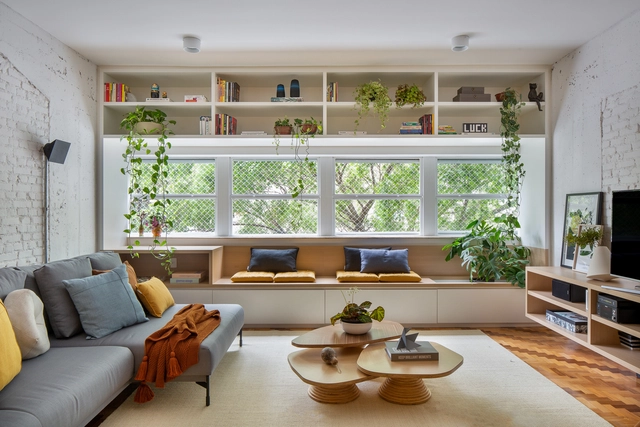
Usually, a window is an exterior opening that provides lighting and ventilation to the interior of a building. This connection with the context, added to appropriate lighting, makes it fundamental in the house. It is possible to improve your design so that it has different uses. Therefore, we have compiled some tips on how to take advantage of the sill to assign new functions to a room.
Windows serve multiple essential functions in any project, from framing views to providing daylight and natural ventilation. As human needs have shifted and technology has advanced significantly throughout the years, these have evolved in character, shape, and use of materials. What began as small arrow loops used for defense in medieval fortifications later transformed into wider openings that exemplified status and wealth. The Romans were the first to use glass, but it was considered a precious commodity for centuries. Intricate stained-glass panels adorned countless of medieval churches and cathedrals, while most home dwellers had to settle for covering their “windows” with wood, fur and other materials.
Windows and doors dictate the relationship between interiors and exteriors in buildings, helping to either integrate or separate them. They are also important components in architecture that can add to a façade's composition, balance and rhythm, while fulfilling its main function: to protect the interiors and serve as a barrier to the weather. While the first windows were composed of reduced spans and small glass panes with heavy frames, today there are almost invisible options that easily adapt to any type of project. It is up to the designers to choose among the various possibilities of materials, operations, colors and finishes.
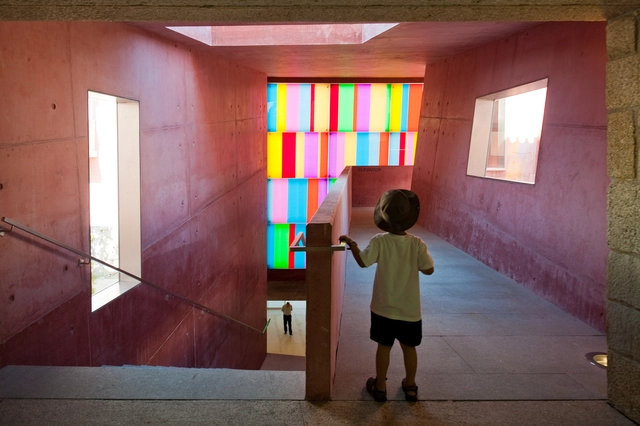
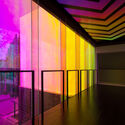
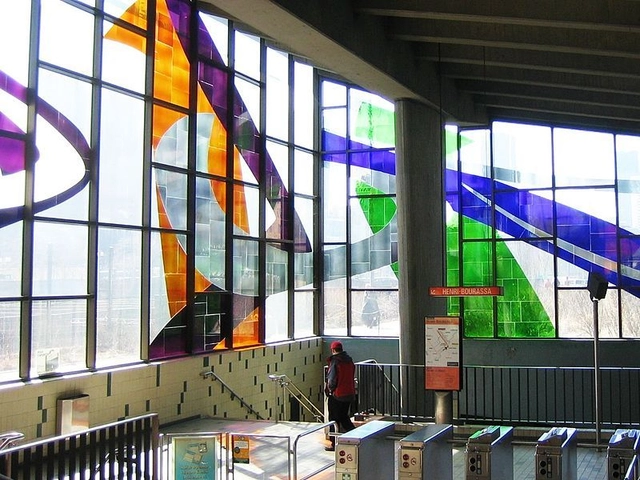
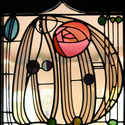
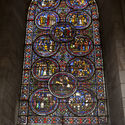
Used by artisans across the globe for thousands of years, colored glass is one of the oldest art forms. Its origins date back as early as the 7th century, when stained windows began adorning churches, cathedrals and convents – often representing religious symbols and Biblical stories. These expanded to Islamic mosques and palaces during the 8th century, and by the Middle Ages could be found in countless churches across Europe. The intricate glass work reached maximum splendor in the monumental buildings of the Gothic period, resulting in giant, elaborate windows with extremely complex figures, patterns and geometries. However, gone are the days when this was reserved exclusively for prominent places of worship or ancient structures. Hand in hand with innovative production methods and new technologies, colored glass has made a comeback in contemporary architecture, enhancing countless buildings with its bold, lively hues.
Windows are usually one of the most striking elements on a building and can be completely transformed depending on how they are detailed and installed. However, with the increased consciousness on thermal insulation, the detailing of windows and their installation has become progressively more complicated.
Below we will explore a typical masonry cavity wall, the different elements required to install a modern window and how these all come together on site.
Don't miss out on the opportunity to download the comprehensive Window Detailing Guide PDF complete with full CAD details from the Detail Library.
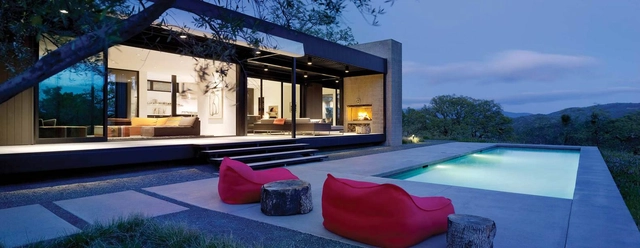
Sanctuary House / Tai Ikegami. Image Cortesia de Western Window Systems
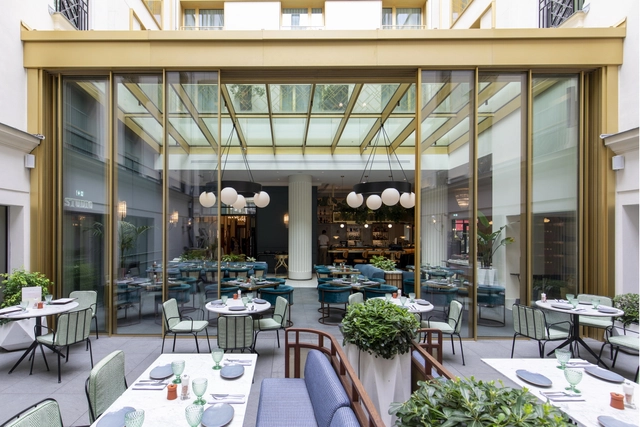
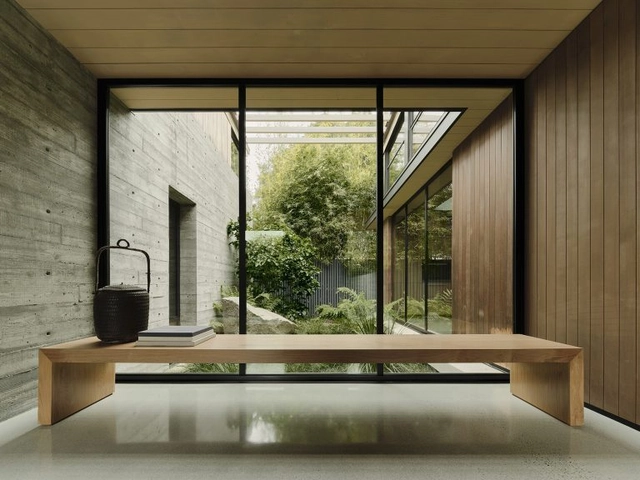
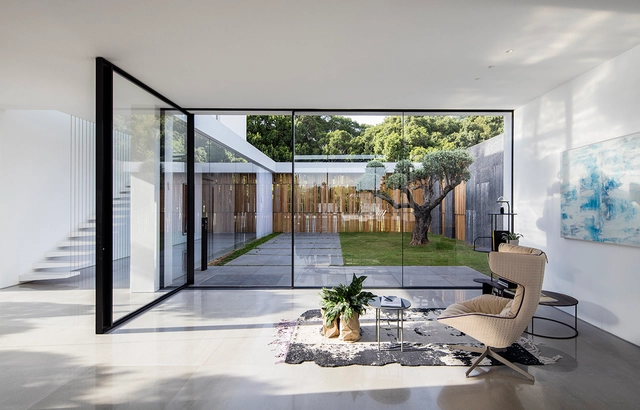
Interior courtyards can be found in various types of traditional architectures around the world, especially in warmer climates. They can be classified as introverted, safe, and even sacred spaces in some cultures. They can also be gathering places and, above all, provide greater contact with nature while providing light and ventilation to home interiors. To properly design these spaces and create a functional relationship between the inside of a house and its courtyard, it is important to use appropriate doors and openings. In this article we highlight 5 projects that use sliding glass doors for the seamless integration of both spaces.
Marmol Radziner Gem. Image Courtesy of Western Window Systems
The benefits of prefabrication are by now well-documented: prefabricated construction is cheaper, faster, better for the environment, and more consistent than traditional forms of architectural construction. At the same time, it can be used for a wide range of unique designs, calculated to meet a client’s specific needs. To take advantage of these many benefits, however, the prefabrication systems and products themselves must meet a certain standard of quality and flexibility.
Below, we consider five architectural projects using custom glass windows and doors by Western Window Systems, each designed to maximize utility for prefabricated and modular construction logics. Beyond their suitability for prefabricated construction, these products also maximize views, aesthetics, and functionality, blurring the line between indoor and outdoor living.
https://www.archdaily.com/963662/glass-windows-and-doors-in-5-prefabricated-projectsLilly Cao
In terms of architectural enhancement, stained glass is often pieced together in order to produce depictions of decorative art, allowing light to filter and penetrate a particular structure or building. As a component it is both decorative and a variety of window, allowing a substantial and sufficient amount of light into a space, for atmospheric and beneficial effect.
At the touch of a button, the entire window front magically sinks into the ground, merging the interior with the exterior. This is the effect of the air-lux descending window, which acts not just as a glass front, but a highlight all year round that blends the indoors with the outdoors. So much so, that the descending window was awarded the German Design Award 2020 in the category "Excellent Product Design - Building and Elements".
Like a beautiful painting, windows showcase interiors and frame landscapes that connect users to the outside world, directing our eyes to what really matters. But besides framing views and facilitating visual communication, windows serve multiple essential functions that make them vital components in any project. They illuminate homes with sunrays, provide natural ventilation, filter light, insulate from cold and heat, block water and ensure protection. As most design professionals would agree, glazing also plays a crucial aesthetic role; its materials, style and dimensions certainly make a significant difference in the appearance of facades and spaces.
Windows are the elements that connect us to the outside world. It is from them that views are framed, privacy, lighting and natural ventilation are defined. Nowadays in the construction market we find different types of openings. Find out how to choose the type that best fits your project needs here.
We love to fill our houses with wonderful creative decoration that brings us pleasure every time we enter a room. It’s these decorative features that transform a house into a home. But for those houses lucky enough to be surrounded by captivating landscapes, why shut out all that natural decoration only to replace it with interior imitations?
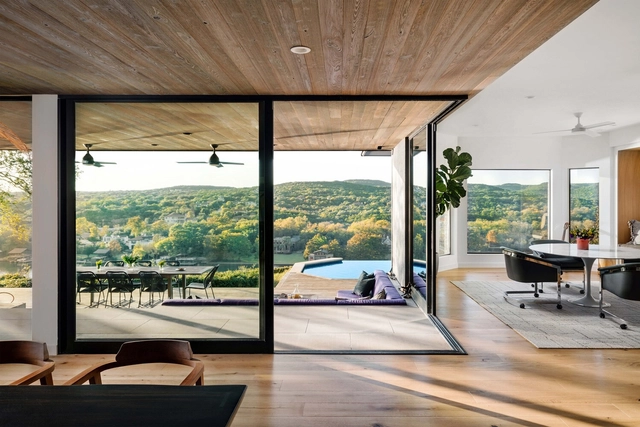
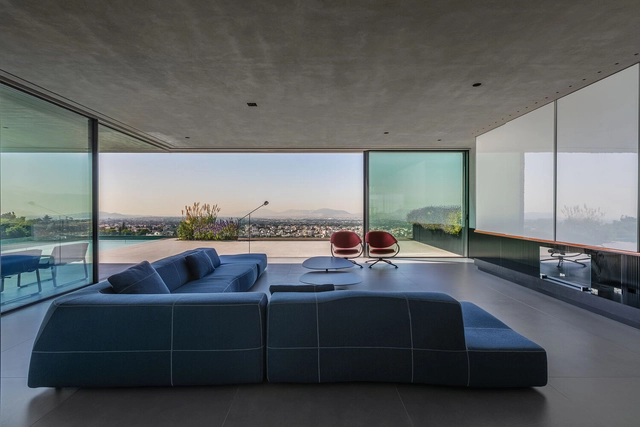
Using either glass partitions or ground-flush, floor-to-ceiling sliding glass panels, by inviting the environment in, specifiers can connect interior and exterior spaces for a deeper connection with nature, allowing the local landscape itself to become the largest interior in the home. Here is a selection of residential projects that use the latest innovations in sliding windows to form a relationship with the surrounding landscape:
Transcendentalist philosophers have long shared the idea that humans and nature are equal forces that should coexist in harmony. The notion has since expanded to the architecture world, with Frank Lloyd Wright shedding light on the term “organic architecture” as early as the 1900s. In recent years, driven by an increased interest in living closer to nature, architects continue to delve into the concept of integrating interior and exterior, blurring out visual and physical boundaries to bring landscapes indoors.
In Sky-Frame’s latest film, part of the series “My point of view”, a conversation with architect Dara Huang explores this notion, questioning how architecture can merge nature, sustainability and lifestyle within its form, without relying on more technology or materials to do so.
Sky-Frame Swiss-made frameless windows and sliding doors continue to revolutionize the transition between indoors and outdoors, by providing unbounded spatial experiences with spectacular vistas.