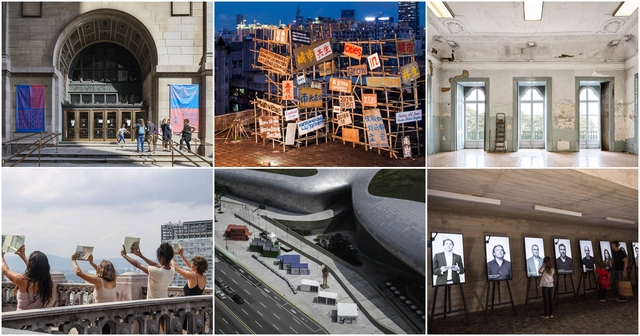
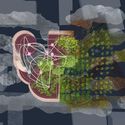
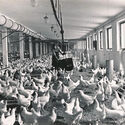
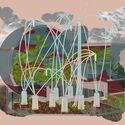
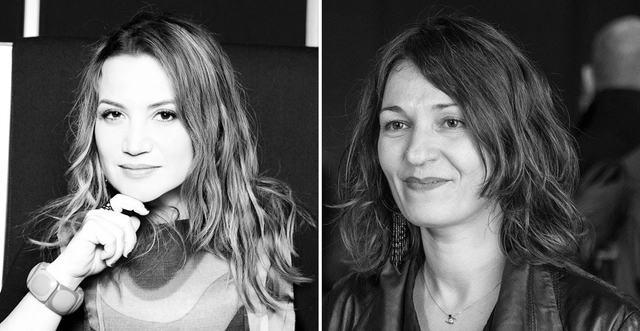
Tallinn Architecture Biennale (TAB 2022) announced the programme for its 6th edition that brings forward circularity in architecture. Under the theme "Edible; Or, The Architecture of Metabolism", this year's edition explores "architectural strategies for local production and self-sufficiency" and highlights ways of reusing waste resulting from urban environments. Curated by Lydia Kallipoliti and Areti Markopoulou, in collaboration with local advisor Ivan Sergejev and assistant curator Sonia Sobrino Ralston, TAB 2022 reflects on the possibilities that natural metabolical processes can bring to cities and buildings when transferred to the domain of architecture.
Over the past year, NFTs have entered the realm of architecture, prompting conversations over the role of the profession in the future digital economy. From the design of digital real-estate to exhibitions and architecture events exploring its value for the practice and established architecture firms embracing the new medium, NFTs have been embraced by the profession as the promise of a new form of creative production. Discover a round-up of architecture's experiments with NFTs so far, together with a series of Archdaily articles shedding light on the topic.
The 2021 Venice Architecture Biennale closed less than a month ago, leaving architects pondering the takeaways of this edition and anticipating the next. The pandemic disrupted the usual cycle of biennials and triennials, as most of the events of 2020 and even some of the ones of 2021 were postponed; nonetheless, next year promises a full calendar of exciting opportunities for knowledge sharing and inquiry. The following are some of the most important architecture events to look forward to in 2022.
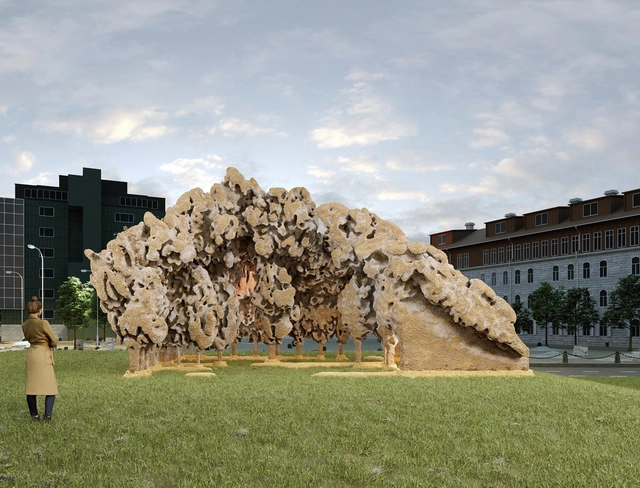
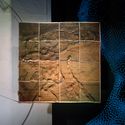
Australian duo Simulaa and Natalie Alima have won the competition for the 2022 Tallinn Architecture Biennale in Estonia with an installation made of mushrooms. Titled Burlasite, the structure's base will employ 3D printing technology that will be taken over by mycelia over time. The proposal highlights repurposing and reusing local materials, and how humans can create sustainable designs with invention and environmental adaptation. The Tallinn Architecture Biennale will open to the public on September 7th, 2022, and the installation will be on display until 2024 in front of the Museum of Estonian Architecture.
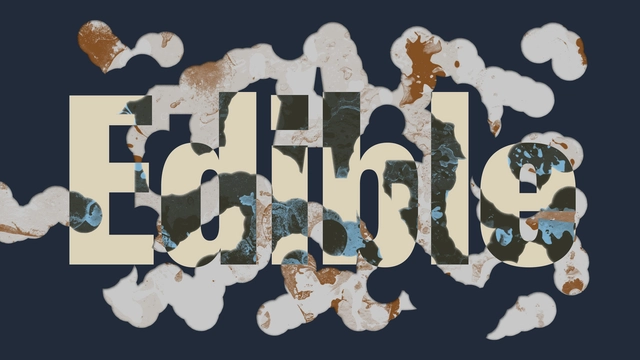
The Estonian Centre for Architecture has announced “Edible. Or, the Architecture of Metabolism” as the topic for the next Tallinn Architecture Biennale 2022 (TAB 2022), while the selected head curators are architects Lydia Kallipoliti and Areti Markopoulou in collaboration with co-curator Ivan Sergejev.
Image from Estonian Centre for Architecture. Image Courtesy of Tallinn Architecture Biennale
The Estonian Centre for Architecture has announced its shortlist of candidates for the sixth international Tallinn Architecture Biennale TAB 2022. The aim of the Curatorial Competition is to find an innovative and responsive theme related to the context of Estonia and relevant to the contemporary world of architecture. The 6th edition was postponed due to the uncertain times that international cultural events are facing because of the coronavirus outbreak.
Next year’s Tallinn Architecture Biennale (TAB) has been postponed until 2022. Announced by the Estonian Centre for Architecture, the 6th edition has been adjourned “due to the postponement of the Venice Architecture Biennale as well as the uncertain times that international cultural events are facing because of the coronavirus outbreak”.
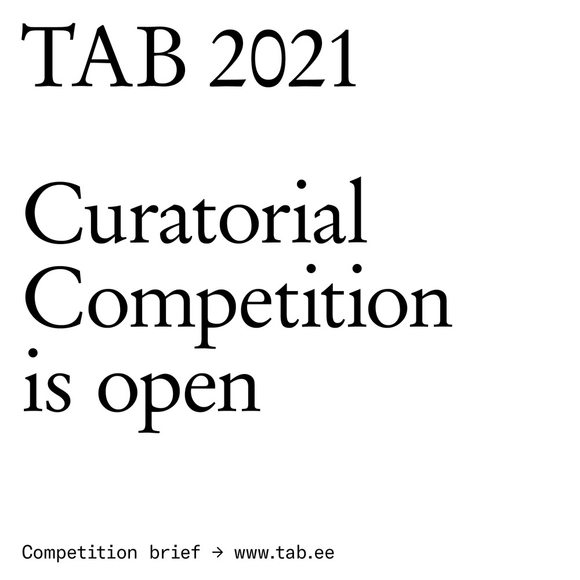
Estonian Centre for Architecture announces the curatorial competition for the 6th international Tallinn Architecture Biennale (TAB) 2021. Tallinn Architecture Biennale (TAB) is an international architecture festival which addresses relevant issues in architecture and delves into the present and the future of the field. TAB is intended for both experienced and young architects as well as members of the general public interested in architecture.
AD front cover: design by CHK Design:Christian Küsters, and Barbara Nassisi, based on the image of brain activity that correlates with the experience of beauty. Copyrights Haydenbird/Getty Images. The TAB 2019 book designed by the Estonian Graphic designers Studio Studio.
This event celebrates two new complementary publications: the AD issue Beauty Matters and the book about the Tallinn Architecture Biennale (TAB) 2019, on the same topic. Both take an interdisciplinary approach to the re-emerging interest in beauty across neuroscience, neuroesthetics, mathematics, philosophy and architecture. Each publication contains a different content by a different set of contributors.
Opened in the middle of September, Tallinn Architecture Biennale 2019 (TAB 2019) explores its theme "Beauty Matters" through all possible architectural means. Wood and textiles, 3D-printed structures and VR are only a few components of the main exhibition of the biennial, curated by Tel Aviv-born, London-based architect Yael Reisner.
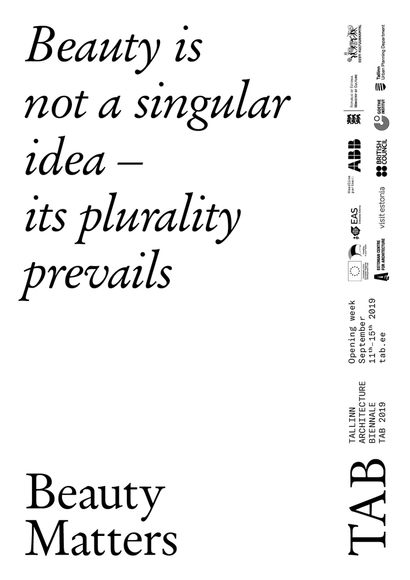
Tallinn Architecture Biennale (TAB) is the regions biggest architecture and urban planning festival engaging the public and the profession in the conversation around architecture and our city. The 5th installment of TAB is titled “Beauty Matters: The Resurgence of Beauty” and is curated by Dr. Yael Reisner. TAB 2019 Opening Week takes place in 11.–15.09.2019.
The 5thTallinn Architecture Biennale (TAB 2019), will open its doors on September 11th, 2019 in multiple venues in the heart of Tallinn, with a vast program conceived to foster dialogue, multidisciplinarity, and experimentation. Dedicated to the theme “Beauty Matters”, the international architecture festival organized by the Estonian Centre for Architecture is curated by Dr. Yael Reisner. The event, supported by the Headline Partner ABB, celebrates the aesthetic experience in architecture, following almost 80 years of cultural bias.
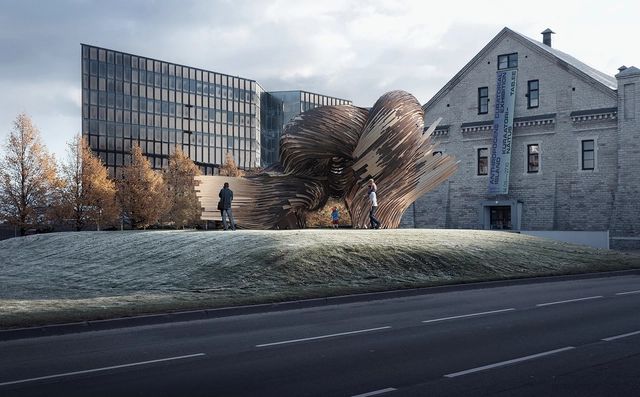
The winner of the Installation Program “Huts and Habitats”: Steampunk, designed by Soomeen Hahm Design, Igor Pantic, and Fologram. Image Courtesy of Tallinn Architecture Biennale
TAB 2019, Tallinn’s 5th Architecture Biennale, will commence with its Opening Week from September 5-11, 2019. Earlier this week, the Biennale announced its programme of events for this year’s festival, which bears the theme “Beauty Matters: The Resurgence of Beauty”. TAB is an international celebration of architecture, organized by the Estonian Centre for Architecture and curated this year by Head Curator Dr. Yael Reisner. The Biennale consists of five main events, to take place in various venues in the heart of Tallinn, as well as a Satellite Programme hosting other events around the city.
The curatorial team of the fifth edition of the Tallinn Architecture Biennial (TAB), for which ArchDaily is a proud partner, has announced the winner of their installation program “Huts and Habitats”. The winning proposal, Steampunk, designed by SoomeenHahm Design, Igor Pantic and Fologram (UK), was chosen from a shortlist of more than 137 international submissions.
https://www.archdaily.com/912436/tallinn-architecture-biennial-announces-winner-of-installation-program-huts-and-habitatsKatherine Allen
Venice captured all architects' hearts and minds last year, but 2019 —a Venice-less year— will be still a year full of biennials and festivals around the world (many of which we're proud to be official partners of). The excitement is already building.
From Chicago's new approaches to the traditional practices to Shenzhen's future technology prospect; from Oslo's degrowth agenda to Brazil's focus on everyday architecture, it's time to start saving dates for the following biennials around the world!
The Tallinn Architecture Biennale 2019, which Opening Week takes place from September 11-15 2019 announces Open Call for International Architecture Schools‘ Exhibition ‘‘Terribly Beautiful‘‘ that is part of TAB 2019 Main Programme and targets current students, practicing architects and everyone else who has ever studied in architecture school.
Videos
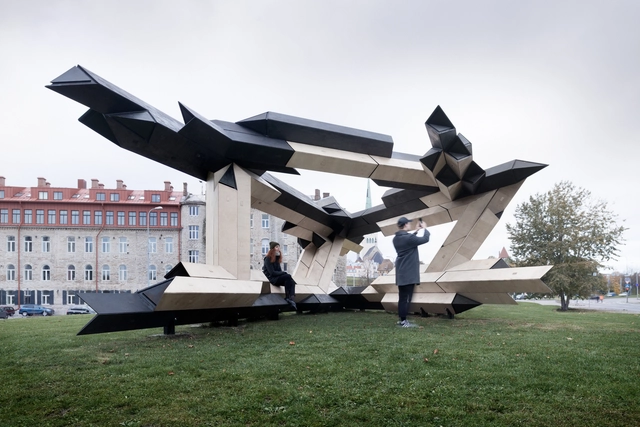
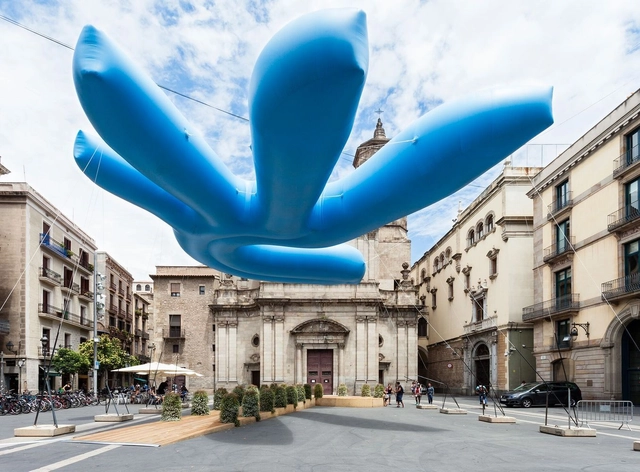
TAB 2017 Installation by Gilles Retsin_Photo by Tõnu Tunnel
TAB 2019 Installation Programme Competition “Huts and Habitats” invites participants to design an experimental wooden installation in the heart of Tallinn








.jpg?1590479205&format=webp&width=640&height=580)
.jpg?1590479740 "TAB 2019 \"Beauty Matters\", Head Curator Yael Reisner. Image © Tõnu Tunnel")
.jpg?1590479729 "TAB 2019 \"Beauty Matters\", Head Curator Yael Reisner. Image © Tõnu Tunnel")

.jpg?1590479205)




.jpg?1551430458&format=webp&width=640&height=580)