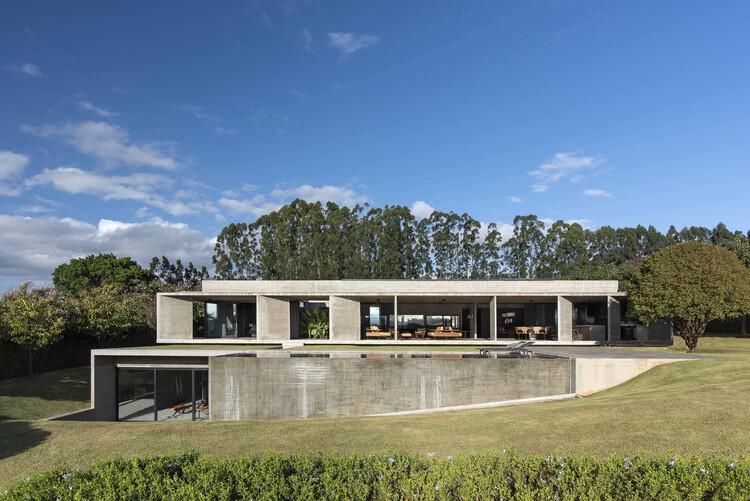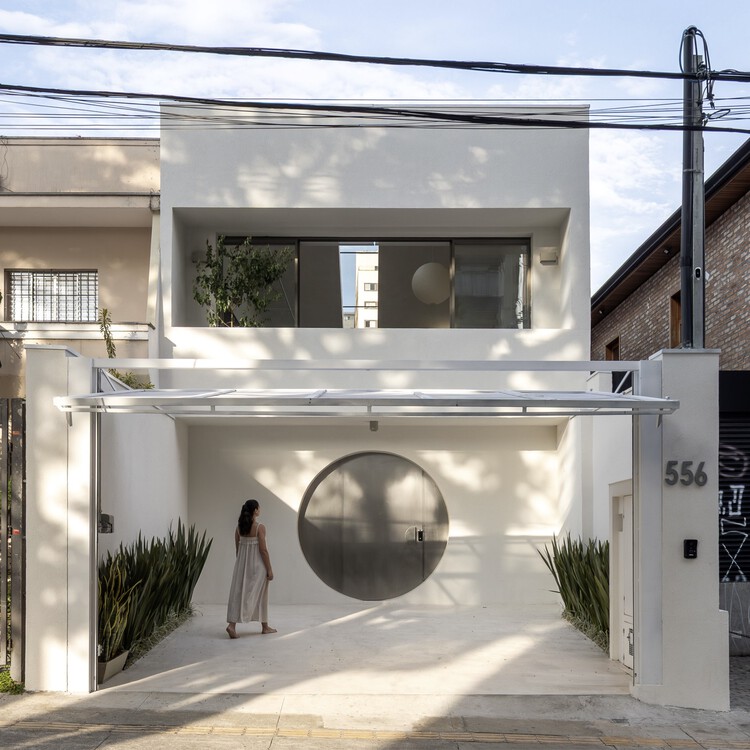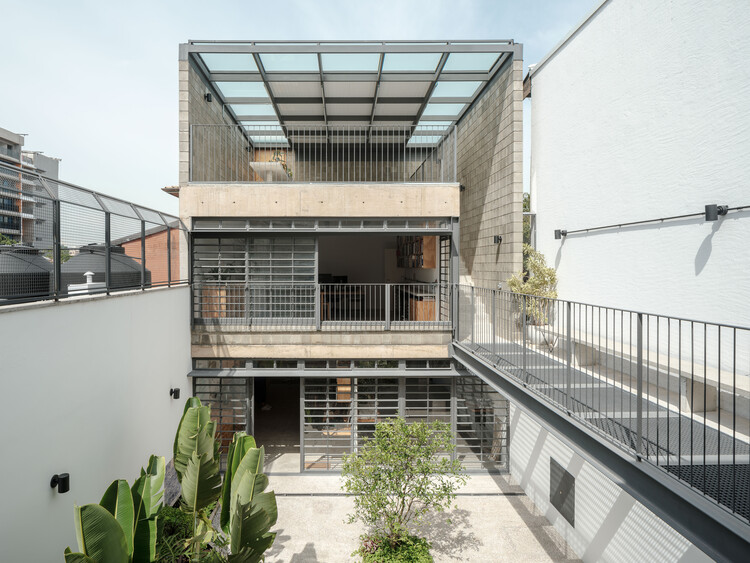



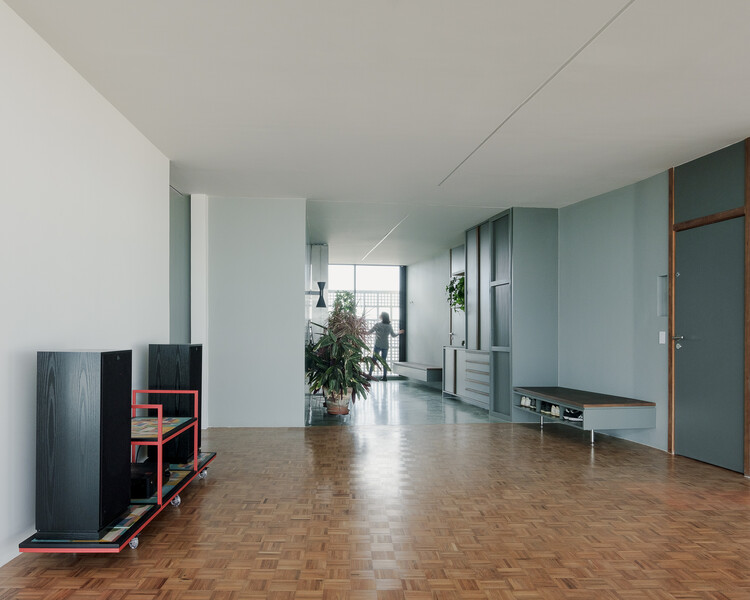
-
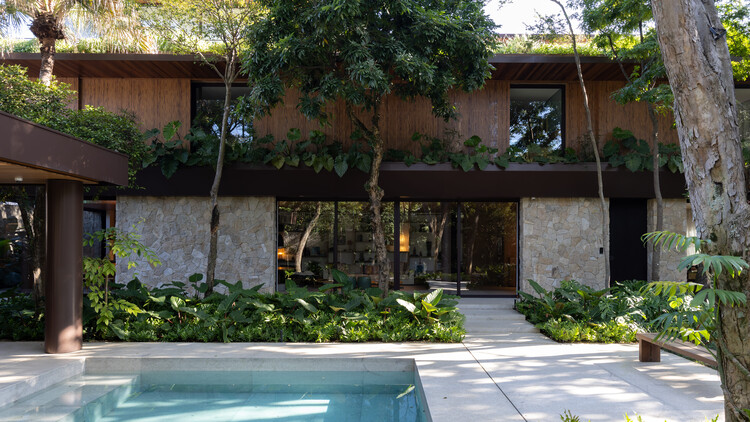
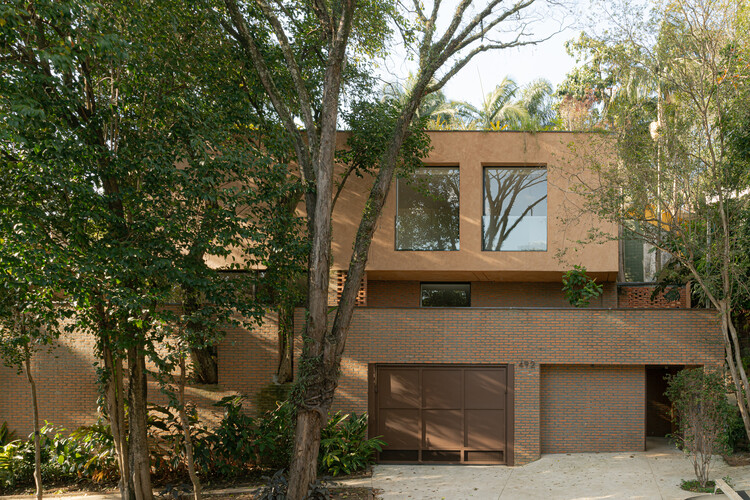
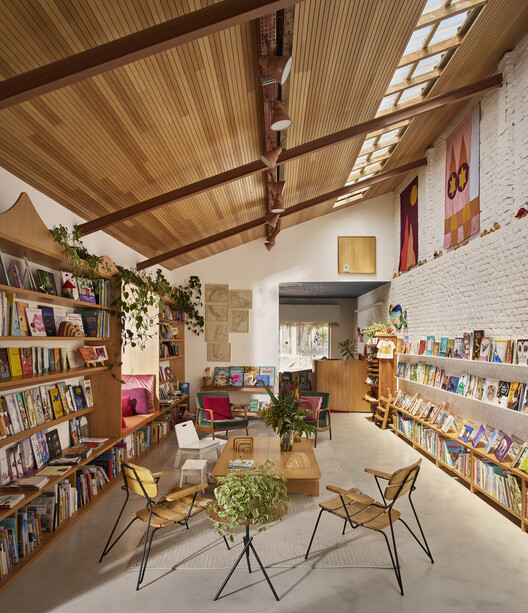
Architects: Sabiá Arquitetos, Trema Arquitetura
- Area: 3660 ft²
- Year: 2022




Heritage, in interiors, is increasingly rarer to be only a matter of preservation alone. More often it arrives as friction: the encounter between what a building already is—its plan logic, its scars, its structural inconsistencies—and what contemporary life demands of it.
Some of the most convincing projects today are not those that "restore" an interior back to a single moment, nor those that erase the past under a seamless new skin. They are the ones that stage a relationship between old and new—allowing contrast to do more than tell a story, and letting the clash become a pragmatic tool for construction, budget, and speed.


In November 2025, ArchDaily launched its first edition of the Student Project Awards. The decision to introduce this new award came from a place of hope; hope in the next generations of architects, their talent and vision, and the importance of giving them visibility and recognition. After all, the future of architecture is being shaped right now, in classrooms, studios, and workshops around the world, and it is vital to support those shaping it. The response was remarkable, with projects from students in every continent, showcasing a wealth and breadth of viewpoints, solutions and visions.
Five months after the launch of the open call, and following the announcements of a longlist of 104 projects and a shortlist of 20, our external jury of architects and practitioners carefully reviewed the proposals to select the three winners and four honorable mentions of the ArchDaily Student Project Awards. Approaching each project with care, the jury looked beyond final outputs, focusing on the ideas, questions, and positions driving the work. The result is a selection of winning projects that reflect both the spirit of the awards and the shifting priorities shaping architecture today.


Every city contains two transportation systems. One is the visible network of roads, rail lines, sidewalks, and bus routes mapped in planning documents. The other is the invisible geography of privilege and exclusion embedded within it: the neighborhoods that received highways instead of parks, the communities whose bus routes were cut, the sidewalks that abruptly end at the edge of a district. For many years, built-environment professionals have treated infrastructure as a technical challenge. Mobility justice insists it is, fundamentally, a political one.