
-
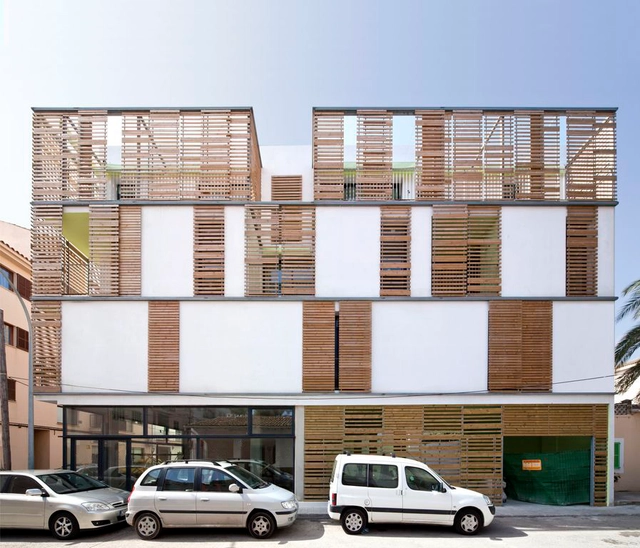
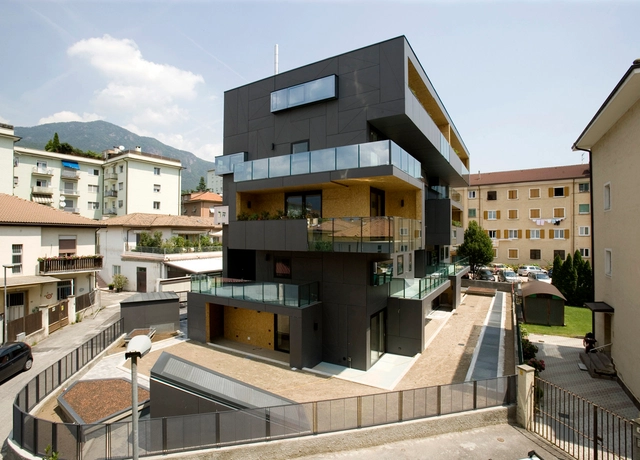
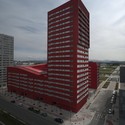
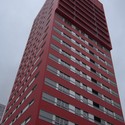
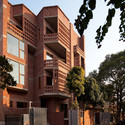
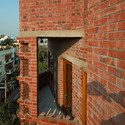
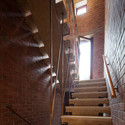
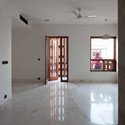
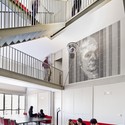
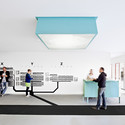
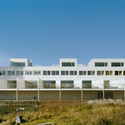
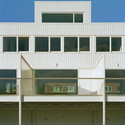
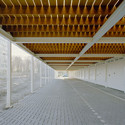
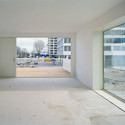
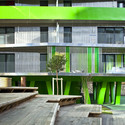
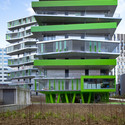
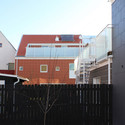
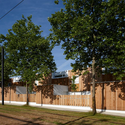
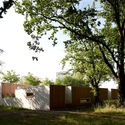
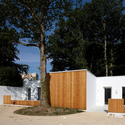
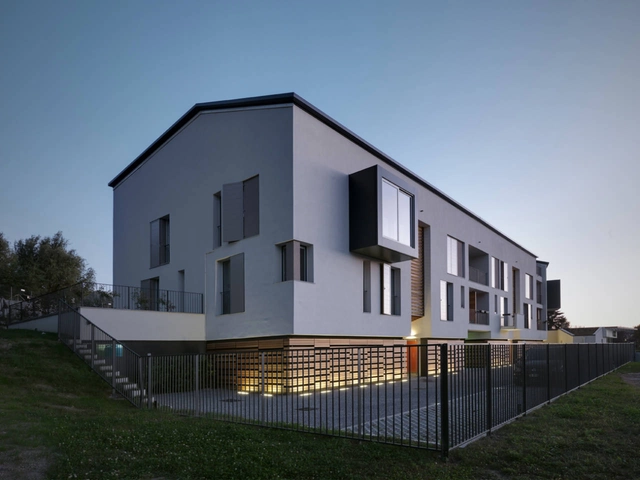
Architects: Bohuon Bertic Architectes



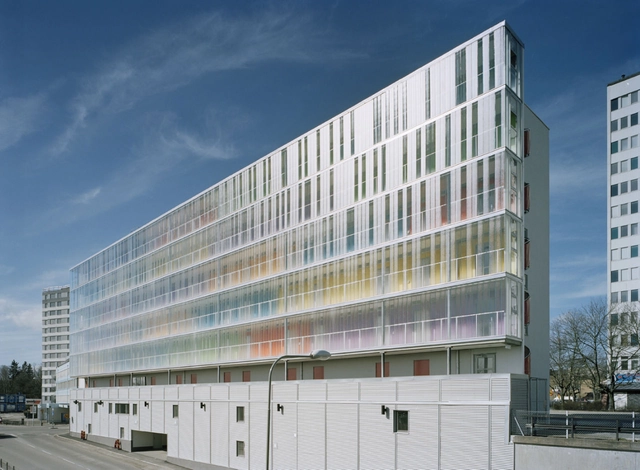
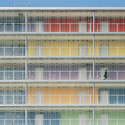
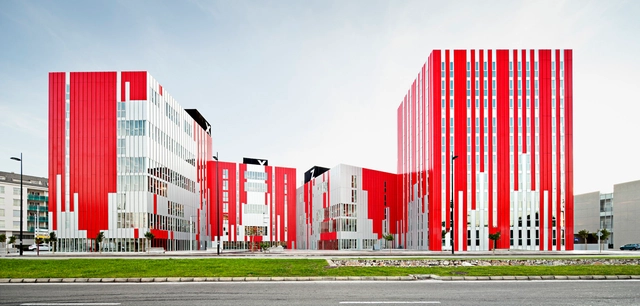
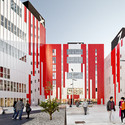
The competition winning proposal for the Terrace 9 Housing Complex in Nanterre, France by Atelier Zündel Cristea aims to restore the human scale and legibility necessary for creating large and enjoyable public spaces, capable of attracting people from beyond the city and the Hauts de Seine region. They do this by taking into account the urban project’s varying relief, both natural and artificial, with the coexistence of road and rail transportation networks and the structures of colossal scale such networks required. More images and architects’ description after the break.

Architect: REX Location: Seoul, Korea Built Area: 115,500 sqm (1,240,000 sqf) Completion year: 2016 Program: 47,800 sqm of luxury housing for short-term residents, 27,000 sqm of retail, and 929 parking stalls Renderings: Luxigon and Rex

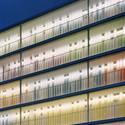
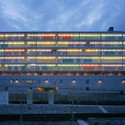
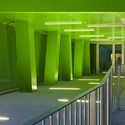
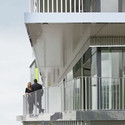
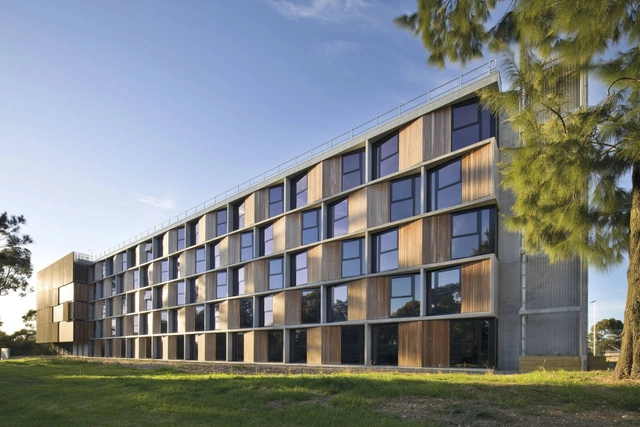
New York-based architectural photographer Paul Clemence has shared with us recent images and his thoughts on Massachusetts College of Art and Design’s new student residence hall that is being constructed in downtown Boston. The 21-story, $61 million building is planned for completion this year.
Boston is not particularly known as a destination for trendy, contemporary architecture; but some new buildings are beginning to change that perception. From Diller Scofidio Renfro’s Institute of Contemporary Art to Norman Foster’s new wing at The Museum of Fine Arts to the recently completed Renzo Piano addition to the beloved Gardner Museum, the city’s urbanscape is getting a much needed updating. And now, a soon to be finished bold new project by the firm ADD Inc is bringing a colorful twist to the mix. They are the designers behind the new MassArt Students Residence Hall.
Continue reading for more.

This Article is the second of a two-part series, “Saving Suburbia.” If you missed Part I, “Bursting the Bubble”, you can find it here.
Suburbia has a problem. We’ve known it for a while. We’ve chosen to ignore it.
Why? Because the suburbs are difficult. And just… not sexy. We have become so enamored with our cities, with their various complexities and potential for sustainability, that the suburbs, with their single-family home and deep carbon footprint, seem a backwards architectural wasteland.
But letting the suburbs die would be a tragic, missed opportunity. As I noted in “Bursting the Bubble,” Suburbia is not just the Myth it propagates (wealthy commuters and Soccer Moms in SUVs, carelessly polluting the environment and resistant to change), but a large, growing “other”: the suburban poor, stranded and imprisoned by sprawl.
To reverse Suburbia’s built hostility to its “other” and the very Earth itself, we must re-imagine the ‘burbs as nodes of density within a well-connected network. But to make this reality, we must get the Myth’s “chosen ones” on our side, which means versing ourselves in a tricky (and political) discourse.
We cannot just be Architects; we have to be part of a community-driven movement.