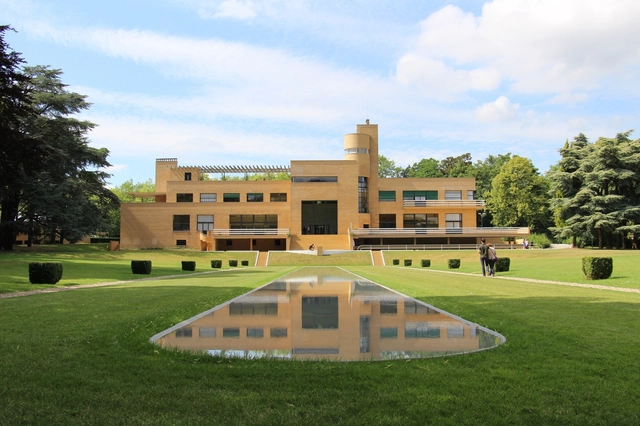
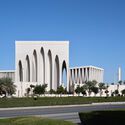
The Villa Cavrois stands as a powerful testament to early modernist architecture and the vision of architect Robert Mallet-Stevens. Built between 1929 and 1932 in Croix, France, this landmark residence was commissioned by Paul Cavrois, a prominent textile industrialist, to embody modern values and house his growing family. Mallet-Stevens' design merges Modernist ideals with a luxurious, functional aesthetic that breaks sharply from traditional styles, creating a space defined by clean lines, balanced proportions, and innovative materials.
More than just a family home, Villa Cavrois was designed as an architectural manifesto, presenting bold new ideas in residential design that would inspire generations. Its meticulously crafted layout, advanced technological features, and harmonious connection to the surrounding landscape positioned it as a symbol of modern living.
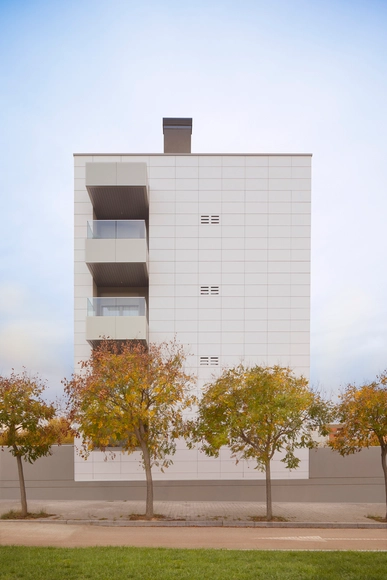
In a rapidly evolving urban landscape, the new residential building redefines the concept of community living. Gardea Residencial stands in one of the city of Zaragoza's 15 neighborhoods, Miralbueno, an area where residential developments have been built. The project exemplifies functional, sustainable design, realized through two linear blocks, each optimizing available space with a basement level, a ground floor, and additional two storeys—two in one block and three in the other. With its sleek design, this building brought to life by Tash&Partners features a ventilated façade made of extruded porcelain tiles by Faveker. These tiles, in addition to being recyclable, enhance sustainability and efficiency.
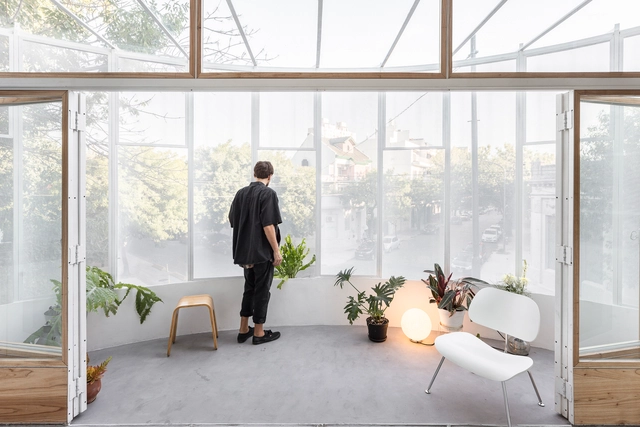
IR Arquitectura is not just a studio; it defines itself as a platform for exploration that integrates architectural practice with tangential topics such as the city, landscape, technology, and sustainability. Founded by Luciano Intile and Enrico Cavaglià, and based in Buenos Aires, Argentina, IR Arquitectura is an interdisciplinary collective comprising architects, designers, and professionals from various fields. Together, they tackle projects of varying scales and natures, seizing each opportunity to explore new solutions and strategies for contemporary living, particularly in urban contexts and in close connection with the environment.
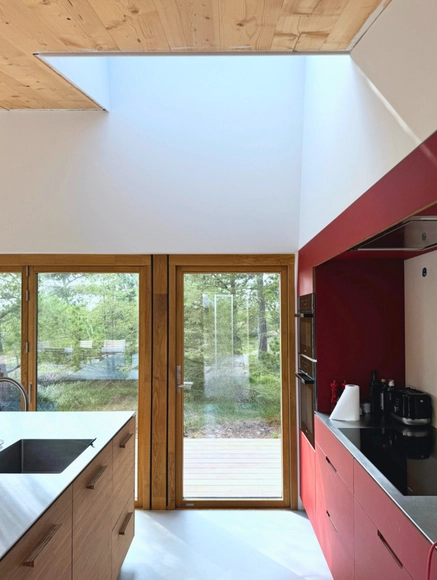
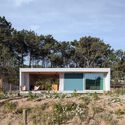
The Summer House in Højby by Jeppe Utzon & Camille Pincemin. Image Courtesy of VELUX
In architecture, it's often the finer details that make the grandest impact. Across the ages, architects have carefully oriented buildings to balance function and aesthetics, with light as their guiding principle. The pursuit of perfect lighting in buildings dates back to medieval times—and the search continues. It turns out that simply allowing light into a space isn't enough; it's the direction and quality of that light that truly elevates the environment.
This year, the VELUX Nordic Architecture Competition—aptly titled "Daylight from Above"—invited architects from Denmark, Sweden, and Norway to explore the nuances of natural light in residential design. The competition urged them to craft spaces where light plays a starring role, sculpting interiors that shift and change with the hours and seasons. The aim? To create homes where light doesn't just brighten a space but elevates the experience of living in it..
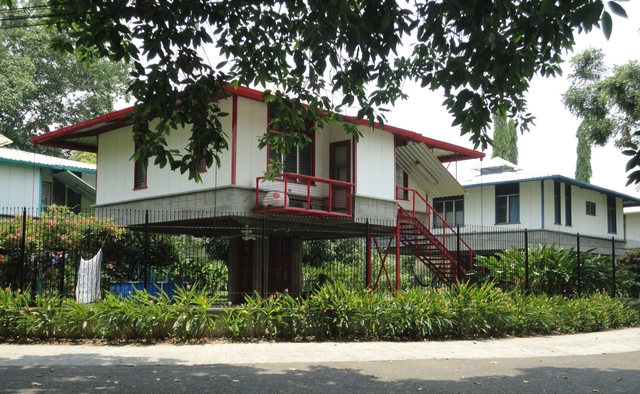
Honduran architect Angela Stassano is contributing to Central America's architectural landscape with her applied research regarding bioclimatic designs. Based in San Pedro Sula, Honduras, her projects draw from local heritage techniques to address the needs of hot, humid tropical environments. Stassano has developed her expertise through over 30 years of hands-on research, culminating in a bioclimatic architecture guide that outlines her methods for construction in this region. One of her most notable projects, Las Casitas, is a residential complex that embodies this research. The project includes multiple energy-efficient tropical houses that harness the local climate, resulting in low energy and operational costs.
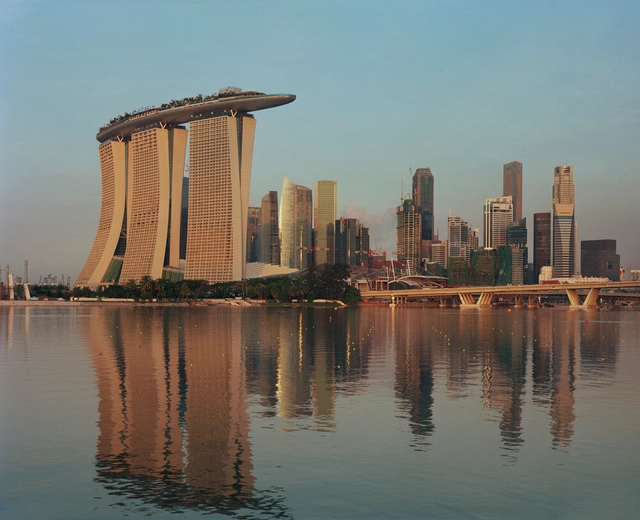
Courtesy of Safdie Architects | Marina Bay Islands
Nestled in the heart of Southeast Asia, Singapore stands as a beacon of sustainable urbanization. According to the 2016 Green City Index, the city-state of Singapore was the greenest city in Asia at one point. Renowned as the "City in a Garden," Singapore has intertwined lush greenery, verdant parks, and new environmental policies into its urban fabric/ After gaining independence in 1965, the city-state stands as a testament to how urban life can integrate with nature.
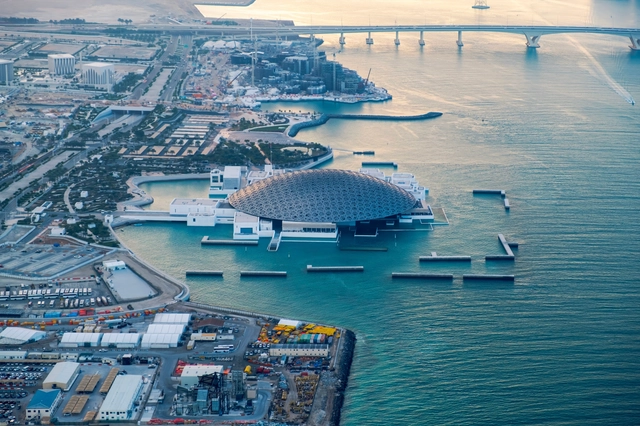
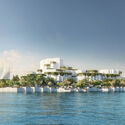
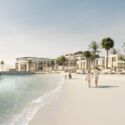
Chapman Taylor's Saadiyat Beach District Residences project has moved to the construction phase, marking a new development within Saadiyat Island's expanding cultural and residential landscape. This waterfront project, part of the broader Saadiyat Island masterplan for Nael & Bin Harmel, situated near Abu Dhabi's urban center, will introduce a range of residential options, including apartments, townhouses, and villas.
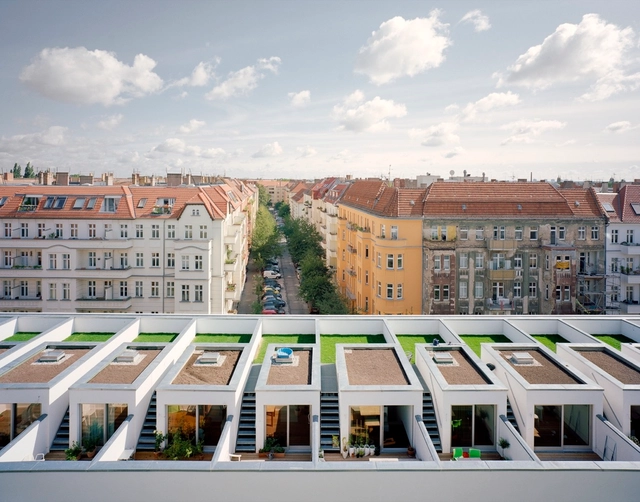
Designing a typical residential building rarely involves its future residents. Often created by property developers in response to predefined market demands, the projects are rarely optimized for livability. An emerging development system that began in Germany aims to change this dynamic and reposition the residents at the core of the new housing developments. The Baugruppe system, German for "building group," proposes an alternative approach to housing that allows groups of individuals to come together to design and construct their residential spaces, bypassing traditional developers to create personalized and sustainable living environments.
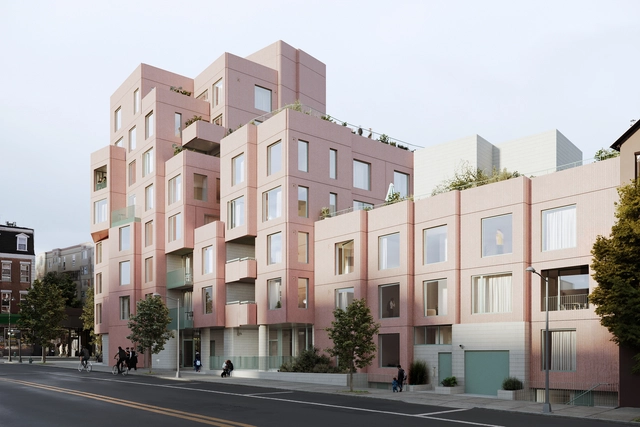
Architecture firm SO – IL has revealed plans for a new residential condominium project planned for Brooklyn's Fort Greene neighborhood. Named 144 Vanderbilt, the development offers 26 condominiums and amenities spanning almost 90,000 square feet. According to SO – IL, the architecture takes cues from Brooklyn's historical heritage, while incorporating a modern twist, as the staggered building prioritizes community interactions and comfortable urban living.
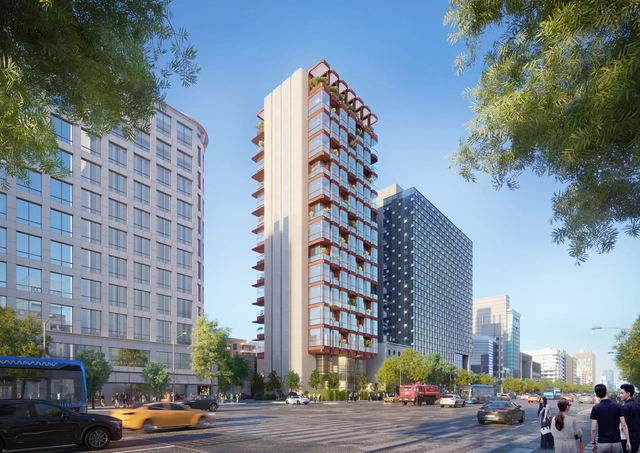
Foster + Partners have just unveiled designs for a new live-work building in Seoul, South Korea, which aims to redefine business hospitality with a personalized approach. This structure is set to accommodate professionals seeking a mixture of work and leisure in an urban environment. With an emphasis on comfort, functionality, and well-being, the building incorporates spaces designed for hosting and entertaining, along with dedicated meeting and negotiation rooms. It also features state-of-the-art wellness facilities, making it a unique setting for both work and relaxation. The project consists of twelve private units, each occupying an entire floor, providing a unique living experience tailored to individual needs.
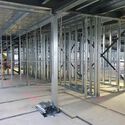
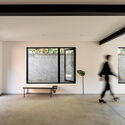
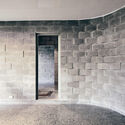
Two primary building approaches are commonly identified in architecture and design: solid versus hollow construction. These methods vary significantly across different cultures and regions, specifically for interior partitioning systems, when they appear interchangeable. Each has its own established practices influenced by local materials, labor preferences, climatic conditions, and cultural traditions. When architects and designers focus on their local context, it is easy to overlook the broader construction assumptions, limiting design flexibility and methodology. This raises an important question: How do these two building approaches differ?
Focusing mainly on interior systems, the distinctions between solid and hollow construction largely stem from the availability of materials and workforce preferences. For example, in the United States and Japan, stud walls, both wood and metal, are frequently used for partitioning. Conversely, brick remains the predominant material for partition walls in regions such as Hong Kong and southern China. Why do we build differently, and what are the benefits and challenges of each building methodology?
Mission Bay, San Francisco, once an industrial landscape of warehouses and railroad land, has transformed into the city’s fastest-growing commercial and urban development area. This rapid change, typical of such developments, has led to gentrification, driving up housing prices and making the area unaffordable for many. To address the affordable housing crisis, the Lillian Murphy Housing Complex was built—not just as a place to live, but as a project that redefines the standards for low-income housing. This success was achieved through the collaboration of Paulett Taggart Architects, Studio VARA, and BŌK Modern, demonstrating that functional, intuitive, and high-quality design that strengthens a community is accessible to everyone.
In a recent interview with ArchDaily, Sigurd Larsen, renowned for his innovative architecture practice, reflects on his journey and the evolution of his office. A significant player in shaping contemporary European architecture, Larsen shares insights into his career development, the current profile of his practice, and his approach to various types of projects.
Currently, Larsen's office is known for its diverse range of projects, including residential homes,hotels, and public spaces across Europe. "Our focus is on combining conceptual creativity with practical considerations," Larsen explained. Projects such as landscape hotels and public schools in Germany exemplify this approach, showcasing a blend of innovation and context-sensitive design.
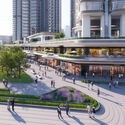
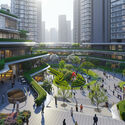
Situated in Hangzhou's Central Business District, the Euro American Innovation City is a mixed-use development designed by Foster+Partners to become a dynamic addition to the city. The 346,450 square-meter project includes two 200-meter-high office towers and four high-rise apartment buildings, complemented by a public plaza, an IT incubator, and a retail mall on the lower levels. Construction is currently progressing in phases, with the first phase nearing completion next month and the second set to finish by year-end, while the entire project aims for completion in September 2025.
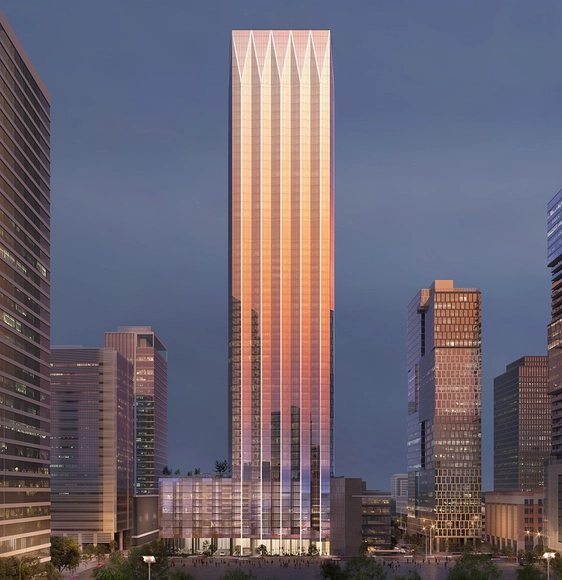
Goettsch Partners has just revealed the design for a new tower in Nashville, United States, which is set to become the city’s tallest structure. The building, named “Paramount,” will reach 750 feet across 60 stories, surpassing the current tallest, the 617-foot AT&T Building. Located in downtown Nashville, the Paramount will include 360 apartments, 140 condominiums, a 517-space parking garage, and a 60,000-square-foot expansion to the neighboring Downtown YMCA.
New developments, companies, start-ups in the real estate industry are transforming perceptions and needs around home ownership and rental experiences. In a society where home ownership is attributed to personal success, innovations in the residential rental market seek to enhance the appeal of renting. Evolving consumer needs are resulting in a trend of exclusive, community-focused living models. This shift is redefining how people view their living spaces, interact with their communities, and perceive the value of their homes.