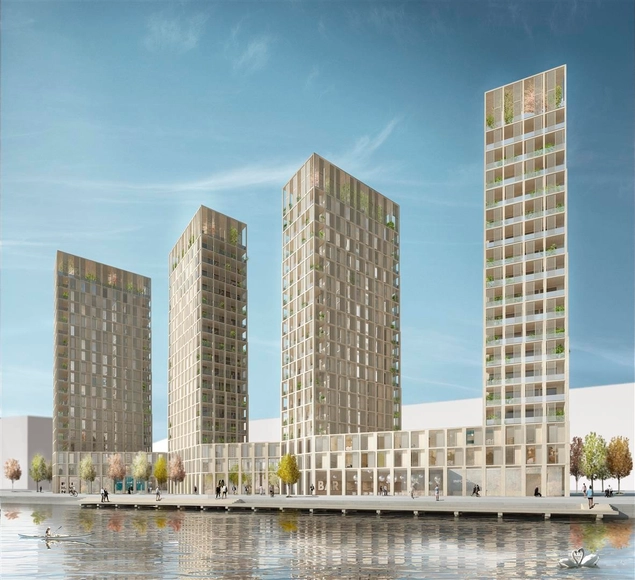
Tham & Videgård Arkitekter is the latest to investigate the potential of tall wooden structures. Planned for a site in the former transport harbor of Loudden, which will soon be revived as a new urban area, the practice's mixed-use scheme proposes to integrate 240 apartments within a cluster of four wooden high-rise buildings that reach up to 20 stories.
“The buildings are constructed entirely in one material, Swedish solid wood, from the frame to the facade, finishes and windows,” says the architects. “Through consistent use of a renewable material like wood, the result is a sustainable, well insulated and robust house structure with good potential to perform well over time, and minimize the total energy consumption.”
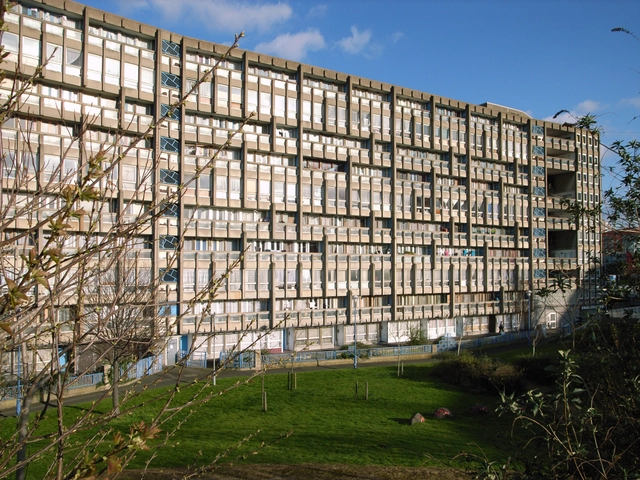
It has been reported that London's Robin Hood Gardens housing estate, which was thought to be finally condemned in March 2012, has re-entered a state of flux due to governmental indecision. The former UK Culture Secretary, Andy Burnham, gave the housing scheme an immunity from listing certificate in 2009, meaning that no concerned party could bid for it to gain protected status under British law. This certificate, designed to ensure that the buildings would be swiftly demolished, has now expired. This has led the Twentieth Century Society (C20) to launch a new bid for the estate to be both saved and protected.
Gordon-Van tine’s ready-cut homes (1918). Image Courtesy of Openlibrary.org
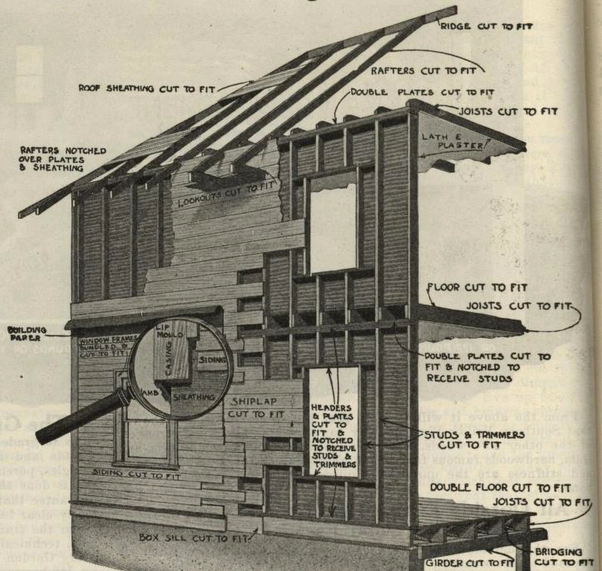
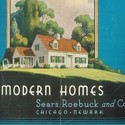
Housing is one of the most persistent challenges faced by the construction industry, and over the course of decades certain trends rise and fall, as entrepreneurial housing providers carve out new niches to provide for expanding populations and changing demographics. Originally published by BuzzBuzzHome as "The Rise and Fall of The Mail-Order House," this article explores the craze of so-called "catalogue homes" - flat-packed houses that were delivered by mail - which became popular in North America in the first decades of the 20th century.
The testimonials make it sound effortless: building your own house is no sweat.
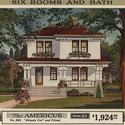
In the front pages of a 1921 Sears Roebuck catalogue for mail-order homes, a resident of Traverse City, Michigan identified only by the pseudonym “I Did Not Hire Any Help” wrote to the company: “I am very well pleased with my Already Cut House bought off you. All the material went together nicely. In fact, I wish I had another house to put up this summer. I really enjoyed working on such a building, and I do not follow the carpenter trade either.” It’s estimated that more than 100,000 mail-order homes were built in the United States between 1908 and 1940. It was the IKEA of housing, but instead of spending an afternoon putting together a bookshelf, buyers would take on the formidable task of building a house. Or, more commonly, get a contractor to do it. Homebuyers would pick a design of their choice out of a mail-order catalogue and the materials – from the lumber frame boards to the paint to the nails and screws – would be shipped out to the closest railway station for pickup and construction.
"It is refreshing to see how the Dutch have dealt with this design task," says the jury in regards to the team's community-centric, winning scheme. "The Dutch are one step further in thinking about how neighborhoods should function."
More about their winning entry "Neue Nachbarschaften," after the break.







.jpg?1464332647&format=webp&width=640&height=580)
.jpg?1426816425 "© Fernando Guerra | FG+SG")
.jpg?1426817970 "© Fernando Guerra | FG+SG")
.jpg?1426815567 "© Fernando Guerra | FG+SG")
.jpg?1426817336 "© Fernando Guerra | FG+SG")
.jpg?1464332647)





























.jpg?1426043024&format=webp&width=640&height=580)
.jpg?1426044522 "© Fernando Guerra | FG+SG")
.jpg?1426044856 "© Fernando Guerra | FG+SG")
.jpg?1426044413 "© Fernando Guerra | FG+SG")
.jpg?1426044429 "© Fernando Guerra | FG+SG")
.jpg?1426043024)



.jpg?1425602683 "© Miran Kambič")