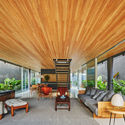
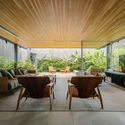
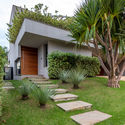
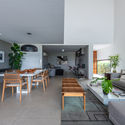
-
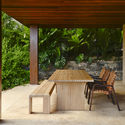
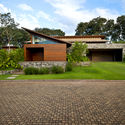
Architects: Douglas & Company
- Area: 160 m²
- Year: 2018
-
Professionals: DGM Construction, Gadomski Consulting Engineers


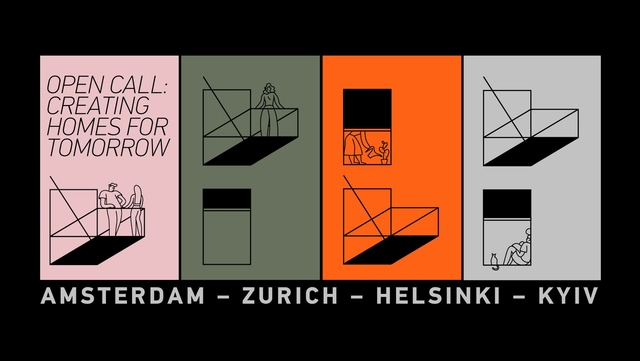
Within the 2019/20 educational program, CANactions School travels to 3 metropoles in western, northern and eastern Europe and explores their innovative approaches for creating more livable neighborhoods. Based on the findings, we develop new strategies for locally specific and globally relevant questions, considering spatial, economic, social and political measures.

“A HOUSE IS MACHINE FOR LIVING IN” – LE CORBUSIER
Dwelling (A House) remains the place where we all spent most of the time of our lives and experience architecture, learn connect to it through emotions. A dwelling represents our culture our backgrounds, ownership, safety. A dwelling is a place we all want to return where everyone finds comfort, despite how chaotic our lives are.
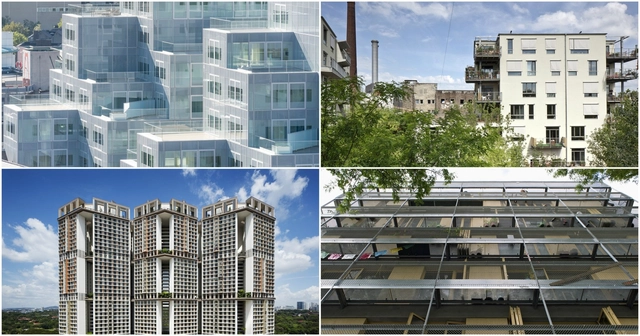
The challenges associated with the provision of adequate and affordable housing around the world demand that architects respond with original solutions that challenge traditional building forms, typologies and methods of delivery.
PLANE–SITE brought together the architects of four inventive housing projects. These projects represent a diversity of approaches to similar housing challenges across radically different global contexts. From the redensification of European urban centers to the rapid urbanization of the tropical Asian megacity, these radical housing models challenged existing paradigms in order to advance resident well-being as their principle design concern. In contrast to Schumacher’s divisive speech, the panel illustrated projects that were deliberately designed to promote community life and social interaction between residents – and in some cases also with other citizens in spaces that blur the line between public and private.

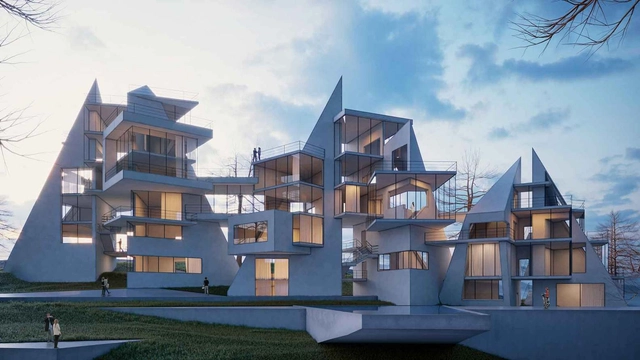
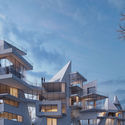
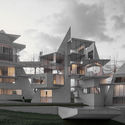
Planned to be built in one of the most exquisite spots of Alanya, Turkey, the Vertical Villa Project is a complex geometric composition of glass, concrete, and landscape, with a great scenery of the green mountain range and distant coastline.
The architecture team developed the project based on an analysis of the social interaction and atmosphere found in the city of Alanya. The team combined different individual units, and applied the sloped roof system found in the city's typical residential architecture.
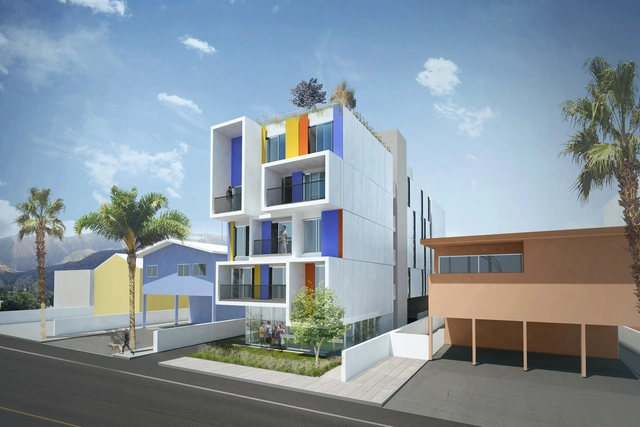
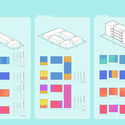
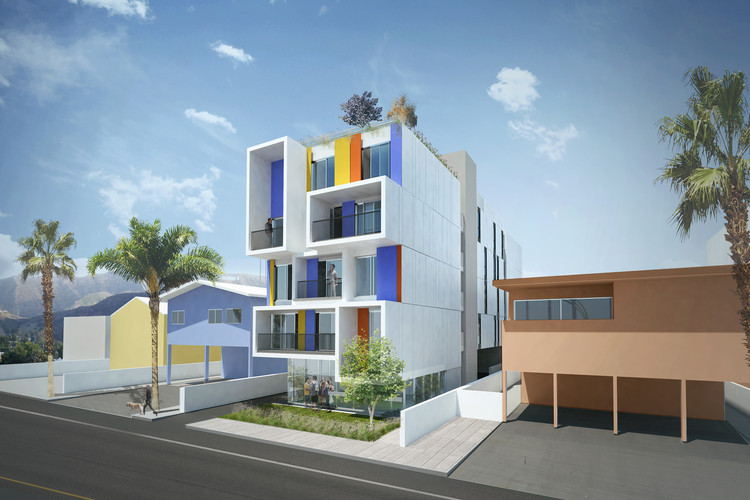
Brooks + Scarpa and Plant Prefab have developed a new toolkit to address housing shortages. Scalable as an infill solution, the Nest toolkit can be configured in multiple ways using site types and typical lot sizes, or a combination of them. The toolkit was made to address LA’s shortage of supportive housing for the homeless and provide flexibility to meet the needs of a particular site, neighborhood, and bed count.
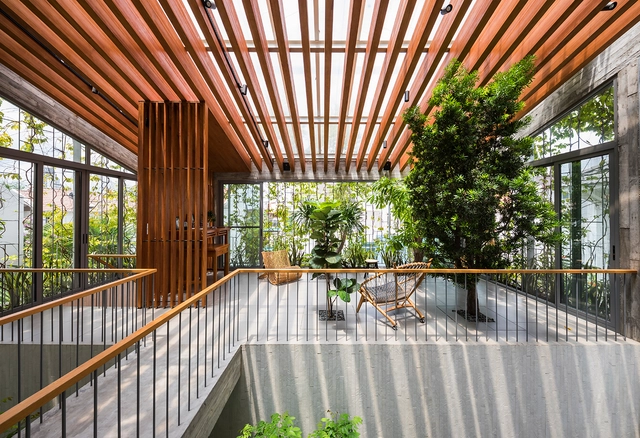
Vietnam has a rich history of traditional architecture. From Rong houses and Trinh Tuong residences to the stilt longhouses of the Ede people, the country has a depth of vernacular construction methods and styles. Today, architects are reinterpreting past building techniques to create neo-traditional homes grounded in contemporary life.


City of the Future is a bi-weekly podcast from Sidewalk Labs that explores ideas and innovations that will transform cities.
In this episode, the first from season 2, hosts Eric Jaffe and Vanessa Quirk discuss the future of housing with Ori CEO Hasier Larrea, architect Eric Bunge, Starcity CEO Jon Dishotsky, Sidewalk Labs housing expert Annie Koo, and others.
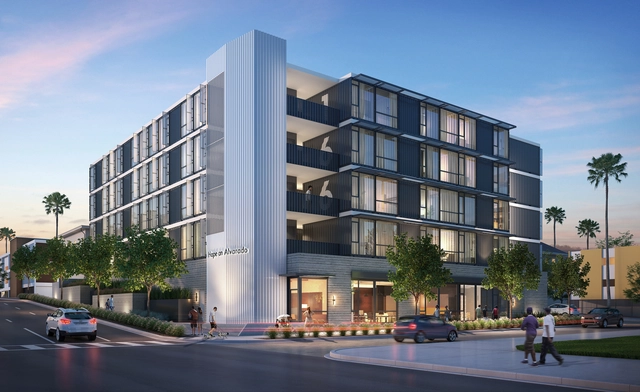
Hope on Alvarado, designed by KTGY Architecture + Planning, is the first modular housing project in the series of Hope On developments, aiming to find sheltering solutions for the chronically homeless, in Los Angeles.
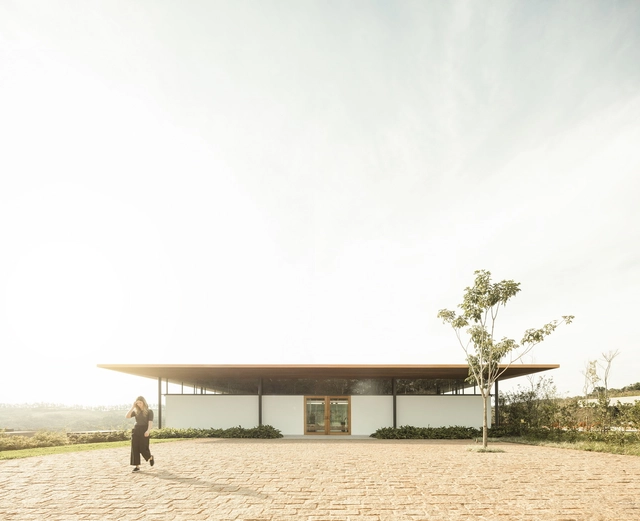
.jpg?1574196776 "© Fernando Guerra | FG+SG")