
-
Interior Designers: FON STUDIO
- Area: 480 m²
- Year: 2017


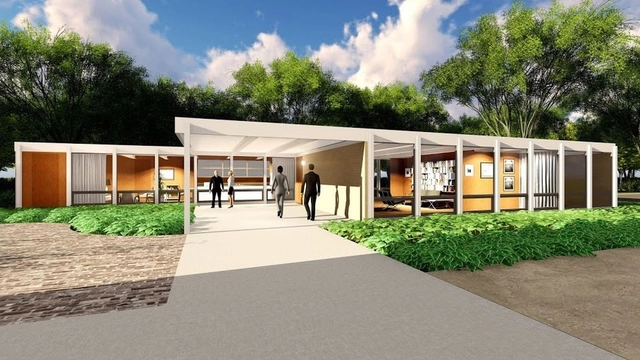
As Mies van der Rohe’s adopted city, Chicago and its surrounding area are home to more of the Modernist architect’s projects than anywhere else in the world, from Crown Hall to Federal Center to the Farnsworth House. Perhaps for that very reason, the McCormick House, located in the Chicago suburb of Elmhurst, is one of the lesser known projects in the architect's’ oeuvre – despite being one of just three single-family homes in the United States completed by Mies.
Built in 1952 for Robert McCormick Jr. – the owner of the land where Mies' 860-880 N. Lake Shore Drive was constructed – the house was moved down the street in 1994, where it was attached to the newly built Elmhurst Museum of Art via a 15-foot-long corridor. While its relocation allowed the building to remain in good care over the next 23 years, it also obscured the home’s front facade, “camouflaging one of the most prized objects in the museum's collection.”
But that’s all about to change, thanks to an upcoming restoration that will remove the offending corridor, allowing the original architecture to shine once again.
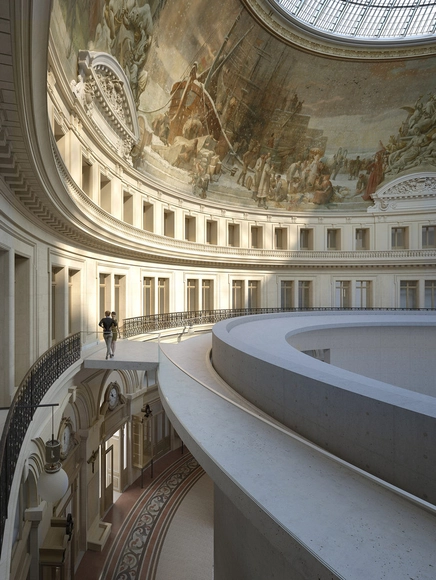
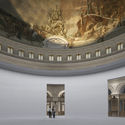
Renowned art collector François Pinault has revealed plans for a “completely circular museum” that will be located within a 19th century, domed structure that once housed the Parisian Stock Exchange. To accomplish this, Pinault has enlisted the services of Pritzker Prize-winning architect Tadao Ando, whose design calls for the construction of a giant concrete cylinder located directly below the building’s soaring rotunda.

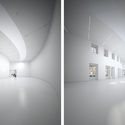

At this morning’s press event, The Museum of Modern Art in New York (MoMA) unveiled the completed renovations to the east end of its museum campus, while also revealing for the first time the full design of their multi-year expansion project designed by Diller Scofidio + Renfro in collaboration with Gensler.
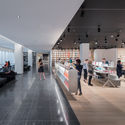
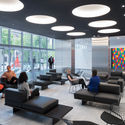
With the completion of the east wing renovation, which began in February 2016, the museum has created two spacious third-floor galleries by reconfiguring 15,000 square feet of space, allowing for better flexibility in installing the collection and temporary exhibitions.
.jpg?1494959021&format=webp&width=640&height=580)
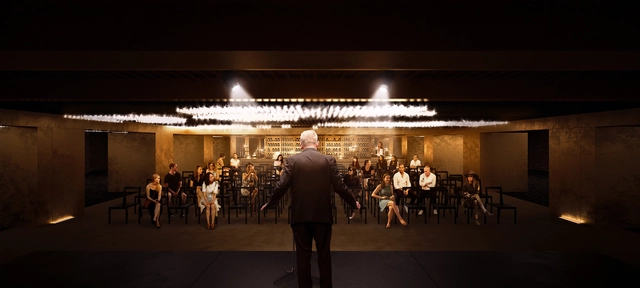
A competition for the interior renovation of the Alte Oper, one of the world’s most prominent opera houses in Frankfurt, has been won by German firm Buero Wagner, selected ahead of heavyweight runner-up Zaha Hadid Architects. The scope included the conversion of one of the building’s multipurpose foyers into a central social space, to be activated by the 450,000 annual visitors that attend the Alter Oper’s 400-plus concerts.
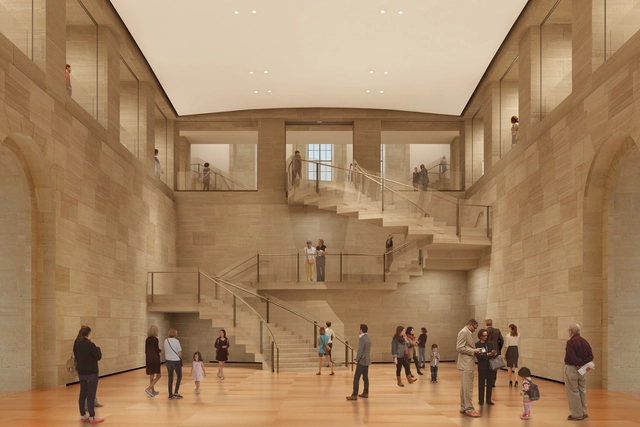
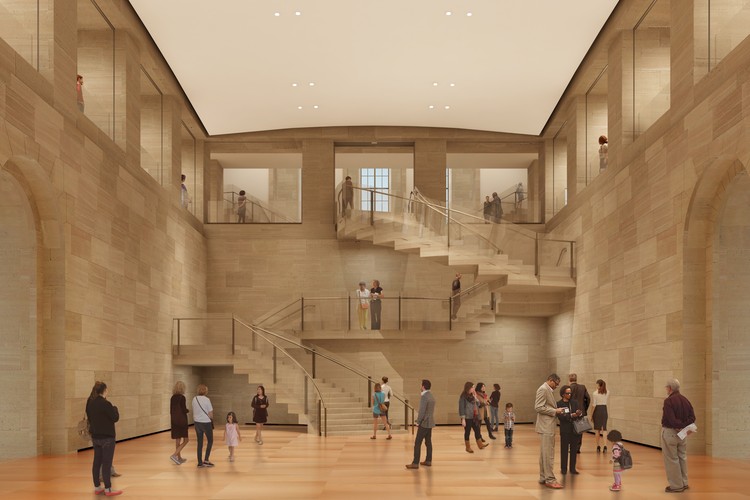
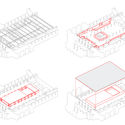
The Philadelphia Museum of Art has broken ground on the Core Project, a $196 million transformation of its main building led by Frank Gehry. In total, the renovation will add a total of 90,000 square feet to the museum, including 67,000 square feet of new public space, 11,500 square feet of gallery space for the museum’s American Art collection, and another 11,500 square feet of contemporary art display space.
As suggested by its name, The Core Project will focus on the heart of the museum; the main circulation of the building will be completely reorganized and museum infrastructure will receive much-needed upgrades, improving access to the community and enhancing the visitor experience.
_Gensler_2.jpg?1490675418&format=webp&width=640&height=580)
Gensler New York has revealed designs for a 200,000-square-foot renovation of the recently landmarked 601 Lexington Avenue, commonly known by its former title, Citicorp Center. The plans will update the entry plaza as well as add a new atrium space housing a range of dining and retail options, giving the site a rejuvenated space for the entire neighborhood to utilize.
The project will be the biggest change to the unique building since its construction in 1977 and famed engineering crisis the following year.
_Gensler_2.jpg?1490675418 "© Gensler")
_Gensler_3.jpg?1490675440 "© Gensler")
_Gensler_4.jpg?1490675430 "© Gensler")
_Gensler_1.jpg?1490675453 "© Gensler")
_Gensler_2.jpg?1490675418)
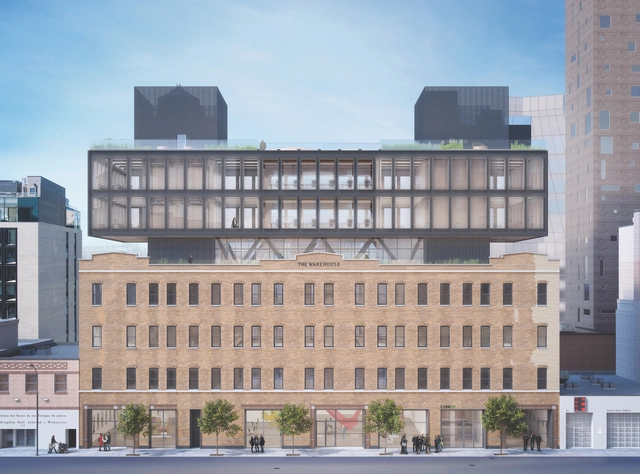
Elijah Equities, LLC has unveiled plans for the redevelopment of The Warehouse in New York City, a property currently occupied by car parking and art galleries, which will be transformed into 100,000 square feet of rentable office and retail space designed by Morris Adjmi.
Situated next to the High Line, the building currently at the site is a four-story, 65,000-square-foot former apparel-manufacturing warehouse. The redevelopment will add a three-story, steel-framed, cantilevered addition, resulting in a seven-story building with over 18,000 square feet of rooftop and outdoor amenity space.
.jpg?1490378892&format=webp&width=640&height=580)
Adrenaline junkies rejoice: the Willis Tower has announced plans for $20 million dollars of improvements to their popular glass-bottom SkyDeck observation attractions. Among the additions will be a series of new all-glass protrusions from the building, as well as a chance to rappel down a glass shaft suspended from the building’s 103rd floor.

KAAN Architecten has been commissioned for the renovation and expansion of one of the Netherlands’ most renowned museums, the Paleis Het Loo. Responding to evolving purposes, the project scope involves the restoration and development of over 5,000 square meters of new space, including the House of Orange, the Junior Palace, and a temporary exhibition hall.
“The design, inspired by the layout and proportions of the Corps de Logis of Paleis Het Loo, incorporates all required facilities and spaces while expressing a grandeur fitting for one of the Netherlands’ most popular and visited museums,” announced the firm.
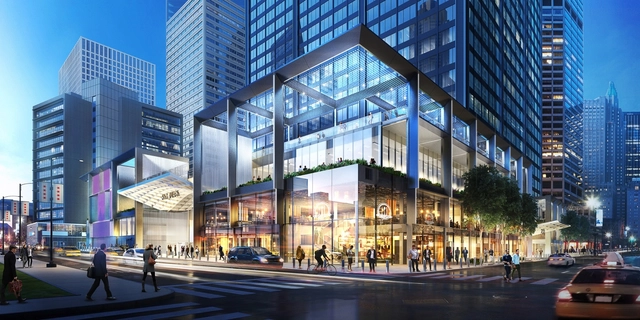
One of the United States’ most recognizable skyscrapers, the Willis Tower (formerly the Sears Tower), is set to receive a $500 million renovation designed by the Chicago office of Gensler. Announced by Chicago mayor Rahm Emanuel with real estate holders Blackstone and Equity Office, the project will transform and reinvigorate the 43-year-old building, which held the title of world’s tallest building for nearly a quarter century.
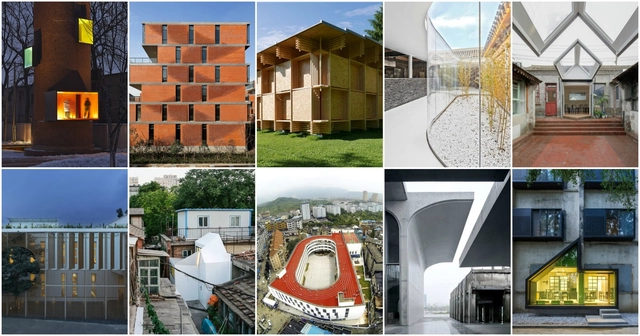
2016 has been a momentous year for Chinese architecture. From the completion of the Harbin Opera house by MAD to the Aga Khan Awards recognizing Zhang Ke of Standard Architecture for his micro-scale design of the Hutong Children’s Library and Art Centre in Beijing. It seems the general perception of Chinese architecture has finally moved beyond the big, weird and ugly.
Since we’ve started to branch out into China, the ArchDaily China team has been able to discover the rich layers beyond just these rising Chinese stars. As part of the country's large-scale urbanization process, last year, we posted some of the large-scale projects designed by China’s (largely unknown) Design & Research institutions such as train stations and cultural centers.
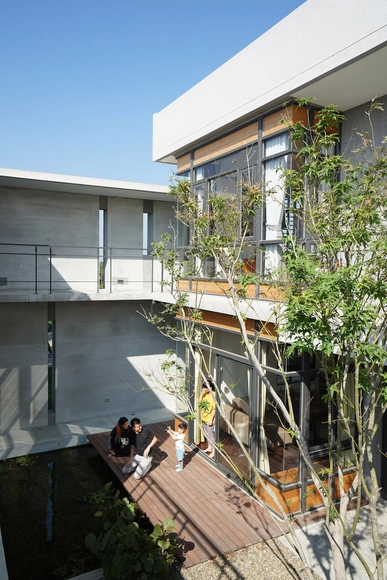
In addition, we’ve also come across a series of smaller, lesser known, younger practices that focuses more on small-scale experimental work. Here are our top ten favorites:
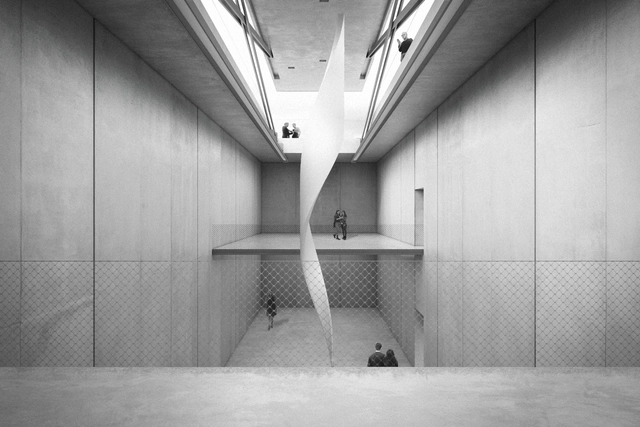
The winning proposal has just been announced for an extension to the Bunkier Sztuki ("Bunker of Arts") contemporary art gallery in Cracow, Poland. Out of 33 entries in the international competition, the underground design by Robert Konieczny - KWK Promes has been selected to be executed in the heart of Cracow's Old Town.





.jpg?1494959182 "© Howard Chan")
.jpg?1494959395 "© Howard Chan")
.jpg?1494959171 "© Howard Chan")
.jpg?1494959371 "© Howard Chan")
.jpg?1494959021)
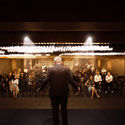



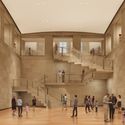
.jpg?1490895765 "BEFORE: The Van Pelt Auditorium, shown here in 2016, is being demolished to create the Forum. The auditorium was not part of the original design for the building, which opened in 1928; it was added in 1959. Photograph by Elizabeth Leitzell. Photo courtesy Philadelphia Museum of Art.")
.jpg?1490895731 "BEFORE: The Van Pelt Auditorium, shown here in 2016, is being demolished to create the Forum. The auditorium was not part of the original design for the building, which opened in 1928; it was added in 1959. Photograph by Elizabeth Leitzell. Photo courtesy Philadelphia Museum of Art.")