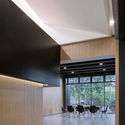
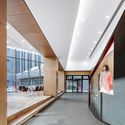
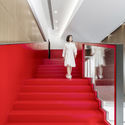
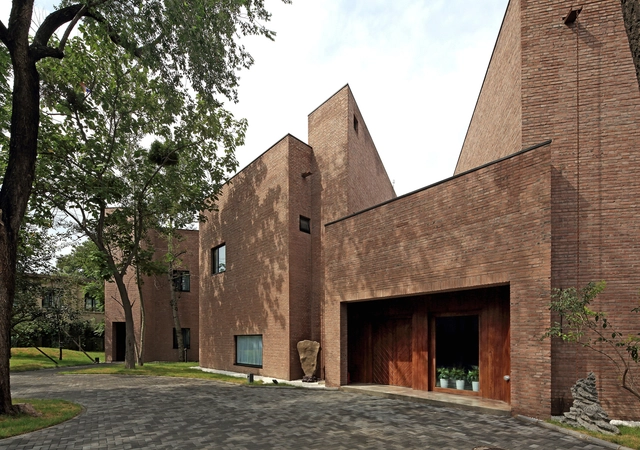
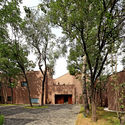
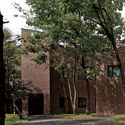
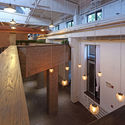
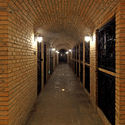
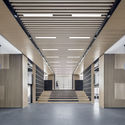
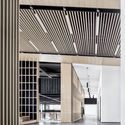
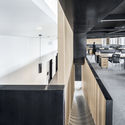
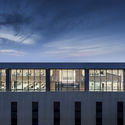
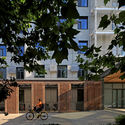
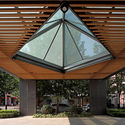
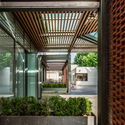
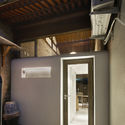
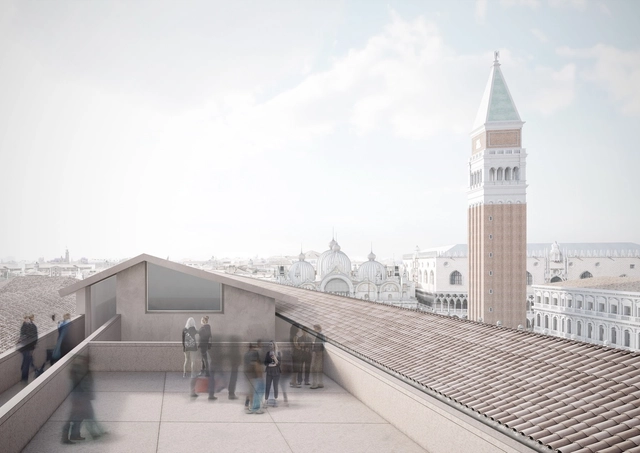
David Chipperfield Architects Milan’s renovation of the historic Procuratie Vecchie building in Venice is set to get underway, following a granting of permission by the Superintendency of Archaeology, Fine Arts and Landscape earlier this year. For the first time in 500 years, a large portion of the Procuratie Vecchie on the Piazza San Marco will be made accessible to the public to host activities of The Human Safety Net, supporting vulnerable communities.
The 2019 CANactions International Architecture Festival focused on an exploration of a notion of "Hromada" — Ukrainian name for the 'community', which is embedded into the country's historic and cultural codes and reflected in contemporary social movements and architectural forms.
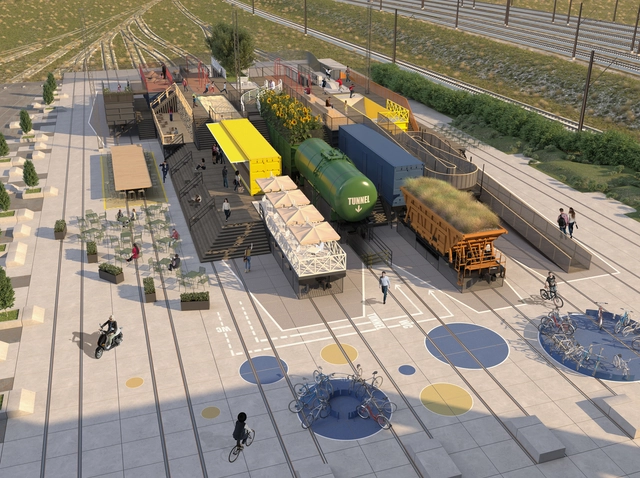
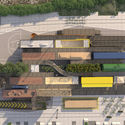
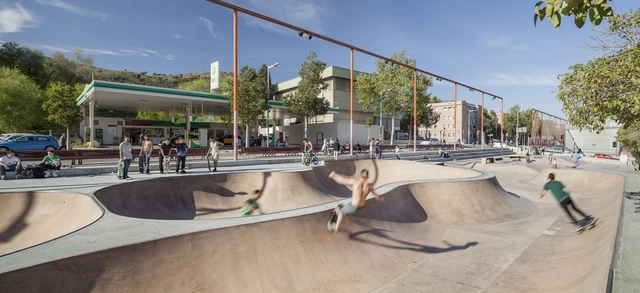
Architect Illya Rastvorov is one of the winners of this year’s CANactions Youth Competition presented in Kyiv, Ukraine. For his proposal, the architect transformed the railroad depot of the Copenhagen Railway Station in Denmark into the “Copenhagen Playground”, a recreational area that caters to people of all ages and enhances the social conditions of the city.
As technology moves forward, so does architecture and construction. Architects, designers, and planners around the world now have infinite tools and resources to design and build the cities of today and the future. As promising as this may sound, new construction is also consuming our world’s limited resources faster than we can replenish them.
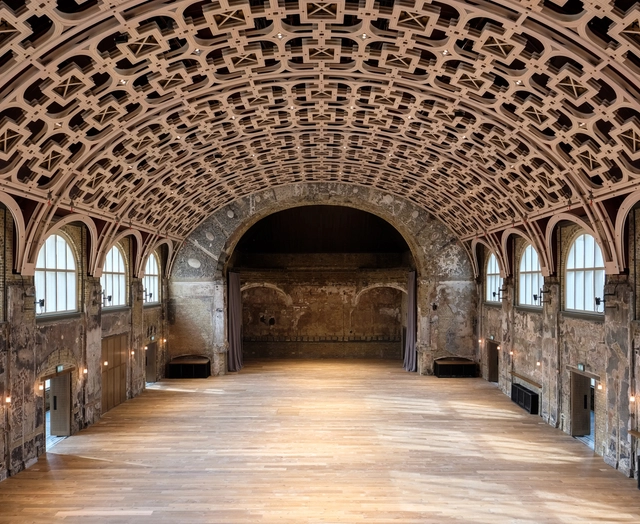
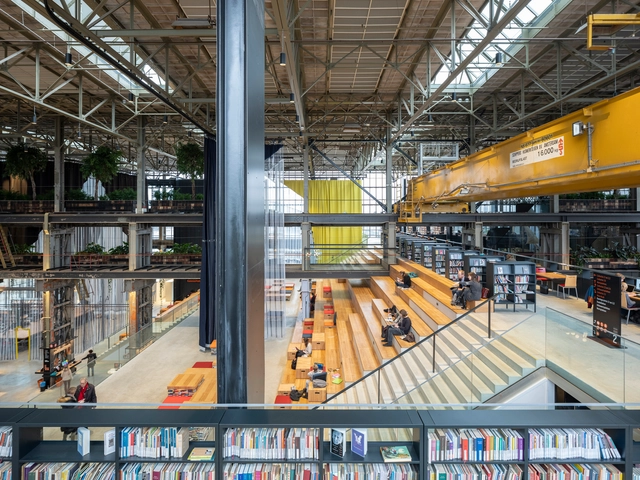
This situation leaves architects with an important responsibility: the rehabilitation and reuse of the existing built environment. This means using creative thinking and design to save and incorporate old or historic buildings that currently exist, in the present and future of our cities, by adapting them through creative and sensitive treatments.
By the initiative of the Boghossian Foundation urbanlab (http://www.urbanlab.am) announces an open international architectural competition “Reviving NPAK” (http://npak.urbanlab.am) for all interested individuals and teams.
The purpose of the present architectural competition is to find the best design solutions for the existing building of NPAK located at 1/3 Buzand Street of Yerevan (Armenia), which needs to reflect the aspects of the competition package through contemporary architectural language that is conscious of social and environmental responsibility, the importance for radical technical experimentation and the need to sustain a dialogue with the Centre’s legacy and its traditions.
Sustainability awards and standards touted by professional architecture organizations often stop at opening day, failing to take into account the day-to-day energy use of a building. With the current format unlikely to change, how can we rethink the way what sustainability means in architecture today? The first step might be to stop rewarding purpose-built architecture, and look instead to the buildings we already have. This article was originally published on CommonEdge as"Why Reusing Buildings Should be the Next Big Thing."
At the inaugural Rio Conference on the Global Environment in 1992, three facts became abundantly clear: the earth was indeed warming; fossil fuels were no longer a viable source of energy; the built environment would have to adapt to this new reality. That year I published an essay in the Journal of Architectural Education called “Architecture for a Contingent Environment” suggesting that architects join with both naturalists and preservationists to confront this situation.
https://www.archdaily.com/909863/why-reusing-buildings-should-and-must-be-the-next-big-thingMark Alan Hewitt
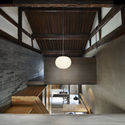
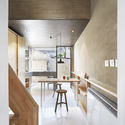
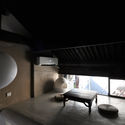
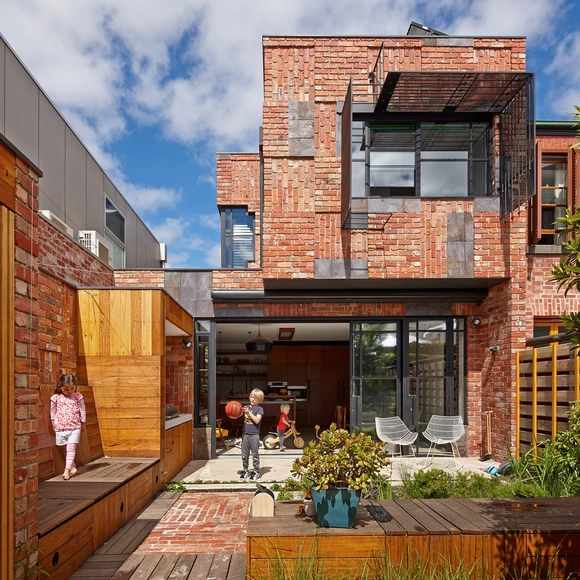
Half a century after the new suburban tract home was the dream of many a young American family, refurbished properties are gaining in popularity. This trend extends beyond North America, with exciting renovations of existing structures popping up all over the world, from Belgium to Kenya to China. The attraction to this typology likely lies in its multiplicity; renovations are both new and old, historic and forward-looking, generative and sustainable.
Nowhere is this trend more visible and popular than in housing, where the transformation is often led by the owners themselves. Loosely grouped under terms like “fixer-upper” and “adaptive reuse,” these projects begin with just the structural skeletons and the building’s history. At the personal scale, renovation/refurbishment is an opportunity to bring a part of yourself to your home - but do these small projects together have the potential to turn around a housing crisis?
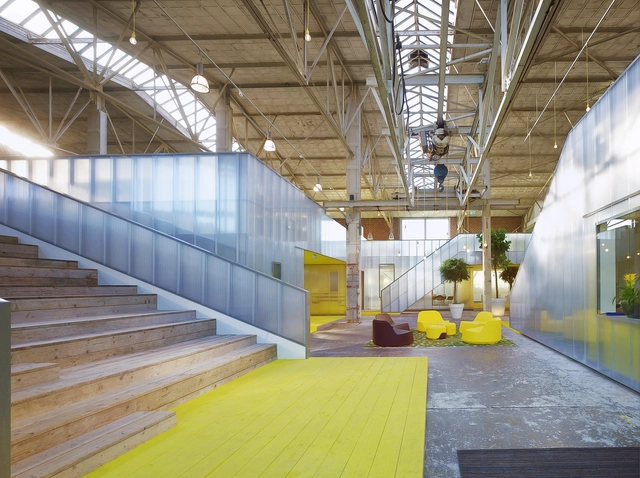
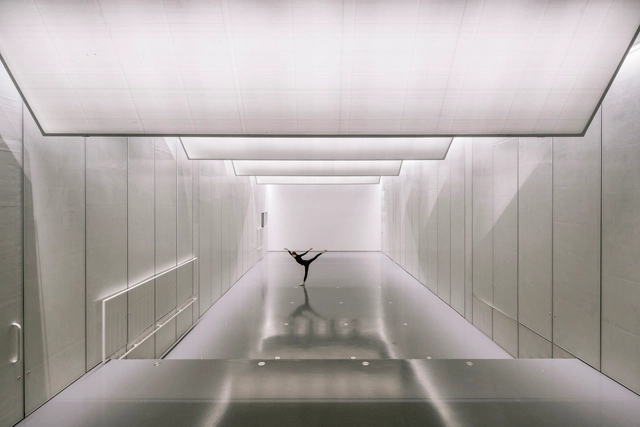
MVRDV has released details of their proposed renovation of a 19th-century listed building on Slodowa Island in Wroclaw, Poland. The “Concordia Hub” will see the retention of the existing façade, with the addition of a contemporary rear extension to “create a focal point” for the general public and visitors.
The site’s former use as a German artillery base in 1945 means almost all of the island’s structures were destroyed in the closing months of World War II. The Concordia Hub scheme seeks to preserve one of the only surviving heritage structures on the island, while transitioning the building into the modern age.
https://www.archdaily.com/903159/mvrdv-proposes-respectful-renovation-for-19th-century-heritage-building-in-wroclaw-polandNiall Patrick Walsh
















.jpg?1538567368&format=webp&width=640&height=580)
.jpg?1538567368 "Courtesy of MVRDV")
.jpg?1538567396 "Courtesy of MVRDV")
.jpg?1538567380 "Courtesy of MVRDV")
.jpg?1538567412 "Courtesy of MVRDV")
.jpg?1538567368)