1. ArchDaily
  2. Post War Architecture

Post War Architecture: The Latest Architecture and News

Yugoslav Architect Svetlana Kana Radevic's Legacy on Postwar Architecture Highlighted in the 2021 Venice Biennale

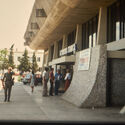
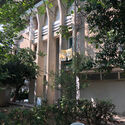
Part of the Collateral Events of the 17th International Architecture Exhibition, the extensive built work of Yugoslav architect Svetlana Kana Radević (1937-2000) is brought to light from May 22 until November 21 at the Palazzo Palumbo Fossati. Entitled “Skirting the Center: Svetlana Kana Radević on the Periphery of Postwar Architecture”, the exhibition curated by Dijana Vucinic and Anna Kats, aims to highlight the architect’s work and expand her representation.
Yugoslav Architect Svetlana Kana Radevic's Legacy on Postwar Architecture Highlighted in the 2021 Venice Biennale - Image 1 of 4Yugoslav Architect Svetlana Kana Radevic's Legacy on Postwar Architecture Highlighted in the 2021 Venice Biennale - Image 2 of 4Yugoslav Architect Svetlana Kana Radevic's Legacy on Postwar Architecture Highlighted in the 2021 Venice Biennale - Image 3 of 4Yugoslav Architect Svetlana Kana Radevic's Legacy on Postwar Architecture Highlighted in the 2021 Venice Biennale - Image 4 of 4Yugoslav Architect Svetlana Kana Radevic's Legacy on Postwar Architecture Highlighted in the 2021 Venice Biennale - More Images+ 9

A Rare View of Siberia's Soviet Architecture

Subscriber Access | 

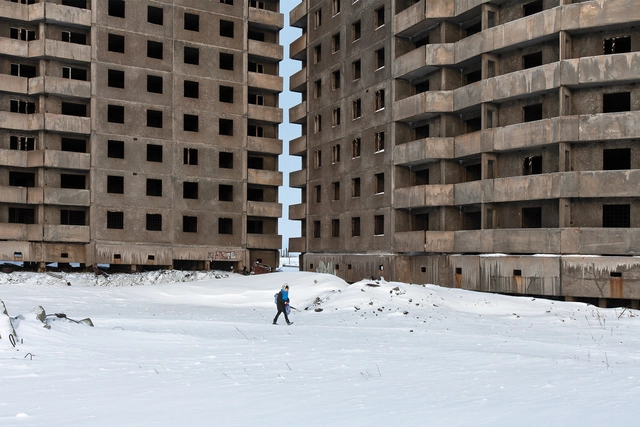
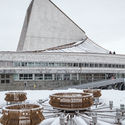
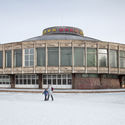
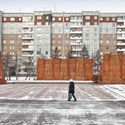
Over the past few years, a series of exhibitions and monographs have prompted a rediscovery of socialist modernism, its powerful expression and exoticism stirring significant interest. The recently published photo book Concrete Siberia. Soviet Landscapes of the Far North by Zupagrafika casts a new light on this relatively unexplored chapter of architecture history by showcasing the Soviet architecture of Siberia's major cities while providing an insight into a little-known landscape. The book presents the architecture and urban environment of six Siberian cities: Novosibirsk, Omsk, Krasnoyarsk, Norilsk, Irkutsk and Yakutsk, through the lens of Russian photographer Alexander Veryovkin, bringing about a new-found perspective on post-war architecture.

A Rare View of Siberia's Soviet Architecture - Films & ArchitectureA Rare View of Siberia's Soviet Architecture - Films & ArchitectureA Rare View of Siberia's Soviet Architecture - Films & ArchitectureA Rare View of Siberia's Soviet Architecture - Films & ArchitectureA Rare View of Siberia's Soviet Architecture - More Images+ 12

A Forward-Minded Retrospective: Cedric Price Works – 1953-2003

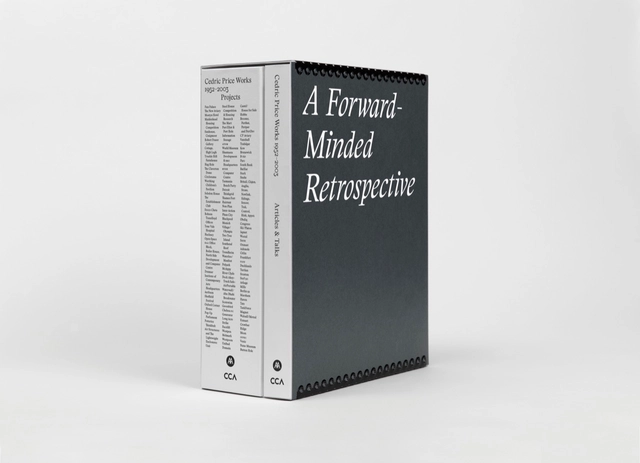
Cedric Price Works 1952-2003: A Forward-Minded Retrospective, written and edited by Samantha Hardingham, is a two-volume anthology bringing together for the first time all of the projects, articles and talks by British architect Cedric Price. Co-published by the Architectural Association (AA) and the Canadian Centre for Architecture (CCA), the publication will be launched on 14th October 2016, celebrating Price's illustrious career as an influential thinker, philosopher, teacher and architect.

Monocle 24 Report from the World Architecture Festival

For this episode of Section D, Monocle 24's weekly review of design, architecture and craft, Sophie Grove and the team explore the World Architecture Festival (WAF) in Singapore, take a considered look at post-war buildings across England, as well as hear from some longstanding manufacturers in East London who are "bucking the trend of constant change" that’s come to define their ever-developing neighbourhood.

Monocle 24 Report from the World Architecture Festival - Image 1 of 4

Video: The Elevated London That Almost Was

Subscriber Access | 

Inspired by an article written by Michael Hebbert in 1993, Chris Bevan Lee's forty minute documentary explores the elevated post-war infrastructural redevelopment of the City of London, fragments of which still stand across the square mile today. The Pedway: Elevating London examines London planners' attempt to build an ambitious network of elevated walkways through the city that largely never saw completion. In a carefully produced film those 'pedways' that remain are photographed and discussed as symbols of a utopia that almost was.