


-
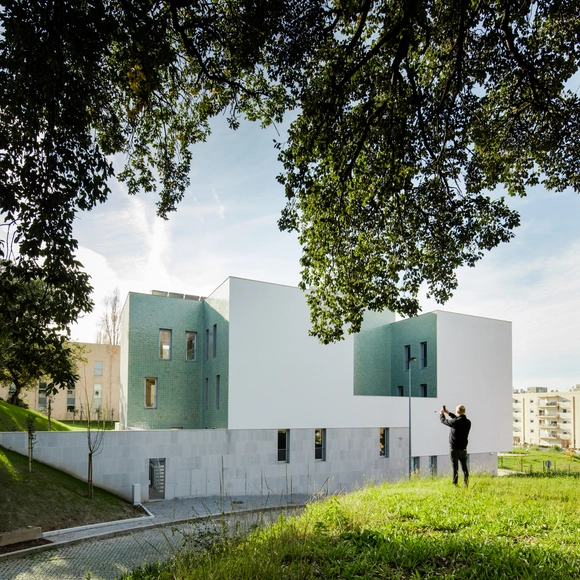
Architects: spaceworkers
- Area: 360 m²
- Year: 2016
-
Manufacturers: Azulima, Bairro Design, Caixilharia, Cerâmicos, Climatização, +5


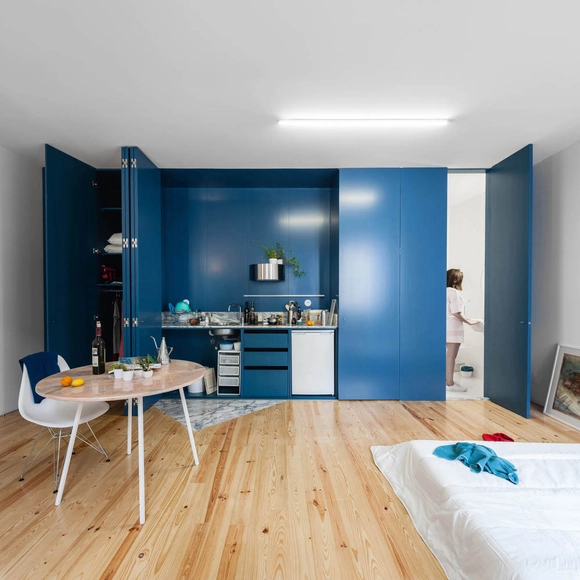
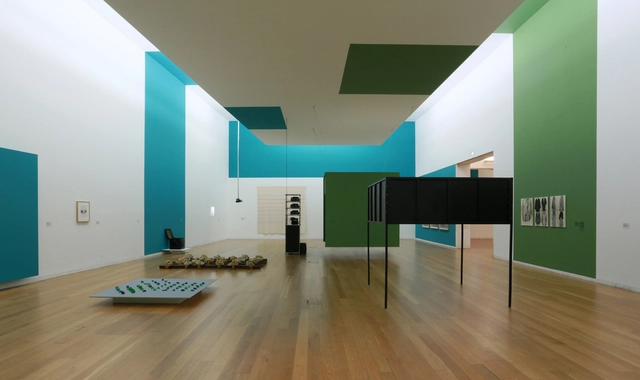
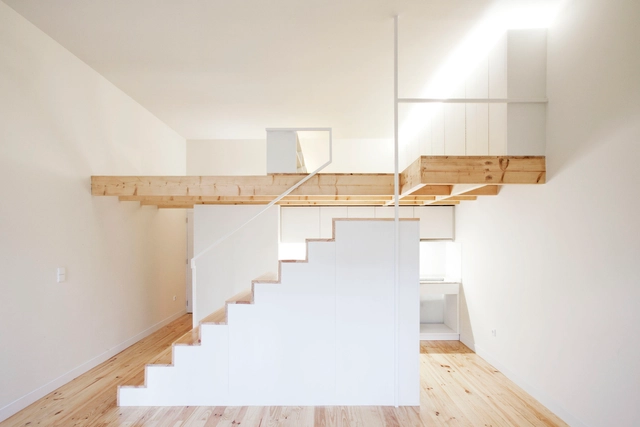

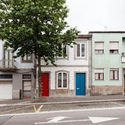
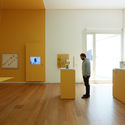
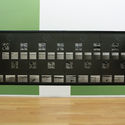
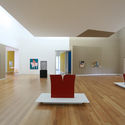
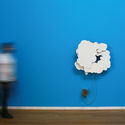
Gordon Matta-Clark (1943-1978) is one of the most influential artists of the 1970s, whose work has continued to be a noted influence of both architects and visual artists since. SPLITTING, CUTTING, WRITING, DRAWING, EATING…GORDON MATTA-CLARK surveys the constructive and destructive verbs that defined his relation to art and architecture, featuring correspondence, drawings, photographs, notebooks, and films related to the artist's key projects, drawn from the archive of the Canadian Centre for Architecture, Montréal. Along with his major building cuts from 1973 to 1978, in which laboriously cut holes into floors of abandoned or disused buildings, including A W-Hole House, Conical Intersect, Day's End, and Splitting (1974), the exhibition also explores his interest in metabolic and cooking processes, including his restaurant Food (1971); his play with language and the syntax of voids, gaps, and abandoned spaces; and the use of drawing as a mode of thinking through space.The exhibition will focus on these social and creative aspects of Matta-Clark´s conception of architecture, or as he put it, "making space without building it."

The architectural competition for Kulbroen (the Coal Bridge) is on and teams can now apply for the pre qualification. Please note that the material is in Danish, so if foreign teams want to sign up it would be a good idea to find someone here that master the language.
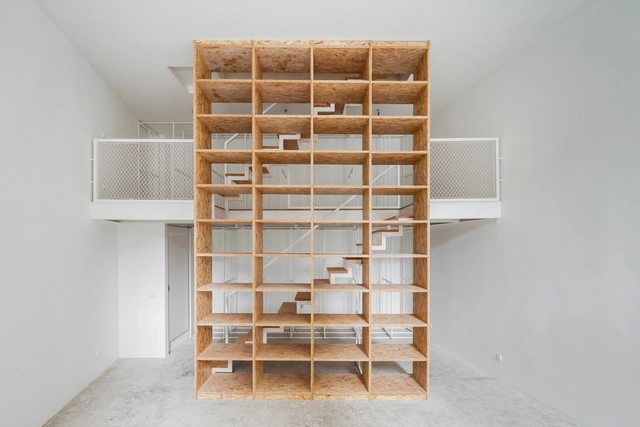
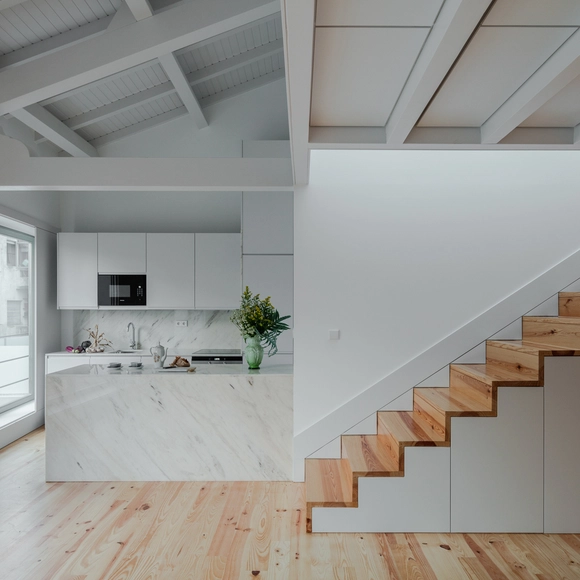
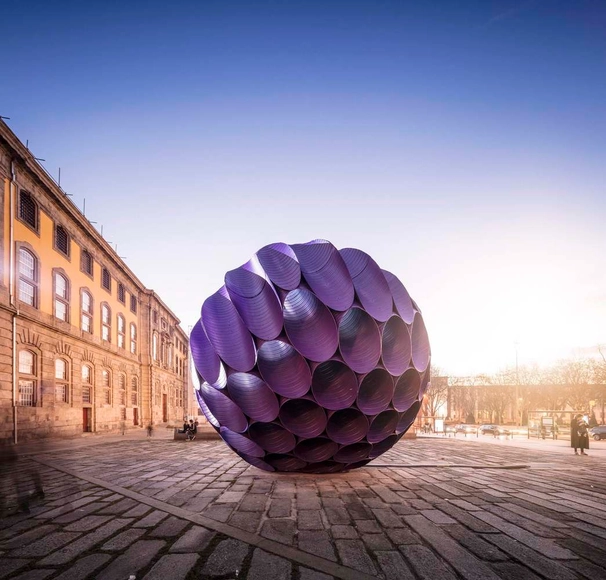
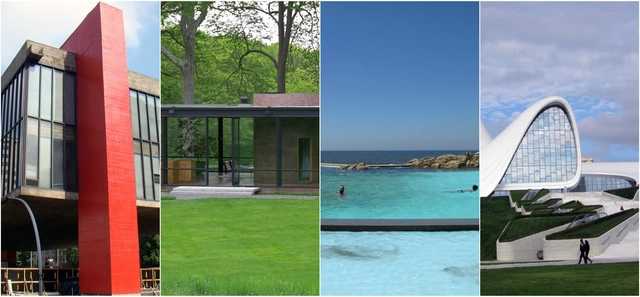
The "architectural pilgrimage" is much more than just everyday tourism. Studying and admiring a building through text and images often creates a hunger in architects, thanks to the space between the limitations of 2D representation and the true experience of the building. Seeing a building in person that one has long loved from a distance can become something of a spiritual experience, and architects often plan vacations around favorite or important spaces. But too often, architects become transfixed by a need to visit the same dozen European cities that have come to make up the traveling architect's bucket list.
The list here shares some sites that may not have made your list just yet. Although somewhat less well known than the canonical cities, the architecture of these six cities is sure to hold its ground against the world's best. The locations here make ideal long weekend trips (depending of course on where you are traveling from), although it never hurts to have more than a few days to really become immersed in a city. We have selected a few must-see buildings from each location, but each has even more to offer than what you see here—so don't be afraid to explore!





.jpg?1494334063 "© Al.Ma Fotografia | Alexandra Marques")