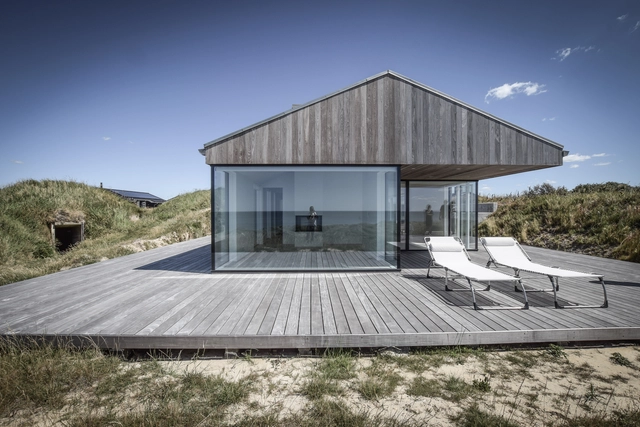
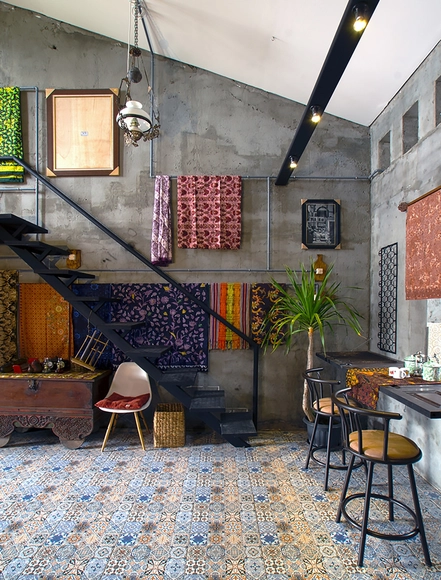
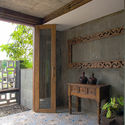
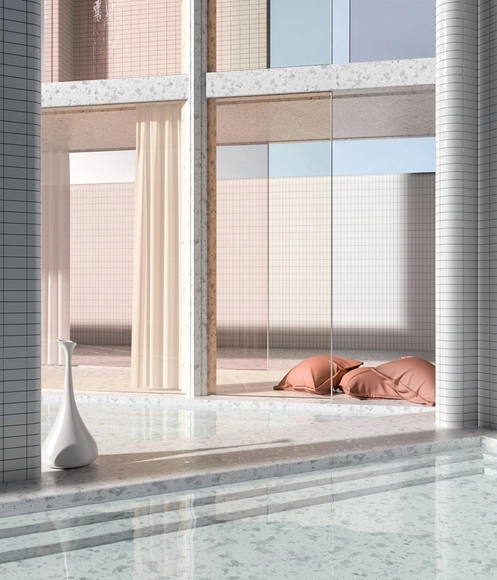
Alexis Christodoulou, out of office reply, 2017, 3D rendered artworks. Courtesy of the artist.
Social media is changing urban planning, facilitating the shift from a functional understanding of design to a formal and commercial one. Behind the friendly veneer of spaces conceived as sets for social media content, complex systems of surveillance are being tested and developed. The built environment turns into an attraction, populated not by citizens but rather by users who feel the need to self-document their lives. Public space disappears under the lack of agency and collective use, becoming a stage on which bodies move according to predefined rules and choreography.
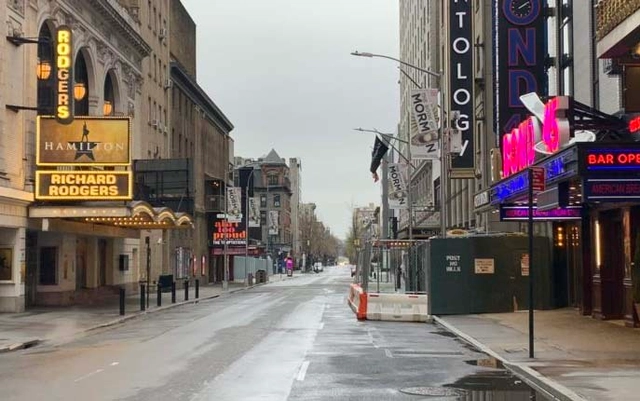
New York City: locked down, empty. It was heartbreaking, of course, but it was also beautiful. For artist Edgar Jerins, that revelation was something of a surprise. Who knew this bustling, chaotic, dirty, vibrant, profane, amazing city could look so … gorgeous when stripped of people and activity? For years, Jerins rode the subway to his studio near Times Square. When news of the spreading pandemic first surfaced—more as a vague, undefined threat, initially—he fled out of fear to the bus, and then, after the severity of the event became apparent and the lockdown began, he borrowed his daughter’s bicycle.
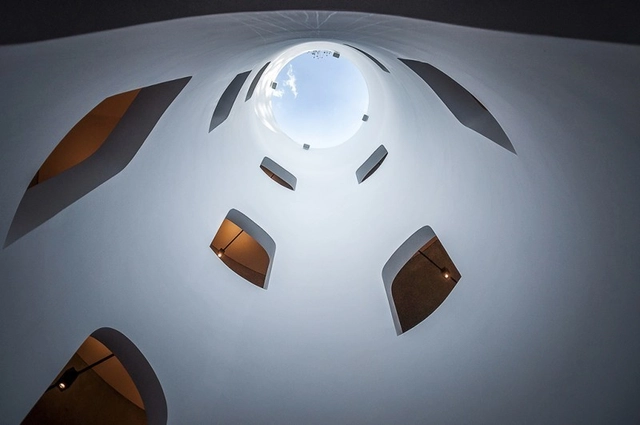
The new Zoomed In virtual photography and architecture festival has launched this week. Running from 21st - 24th of April, the festival brings together a diverse international selection of architectural photographers and cross-disciplinary creatives in a series of online talks and discussions, short film screenings, image galleries, and a charity print sale to raise funds for those most in need during the current pandemic crisis.
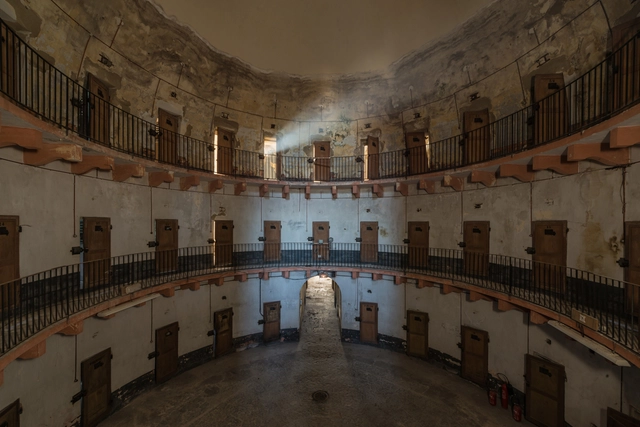
An expression of power and a symbol of surveillance, the panopticon is a notorious architectural concept intended as a disciplinary mechanism. Photographer Romain Veillon shares his images of the Panopticon-inspired prison in Autun, France.
Architectural and fine art photographer Pygmalion Karatzas is presenting a number of free online architectural photography resources for readers to explore in the period of the COVID-19 pandemic. The selected resources include e-books, numerous interviews with renowned photographers from around the world, educational presentations (academic papers, lectures, workshops), and videos.
As author Jeremy Lent points out in a recent article, the phrase “social distancing” is helpfully being recast as “physical distancing” since this pandemic is bringing people closer together in solidarity than ever before, and we are witnessing a heartwarming rediscovery of the value of community, and humanity’s prosocial impulses like altruism and compassion manifesting across sectors and boundaries.
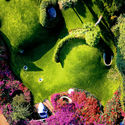
After surpassing many hurdles, the long-awaited public park and performance venue is on a set course to completion. The construction of the Little Island is underway, and new images by photographer Paul Clemence of Archi-Photo show the undulating artificial landscape coming together above the Hudson River.
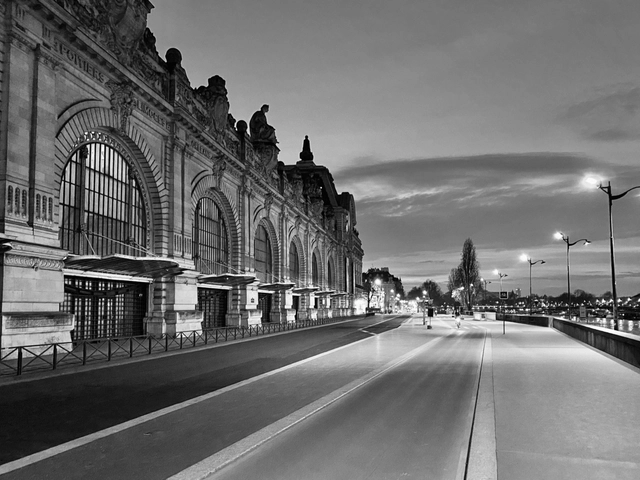
The COVID-19 pandemic has reshaped urban life, and so too has it left many streets and buildings empty as people practice social distancing. From Times Square to the Place de la Concorde in Paris, photographers are capturing these "empty cities" in a defining moment across the globe. In turn, The New York Times recently published a piece dubbed "The Great Empty", showcasing a new side to urban life in these structures and streets. Now five photographers have been commissioned to photograph Rotterdam during the pandemic.
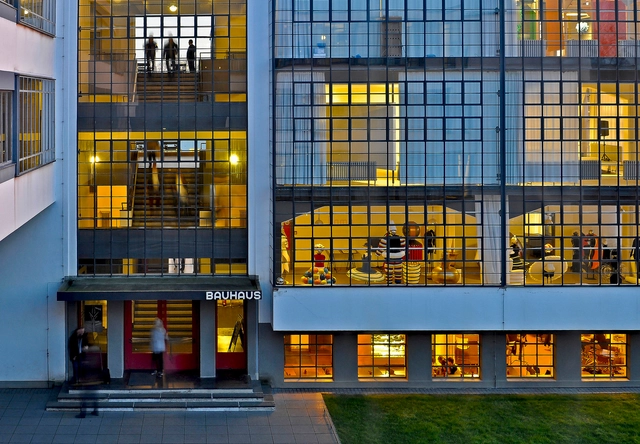
Celebrate Bauhaus 100 through the world's number one visual storytelling platform, Instagram. An essential tool for designers, Instagram is a constantly growing digital database of market sharing and stimulation. Social media has changed not only how we gather precedents and market our designs, but also our designs themselves. "Instagram Culture" drives designers to create more shareable moments. As we continue to seek these dynamic encounters, let us not forget our forefathers of user experience design and the Bauhaus school.






-Alastair-Philip-Wiper.jpg?1587401464&format=webp&width=640&height=580)
-Alastair-Philip-Wiper.jpg?1587401452 "Courtesy of Zoomed In Festival")
-Alastair-Philip-Wiper.jpg?1587401464)




.jpg?1585888341&format=webp&width=640&height=580)
.jpg?1585857060 "© Paul Clemence")
.jpg?1585857994 "© Paul Clemence")
.jpg?1585888713 "© Paul Clemence")
.jpg?1585888938 "© Paul Clemence")
.jpg?1585888341)








.jpg?1547114403&format=webp&width=640&height=580)
.jpg?1547114190 "© WDI Photography")
.jpg?1547114353 "© WDI Photography")
.jpg?1547114305 "© WDI Photography")
.jpg?1547114124 "© WDI Photography")
.jpg?1547114403)