1. ArchDaily
  2. New York

New York: The Latest Architecture and News

Gensler Announces Plans to Transform Times Square Office Tower into Housing in New York City

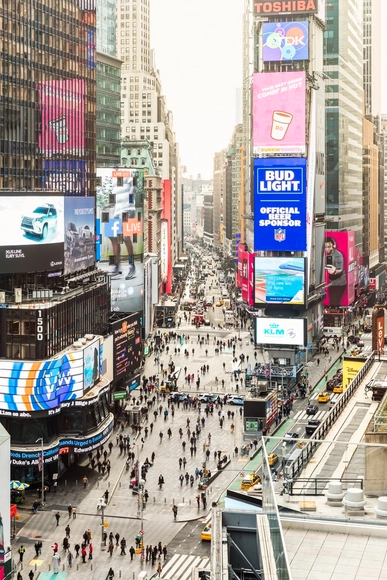
The Empire State Development (ESD) Board of Directors has approved a major office-to-residential conversion project at 5 Times Square, New York City, as announced by the New York state government. Originally built in 2002 as the headquarters for Ernst & Young, with Kohn Pedersen Fox (KPF) as the design architect, the building has been largely vacant since the corporation vacated the premises in 2022, with vacancy rates remaining around 75 percent. Gensler's proposal aims to repurpose this underutilized office space into a mixed-use complex, introducing up to 1,250 new homes, including 313 permanently affordable units.

Gensler Announces Plans to Transform Times Square Office Tower into Housing in New York City - Image 1 of 4Gensler Announces Plans to Transform Times Square Office Tower into Housing in New York City - Image 2 of 4Gensler Announces Plans to Transform Times Square Office Tower into Housing in New York City - Image 3 of 4Gensler Announces Plans to Transform Times Square Office Tower into Housing in New York City - Image 4 of 4Gensler Announces Plans to Transform Times Square Office Tower into Housing in New York City - More Images+ 2

Mid-Century & Mid-Western: Tracing the Modernist Movement in America’s Industrial Corridor

Subscriber Access | 

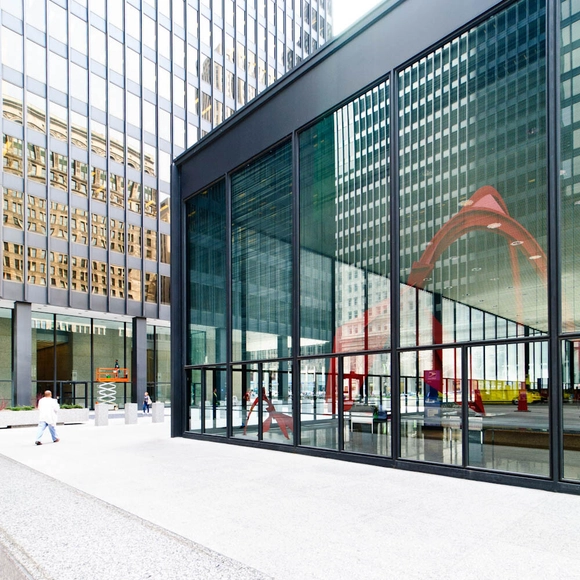
The Mid-Century Modernist movement was more than an aesthetic or material shift in the United States, as it was a response to a rapidly changing world. Emerging after World War II, this architectural revolution rejected ornate, traditional styles of the past in favor of clean lines, functional design, and incorporation of flashy materials like steel, glass, and concrete. Modernism was a break from tradition, focusing instead on simplicity, efficiency, and a vision for the future. It reflected the optimism of a nation rebuilding itself, where technology and innovation shaped everything from cityscapes to suburban homes.

Mid-Century & Mid-Western: Tracing the Modernist Movement in America’s Industrial Corridor - Image 1 of 4Mid-Century & Mid-Western: Tracing the Modernist Movement in America’s Industrial Corridor - Image 2 of 4Mid-Century & Mid-Western: Tracing the Modernist Movement in America’s Industrial Corridor - Image 3 of 4Mid-Century & Mid-Western: Tracing the Modernist Movement in America’s Industrial Corridor - Image 4 of 4Mid-Century & Mid-Western: Tracing the Modernist Movement in America’s Industrial Corridor - More Images+ 10

From Root to Roof: In Venice, ArchDaily Highlights Restorative Emerging Practices

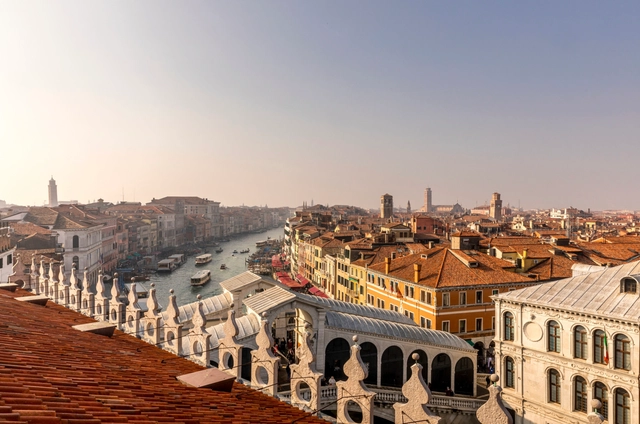
In partnership with the European Cultural Center (ECC), ArchDaily has launched its inaugural exhibition as part of the seventh iteration of Time Space Existence, an architectural showcase occurring concurrently with the 19th Venice Architecture Biennale. Open from May 10 to November 23, 2025, in various locations throughout Venice, this edition centers on the theme of "Repair, Regenerate, and Reuse," promoting innovative and sustainable approaches in architecture. ArchDaily's contribution is located at Palazzo Mora, complementing other venues like Palazzo Bembo, Marinaressa Gardens, and Palazzo Michiel.

From Root to Roof: In Venice, ArchDaily Highlights Restorative Emerging Practices - Image 1 of 4From Root to Roof: In Venice, ArchDaily Highlights Restorative Emerging Practices - Image 2 of 4From Root to Roof: In Venice, ArchDaily Highlights Restorative Emerging Practices - Image 3 of 4From Root to Roof: In Venice, ArchDaily Highlights Restorative Emerging Practices - Image 4 of 4From Root to Roof: In Venice, ArchDaily Highlights Restorative Emerging Practices - More Images+ 17

Architecture Now: From India’s New Administrative Capital to Singapore’s Expanding Airport, Discover Projects by Foster + Partners, SOM, Heatherwick Studio, and More

Subscriber Access | 

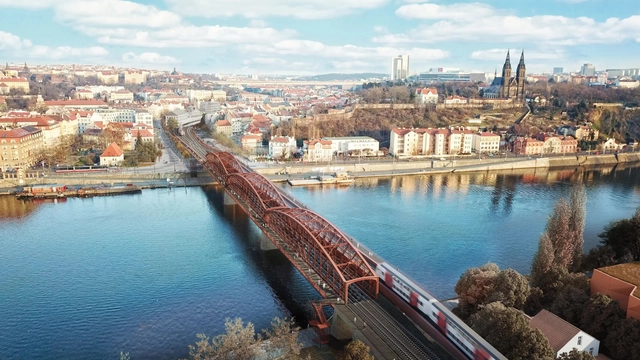
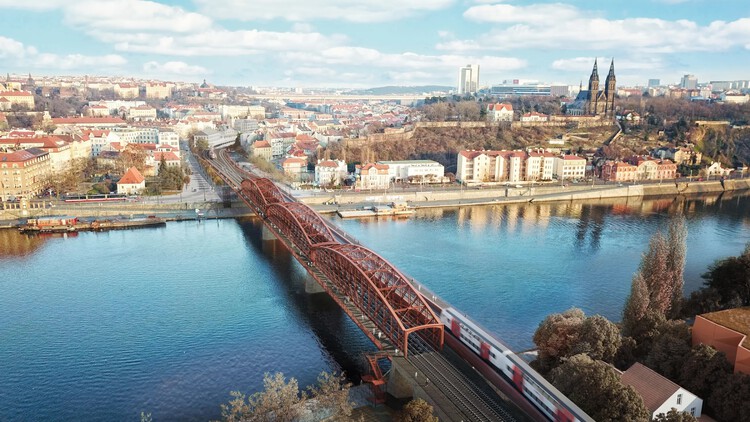
From new city-scale developments to adaptive reuse proposals, this edition of Architecture Now highlights a range of recently announced projects around the world. Foster + Partners leads the restart of Amaravati, a planned capital city in India; Safdie Architects proposes a new tower in Portland's historic Old Port; and SOM breaks ground on a cultural and academic pavilion at Temple University. Other updates include a preservation plan for a historic bridge in Prague, a coastal hospitality development in Abu Dhabi, and a large-scale housing project in Brooklyn designed by TenBerke. Together, these projects reflect evolving priorities in housing, sustainability, heritage, and public space across diverse global contexts.

Architecture Now: From India’s New Administrative Capital to Singapore’s Expanding Airport,  Discover Projects by Foster + Partners, SOM, Heatherwick Studio, and More - Image 1 of 4Architecture Now: From India’s New Administrative Capital to Singapore’s Expanding Airport,  Discover Projects by Foster + Partners, SOM, Heatherwick Studio, and More - Image 2 of 4Architecture Now: From India’s New Administrative Capital to Singapore’s Expanding Airport,  Discover Projects by Foster + Partners, SOM, Heatherwick Studio, and More - Image 3 of 4Architecture Now: From India’s New Administrative Capital to Singapore’s Expanding Airport,  Discover Projects by Foster + Partners, SOM, Heatherwick Studio, and More - Image 4 of 4Architecture Now: From India’s New Administrative Capital to Singapore’s Expanding Airport,  Discover Projects by Foster + Partners, SOM, Heatherwick Studio, and More - More Images+ 10

Architecture Now: Urban Updates from Madrid to L.A. on Climate, Policy, and Recovery

In recent weeks, cities around the world have introduced new policies, recovery efforts, and infrastructure projects that reflect growing pressure to adapt to climate realities. From Southern Europe to South America and the United States, these urban updates address both immediate challenges and long-term shifts in how the built environment is governed, designed, and inhabited. Some initiatives focus on regulation, tightening building codes in fire-prone areas or reforming aging safety systems, while others spotlight large-scale investments tied to global events such as COP30 and the Venice Architecture Biennale. This edition of Architecture Now gathers a selection of city-led actions and collaborative efforts that point toward a more resilient, responsive future for architecture and urban life.

Architecture Now: Urban Updates from Madrid to L.A. on Climate, Policy, and Recovery - Image 1 of 4Architecture Now: Urban Updates from Madrid to L.A. on Climate, Policy, and Recovery - Image 2 of 4Architecture Now: Urban Updates from Madrid to L.A. on Climate, Policy, and Recovery - Image 3 of 4Architecture Now: Urban Updates from Madrid to L.A. on Climate, Policy, and Recovery - Image 4 of 4Architecture Now: Urban Updates from Madrid to L.A. on Climate, Policy, and Recovery - More Images+ 2

From the Islands of Indonesia to the Forests of Germany, Discover 8 Proposals for Residential Nature Retreats from the ArchDaily Community

Subscriber Access | 

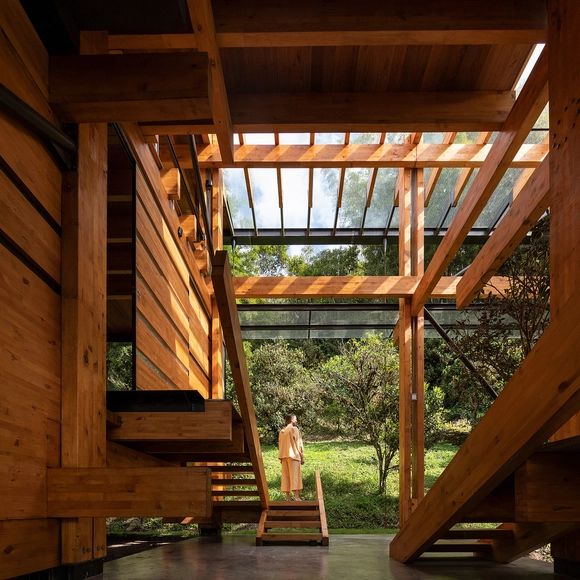
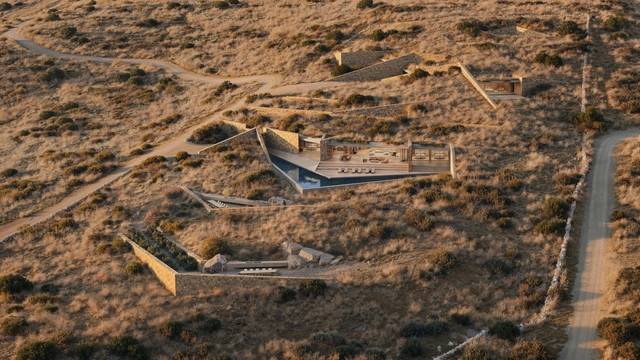
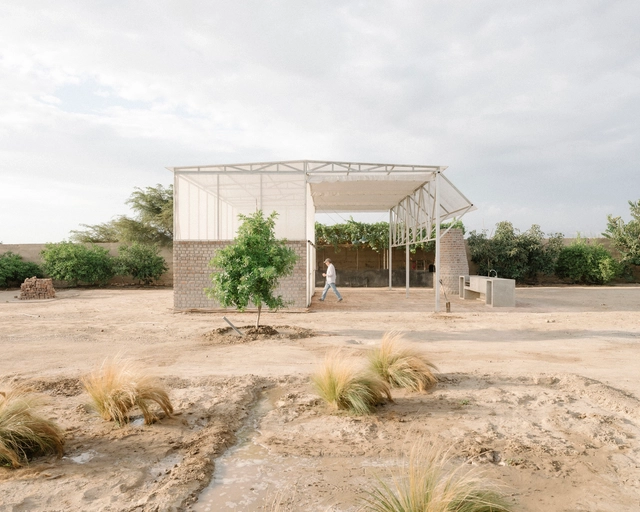
Residential houses, villas, and retreats are increasingly being designed as places of pause—spaces where architecture supports rest, reflection, and stronger connections to nature. Rather than focusing solely on urban living or compact efficiency, these homes are set in remote, scenic, or rural locations, where the landscape becomes an essential part of daily life. Through careful siting, use of natural materials, and open layouts, they offer an elevated standard of living that is both intentional and grounded in place.

From the Islands of Indonesia to the Forests of Germany, Discover 8 Proposals for Residential Nature Retreats from the ArchDaily Community - Image 6 of 4From the Islands of Indonesia to the Forests of Germany, Discover 8 Proposals for Residential Nature Retreats from the ArchDaily Community - Image 20 of 4From the Islands of Indonesia to the Forests of Germany, Discover 8 Proposals for Residential Nature Retreats from the ArchDaily Community - Image 9 of 4From the Islands of Indonesia to the Forests of Germany, Discover 8 Proposals for Residential Nature Retreats from the ArchDaily Community - Image 42 of 4From the Islands of Indonesia to the Forests of Germany, Discover 8 Proposals for Residential Nature Retreats from the ArchDaily Community - More Images+ 42

The 2025 Architectural League Prize for Young Architects + Designers Announces the Winners

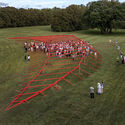
The Architectural League of New York has announced the winners of its 44th cycle of the Architectural League Prize for Young Architects + Designers. Each year, the competition centers around a theme developed by a committee of past winners. This year's theme, Plot, invited participants to explore the role of plot in architecture, whether understood as land, drawing, or scheme, and consider how these frameworks shape design narratives and processes. Established in 1981, the annual competition recognizes early-career architects and designers in North America.

This year's programming follows a hybrid model. A virtual lecture series will launch on June 11 and feature presentations by the winners alongside moderated discussions. Installations by the winners will be presented either onsite or in digital formats and showcased in an online exhibition.

The 2025 Architectural League Prize for Young Architects + Designers Announces the Winners - Image 1 of 4The 2025 Architectural League Prize for Young Architects + Designers Announces the Winners - Image 2 of 4The 2025 Architectural League Prize for Young Architects + Designers Announces the Winners - Image 3 of 4The 2025 Architectural League Prize for Young Architects + Designers Announces the Winners - Image 4 of 4The 2025 Architectural League Prize for Young Architects + Designers Announces the Winners - More Images+ 7

Populous Designs New Training Center for the New York Liberty Basketball Team in Brooklyn

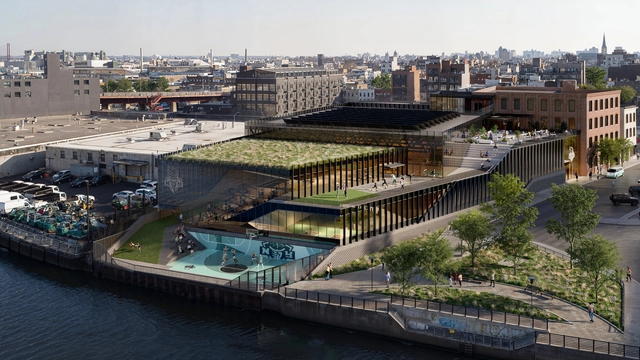
Populous, the global architecture firm, recently released images of the design for a new New York Liberty practice facility in Greenpoint, Brooklyn. The $80 million project is a player-led endeavor, developed for and in collaboration with the women's professional basketball team. The new building will span 75,000 square feet and offer views of Manhattan's skyline. In addition to serving as a basketball training center, the facility is also designed to support community engagement and expand the team's impact throughout New York City.

Populous Designs New Training Center for the New York Liberty Basketball Team in Brooklyn - Image 1 of 4Populous Designs New Training Center for the New York Liberty Basketball Team in Brooklyn - Image 2 of 4Populous Designs New Training Center for the New York Liberty Basketball Team in Brooklyn - Image 3 of 4Populous Designs New Training Center for the New York Liberty Basketball Team in Brooklyn - Image 4 of 4Populous Designs New Training Center for the New York Liberty Basketball Team in Brooklyn - More Images+ 2

Environmental Noise: Improving Urban Soundscapes for Well-Being

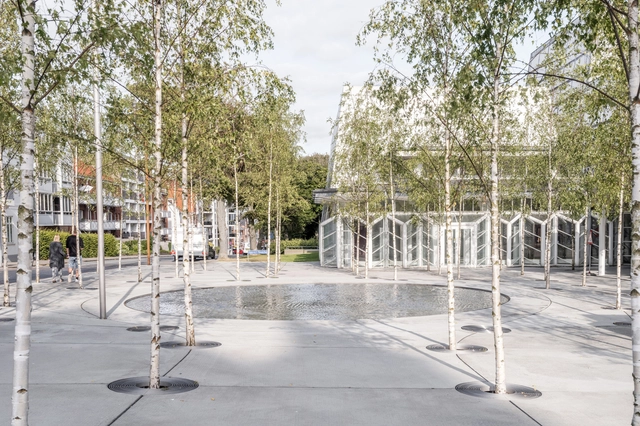
According to several recent studies, noise in cities has become an increasing hazard to health. Environmental noise, that is, noise from traffic, industrial activities, or amplified music, which reaches internal spaces, is not merely an annoyance. It has been linked to cardiovascular disease, diabetes, dementia, and mental health. As the world urbanizes, more people are exposed to excessive levels of noise. How can urban design and architectural strategies help to prevent this?

Environmental Noise: Improving Urban Soundscapes for Well-Being - Image 1 of 4Environmental Noise: Improving Urban Soundscapes for Well-Being - Image 2 of 4Environmental Noise: Improving Urban Soundscapes for Well-Being - Image 3 of 4Environmental Noise: Improving Urban Soundscapes for Well-Being - Image 4 of 4Environmental Noise: Improving Urban Soundscapes for Well-Being - More Images+ 11

David M. Childs, Architect Who Rebuilt New York's Skyline, Passes Away at 83

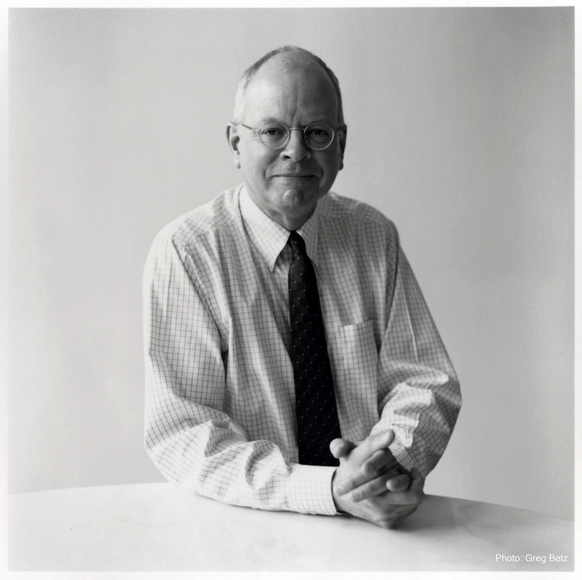
David M. Childs, the architect renowned for his significant contributions to the New York City skyline, passed away on March 26, 2025, in Pelham, N.Y., at the age of 83. His career, primarily spent at Skidmore, Owings & Merrill (SOM), was marked by a commitment to urbanistic values and a dedication to enhancing the civic good through architecture. Childs left an indelible mark on the built environment, balancing aesthetic considerations with the complex demands of large-scale urban projects.

David M. Childs, Architect Who Rebuilt New York's Skyline, Passes Away at 83 - Image 1 of 4David M. Childs, Architect Who Rebuilt New York's Skyline, Passes Away at 83 - Image 2 of 4David M. Childs, Architect Who Rebuilt New York's Skyline, Passes Away at 83 - Image 3 of 4David M. Childs, Architect Who Rebuilt New York's Skyline, Passes Away at 83 - Image 4 of 4David M. Childs, Architect Who Rebuilt New York's Skyline, Passes Away at 83 - More Images+ 1

Ricardo Scofidio, Co-Founder of Diller Scofidio + Renfro, Passes Away at 89

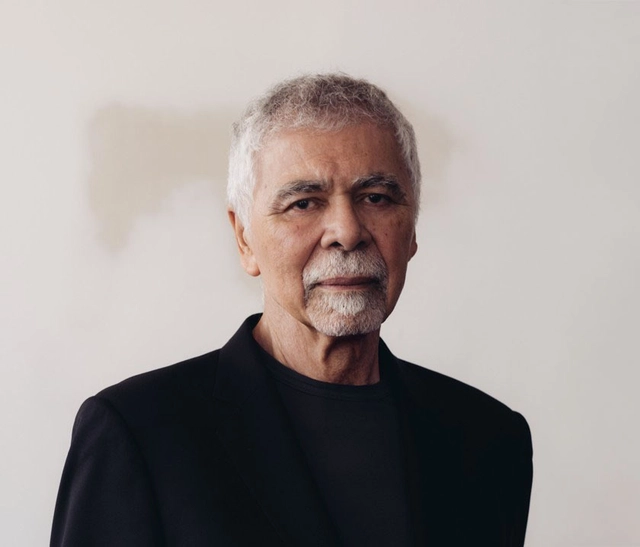
Ricardo Scofidio, a distinguished figure in the world of architecture, passed away on March 6, 2025, at the age of 89. Born in New York City in 1935, Scofidio co-founded the influential architecture firm Diller Scofidio + Renfro (DS+R) with his partner Elizabeth Diller in 1979. Together, they brought to the profession a conceptual art sensibility, influencing the design of globally recognized cultural landmarks and public spaces. Among their most notable projects are the High Line in Manhattan and the transformation of Lincoln Center, each reflecting the studio's ambition of challenging conventional architectural premises.

Ricardo Scofidio, Co-Founder of Diller Scofidio + Renfro, Passes Away at 89 - Image 1 of 4Ricardo Scofidio, Co-Founder of Diller Scofidio + Renfro, Passes Away at 89 - Image 2 of 4Ricardo Scofidio, Co-Founder of Diller Scofidio + Renfro, Passes Away at 89 - Image 3 of 4Ricardo Scofidio, Co-Founder of Diller Scofidio + Renfro, Passes Away at 89 - Image 4 of 4Ricardo Scofidio, Co-Founder of Diller Scofidio + Renfro, Passes Away at 89 - More Images+ 2

The Role of Urban Spaces in Shaping Movements: 7 Sites of Resistance and Protest Across the USA

Subscriber Access | 

Protests, civil disobedience, and dissent are not only a defining part of our shared history since the colonial era, they also continue to the present day on campuses, at political conventions, and elsewhere. In this context, some historic marches, sit-ins, and other actions are enshrined in our collective narrative, while others have faded from memory; however, the cultural landscapes that served as stages where these events occurred still exist. These places are the focus of Landslide 2024: Demonstration Grounds and a portal for re-engaging with the stories of little-known or even forgotten events that were pivotal in USA history. The thirteen different sites across the country, represented in the new report and digital exhibition from The Cultural Landscape Foundation (TCLF), touch on events that shaped individuals and sparked movements.

The Role of Urban Spaces in Shaping Movements: 7 Sites of Resistance and Protest Across the USA - Image 1 of 4The Role of Urban Spaces in Shaping Movements: 7 Sites of Resistance and Protest Across the USA - Image 2 of 4The Role of Urban Spaces in Shaping Movements: 7 Sites of Resistance and Protest Across the USA - Image 3 of 4The Role of Urban Spaces in Shaping Movements: 7 Sites of Resistance and Protest Across the USA - Image 4 of 4The Role of Urban Spaces in Shaping Movements: 7 Sites of Resistance and Protest Across the USA - More Images+ 14

How Should Historic Buildings in the United States Address Energy Efficiency Mandates?

Subscriber Access | 

The United States is a country with an extensive history, its buildings holding onto legacies from later times. For their cultural significance, these structures are greatly celebrated and protected, however, they are also exempt from certain energy efficiency mandates. As cities push toward reaching climate goals, these mandates are under scrutiny. Preservationists argue that historic buildings deserve protection from potentially damaging retrofits. On the other hand, sustainability advocates bring up the need for energy efficiency improvements across all sectors of the built environment. The challenge lies in achieving a balance between the competing priorities - ensuring the maintenance of heritage and environmental responsibility.

How Should Historic Buildings in the United States Address Energy Efficiency Mandates? - Image 1 of 4How Should Historic Buildings in the United States Address Energy Efficiency Mandates? - Image 2 of 4How Should Historic Buildings in the United States Address Energy Efficiency Mandates? - Image 3 of 4How Should Historic Buildings in the United States Address Energy Efficiency Mandates? - Image 4 of 4How Should Historic Buildings in the United States Address Energy Efficiency Mandates? - More Images+ 1

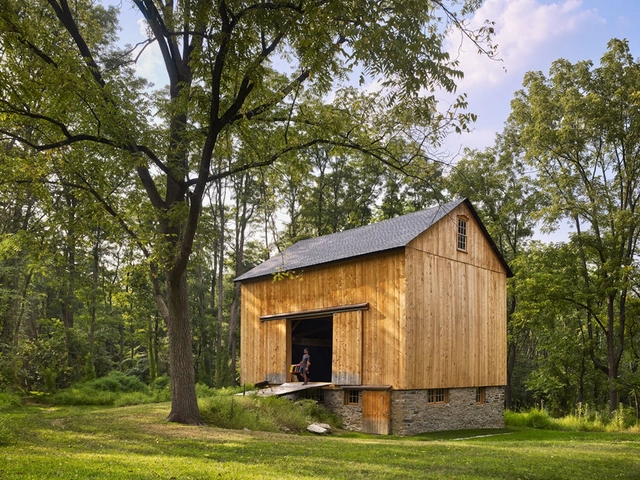
Barn at Windover / Material Design Build

Barn at Windover / Material Design Build - Exterior Photography, RenovationBarn at Windover / Material Design Build - RenovationBarn at Windover / Material Design Build - Exterior Photography, RenovationBarn at Windover / Material Design Build - Exterior Photography, RenovationBarn at Windover / Material Design Build - More Images+ 3

Redefining Urban Domesticity: How SO-IL Transforms the Concept of Home

Subscriber Access | 

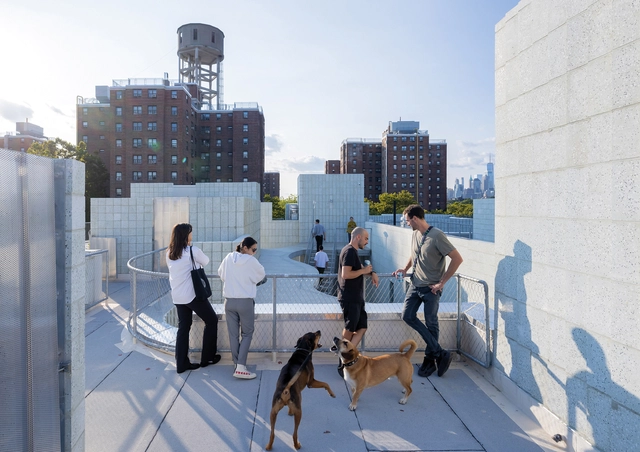
SO-IL (Solid Objectives – Idenburg Liu) is an architectural design firm based in Brooklyn, New York, founded in 2008 by Florian Idenburg and Jing Liu. Known for an architecture deeply engaged with social, cultural, and environmental contexts, the studio focuses on exploring innovative materials, creating fluid spatial experiences, and prioritizing ecological sustainability. SO-IL's work spans various scales and program types, reflecting their versatile approach to design. In 2024, their housing project 450 Warren in Brooklyn was selected as ArchDaily's Building of the Year by the audience in the housing category.

In their latest book, In Depth: Urban Domesticities Today, SO-IL explores the evolving concept of home in contemporary urban contexts, transforming it "from a source of vulnerability into a tool for empowerment." The book redefines domesticity as an active and shared experience and examines how architects can address pressing urban challenges such as affordability, density, and sustainability. SO-IL's work advocates for flexible, resilient housing that fosters community while integrating ecological and social dimensions. ArchDaily spoke with the architects about the innovative solutions and ideas presented in the book, delving into how their projects challenge conventional systems and envision a future where architecture is a tool for empowerment.

Redefining Urban Domesticity: How SO-IL Transforms the Concept of Home - Image 1 of 4Redefining Urban Domesticity: How SO-IL Transforms the Concept of Home - Image 2 of 4Redefining Urban Domesticity: How SO-IL Transforms the Concept of Home - Image 3 of 4Redefining Urban Domesticity: How SO-IL Transforms the Concept of Home - Image 4 of 4Redefining Urban Domesticity: How SO-IL Transforms the Concept of Home - More Images+ 13

Part Infrastructure, Part Landscape, Part Architecture: In Conversation with Marion Weiss and Michael Manfredi

New York architects Marion Weiss and Michael Manfredi founded their studio, Weiss/Manfredi, in 1989 after winning a couple of important competitions—for the Military Women's Memorial at Arlington National Cemetery and Olympia Fields and Community Center near Chicago—both were built in the 1990s. Their most representative built works include the Brooklyn Botanic Garden Visitor Center, Hunter's Point South Waterfront Park, and the Barnard College Diana Center, all in New York City. The architects' Seattle Museum of Art's Olympic Sculpture Park, which won an international competition and was built in 2007, was praised by critics as one of the world's greatest sculpture parks and among the best examples of landscape urbanism.

Part Infrastructure, Part Landscape, Part Architecture: In Conversation with Marion Weiss and Michael Manfredi - Image 1 of 4Part Infrastructure, Part Landscape, Part Architecture: In Conversation with Marion Weiss and Michael Manfredi - Image 2 of 4Part Infrastructure, Part Landscape, Part Architecture: In Conversation with Marion Weiss and Michael Manfredi - Image 3 of 4Part Infrastructure, Part Landscape, Part Architecture: In Conversation with Marion Weiss and Michael Manfredi - Image 4 of 4Part Infrastructure, Part Landscape, Part Architecture: In Conversation with Marion Weiss and Michael Manfredi - More Images+ 12

New York City Implements Traffic Congestion Pricing, the First in the US

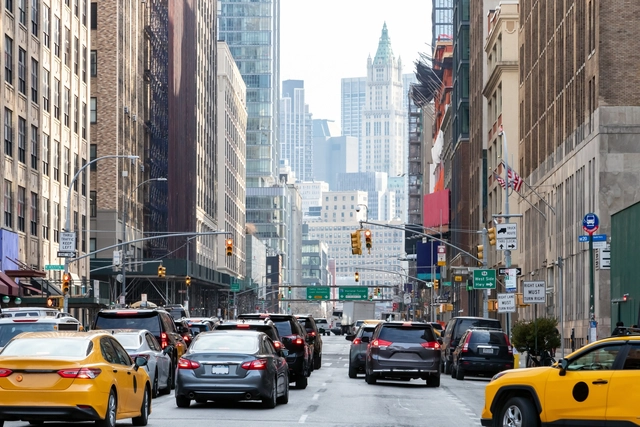
New York City has implemented the first congestion pricing scheme in the US, charging drivers up to $9 per day to enter a designated zone south of Central Park, encompassing areas like Times Square and Wall Street. The initiative aims to alleviate chronic traffic congestion, improve air quality, and generate revenue for public transportation improvements, addressing New York City's ranking as the world's most congested urban area for two consecutive years. The plan went into effect Sunday, January 5th, 2025.

New York City Implements Traffic Congestion Pricing, the First in the US - Image 1 of 4New York City Implements Traffic Congestion Pricing, the First in the US - Image 2 of 4New York City Implements Traffic Congestion Pricing, the First in the US - Image 3 of 4New York City Implements Traffic Congestion Pricing, the First in the US - Image 4 of 4New York City Implements Traffic Congestion Pricing, the First in the US - More Images

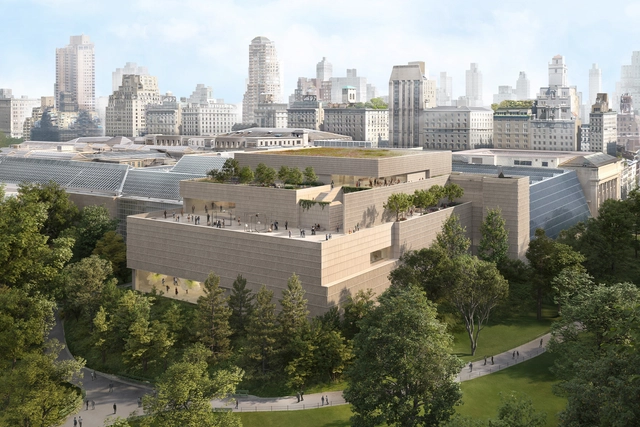
The MET Museum Reveals Design of a New Wing in New York by Architect Frida Escobedo

The Metropolitan Museum of Art in New York has unveiled the design for a new wing dedicated to its 20th- and 21st-century art collection. Architect Frida Escobedo, the first woman to design a Met wing, is leading the project. The Oscar L. Tang and H.M. Agnes Hsu-Tang Wing will increase gallery space by almost 50 percent, adding over 70,000 square feet. This expansion will address accessibility issues, improve infrastructure, and enhance the sustainability of the building. The opening of the new wing is anticipated in 2030.


The MET Museum Reveals Design of a New Wing in New York by Architect Frida Escobedo - Image 1 of 4The MET Museum Reveals Design of a New Wing in New York by Architect Frida Escobedo - Image 2 of 4The MET Museum Reveals Design of a New Wing in New York by Architect Frida Escobedo - Image 3 of 4The MET Museum Reveals Design of a New Wing in New York by Architect Frida Escobedo - Image 4 of 4The MET Museum Reveals Design of a New Wing in New York by Architect Frida Escobedo - More Images+ 1