


-
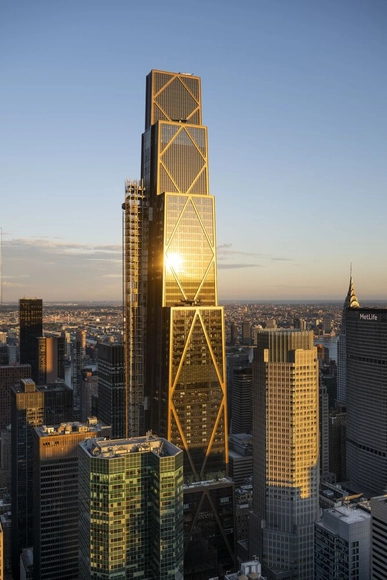
Architects: Foster + Partners
- Area: 228515 m²
- Year: 2025
-
Professionals: Severud Associates, Foster + Partners, STUDIOS Architecture, SOM, Gensler, +12



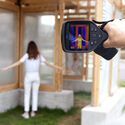
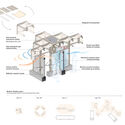
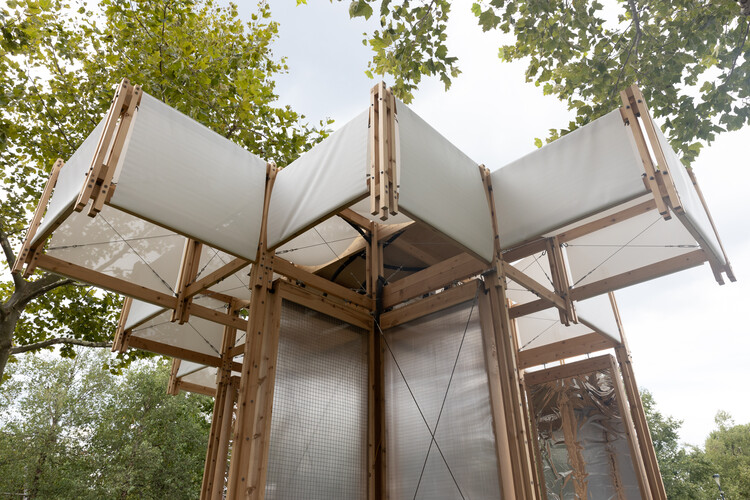
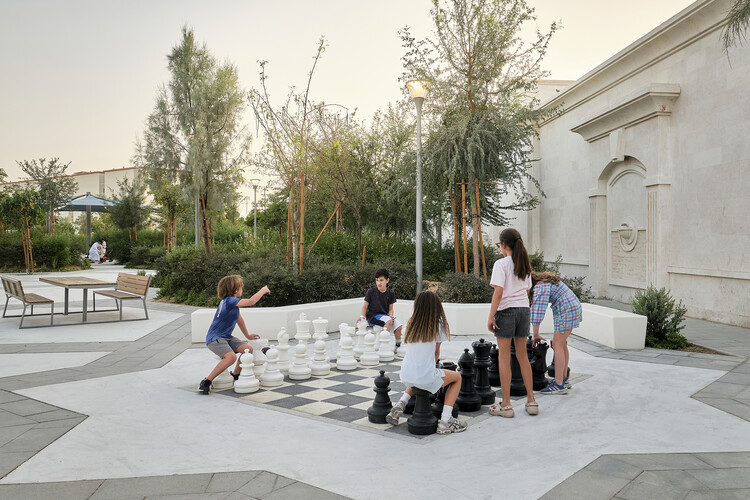
When exposed to heat, the body activates several physiological mechanisms to maintain thermal homeostasis. However, these natural defenses are often overwhelmed in our modern cities. In an urban environment defined by heat-absorbing asphalt, concrete, and a lack of green spaces, these mechanisms become inefficient. If the surroundings are excessively hot, humid, or poorly ventilated—conditions amplified by the Urban Heat Island effect—the core body temperature begins to rise, and the risk of serious complications increases, ranging from cramps and exhaustion to potentially fatal heat strokes.
This week, architectural developments around the world highlighted the balance between continuity and change in the built environment. Conversations around sustainability, heritage, and resilience highlight how architecture adapts to shifting cultural, social, and environmental conditions, reimagining the role of design in shaping future communities. Across different contexts, projects, and initiatives, ongoing efforts to address environmental challenges, preserve cultural landmarks, and prepare new infrastructures reflecting the diverse scales and directions shaping architectural practice today.

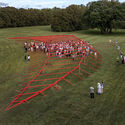
With deep roots, sturdy trunks, and the ability to withstand extreme temperatures, date palms (Phoenix dactylifera) are among the species best adapted to the arid desert environment. It is no coincidence that in many local indigenous cultures they are known as the "tree of life," as their fruits, leaves, and trunks have provided food, shelter, and building materials for thousands of years. Without them, much of human settlement in desert regions would not have been possible. Today, widely cultivated across desert regions around the world, the species continues to sustain traditional agricultural practices, yet its potential can be further enhanced and expanded through the efforts of contemporary researchers.
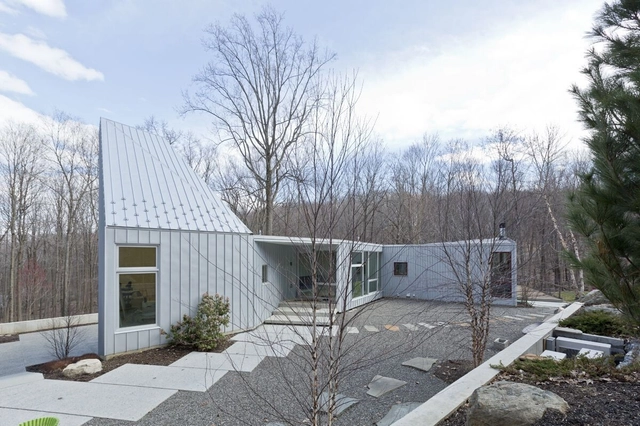
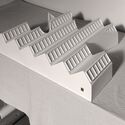
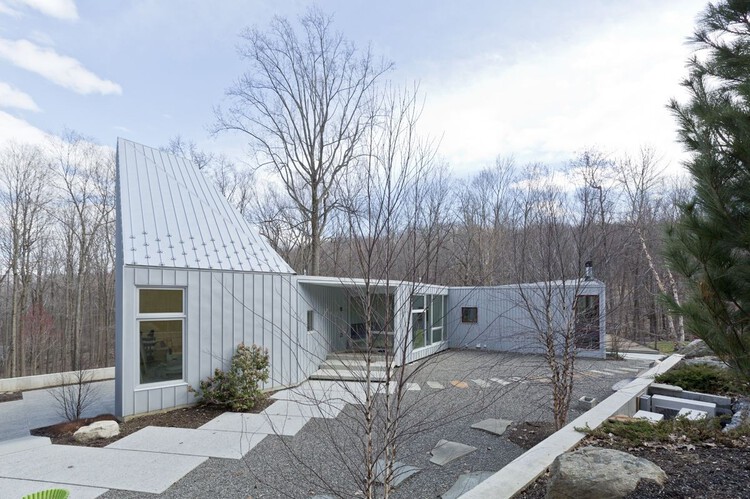
'T' Space will open New Hudson Valley Houses on September 7 at the Archive Gallery in Rhinebeck, New York. The exhibition gathers ten recently designed homes by architects Stan Allen, Garrick Ambrose, Steven Holl, Toshiko Mori Architect, and MOS, all located within three hours of New York City. Rather than showcasing completed works through photography, the presentation relies exclusively on models and drawings, inviting visitors into the architectural process and the conceptual foundations behind each project.
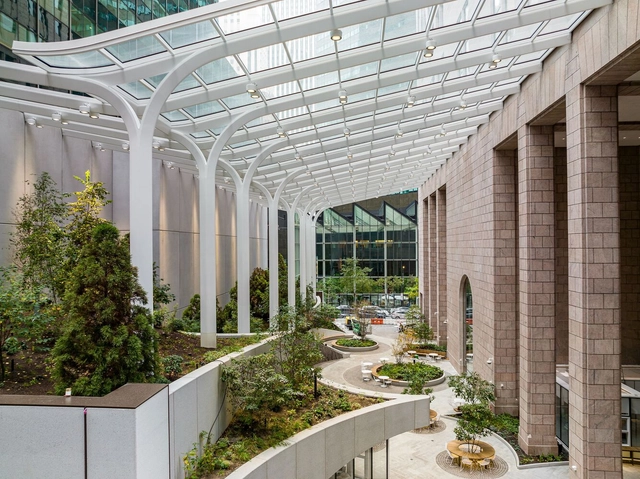
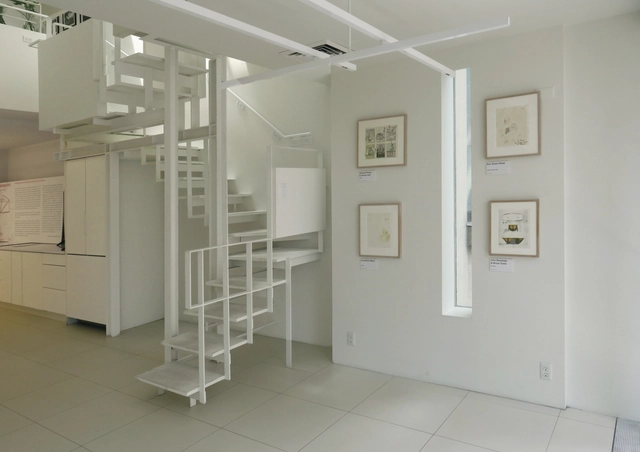
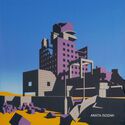
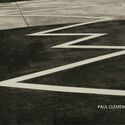
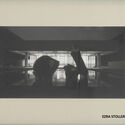
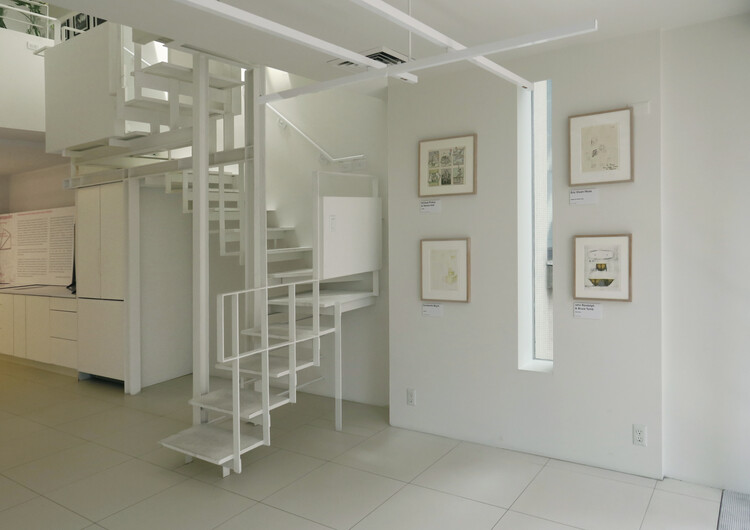
An exhibition of architectural drawings and photographs, titled "Architecture = Art: The Susan Grant Lewin Collection," is now on view at Paul Rudolph's Modulightor Building in Manhattan, New York. Hosted by the Paul Rudolph Institute for Modern Architecture (PRIMA), the collection brings together works by prominent architects, including Eileen Gray, Daniel Arsham, Frank Gehry, Jesse Reiser, Hani Rashid, Steven Holl, Aldo Rossi, Michael Graves, James Wines, Stanley Tigerman, John Hejduk, among others. The drawings are accompanied by a selection of photographs by architectural photographers such as Ezra Stoller, Robin Hill, Norman McGrath, Paul Clemence, and others. The exhibition opened on July 2 and will remain on view until September 20, 2025.
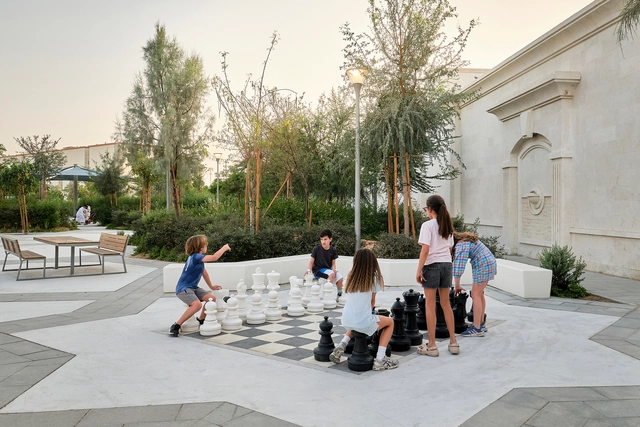
August 12, designated by the United Nations as International Youth Day since 1998, was conceived as an occasion to bring youth issues to the forefront of the international agenda and to celebrate the contributions of young people to today's global society. Each year, the observance focuses on a specific theme. In 2025, it is "Local Youth Actions for the SDGs and Beyond," emphasizing the role of youth in transforming global ambitions into community-driven realities. The aim is to highlight how young people help implement the Sustainable Development Goals (SDGs) within local contexts and bridge the gap between policy and practice. In this spirit, we present three educational programs, in Romania, the United Kingdom, and the United States, that empower youth to deepen their understanding of the built environment and envision a more sustainable, people-friendly urban future.
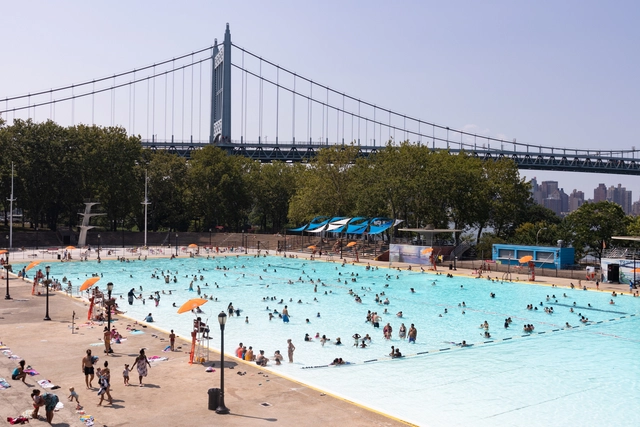
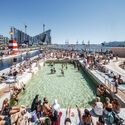
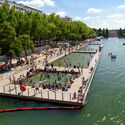
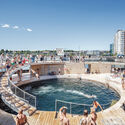
When one thinks of public spaces, the image of a pool rarely comes to mind. Public spaces are the center of civic life, places where most interactions, activities, and behaviors follow strict social and cultural norms to ensure the safety and comfort of all users. In contrast, swimming and bathing represent something more intimate and primordial, a sensorial experience distinct from any other. In addition to the health benefits, the act of floating in space creates a break from everyday life and its constraints.
As social spaces, public baths, and pools offer an even more unusual experience. Here, regular conduct rules and norms no longer apply. Social nudity becomes the new norm, and, as people strip off their clothes, they also lose their status markers, transforming the pool into an egalitarian oasis. Across history, these often-discredited spaces offered a heightened social experience, fostering connections and bringing a new element to dense urban environments. As a typology present since antiquity, public baths and pools have also been a disputed space, as a manifestation of difficult topics such as gender and racial segregation, gentrification, and surveillance in contrast to the freedom they promise.
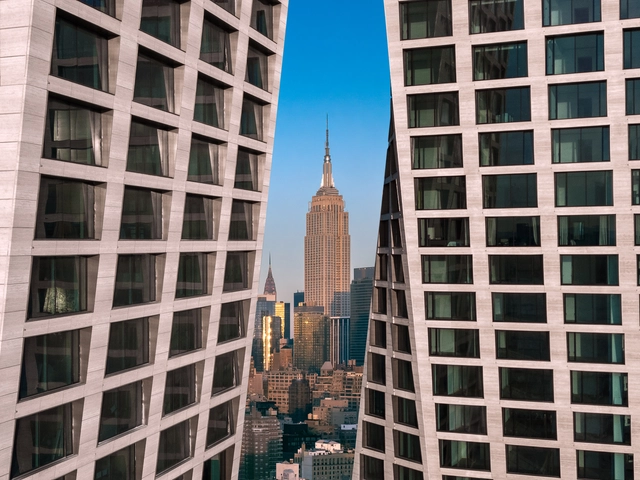
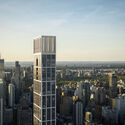
In the complex ecosystem of architectural development, where innovative concepts meet market realities, a distinct role exists to bridge diverse professional interests and realize impactful spaces. Elisa Orlanski Ours exemplifies this function. This is the domain of Elisa Orlanski Ours, a designer, educator, and industry leader. As Chief Planning & Design Officer at Corcoran Sunshine Marketing Group, Elisa founded her department two decades ago. Now, her extensive portfolio spans condominium skyscraper master plans and individual branded villas across continents, including significant New York City developments like Hudson Yards and 220 Central Park South, as well as international developments in collaboration with prominent architectural firms like SHoP Architects, BIG, Herzog & de Meuron, Adjaye Associates, and SO-IL. Her strategic perspective on bringing projects from schematic phase to final sale provides valuable insights into the industry's intricate workings. ArchDaily's Managing Editor, Maria-Cristina Florian, had the opportunity to discuss these critical topics with Elisa in the following interview.
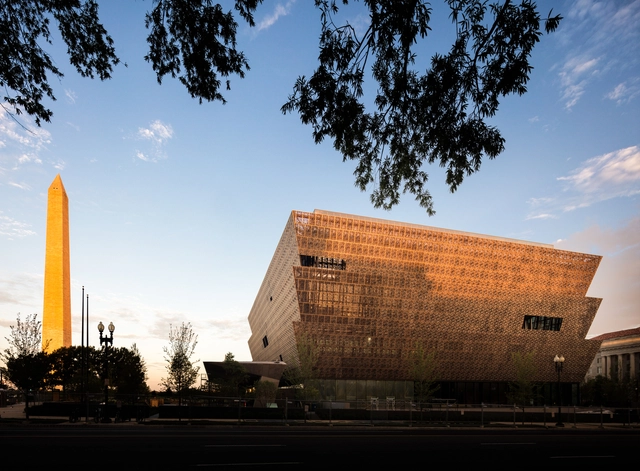
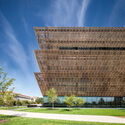
Juneteenth, observed annually on June 19th, commemorates the emancipation of enslaved African Americans in the United States, marking a moment of liberation and reflection on a complex and often overlooked history. Originally celebrated in Texas, Juneteenth has grown to symbolize broader themes of freedom, resilience, and cultural identity, fostering conversations about justice and representation. This day also presents an opportunity to highlight the ways in which architecture can serve as a medium for preserving and presenting African American history and cultural values.
Architecture, beyond its functional and aesthetic qualities, can reflect and collect narratives, values, and hidden histories, giving a tangible and visual presence to communities often underrepresented in cityscapes. Buildings dedicated to African American history and culture become physical landmarks that anchor these stories within the daily life of cities. They serve as places of learning, reflection, and celebration, creating meaningful spaces that engage the public and foster a sense of communal identity.
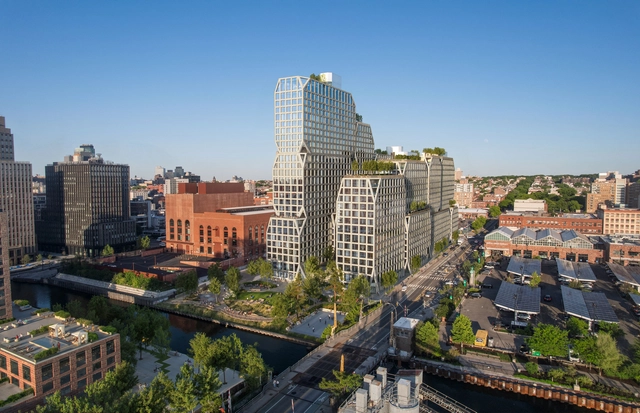
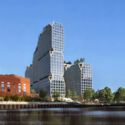
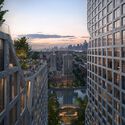
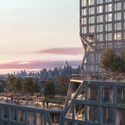
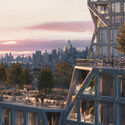
The proposed mixed-use tower at 175 Third Street is the fifth building planned across four sites within the Gowanus Wharf development in Brooklyn, New York. With views toward Manhattan and the Statue of Liberty, the 1,080,000 sq ft proposal includes affordable housing, retail and artist spaces, fitness areas, social and entertainment spaces, culminating in a rooftop with lounging zones and an outdoor pool. The project also envisions a 28,000-sq-ft public waterfront esplanade designed by Field Operations, intended to contribute to the ecological rehabilitation of the Gowanus Canal, continuing the broader transformation of this industrial neighborhood. Other project collaborators include dencityworks | architecture, AKRF, bucharest.studio, DeSimone, Ettinger Engineering Associates, Fried Frank, Hatfield Group, Impact Environmental, and Jenkins and Huntington.
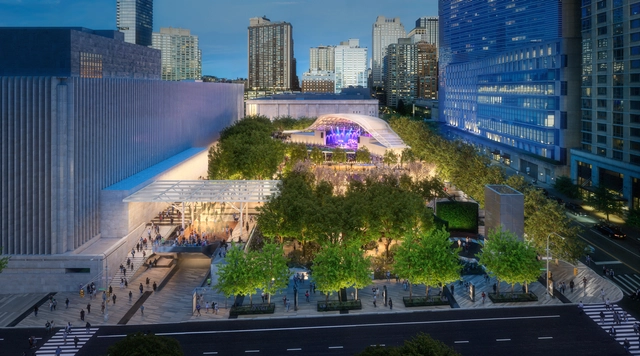
Lincoln Center for the Performing Arts, Inc. has revealed the design for the Amsterdam Avenue side of its campus, developed by Hood Design Studio, Weiss/Manfredi Architecture/Landscape/Urbanism, and Moody Nolan. Recently released renderings illustrate a transformation that includes a new outdoor performance venue, expanded community park spaces, and the removal of the existing wall along Amsterdam Avenue. In response to long-standing calls from both Lincoln Center and local communities, the construction is expected to begin in spring 2026 and be completed by spring 2028.
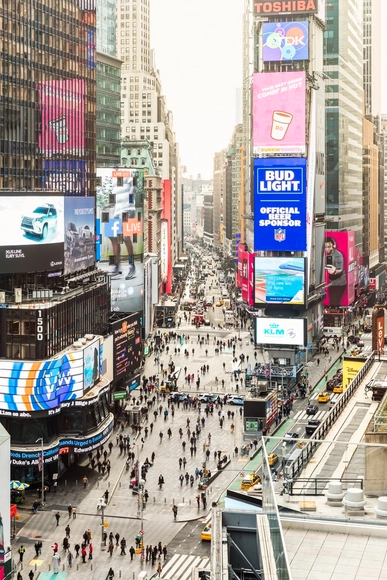
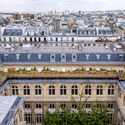
The Empire State Development (ESD) Board of Directors has approved a major office-to-residential conversion project at 5 Times Square, New York City, as announced by the New York state government. Originally built in 2002 as the headquarters for Ernst & Young, with Kohn Pedersen Fox (KPF) as the design architect, the building has been largely vacant since the corporation vacated the premises in 2022, with vacancy rates remaining around 75 percent. Gensler's proposal aims to repurpose this underutilized office space into a mixed-use complex, introducing up to 1,250 new homes, including 313 permanently affordable units.
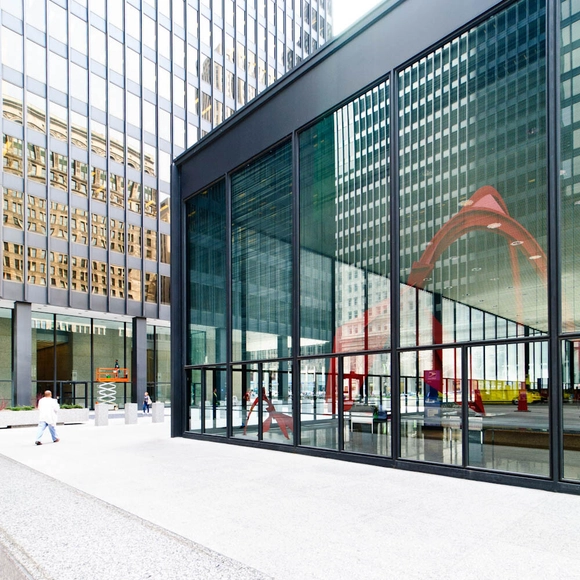
The Mid-Century Modernist movement was more than an aesthetic or material shift in the United States, as it was a response to a rapidly changing world. Emerging after World War II, this architectural revolution rejected ornate, traditional styles of the past in favor of clean lines, functional design, and incorporation of flashy materials like steel, glass, and concrete. Modernism was a break from tradition, focusing instead on simplicity, efficiency, and a vision for the future. It reflected the optimism of a nation rebuilding itself, where technology and innovation shaped everything from cityscapes to suburban homes.
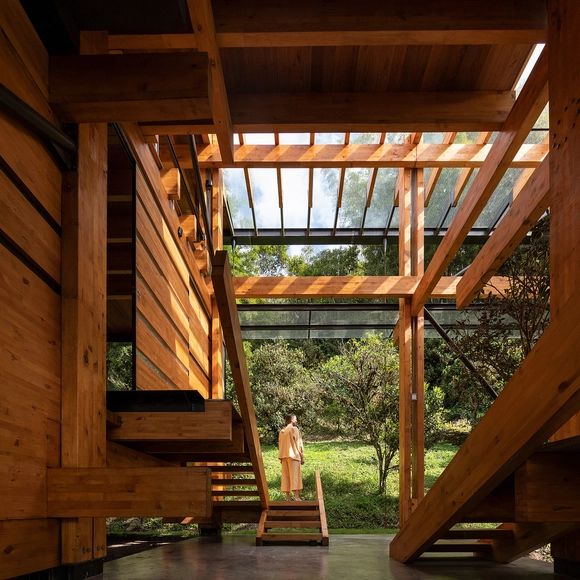
In partnership with the European Cultural Center (ECC), ArchDaily has launched its inaugural exhibition as part of the seventh iteration of Time Space Existence, an architectural showcase occurring concurrently with the 19th Venice Architecture Biennale. Open from May 10 to November 23, 2025, in various locations throughout Venice, this edition centers on the theme of "Repair, Regenerate, and Reuse," promoting innovative and sustainable approaches in architecture. ArchDaily's contribution is located at Palazzo Mora, complementing other venues like Palazzo Bembo, Marinaressa Gardens, and Palazzo Michiel.