1. ArchDaily
  2. Montreal

Montreal: The Latest Architecture and News

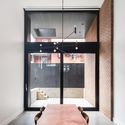
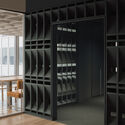
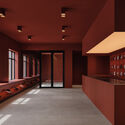
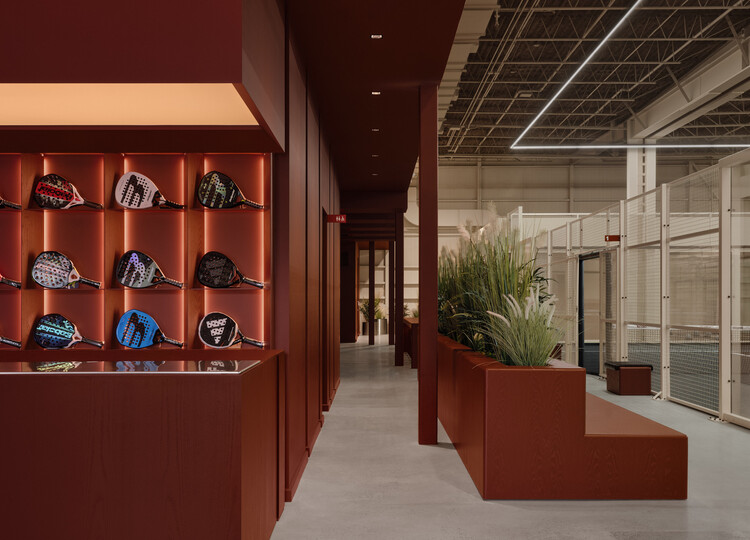
KOPA / Ivy Studio

KOPA / Ivy Studio - Interior Photography, Commercial ArchitectureKOPA / Ivy Studio - Interior Photography, Commercial Architecture, ChairKOPA / Ivy Studio - Commercial ArchitectureKOPA / Ivy Studio - Commercial ArchitectureKOPA / Ivy Studio - More Images+ 16

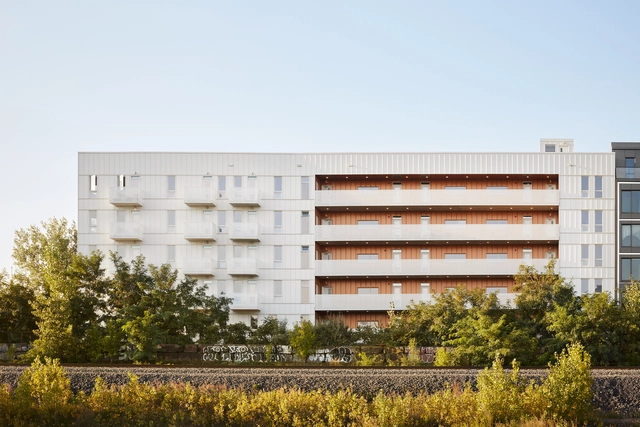
Place Tenaquip - Affordable Housing Units / L. McComber

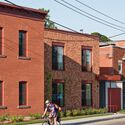
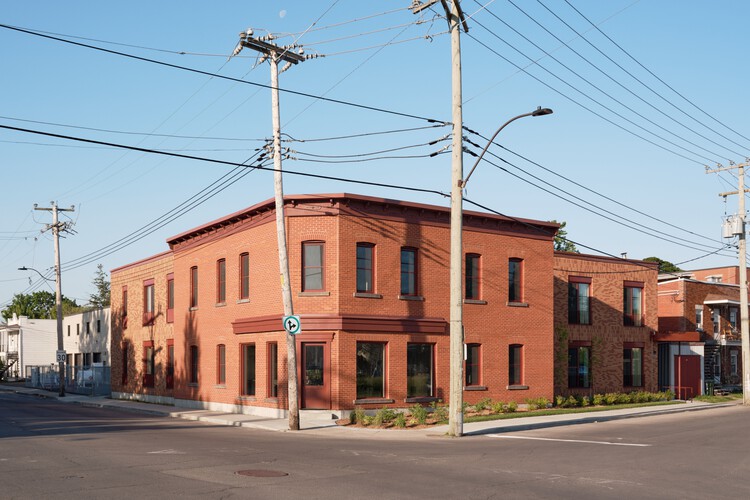
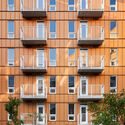
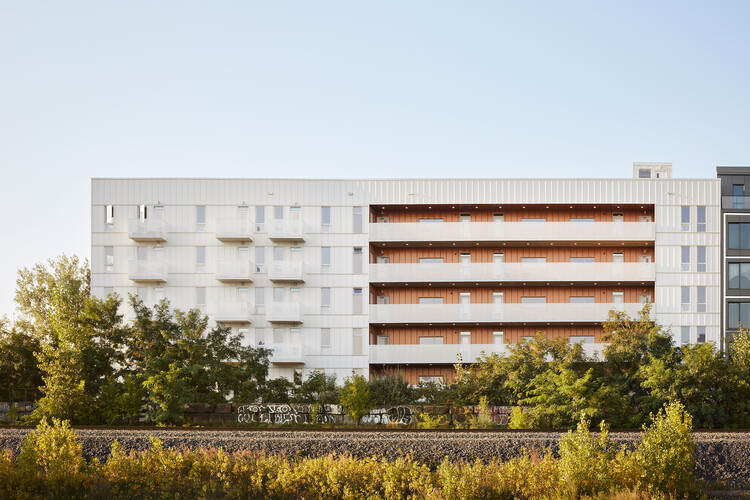
Place Tenaquip - Affordable Housing Units / L. McComber  - Exterior Photography, Adaptive ReusePlace Tenaquip - Affordable Housing Units / L. McComber  - Exterior Photography, Adaptive Reuse, Facade, DoorPlace Tenaquip - Affordable Housing Units / L. McComber  - Interior Photography, Adaptive Reuse, FacadePlace Tenaquip - Affordable Housing Units / L. McComber  - Exterior Photography, Adaptive Reuse, FacadePlace Tenaquip - Affordable Housing Units / L. McComber  - More Images+ 19

  • Architects: L. McComber
  • Area Area of this architecture project Area:  11330 ft²
  • Year Completion year of this architecture project Year:  2025
  • Manufacturers Brands with products used in this architecture project
    Manufacturers:  Archea Architectural , Boiserie Raymond, Forbo, Le groupe SH, Lepage Millwork , +2

Mobility Justice: Urban Equity in an Era of Innovation

Subscriber Access | 

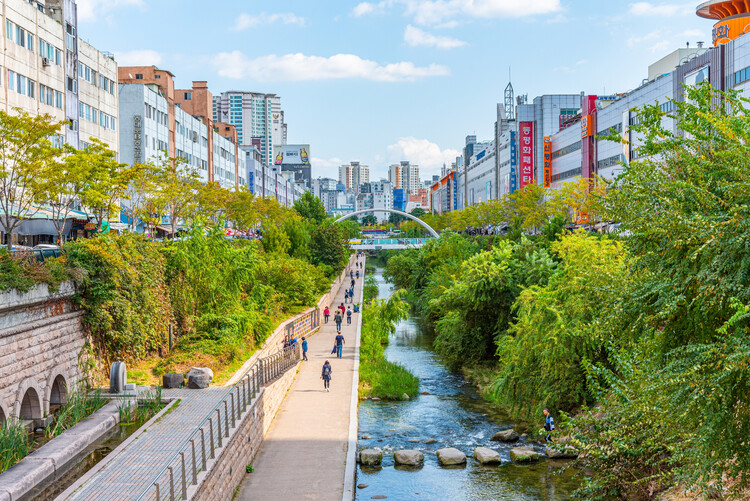
Every city contains two transportation systems. One is the visible network of roads, rail lines, sidewalks, and bus routes mapped in planning documents. The other is the invisible geography of privilege and exclusion embedded within it: the neighborhoods that received highways instead of parks, the communities whose bus routes were cut, the sidewalks that abruptly end at the edge of a district. For many years, built-environment professionals have treated infrastructure as a technical challenge. Mobility justice insists it is, fundamentally, a political one.

Mobility Justice: Urban Equity in an Era of Innovation - Image 1 of 4Mobility Justice: Urban Equity in an Era of Innovation - Image 2 of 4Mobility Justice: Urban Equity in an Era of Innovation - Image 3 of 4Mobility Justice: Urban Equity in an Era of Innovation - Image 4 of 4Mobility Justice: Urban Equity in an Era of Innovation - More Images+ 25

900 Saint-Jacques / Chevalier Morales Architectes

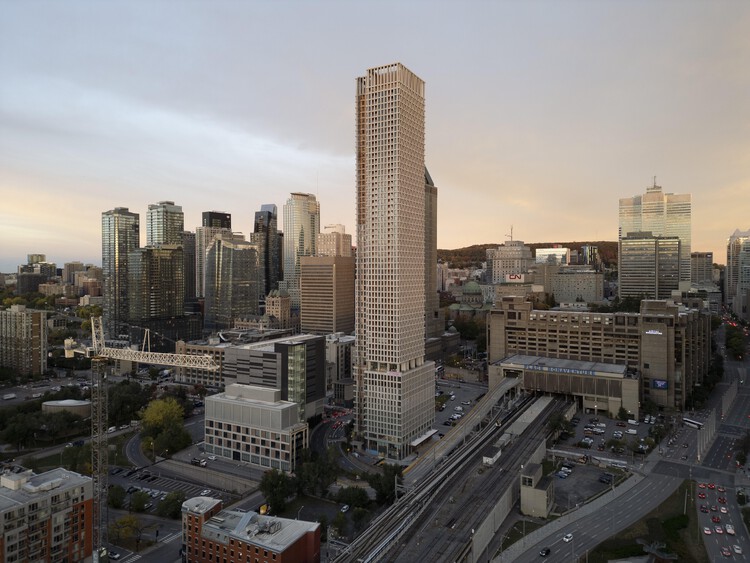
900 Saint-Jacques / Chevalier Morales Architectes - Exterior Photography, Skyscrapers900 Saint-Jacques / Chevalier Morales Architectes - Exterior Photography, Skyscrapers900 Saint-Jacques / Chevalier Morales Architectes - Interior Photography, Skyscrapers, Chair900 Saint-Jacques / Chevalier Morales Architectes - Exterior Photography, Skyscrapers, Cityscape900 Saint-Jacques / Chevalier Morales Architectes - More Images+ 13

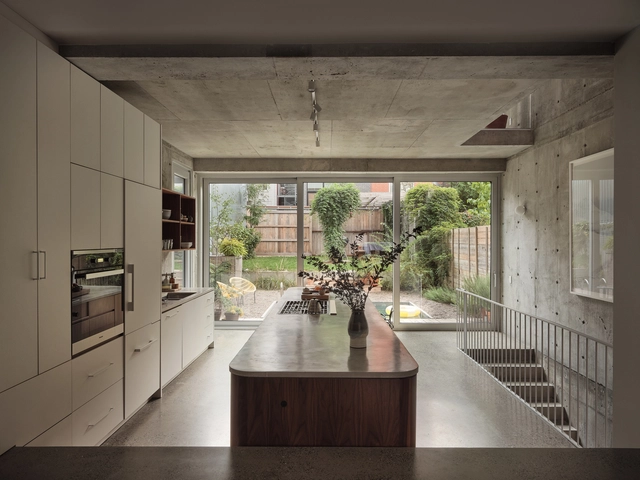
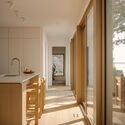
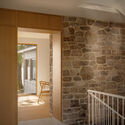
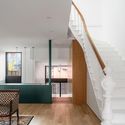
From the Shore Residence / MAJ - Mise à Jour

From the Shore Residence / MAJ - Mise à Jour - Interior Photography, Renovation, LightingFrom the Shore Residence / MAJ - Mise à Jour - Interior Photography, Renovation, Lighting, ChairFrom the Shore Residence / MAJ - Mise à Jour - Interior Photography, Renovation, KitchenFrom the Shore Residence / MAJ - Mise à Jour - Interior Photography, Renovation, Stairs, HandrailFrom the Shore Residence / MAJ - Mise à Jour - More Images+ 21

Montreal, Canada

Saving the City Fabric: Blanche Lemco van Ginkel and the Preservation of Old Montreal

Subscriber Access | 

The architectural history of North American cities in the 20th century is often characterized by the pursuit of urban renewal. In the United States, Boston, Portland, and San Francisco are just some examples of when municipal governments prioritized high-speed vehicular infrastructure over the existing urban fabric. In Canada, Montreal would have followed this trajectory if not for the intervention of several figures throughout its history, most notably Blanche Lemco van Ginkel (1923–2022). A Harvard-trained planner and architect who, along with her husband Sandy Van Ginkel, advocated for the preservation of urban heritage while applying the principles of modernist infrastructure.

Saving the City Fabric: Blanche Lemco van Ginkel and the Preservation of Old Montreal - Image 1 of 4Saving the City Fabric: Blanche Lemco van Ginkel and the Preservation of Old Montreal - Image 5 of 4Saving the City Fabric: Blanche Lemco van Ginkel and the Preservation of Old Montreal - Image 2 of 4Saving the City Fabric: Blanche Lemco van Ginkel and the Preservation of Old Montreal - Image 3 of 4Saving the City Fabric: Blanche Lemco van Ginkel and the Preservation of Old Montreal - More Images+ 1

“Built Environment: An Alternative Guide to Japan” Exhibition in Montréal Examines Resilient Japanese Architecture

The exhibition Built Environment: An Alternative Guide to Japan at the Université du Québec à Montréal's (UQAM) Centre de design will be on view until January 25, 2026. Curated by Shunsuke Kurakata, Satoshi Hachima, and Kenjiro Hosaka, it features a selection of 80 projects from Japan's 47 prefectures, including works by renowned Japanese architects such as 2014 Pritzker Prize laureate Shigeru Ban, Kengo Kuma, the designer of the Museum of Modern Art's renovation in New York Yoshio Taniguchi, celebrated landscape architect and sculptor Isamu Noguchi, and 2019 Pritzker Prize laureate Arata Isozaki. The selection aims to offer a renewed perspective on Japan through innovative buildings, civil engineering projects, and landscape designs. Organized in collaboration with the Japan Foundation and presented with the support of the Consulate General of Japan in Montreal, the exhibition is conceived as a traveling project exploring the resilience of Japanese architecture and infrastructure in the face of natural disasters and climate change.

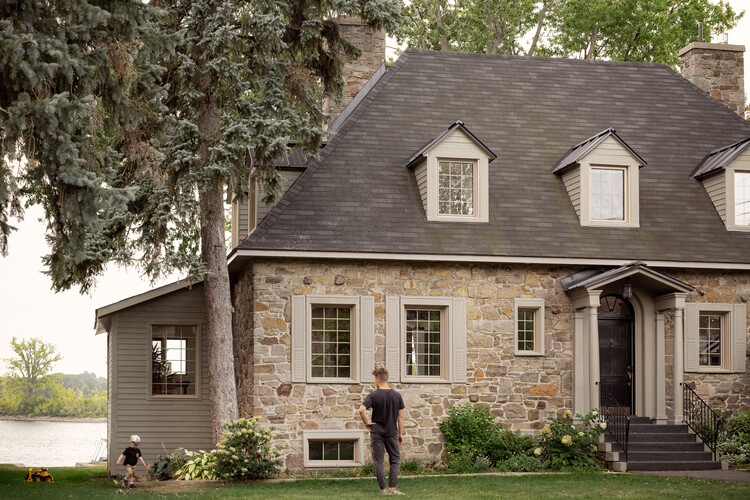
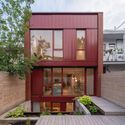
La Doyenne Renovation and Extension / NatureHumaine

La Doyenne Renovation and Extension / NatureHumaine - Exterior Photography, House Interiors
© Raphaël Thibodeau

La Doyenne Renovation and Extension / NatureHumaine - Interior Photography, House InteriorsLa Doyenne Renovation and Extension / NatureHumaine - Interior Photography, House Interiors, Stairs, HandrailLa Doyenne Renovation and Extension / NatureHumaine - Exterior Photography, House InteriorsLa Doyenne Renovation and Extension / NatureHumaine - Interior Photography, House Interiors, StairsLa Doyenne Renovation and Extension / NatureHumaine - More Images+ 21

The Montreal Biodome: From Olympic Velodrome to a Space for Life

The history of the Olympic Games, while marked by athletic achievement, is consistently contrasted by infrastructure challenges. Across host cities, from Athens to Rio and Beijing, similar issues arise: significant cost overruns and the complex issue of legacy. The big question is: What is the best viable long-term use for purpose-built sport venues? Montreal's 1976 Games shared this fate after building an Olympic Park that faced heavy criticism for cost overruns and debt from specialized construction. Post-Games, venues like the Montreal Velodrome risked becoming a financial burden. However, the city demonstrated a proactive response by proposing the transformation of the building into a thriving civic asset that now stands as an internationally recognized example of successful Olympic venue repurposing.

The Montreal Biodome: From Olympic Velodrome to a Space for Life - Image 1 of 4The Montreal Biodome: From Olympic Velodrome to a Space for Life - Image 2 of 4The Montreal Biodome: From Olympic Velodrome to a Space for Life - Image 3 of 4The Montreal Biodome: From Olympic Velodrome to a Space for Life - Image 4 of 4The Montreal Biodome: From Olympic Velodrome to a Space for Life - More Images+ 4

Transforming Row Houses: Heritage and Modernity in Montreal’s Historical Neighborhoods

Subscriber Access | 

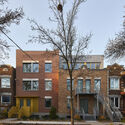
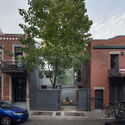
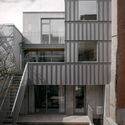
Montreal, the second largest city in Canada is home to a wide array of heritage residential architecture, most of it dating to the 19th and early 20th-century. These are particularly abundant in some of its central neighborhoods like the Plateau Mont-Royal. Interestingly, their preservation is not accidental; it is the result of decades of advocacy by influential figures who recognized the value of the city's built environment, such as Phyllis Lambert and Blanche Lemco Van Ginkel. Efforts like theirs were instrumental in landmark preservation battles that helped to ensure current municipal support. Today, the city has implemented a set of comprehensive heritage protection laws designed to safeguard the integrity of the city's historic neighborhoods.
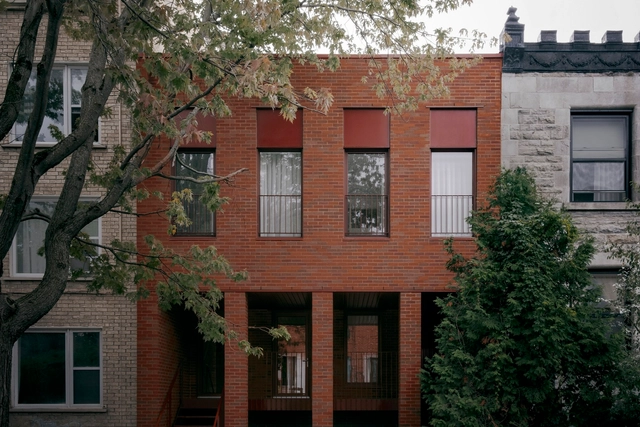
Transforming Row Houses: Heritage and Modernity in Montreal’s Historical Neighborhoods - Image 1 of 4Transforming Row Houses: Heritage and Modernity in Montreal’s Historical Neighborhoods - Image 2 of 4Transforming Row Houses: Heritage and Modernity in Montreal’s Historical Neighborhoods - Image 3 of 4Transforming Row Houses: Heritage and Modernity in Montreal’s Historical Neighborhoods - Image 4 of 4Transforming Row Houses: Heritage and Modernity in Montreal’s Historical Neighborhoods - More Images+ 8

Intergenerational Housing Coop Milieu de l’Île / Pivot coopérative d'architecture

Intergenerational Housing Coop Milieu de l’Île / Pivot coopérative d'architecture - Exterior Photography, Residential Architecture, CityscapeIntergenerational Housing Coop Milieu de l’Île / Pivot coopérative d'architecture - Interior Photography, Residential Architecture, BalconyIntergenerational Housing Coop Milieu de l’Île / Pivot coopérative d'architecture - Interior Photography, Residential Architecture, DoorIntergenerational Housing Coop Milieu de l’Île / Pivot coopérative d'architecture - Residential ArchitectureIntergenerational Housing Coop Milieu de l’Île / Pivot coopérative d'architecture - More Images+ 11

BINÔME Multi-residence / APPAREIL architecture

BINÔME Multi-residence / APPAREIL architecture  - Interior Photography, Apartments, BalconyBINÔME Multi-residence / APPAREIL architecture  - Interior Photography, Apartments, Lighting, ChairBINÔME Multi-residence / APPAREIL architecture  - Interior Photography, ApartmentsBINÔME Multi-residence / APPAREIL architecture  - ApartmentsBINÔME Multi-residence / APPAREIL architecture  - More Images+ 27

  • Year Completion year of this architecture project Year:  2025
  • Manufacturers Brands with products used in this architecture project
    Manufacturers:  APPAREIL Atelier, Found, Kastella, Luminaire Authentik, Mark Krebs, +2
  • Professionals: Geniex, Modulor, Atomic Soudure

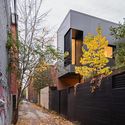
Maison-Jardin BEAU / Alexandre Bernier Architecte

Maison-Jardin BEAU / Alexandre Bernier Architecte - Exterior Photography, Houses, DoorMaison-Jardin BEAU / Alexandre Bernier Architecte - Interior Photography, Houses, ChairMaison-Jardin BEAU / Alexandre Bernier Architecte - Interior Photography, HousesMaison-Jardin BEAU / Alexandre Bernier Architecte - Interior Photography, HousesMaison-Jardin BEAU / Alexandre Bernier Architecte - More Images+ 15

Montréal, Canada
  • Area Area of this architecture project Area:  2300 ft²
  • Year Completion year of this architecture project Year:  2023
  • Manufacturers Brands with products used in this architecture project
    Manufacturers:  Alumico, Artemide, Chez Lamothe , David Roussel, Hamster, +5
  • Professionals: Groupe GASM

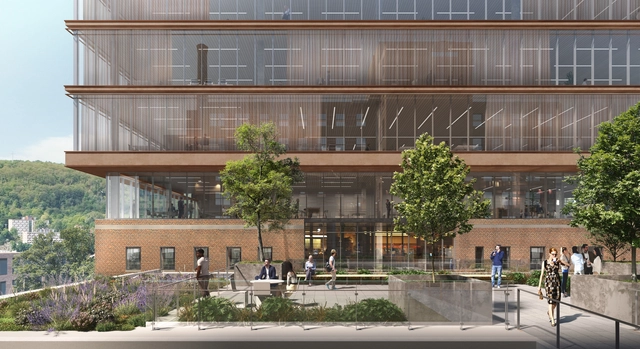
From Hospital to Medical Research Hub: How the Montreal Chest Institute Adapts to Modern Needs

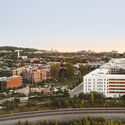
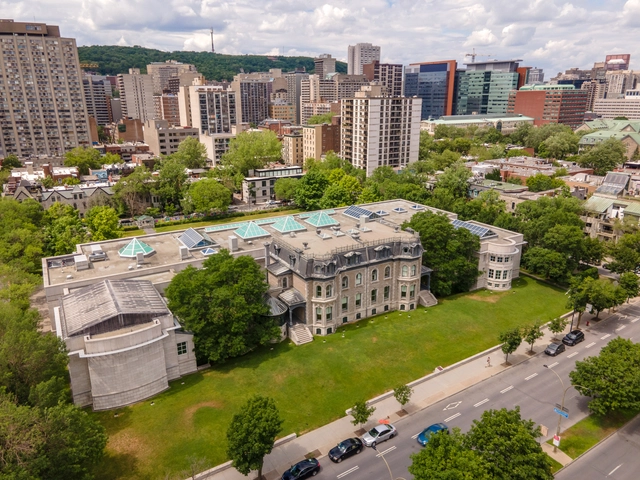
With modern medicine, it may be difficult for many people today to imagine the devastation caused by Tuberculosis (TB) just about 100 years ago. Initially associated with insalubrious, overcrowded conditions, just in Canada it caused the death of approximately 8000 people annually in the late 19th century. During this time, before more advanced treatments were discovered, prescriptions from doctors involved sunlight, fresh air, and rest. As a response, sanatoria were established. These were places where patients could be separated from the community to manage their disease. One testament to that legacy stands in the heart of Montreal: the former Royal Edward Laurentian Institute, later known as the Montreal Chest Institute. Born from crisis, it has since become a symbol of resilience, transformation, and innovation, shifting from a space of isolation to a thriving hub for research and entrepreneurship in the life sciences.

From Hospital to Medical Research Hub: How the Montreal Chest Institute Adapts to Modern Needs - Image 1 of 4From Hospital to Medical Research Hub: How the Montreal Chest Institute Adapts to Modern Needs - Featured ImageFrom Hospital to Medical Research Hub: How the Montreal Chest Institute Adapts to Modern Needs - Image 2 of 4From Hospital to Medical Research Hub: How the Montreal Chest Institute Adapts to Modern Needs - Image 3 of 4From Hospital to Medical Research Hub: How the Montreal Chest Institute Adapts to Modern Needs - More Images+ 5

TEC Energy Office / MRDK

TEC Energy Office / MRDK - Interior Photography, Offices Interiors, Kitchen, CountertopTEC Energy Office / MRDK - Interior Photography, Offices Interiors, ClosetTEC Energy Office / MRDK - Interior Photography, Offices Interiors, ChairTEC Energy Office / MRDK - Interior Photography, Offices Interiors, ChairTEC Energy Office / MRDK - More Images+ 22

  • Architects: MRDK
  • Area Area of this architecture project Area:  3330 ft²
  • Year Completion year of this architecture project Year:  2024
  • Manufacturers Brands with products used in this architecture project
    Manufacturers:  AND lighting, Arancia lighting, Artemide, CTL leather, Edison lighting, +8
  • Professionals: Hu-Nic Construction

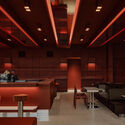
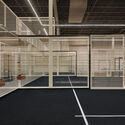
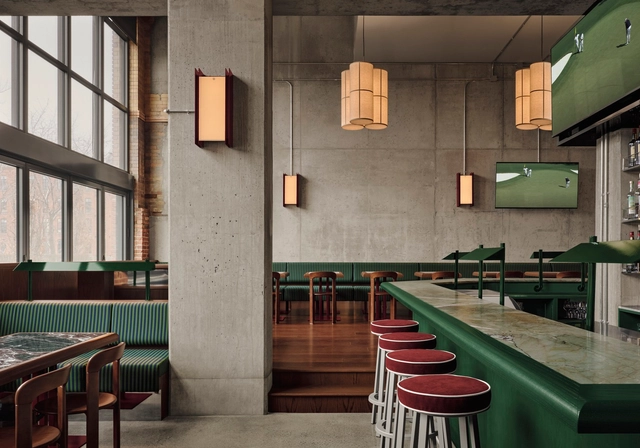
MUNI Indoor Golf Club / Ivy Studio

MUNI  Indoor Golf Club / Ivy Studio - Hospitality InteriorsMUNI  Indoor Golf Club / Ivy Studio - Interior Photography, Hospitality Interiors, Table, ChairMUNI  Indoor Golf Club / Ivy Studio - Interior Photography, Hospitality Interiors, Kitchen, Lighting, ChairMUNI  Indoor Golf Club / Ivy Studio - Interior Photography, Hospitality Interiors, ChairMUNI  Indoor Golf Club / Ivy Studio - More Images+ 17

  • Architects: Ivy Studio
  • Area Area of this architecture project Area:  645
  • Year Completion year of this architecture project Year:  2024
  • Professionals: Groupe Manovra

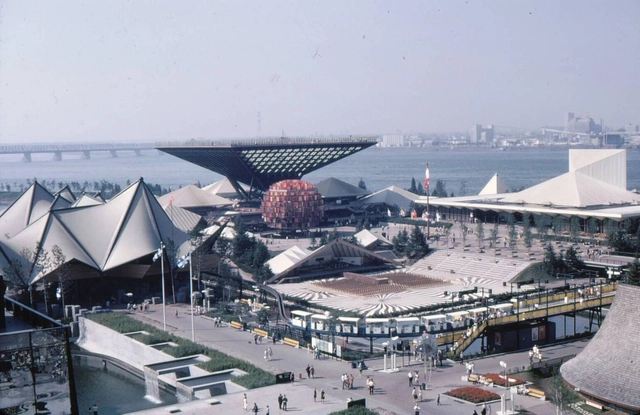
When the World Came to Montreal: The Urban Legacy of Canada’s Expo 67

Subscriber Access | 

Canada's Expo 67 stands as one of the most successful world expos ever held, setting records and leaving an enduring impact on Montreal's urban landscape. As part of Canada's 100 years celebrations, the event provided an opportunity for the city to showcase its cultural and technological achievements on a global platform. With over 50 million visitors in just six months, it shattered attendance records, including an astonishing 569,500 visitors in a single day. An unprecedented feat for a world fair at the time. Now, 58 years later, and with the Osaka Expo 2025 set to showcase how to design the future society for our lives, it is worth revisiting the legacy of Expo 67 and exploring the urban transformations it brought to Montreal.
When the World Came to Montreal: The Urban Legacy of Canada’s Expo 67 - Image 1 of 4When the World Came to Montreal: The Urban Legacy of Canada’s Expo 67 - Image 2 of 4When the World Came to Montreal: The Urban Legacy of Canada’s Expo 67 - Image 3 of 4When the World Came to Montreal: The Urban Legacy of Canada’s Expo 67 - Image 4 of 4When the World Came to Montreal: The Urban Legacy of Canada’s Expo 67 - More Images+ 4

Saving Montreal’s Architectural Heritage: Phyllis Lambert’s Legacy of Community-Driven Change

Subscriber Access | 

Phyllis Lambert has been a key figure in the preservation of Canada's cultural heritage. As an architect and advocate for heritage conservation, Lambert has left an indelible mark in Montreal and other cities worldwide. Her contributions to Montreal's architectural scene can't really be judged in terms of individual buildings, but rather in terms of the city as a whole. She not only cofounded the Canadian Center for Architecture (CCA), but also helped reshape the way cities like Montreal think about heritage and the importance of community voices in urban planning.
Saving Montreal’s Architectural Heritage: Phyllis Lambert’s Legacy of Community-Driven Change - Image 3 of 4Saving Montreal’s Architectural Heritage: Phyllis Lambert’s Legacy of Community-Driven Change - Image 1 of 4Saving Montreal’s Architectural Heritage: Phyllis Lambert’s Legacy of Community-Driven Change - Image 4 of 4Saving Montreal’s Architectural Heritage: Phyllis Lambert’s Legacy of Community-Driven Change - Featured ImageSaving Montreal’s Architectural Heritage: Phyllis Lambert’s Legacy of Community-Driven Change - More Images+ 5