1. ArchDaily
  2. Modular

Modular: The Latest Architecture and News

Qbiss Notch: A Red Dot Design Award–Winning Modular Façade System

 | Sponsored Content

Qbiss Notch, a new design edition developed by Pininfarina for Trimo's Qbiss façade system, has received the Red Dot Design Award. Based on Trimo's Qbiss façade technology, the project introduces vertically installed modular Qbiss panels, an alphabet of engraved Glyphs, and Notches with integrated lighting. Together, these elements allow designers to create distinctive façade compositions. Despite its visual flexibility, the system is designed around the efficiency and precision of prefabricated construction.

Modular Installation Reimagines Unfinished Structures at Limbo Museum in Accra, Ghana

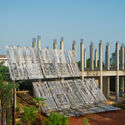
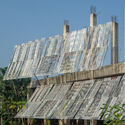
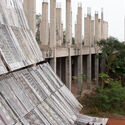
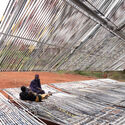
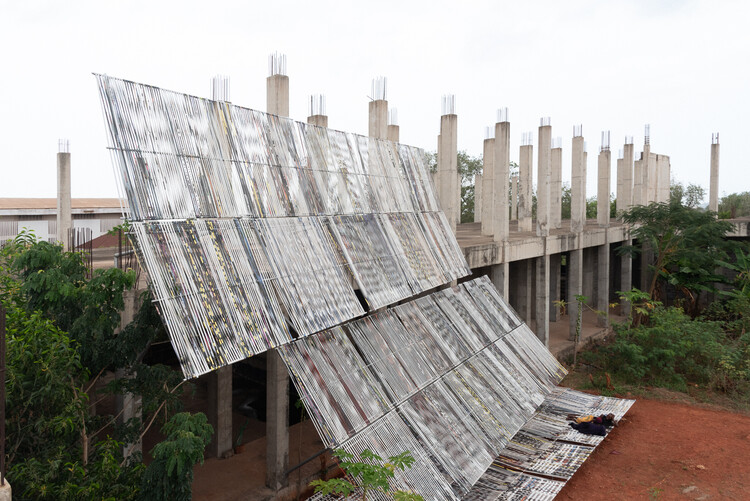
The recently opened Limbo Museum in Accra, Ghana, inaugurated a two-part architectural installation by TAELON7 on March 12th, led by architect Juergen Benson-Strohmayer. The installation was commissioned by the museum in partnership with Art Omi, a not-for-profit arts center in New York's Hudson Valley. The project is the first commission of a collaboration between the two institutions and will be installed in both locations, Accra and New York. Titled Limbo Engawa, the modular, lightweight structure dialogues with the formerly abandoned Brutalist building housing the museum, transforming its skeletal concrete structure and its surrounding land into spaces for use, care, and encounter. The project reflects on the boundaries between unfinished urban architecture and the landscape, foregrounding the labor and stewardship often invisible in both urban and institutional contexts, and asserting that even incomplete or overlooked sites are vessels of civic possibility.

Modular Installation Reimagines Unfinished Structures at Limbo Museum in Accra, Ghana - Image 1 of 4Modular Installation Reimagines Unfinished Structures at Limbo Museum in Accra, Ghana - Image 4 of 4Modular Installation Reimagines Unfinished Structures at Limbo Museum in Accra, Ghana - Image 5 of 4Modular Installation Reimagines Unfinished Structures at Limbo Museum in Accra, Ghana - Image 23 of 4Modular Installation Reimagines Unfinished Structures at Limbo Museum in Accra, Ghana - More Images+ 27

Building with the “Blue Note”: Tension, Deviation, and Structure in Architecture

Subscriber Access | 

By operating with only five notes, the pentatonic scale establishes a stable and intuitive musical system in which structural clarity allows for variation without the risk of excessive dissonance. From this consolidated structure, which forms the basis of countless musical styles, especially popular music, the blues introduced a decisive inflection by incorporating additional notes into the scale. Without delving into excessive technicalities, these are subtle tonal deviations, small dissonances often associated with a more melancholic sound, known as blue notes. Played fleetingly rather than as emphatic accents, they briefly tension the system, adding expressiveness and depth while keeping the underlying structure intact.

If in music the blues scale operates through a subtle deviation that "seasons" the underlying structure, a similar principle can be identified in architecture. Although comparisons between different artistic languages are always delicate, it is possible to recognize projects that find their expressive strength not in rupture, but in localized inflections introduced within clear systems, whether of modulation, subtraction, materiality, or typology. Localized displacements and asymmetries function as internal tensions that do not compromise the coherence of the whole, revealing how expressiveness can emerge from controlled deviation rather than from permanent exception.

RINA-Led Team With Zaha Hadid Architects Wins Malpensa Hospital Competition in Italy

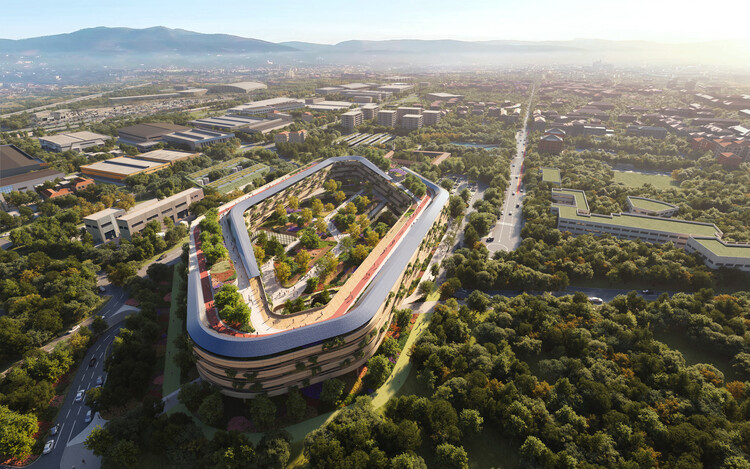
Zaha Hadid Architects, in collaboration with RINA as team leader, Studio Plicchi, WSP, STI Engineering, and BC Building Consulting, has won the international competition to design Malpensa Hospital (Grande Ospedale della Malpensa) in Italy. Commissioned by the Lombardy Regional Health Authority, the project will consolidate the existing Gallarate and Busto Arsizio hospitals into a single medical campus serving the area between Milan and Varese, with a catchment of nearly one million residents.

RINA-Led Team With Zaha Hadid Architects Wins Malpensa Hospital Competition in Italy - Image 1 of 4RINA-Led Team With Zaha Hadid Architects Wins Malpensa Hospital Competition in Italy - Image 2 of 4RINA-Led Team With Zaha Hadid Architects Wins Malpensa Hospital Competition in Italy - Image 3 of 4RINA-Led Team With Zaha Hadid Architects Wins Malpensa Hospital Competition in Italy - Image 4 of 4RINA-Led Team With Zaha Hadid Architects Wins Malpensa Hospital Competition in Italy - More Images+ 1

Rethinking Prefabrication From Standardization to Design Freedom

Generative AI (Gemini / Google DeepMind). Concept: Eduardo Souza / ArchDaily

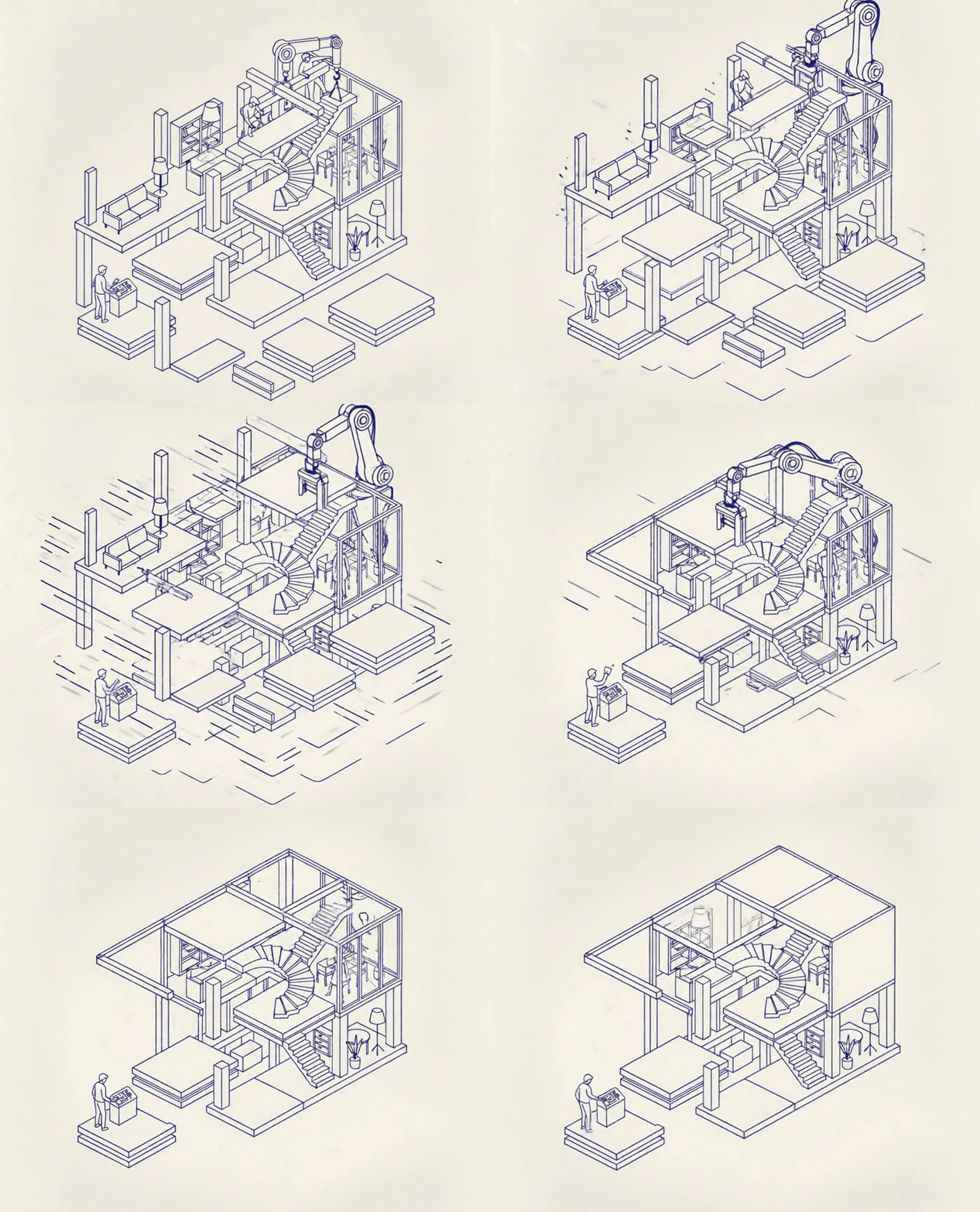
Once synonymous with monotony, “prefabricated” buildings often bring to mind the gray, repetitive housing blocks of the postwar era. But that image no longer fits today’s reality. Powered by digital design, robotics, and advanced materials, prefabrication has evolved into a language of innovation and precision. Far from uniform, it now enables flexible, efficient, and sustainable spaces that reflect the individuality of contemporary architecture.

From Tirana to Monterrey: 8 Unbuilt Housing Projects Reimagining Collective Living

Subscriber Access | 

Collective housing remains one of the most active areas for unbuilt architectural exploration, revealing how architects are rethinking domestic life, density, and shared living across different cultural and environmental contexts. In this curated Unbuilt edition, submitted by the ArchDaily community, the selected proposals investigate new forms of dwelling that span mobile units, vertical developments, adaptive reuse, and landscape-driven residential clusters. Rather than treating housing as a purely functional container, these projects position it as a social and spatial framework that shapes everyday life, community ties, and long-term urban resilience.

Across varied geographies, from Tirana and Athens to Monterrey, Chaloos, Roatán, Bhola, and the DRC, these proposals explore multiple approaches to collective living: transforming industrial shells into residential structures, extending existing masterplans through landscape integration, reimagining verticality in dense urban centers, and developing modular prototypes that can adapt to changing climates or patterns of mobility. Some projects prioritize ecological strategies and local materials, while others test new models for accessibility, community well-being, or incremental urban growth. Together, they reflect a broad spectrum of architectural responses to contemporary housing pressures.

From Tirana to Monterrey: 8 Unbuilt Housing Projects Reimagining Collective Living - Image 7 of 4From Tirana to Monterrey: 8 Unbuilt Housing Projects Reimagining Collective Living - Image 17 of 4From Tirana to Monterrey: 8 Unbuilt Housing Projects Reimagining Collective Living - Image 37 of 4From Tirana to Monterrey: 8 Unbuilt Housing Projects Reimagining Collective Living - Image 10 of 4From Tirana to Monterrey: 8 Unbuilt Housing Projects Reimagining Collective Living - More Images+ 44

Oman’s First-Ever Pavilion at the Venice Architecture Biennale 2025 Explores the Communal Sablah as a Model for the Future

The Sultanate of Oman has made its first appearance at the 19th International Architecture Exhibition - La Biennale di Venezia, presenting its debut national pavilion titled Traces. Curated by Omani architect Majeda Alhinai and commissioned by Sayyid Saeed bin Sultan bin Yarub Al Busaidi, Undersecretary of the Ministry of Culture, Sports and Youth for Culture, the pavilion is part of the exhibition's central theme, "Intelligens. Natural. Artificial. Collective." It will be on view until 23 November 2025 at the Arsenale in Venice, Italy.

Oman’s First-Ever Pavilion at the Venice Architecture Biennale 2025 Explores the Communal Sablah as a Model for the Future - Image 1 of 4Oman’s First-Ever Pavilion at the Venice Architecture Biennale 2025 Explores the Communal Sablah as a Model for the Future - Image 2 of 4Oman’s First-Ever Pavilion at the Venice Architecture Biennale 2025 Explores the Communal Sablah as a Model for the Future - Image 3 of 4Oman’s First-Ever Pavilion at the Venice Architecture Biennale 2025 Explores the Communal Sablah as a Model for the Future - Image 4 of 4Oman’s First-Ever Pavilion at the Venice Architecture Biennale 2025 Explores the Communal Sablah as a Model for the Future - More Images+ 23

From Saudi Arabia to Uzbekistan: AlMusalla Pavilion Reinstalled for the Inaugural Bukhara Biennial 2025

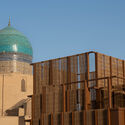
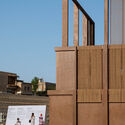
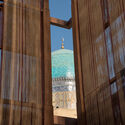
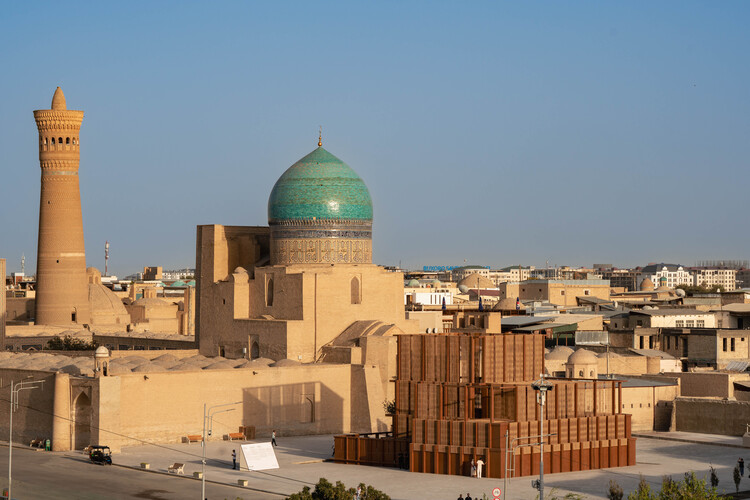
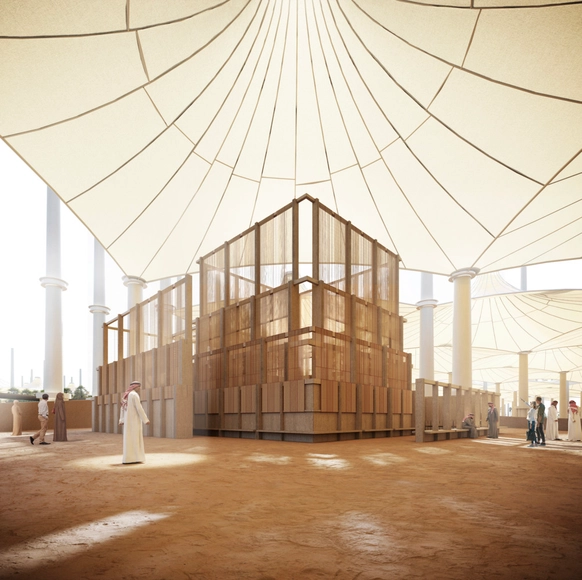
In April 2024, the Diriyah Biennale Foundation announced the AlMusalla Prize, an international architecture competition focused on designing a musalla: a flexible space for prayer and reflection accessible to people of all faiths. The winning project, designed by EAST Architecture Studio in collaboration with artist Rayyane Tabet and engineering firm AKT II, is a modular structure built with materials derived from local date palm waste, including fronds and fibers, and inspired by regional weaving traditions. Installed in the Western Hajj Terminal of King Abdulaziz International Airport in Jeddah, Saudi Arabia, the musalla served for four months during the Islamic Arts Biennale as a space for prayer, welcoming both Muslim and non-Muslim visitors. Conceived to be dismantled and reassembled, the structure was recently relocated to Uzbekistan for the inaugural Bukhara Biennial 2025.

From Saudi Arabia to Uzbekistan: AlMusalla Pavilion Reinstalled for the Inaugural Bukhara Biennial 2025 - Image 1 of 4From Saudi Arabia to Uzbekistan: AlMusalla Pavilion Reinstalled for the Inaugural Bukhara Biennial 2025 - Image 2 of 4From Saudi Arabia to Uzbekistan: AlMusalla Pavilion Reinstalled for the Inaugural Bukhara Biennial 2025 - Image 3 of 4From Saudi Arabia to Uzbekistan: AlMusalla Pavilion Reinstalled for the Inaugural Bukhara Biennial 2025 - Image 4 of 4From Saudi Arabia to Uzbekistan: AlMusalla Pavilion Reinstalled for the Inaugural Bukhara Biennial 2025 - More Images+ 58

21st Europe and Spacon Propose ‘Continent of Play’ as Civic Infrastructure Across Europe

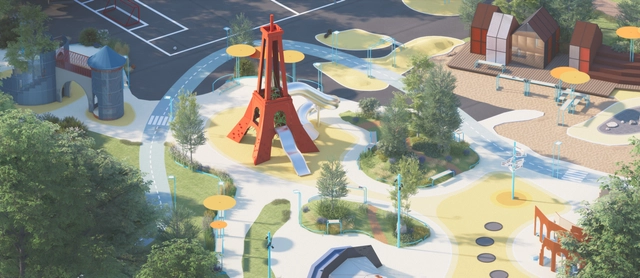
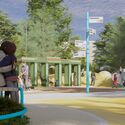
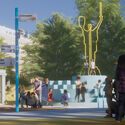
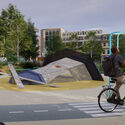
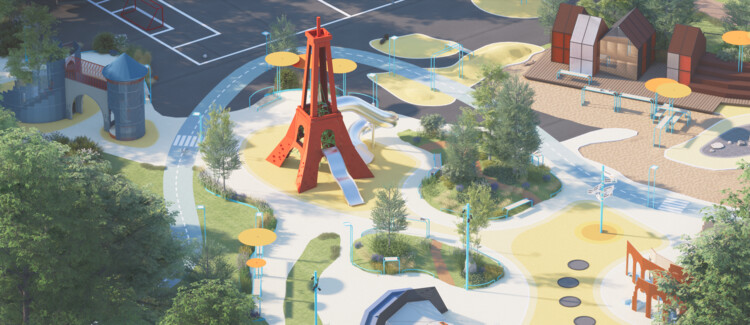
21st Europe, a Copenhagen-based think tank founded by former SPACE10 creative director Kaave Pour, has introduced its second major blueprint, Continent of Play. Developed in collaboration with design and architecture studio Spacon, the proposal reimagines playgrounds as vital civic infrastructure, positioning them alongside museums, transport hubs, and energy grids as defining spaces for Europe's future.

21st Europe and Spacon Propose ‘Continent of Play’ as Civic Infrastructure Across Europe - Image 1 of 421st Europe and Spacon Propose ‘Continent of Play’ as Civic Infrastructure Across Europe - Image 2 of 421st Europe and Spacon Propose ‘Continent of Play’ as Civic Infrastructure Across Europe - Image 3 of 421st Europe and Spacon Propose ‘Continent of Play’ as Civic Infrastructure Across Europe - Image 4 of 421st Europe and Spacon Propose ‘Continent of Play’ as Civic Infrastructure Across Europe - More Images+ 13

AI-Powered Robotics Support Rebuilding Homes in Los Angeles Fire Zones

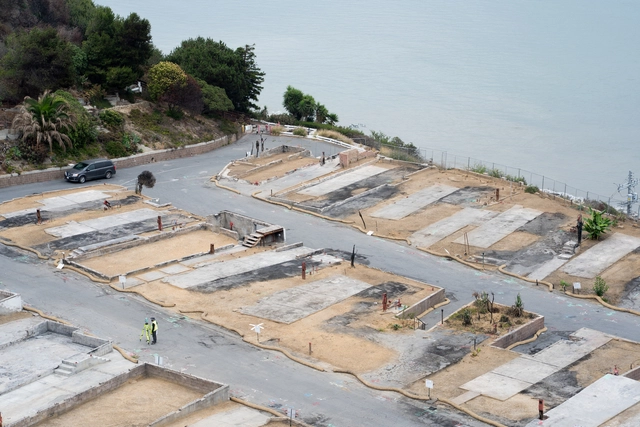
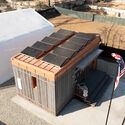
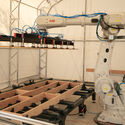
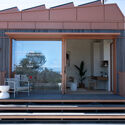
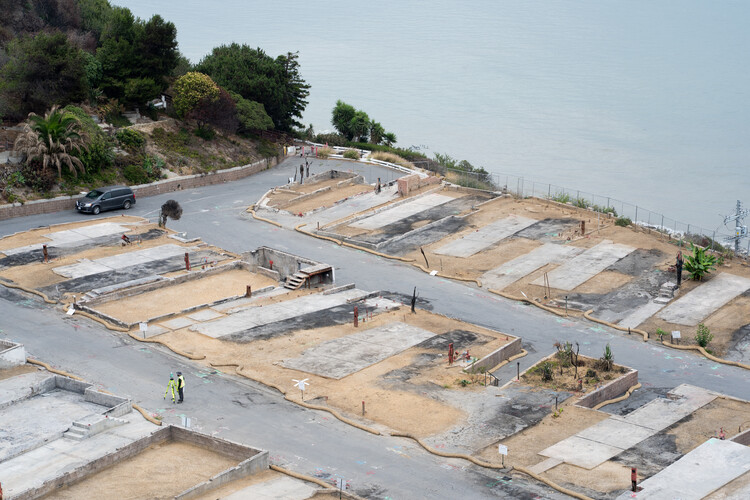
ABB Robotics and US-based construction technology company Cosmic Buildings have deployed a mobile robotic microfactory in Pacific Palisades, California, to support the rebuilding of homes destroyed by the 2025 Southern Californian wildfires. Designed as a temporary, on-site manufacturing facility, the system aims to reduce construction time, costs, and material waste while producing housing that meets high standards of safety and sustainability. By combining AI-powered automation with modular construction techniques, the collaboration demonstrates how robotic manufacturing can be adapted to remote and disaster-affected locations. The companies suggest that such approaches could become a key tool in delivering resilient, affordable housing on a large scale.

AI-Powered Robotics Support Rebuilding Homes in Los Angeles Fire Zones - Image 1 of 4AI-Powered Robotics Support Rebuilding Homes in Los Angeles Fire Zones - Image 2 of 4AI-Powered Robotics Support Rebuilding Homes in Los Angeles Fire Zones - Image 3 of 4AI-Powered Robotics Support Rebuilding Homes in Los Angeles Fire Zones - Image 4 of 4AI-Powered Robotics Support Rebuilding Homes in Los Angeles Fire Zones - More Images+ 11

A Restored Module from Tokyo’s Nakagin Capsule Tower Goes on Year-Long Display at MoMA

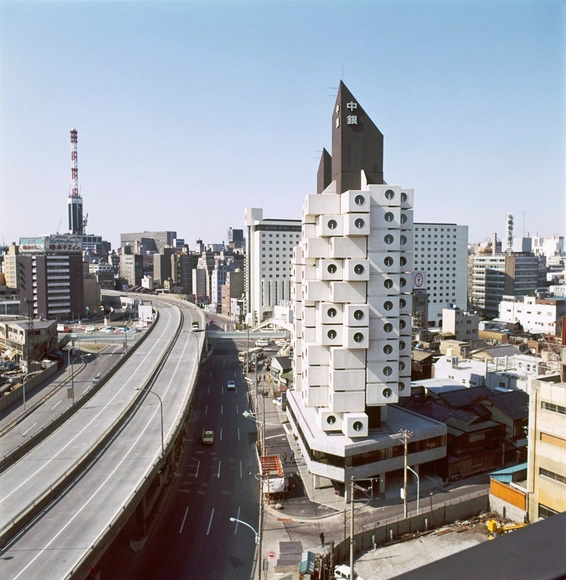
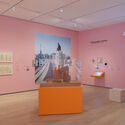
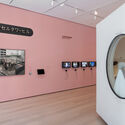
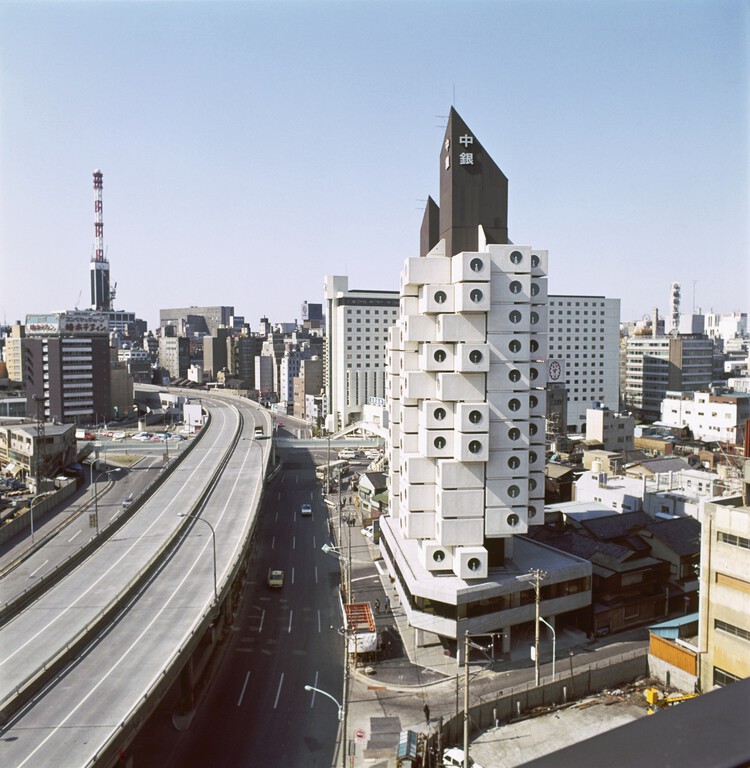
The Museum of Modern Art (MoMA) in New York is hosting an exhibition dedicated to Japanese architect Kisho Kurokawa's Nakagin Capsule Tower from July 10, 2025, through July 12, 2026. Titled The Many Lives of the Nakagin Capsule Tower, the exhibition offers a retrospective on the building's 50-year lifespan. Constructed in Tokyo's Ginza district in 1972 and dismantled in 2022, the tower is presented through contextual materials, original drawings, archival recordings, and a fully restored capsule. The exhibition invites reflection on how cities address aging buildings and the rapid transformation of urban areas. The diverse materials documenting the tower's continuous evolution over five decades encourage viewers to consider how architecture might endure by taking on new roles and functions beyond its original purpose.

A Restored Module from Tokyo’s Nakagin Capsule Tower Goes on Year-Long Display at MoMA - Image 1 of 4A Restored Module from Tokyo’s Nakagin Capsule Tower Goes on Year-Long Display at MoMA - Image 2 of 4A Restored Module from Tokyo’s Nakagin Capsule Tower Goes on Year-Long Display at MoMA - Image 3 of 4A Restored Module from Tokyo’s Nakagin Capsule Tower Goes on Year-Long Display at MoMA - Image 4 of 4A Restored Module from Tokyo’s Nakagin Capsule Tower Goes on Year-Long Display at MoMA - More Images+ 11

MAST Reveals Floating Neighborhood Design for Rotterdam’s Disused Spoorweghaven Dock

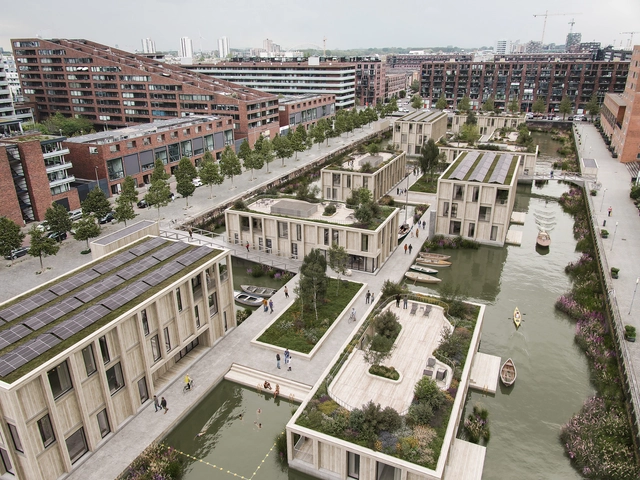
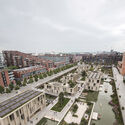
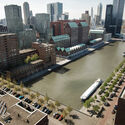
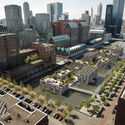
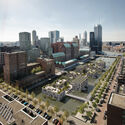
Danish maritime architecture studio MAST, in collaboration with construction company BIK Bouw, has designed a new floating community for the disused Spoorweghaven dock in Rotterdam, Netherlands. The proposed neighborhood, which has received initial support from the Municipality of Rotterdam, includes over 100 apartments, public spaces, commercial units, and a recreational harbor near the city center. Floating architecture is MAST's response to the Netherlands' housing crisis, offering a modular, adaptable solution for building a wide range of structures on water.

MAST Reveals Floating Neighborhood Design for Rotterdam’s Disused Spoorweghaven Dock - Image 1 of 4MAST Reveals Floating Neighborhood Design for Rotterdam’s Disused Spoorweghaven Dock - Image 4 of 4MAST Reveals Floating Neighborhood Design for Rotterdam’s Disused Spoorweghaven Dock - Image 2 of 4MAST Reveals Floating Neighborhood Design for Rotterdam’s Disused Spoorweghaven Dock - Image 3 of 4MAST Reveals Floating Neighborhood Design for Rotterdam’s Disused Spoorweghaven Dock - More Images+ 10

The Promise of Accessibility: Can Modular Systems Contribute to Democratizing the Design Process?

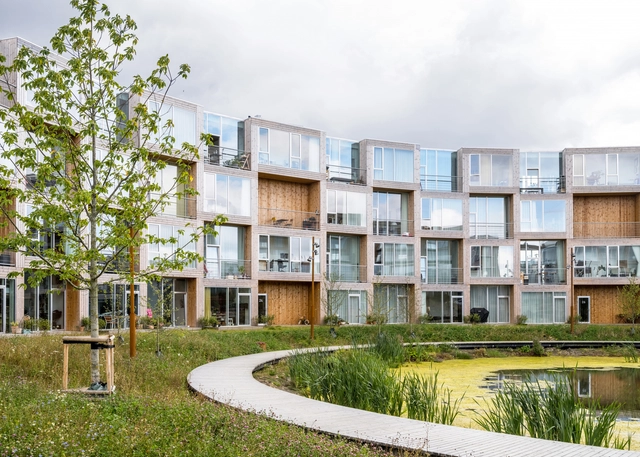
At the dawn of Modernism, in the fervent search for innovative, efficient, and cost-effective building systems, the idea of modular construction offered the promise of exactly that: an industrialized system comprised of ready-to-assemble elements, easily configured, cost-effective, and quality-controlled. While the idea did not gain as much traction as was initially expected, it has remained an attractive premise for architects and designers. Now, new developments in the field have led to a renewed interest in the matter, as modular housing emerges as an effective measure in various fields, from affordable housing to emergency shelters, or even as platforms for interdisciplinary collaboration, participation, and co-design. The following article explores this promise of accessibility, creativity, and affordability that has become an integral part of the debate around modular architecture.

The Promise of Accessibility: Can Modular Systems Contribute to Democratizing the Design Process? - Image 1 of 4The Promise of Accessibility: Can Modular Systems Contribute to Democratizing the Design Process? - Image 2 of 4The Promise of Accessibility: Can Modular Systems Contribute to Democratizing the Design Process? - Image 3 of 4The Promise of Accessibility: Can Modular Systems Contribute to Democratizing the Design Process? - Image 4 of 4The Promise of Accessibility: Can Modular Systems Contribute to Democratizing the Design Process? - More Images+ 3

MVRDV’s “Market Cube” Reimagines the Urban Market as a Flexible Vertical Hub in Zhubei, Taiwan

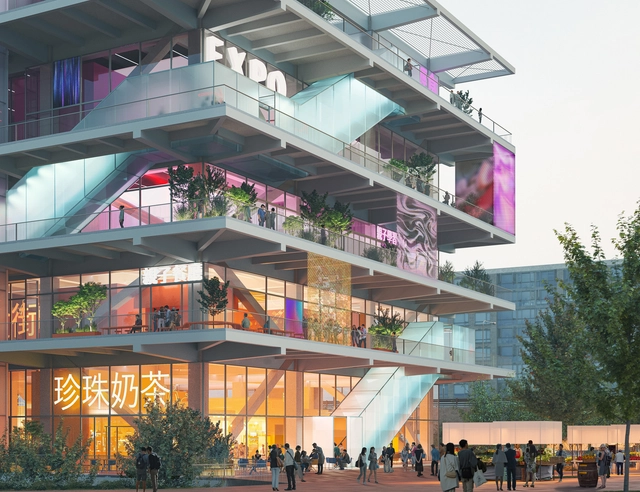
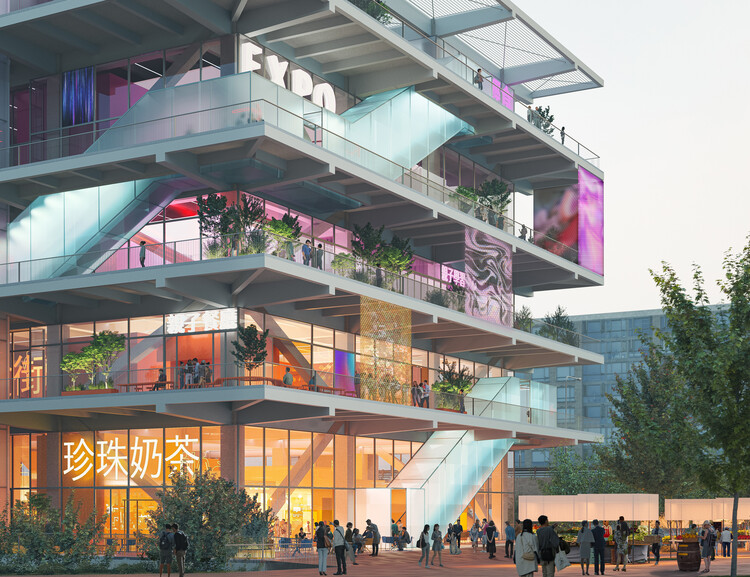
Dutch architecture firm MVRDV has won the competition to design a new multifunctional market and food hall in Zhubei, Taiwan. Developed in collaboration with local firm EKUO, the project, referred to as the "Market Cube" or "River Bank 1," aims to redefine the traditional market building through a vertically layered, highly adaptable structure. Positioned along the Touqian River at a prominent gateway between Zhubei and neighboring Hsinchu, the building is set to become a major civic destination.

MVRDV’s “Market Cube” Reimagines the Urban Market as a Flexible Vertical Hub in Zhubei, Taiwan - Image 1 of 4MVRDV’s “Market Cube” Reimagines the Urban Market as a Flexible Vertical Hub in Zhubei, Taiwan - Image 2 of 4MVRDV’s “Market Cube” Reimagines the Urban Market as a Flexible Vertical Hub in Zhubei, Taiwan - Image 3 of 4MVRDV’s “Market Cube” Reimagines the Urban Market as a Flexible Vertical Hub in Zhubei, Taiwan - Image 4 of 4MVRDV’s “Market Cube” Reimagines the Urban Market as a Flexible Vertical Hub in Zhubei, Taiwan - More Images+ 1

Are Modular Seating Systems Redefining Our Perception of Public Spaces?

What is our vision of public spaces from the past? Consider, for instance, a park—arguably the most iconic example of this typology. It is an environment designed with winding paths and rest areas, where we often find tables and fixed benches, positioned along the way. Its design prioritizes permanence and contemplation. But when we turn to the present, how do we envision it now? Indeed, the traditional concept of public space has not disappeared entirely. However, our way of interacting with it has changed, driven by the need for flexibility in ever-changing environments. This shift has sparked the exploration of new design approaches. As a result, modular seating systems have become a dynamic field of experimentation, continuously adapting to changing uses and perceptions.

Woo Architects' Modular UK Pavilion Opens in for Osaka Expo 2025

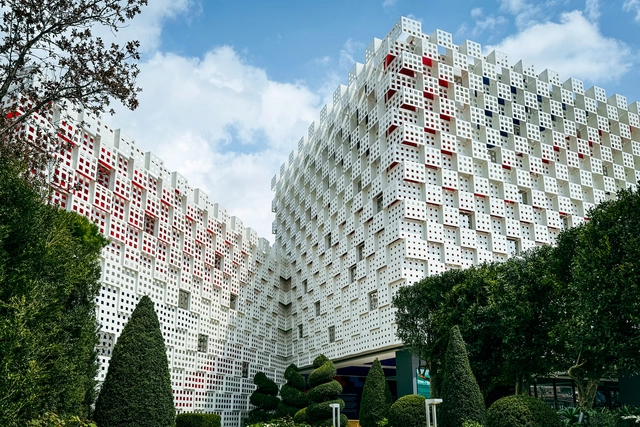
The UK Pavilion, designed by London-based Woo Architects, in collaboration with Japanese contractor ES Global, has been completed at the Expo 2025 in Osaka. Built on the principles of a circular economy, the pavilion features a modular, 10-by-10-meter gridded structure designed that prioritizes ease of assembly, disassembly, and relocation. Ultimately, the pavilion's design reflects the Expo's theme, "Come Build the Future," embodying sustainability and reuse.

Woo Architects' Modular UK Pavilion Opens in for Osaka Expo 2025 - Image 1 of 4Woo Architects' Modular UK Pavilion Opens in for Osaka Expo 2025 - Image 2 of 4Woo Architects' Modular UK Pavilion Opens in for Osaka Expo 2025 - Image 3 of 4Woo Architects' Modular UK Pavilion Opens in for Osaka Expo 2025 - Image 5 of 4Woo Architects' Modular UK Pavilion Opens in for Osaka Expo 2025 - More Images+ 11

Modular Factory Construction: Discover iHouse Estudio's Projects in Uruguay

Subscriber Access | 

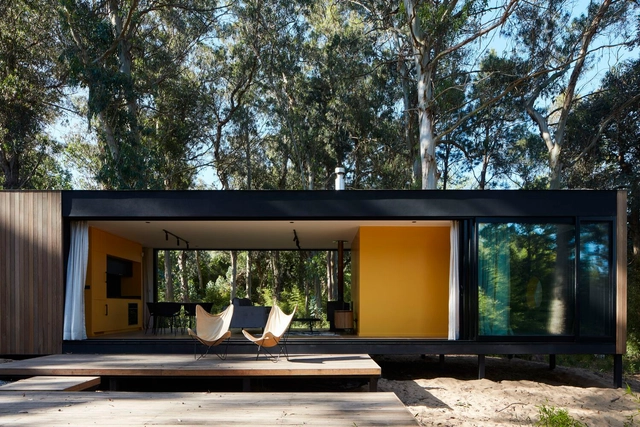
Emphasizing the enhancement of the landscape in a respectful and environmentally friendly manner, the creative and architectural process of iHouse estudio, an architecture firm based in Montevideo, Uruguay, proposes a way of living in contact with nature by integrating an industrialized construction system. With the development of a sustainable design, their objective is to contribute to environmental preservation. Additionally, by reducing energy consumption, efficiently utilizing natural resources, and properly managing water, they aim to promote the health and well-being of the inhabitants, offering significant tangible benefits in their daily lives.

Modular Factory Construction: Discover iHouse Estudio's Projects in Uruguay - Image 1 of 4Modular Factory Construction: Discover iHouse Estudio's Projects in Uruguay - Image 2 of 4Modular Factory Construction: Discover iHouse Estudio's Projects in Uruguay - Image 3 of 4Modular Factory Construction: Discover iHouse Estudio's Projects in Uruguay - Image 4 of 4Modular Factory Construction: Discover iHouse Estudio's Projects in Uruguay - More Images+ 14

EAST Architecture Studio Wins Inaugural AlMusalla Prize for Islamic Arts Biennale 2025 in Saudi Arabia

The Diriyah Biennale Foundation has announced Lebanon-based EAST Architecture Studio, in collaboration with artist Rayyane Tabet and engineering firm AKT II, as the winners of the inaugural AlMusalla Prize, a significant new architectural competition launched as part of the Islamic Arts Biennale. Their winning design, a modular structure inspired by regional weaving traditions, uses sustainable materials derived from local date palm waste, including palm fronds and fibers. After the four-month Biennale, the Musalla will be dismantled and reassembled at a new location.


EAST Architecture Studio Wins Inaugural AlMusalla Prize for Islamic Arts Biennale 2025 in Saudi Arabia - Image 1 of 4EAST Architecture Studio Wins Inaugural AlMusalla Prize for Islamic Arts Biennale 2025 in Saudi Arabia - Image 2 of 4EAST Architecture Studio Wins Inaugural AlMusalla Prize for Islamic Arts Biennale 2025 in Saudi Arabia - Image 3 of 4EAST Architecture Studio Wins Inaugural AlMusalla Prize for Islamic Arts Biennale 2025 in Saudi Arabia - Image 4 of 4EAST Architecture Studio Wins Inaugural AlMusalla Prize for Islamic Arts Biennale 2025 in Saudi Arabia - More Images+ 1