
Mikkel Frost
BROWSE ALL FROM THIS PHOTOGRAPHER HERE
↓
The Willemoesgade block / CEBRA


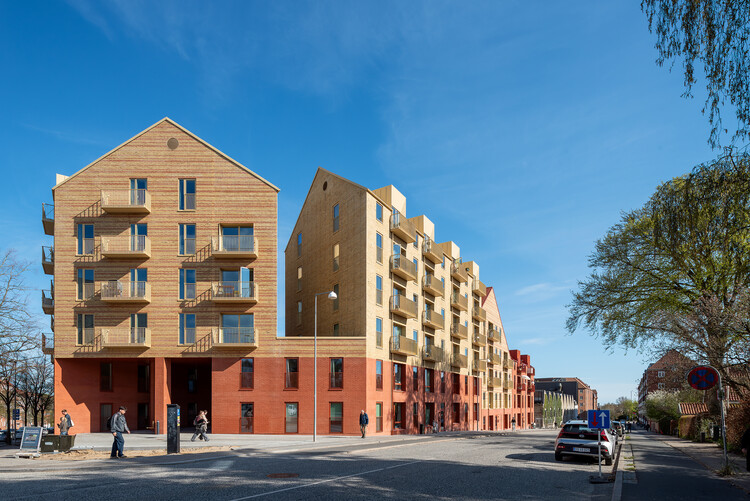
https://www.archdaily.com/1092470/the-willemoesgade-block-cebraNina Vuga
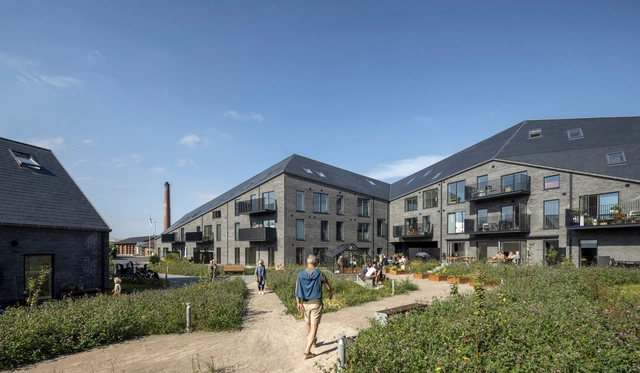
Malling Dampmølle Housing Complex / CEBRA


-
Architects: CEBRA
- Area: 5600 m²
- Year: 2023
-
Manufacturers: Cupa Pizarras
https://www.archdaily.com/1014541/malling-dampmolle-housing-complex-cebraPaula Pintos
Aarhus Vand Headquarters / CEBRA
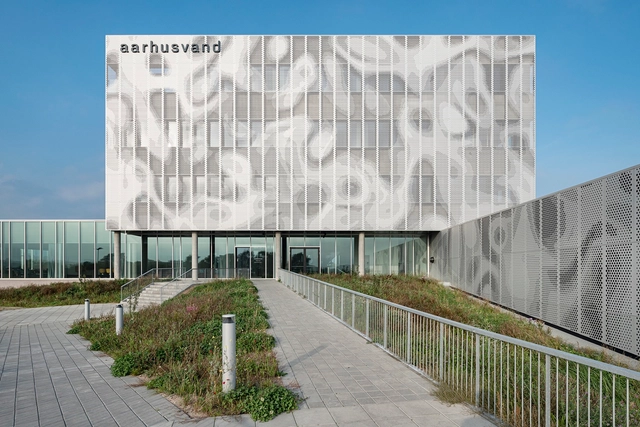


https://www.archdaily.com/1010196/aarhus-vand-headquarters-cebraPaula Pintos
Energetic Retrofitting: A Solution for Environmental Obsolescence in Architecture
| Sponsored Content
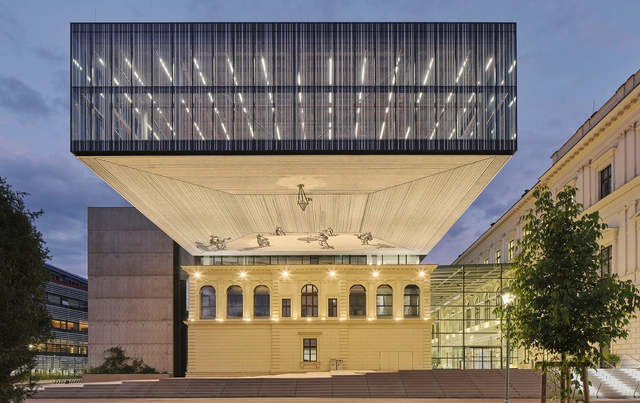
Architecture is a continually evolving form of human expression influenced by cultural and contextual factors. While many of the problems we face today aren't directly linked to architecture, it has the ability to provide or facilitate solutions to these challenges. This has been evident throughout history, as societal issues have played a significant role in shaping our built environments. For instance, during the Victorian era, the infamous "Great Stink" led to the modernization of London's drainage system and urban layout. Similarly, the 2008 recession gave rise to the sharing economy and coworking spaces. Nowadays, the climate crisis is transforming the way we conceive architecture, seeking to reduce the carbon footprint of buildings and cities to achieve the Paris Agreement objectives. Given this backdrop, what challenges should we expect in the future?
https://www.archdaily.com/1000810/energetic-retrofitting-a-solution-for-environmental-obsolescence-in-architectureEnrique Tovar
The 3rd International Conference on Mosque Architecture in Kuwait Explores the Mosque as a Cross Cultural Building

Organized by the Abdullatif Alfozan Award for Mosque Architecture and the College of Architecture at Kuwait University, the 3rd International Conference on Mosque Architecture was held in Kuwait on 14-16 November 2022. Under the theme of “Mosque: a cross cultural building,” 101 architects participated in this year’s edition, showcasing their state-of-the-art designs and how they reimagined religious buildings in a more contemporary context, taking into account the importance of community, privacy, its religious significance, and the environment.
https://www.archdaily.com/992952/the-3rd-international-conference-on-mosque-architecture-in-kuwait-explores-the-mosque-as-a-cross-cultural-buildingDima Stouhi
Al Hosn Masterplan and Landscape / CEBRA


https://www.archdaily.com/973260/al-hosn-masterplan-and-landscape-cebraPaula Pintos
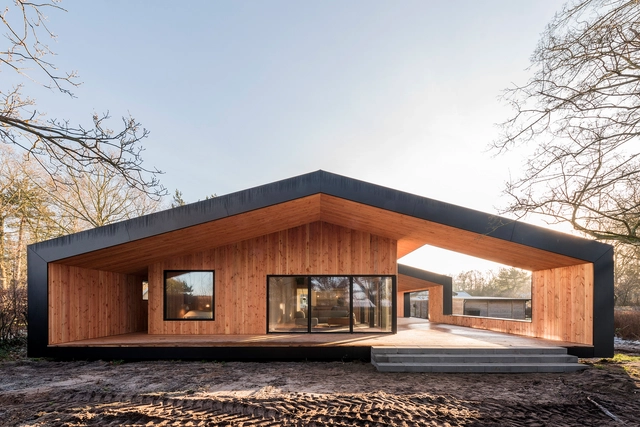
Seaside Villa / CEBRA


-
Architects: CEBRA
- Area: 500 m²
- Year: 2020
-
Professionals: Q-Construction, Tri-Consult
https://www.archdaily.com/966298/seaside-villa-cebraAlexandria Bramley
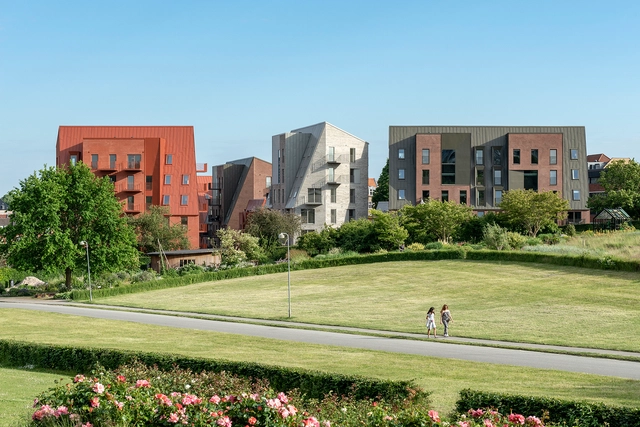
146 Residences in Aarhus / CEBRA


-
Architects: CEBRA
- Area: 11800 m²
- Year: 2020
-
Professionals: MBYland, Raundahl & Moesby
https://www.archdaily.com/952604/146-residences-in-aarhus-cebraAndreas Luco
10 Types of Roofs and the Possibilities of Slate Tiles
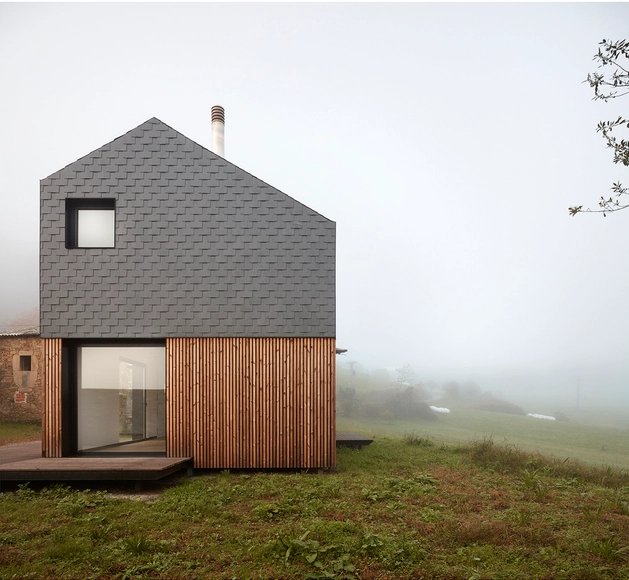
Every child has drawn a house. Perhaps a sunny day with some clouds, a leafy tree, a family with a dog, low wooden fences, or even a car. But in these drawings, they will almost certainly draw a simple rectangle with a gable or hip roof. This archetype of the house appears in virtually all cultures, and even today many architects use it for contemporary projects.
In addition to the primary function of draining rainwater and snow, and thus protecting the building from the weather, roofs can be an important aesthetic device for composing a project. In modern architecture, waterproof roof slabs emerged as a popular alternative, but sloping roofs have continued to captivate both clients and architects. In this article, we will cover the various types of roofs and, more specifically, the manufacturing process and characteristics of natural slate tiles.
https://www.archdaily.com/950937/10-types-of-roofs-and-the-possibilities-of-slate-tilesEduardo Souza
Kickflips & Curb Cuts: New Skate Parks Shaping Urban Design
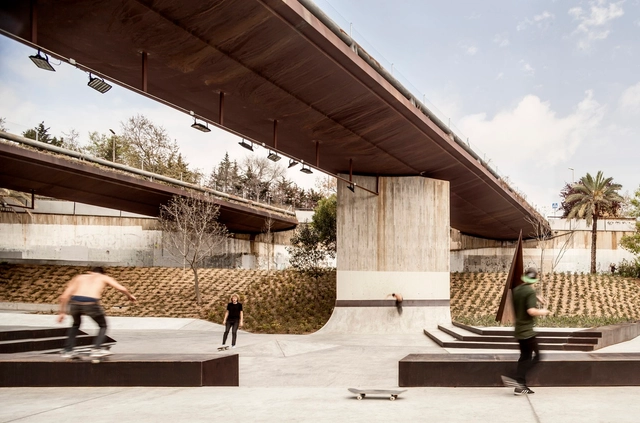
Skateboarding is its own urban experience. As interactive public spaces and tactile surfaces, skate parks have slowly begun to shape the way we think about urban design. Beyond the boundary of parks themselves, skaters look at the architecture of the built environment outside of its intended purpose, and in turn, are rethinking how we gather, move around, and reimagine the future of urban life.


https://www.archdaily.com/946371/kickflips-and-curb-cuts-new-skate-parks-shaping-urban-designEric Baldwin
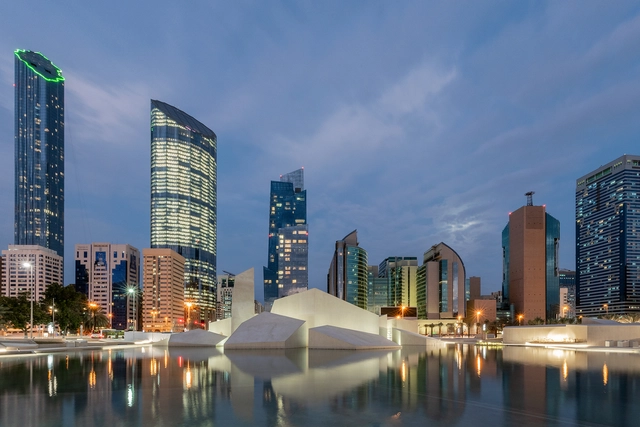
Qasr Al Hosn: Al Musallah Prayer Hall / CEBRA


-
Architects: CEBRA
- Area: 1100 m²
- Year: 2019
-
Professionals: CEBRA architecture, GHD, Kossmann.dejong, ProDenkmal
https://www.archdaily.com/930148/qasr-al-hosn-al-musallah-prayer-hall-cebraPaula Pintos
How To Promote Lifelong Learning, Productivity, And Meaningfulness In Architecture
With the aim of generating an architecture that incubates the wellbeing, self-realization, and fulfillment of its inhabitants to become the best version of themselves, CEBRA has launched an ambitious Research and Development Program (R&D) called WISE (Work, Innovation, Space and Education).
As explained by its creators, the purpose of WISE is "to bridge the ongoing and rapid change in the sectors of workspace and education to inform the design of buildings that stimulate learning and innovation. We are connecting ideas of the foremost thinkers of education and entrepreneurship, research and studies in sensory stimuli, cognitive psychology, and behaviorism with architecture."
We spoke with Carsten Primdahl, founding partner of CEBRA, and Klaudio Muca, R&D Architect at CEBRA, to better understand the approach and expected results of the program.
https://www.archdaily.com/913017/cebras-r-and-d-program-wise-seeks-to-promote-lifelong-learning-productivity-and-meaningfulnessJosé Tomás Franco
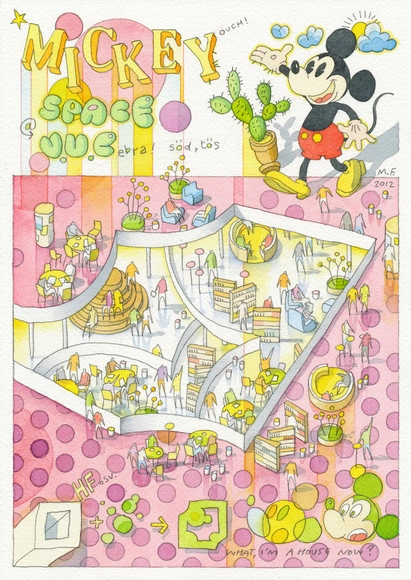
TEDx Talk by CEBRA Founder Mikkel Frost demonstrates the Power of Hand Drawing
Danish architect and CEBRA founding partner Mikkel Frost has given a TEDx Talk arguing for the relevance of hand drawing in an increasingly virtual world. Titled “Let your fingers do the talking,” the talk presents hand drawing “not as a render killer, but rather as a lively and more open supplement to the close-to-nature visualization.”
During the talk, Frost explains the inspiration behind is drawing style, partly from the cartoon universe where messages are communicated with humor, few words, and simple expressions. A central part of the design process for every CEBRA project, Frost describes hand drawing as a visual language that is easily understood, open, and less conclusive that hyper-realistic visualizations.
https://www.archdaily.com/910931/tedx-talk-by-cebra-founder-mikkel-frost-demonstrates-the-power-of-hand-drawingNiall Patrick Walsh
Stone Facades: 7 Slate Covered Homes
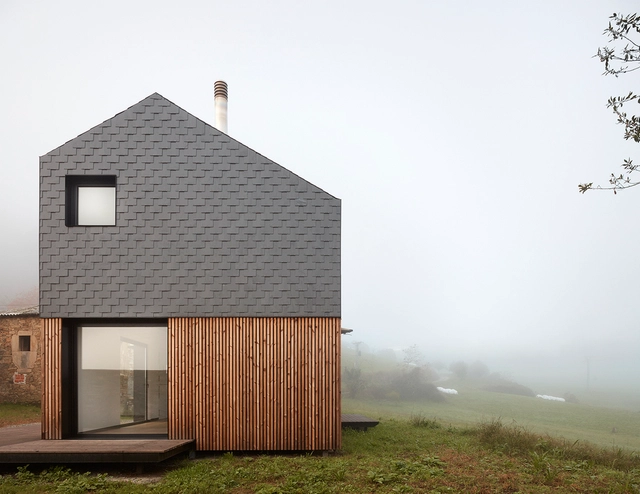
Slate is a mineral product, completely inert and ecological, with a simple and efficient production process. It is one of the most versatile natural products, adapting to any project as a coating material, from roof to floor and façade.
It is resistant to extreme temperatures, with a lifespan of 100 years and a high impermeability, slate guarantees a reliable performance in any climatic condition. Its diversity in shapes, sizes, and textures allow for a multiplicity of combinations inviting architects to awaken their creative side.
We've compiled a list of 7 exemplary homes that have used slate as a wrapping material.
https://www.archdaily.com/907325/stone-facades-7-slate-covered-homesMaría Francisca González
100 Architectural Sketches
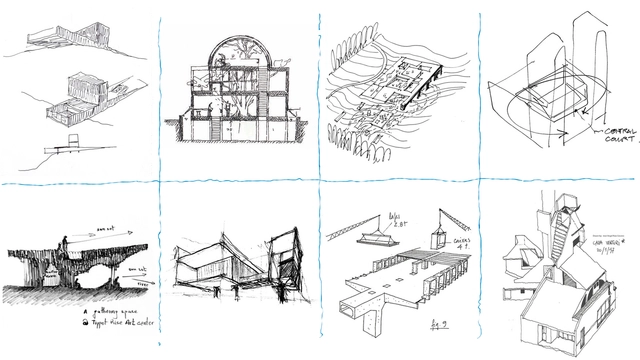
With more digital tools available to architects than ever before, one has to ask themselves why the sketch remains one of the most valued pieces of representation in the architectural field. Renderings, three-dimensional models, and virtual reality are powerful and efficient innovations that allow architects to express their ideas and designs. However, in our fast-paced world where messages are sent across the globe in a matter of seconds, it seems that nothing compares to the hand-drawn, imperfection of a sketch.
While some sketches are chaotic scribbles developed during the design stage, others are true works of art, aimed to convince clients. Below, we compiled a list of 100 sketches made by architects from around the world to inspire you.
https://www.archdaily.com/896643/100-architectural-sketchesAD Editorial Team


CEBRA's Spiral Staircase Floats Weightlessly With 10 Tons of Copper

Walking in through the entrance of the Experimentarium by architecture firm CEBRA, visitors can immediately take notice of the radiating copper Helix staircase. The Helix staircase is 100 meters long, supported with 160 tons of steel and clad and 10 tons of 7mm thick copper.


https://www.archdaily.com/883937/cebras-spiral-staircase-floats-weightlessly-with-10-tons-of-copperSamantha Buckley
9 Drawings to Celebrate Our 9th Birthday

9 years ago today, ArchDaily launched with a challenging mission: to provide inspiration, knowledge and tools to the architects tasked with designing for the 3 billion people that will move into cities in the next 40 years. Over these 9 years, as we have developed innovative approaches to help architects tackle the urban challenges facing our world, our work has brought us into contact with some of the most creative and respected architects in the world. To help us celebrate our 9th birthday, we asked 9 architects who are renowned for their creative and imaginative abilities to create drawings inspired by our logo, to show the world what ArchDaily means to them.
https://www.archdaily.com/866860/9-drawings-to-celebrate-our-9th-birthdayAD Editorial Team