1. ArchDaily
  2. Metal

Metal: The Latest Architecture and News

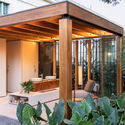
Nohara Terrace / Lucas Takaoka

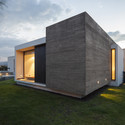
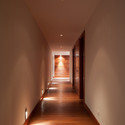
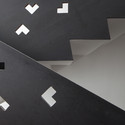
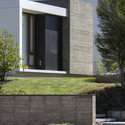
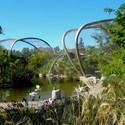
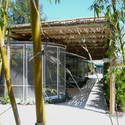
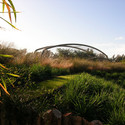
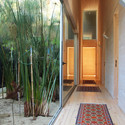
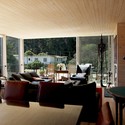
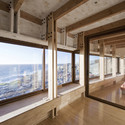
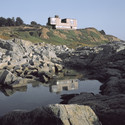
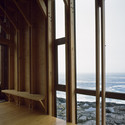
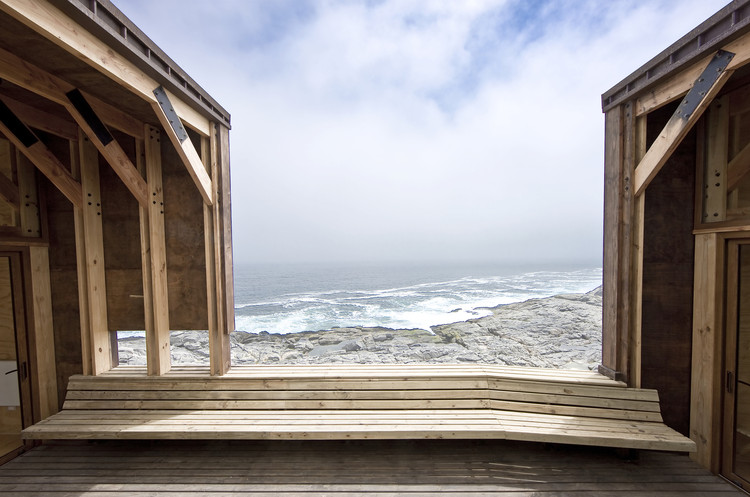
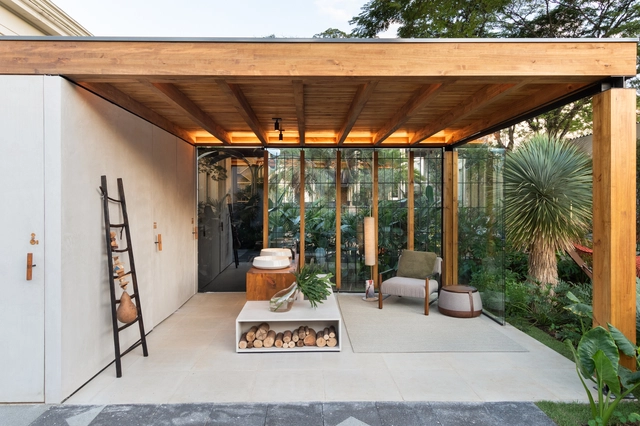
Nohara Terrace / Lucas Takaoka - Interior Photography, Other Structures, BathroomNohara Terrace / Lucas Takaoka - Interior Photography, Other Structures, Door, Facade, BeamNohara Terrace / Lucas Takaoka - Interior Photography, Other Structures, Facade, LightingNohara Terrace / Lucas Takaoka - Exterior Photography, Other Structures, LightingNohara Terrace / Lucas Takaoka - More Images+ 11

  • Architects: Lucas Takaoka
  • Area Area of this architecture project Area:  215 ft²
  • Year Completion year of this architecture project Year:  2019
  • Manufacturers Brands with products used in this architecture project
    Manufacturers:  AutoDesk, Brilia, Construflama, Deca, Google, +7

15 Projects of Steel Stealing the Show

Subscriber Access | 

The use of steel in architecture is considered as one of the most innovative construction developments in history, allowing architects to create structures in scales they never thought they could. Fast-forward a few centuries, and steel remains as one of the most crucial materials in architecture. But there is a lot more to the material than just tensile strength and durability, some architects were well-aware of steel's potential and transformed it into lighting fixtures, facades, decorative elements, and finishes.

Here are 15 projects where architects looked beyond steel as structural support and explored its diverse possibilities in architecture.
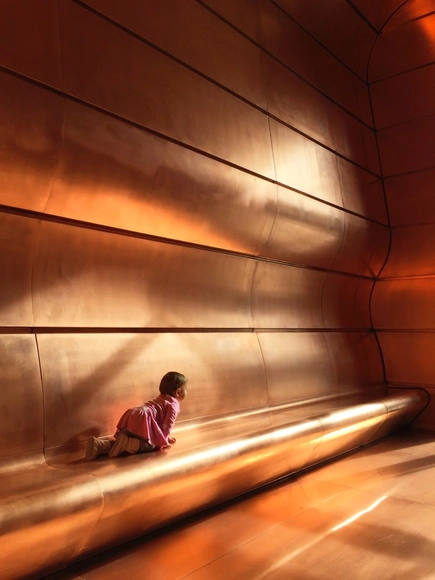
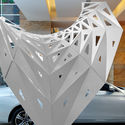
15 Projects of Steel Stealing the Show  - Image 1 of 415 Projects of Steel Stealing the Show  - Image 2 of 415 Projects of Steel Stealing the Show  - Image 3 of 415 Projects of Steel Stealing the Show  - Image 4 of 415 Projects of Steel Stealing the Show  - More Images+ 11

Copper Cladding: A Glittering Room With Baroque Twists

Subscriber Access | 

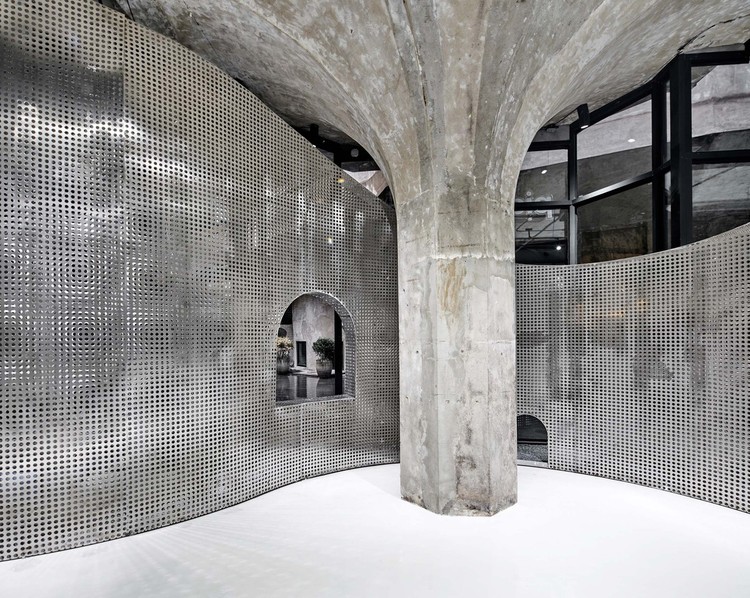
This renovation project by Peter Ebner and friends ZT GmbH is about the history of a place and changing tastes and times. It is about not needing a large scale to radically improve the space around. It is about the beauty and character of the city with its reflected sparkling life, gloomy evening sky, raindrops and lights of passing cars. It is about people who are mostly in a hurry, but who still sometimes stop for a few seconds to take note of a special, glittering room.
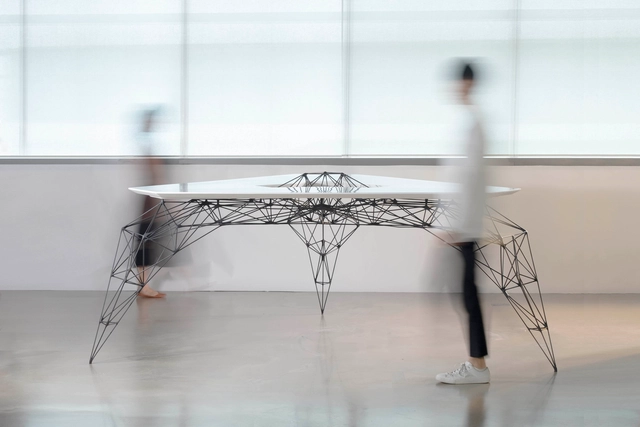
Slender Strength: The Mighty Grace of the Stainless Steel AIRTable

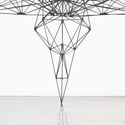
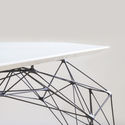
A sturdy featherweight table? Sounds... contrary to reason. But this contradiction was the very impetus for the design. Created for a research center that’s pushing the boundaries of design and manufacturing using technology and science, the designers--AIRLab, in collaboration with DManD-- sought to dematerialise the typical structure of a table, creating a sense of instability with the visual counterpoint of a solid surface.

Slender Strength: The Mighty Grace of the Stainless Steel AIRTable - Image 1 of 4Slender Strength: The Mighty Grace of the Stainless Steel AIRTable - Image 2 of 4Slender Strength: The Mighty Grace of the Stainless Steel AIRTable - Image 3 of 4Slender Strength: The Mighty Grace of the Stainless Steel AIRTable - Image 4 of 4Slender Strength: The Mighty Grace of the Stainless Steel AIRTable - More Images+ 7

10 Excellent Examples of Works That Adopt the Use of Containers

Subscriber Access | 

With the green premise growing in popularity across the globe, more and more people are turning to recycling shipping containers as a way to reduce the extremely high surplus of empty shipping containers that are just waiting to become a home, office, apartment, school, dormitory, studio, emergency shelter, or anything else. The conversion of shipping containers to living spaces is not a new concept.

Shipping containers have become a more common architectural tool over the past few years. Through clippings, insertion of external elements, coatings, and equipment, the container is adapted according to its future use and desired aesthetics. See below 10 examples of works that adopt the use of containers.
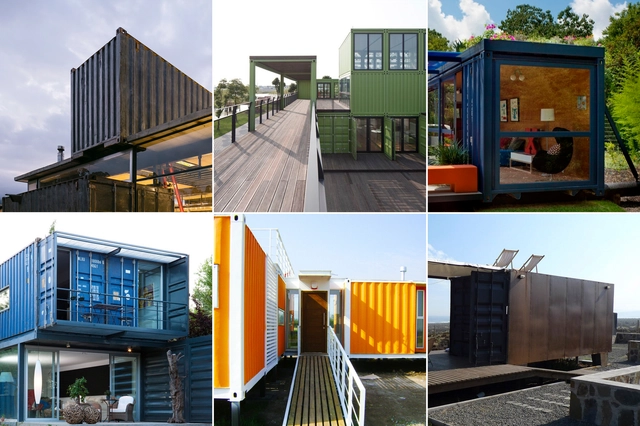
10 Excellent Examples of Works That Adopt the Use of Containers - Image 1 of 410 Excellent Examples of Works That Adopt the Use of Containers - Image 2 of 410 Excellent Examples of Works That Adopt the Use of Containers - Image 3 of 410 Excellent Examples of Works That Adopt the Use of Containers - Image 4 of 410 Excellent Examples of Works That Adopt the Use of Containers - More Images+ 6

Method in Modular: 10 Floor Plans Using Shipping Container Architecture

Subscriber Access | 

Shipping container architecture has developed its own niche in both design and representation. Colorful or grungy? Economical or gentrified? Either way, you look at it, designing with shipping containers is a serious exercise in modular planning. The physical constraints of the object make designing projects with containers a complex task, which demands specific studies in spatial organization.

The responses using this element in architecture are great and diverse, so we have selected a number of different project plans, both helpful and inspirational, that rise to the shipping container-challenge of design.

Check out selection of 10 architectural project plans using shipping containers below:
10 Projects That Feature Striking Steel Trusses

Subscriber Access | 

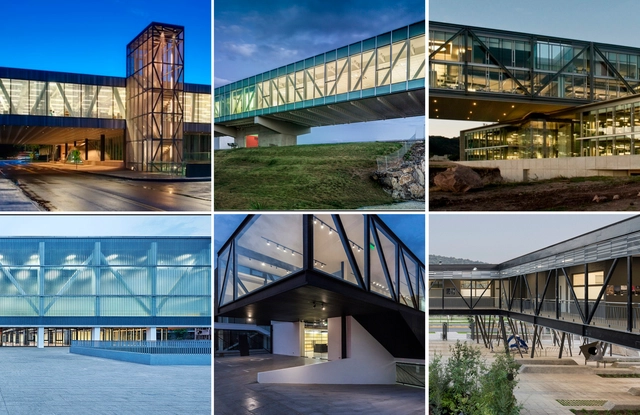
Understanding the structural aspects of architecture is an inherent task of the architect; sufficient structural knowledge allows designers to propose ideas such as large structural elements which offer an interesting response to a project's needs.

Steel trusses are an example of such a response, which demonstrate an ability to define spaces and structures that are truly complex and interesting.

Below is a list of 10 inspirational projects that use metal trusses as an essential element of design.
See How This Lightweight, Collapsible Aluminum Structure is Built

Subscriber Access | 

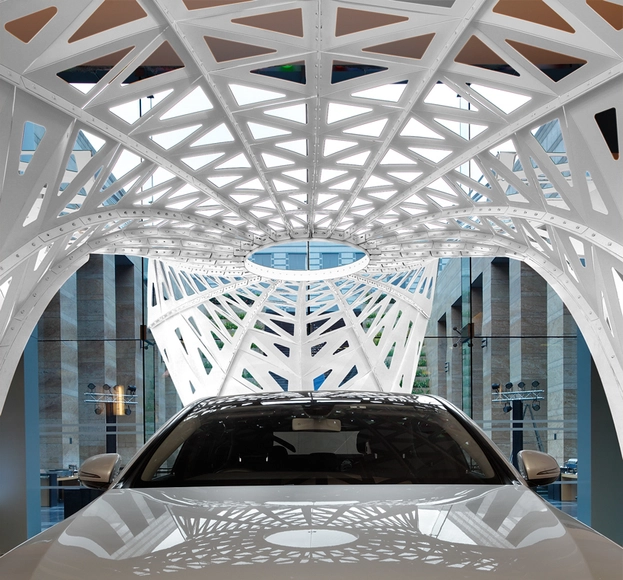
The geometric design of the 'Protostar Pavilion' for the launch of the new Mercedes-Benz E-Class is a morphological response associated with the iconic brand logo: a three-pointed star.

The project is a removable metal pavilion, made up of a series of folded aluminum plates that besides generating a light structure, allow for a quick and easy construction. 
See How This Lightweight, Collapsible Aluminum Structure is Built - Image 1 of 4See How This Lightweight, Collapsible Aluminum Structure is Built - Image 2 of 4See How This Lightweight, Collapsible Aluminum Structure is Built - Image 3 of 4See How This Lightweight, Collapsible Aluminum Structure is Built - Image 4 of 4See How This Lightweight, Collapsible Aluminum Structure is Built - More Images+ 13

Félix Guyon's Sails Benches are Anchored in Montreal

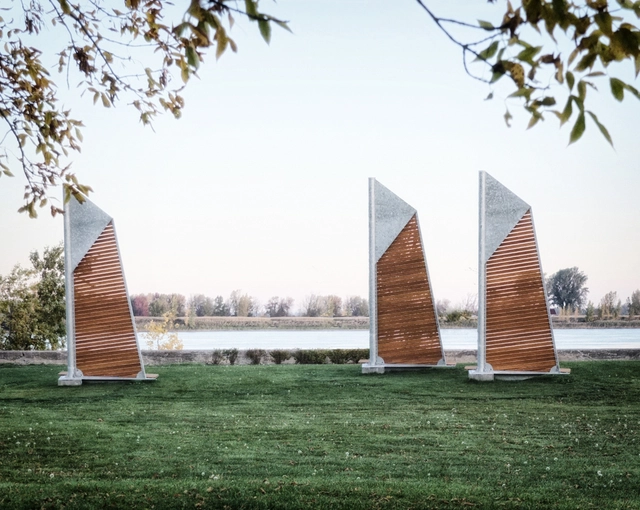
Designed by Félix Guyon of Les Ateliers Guyon in Verchères, Quebec, "Sails Benches" is a monument to the original founding families of Verchères, commissioned by the municipality. Having worked in Montreal for many years, Guyon returned to his native village for this personal project, which was selected as the winning design of the Furniture Category at the World Interiors Awards 2015 in London, "charming" the judges with the personal narrative and sensitivity of his Sail Benches, according to a press release. Read more about the project after the break.

NR2 House / Roberto Burneo Arquitectos

Subscriber Access | 
NR2 House / Roberto Burneo Arquitectos - Image 19 of 4
© Sebastián Crespo Camacho

Architects: Roberto Burneo Arquitectos Location: Balcon de Valle, Quito Canton, Ecuador Project Year: 2012 Project Area: 904 sqm Photographs: Sebastián Crespo Camacho

NR2 House / Roberto Burneo Arquitectos - Image 17 of 4NR2 House / Roberto Burneo Arquitectos - Image 12 of 4NR2 House / Roberto Burneo Arquitectos - Image 14 of 4NR2 House / Roberto Burneo Arquitectos - Image 16 of 4NR2 House / Roberto Burneo Arquitectos - More Images+ 17

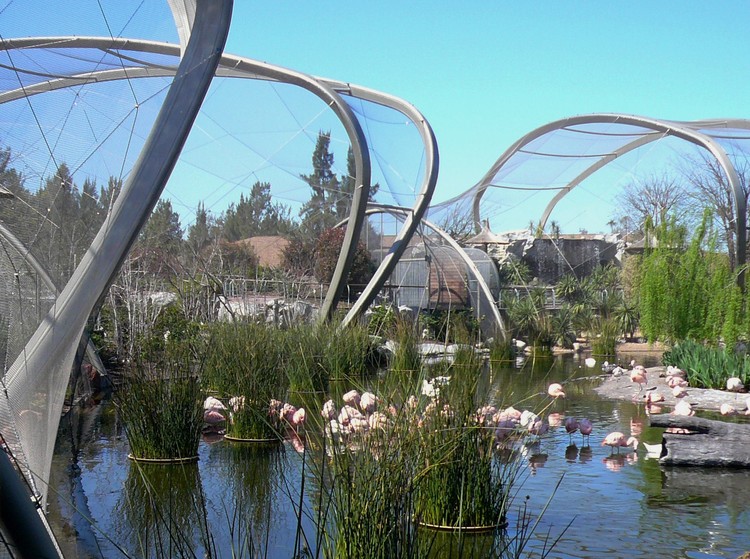
Aviary, Bioparque Temaikén / Hampton+Rivoira+Arquitectos

Subscriber Access | 
Aviary, Bioparque Temaikén / Hampton+Rivoira+Arquitectos - Image 18 of 4
© Fundación Temaikén

Architects: Hampton+Rivoira+Arquitectos Location: Escobar, Provincia of Buenos Aires, Argentina Architects In Charge: Jorge Hampton, Emilio Rivoira Associated Architect: Cristian Carnicer Design Team: Roberto Lombardi, María Eugenia García Castera, María Eugenia Viña Raznovich, Juan Reartes, Ignacio Ruiz Orrico, Diego Tablada, Emilia Alvarado, Anahi Fedrizzi Project Year: 2009 Photographs: Jorge Hampton, Emilio Rivoira, Fernando Mayán, Fundación Temaikén

Aviary, Bioparque Temaikén / Hampton+Rivoira+Arquitectos - Image 17 of 4Aviary, Bioparque Temaikén / Hampton+Rivoira+Arquitectos - Image 16 of 4Aviary, Bioparque Temaikén / Hampton+Rivoira+Arquitectos - Image 15 of 4Aviary, Bioparque Temaikén / Hampton+Rivoira+Arquitectos - Image 14 of 4Aviary, Bioparque Temaikén / Hampton+Rivoira+Arquitectos - More Images+ 16

Laguna Verde House II / Altamirano Armanet Arquitectos

Subscriber Access | 
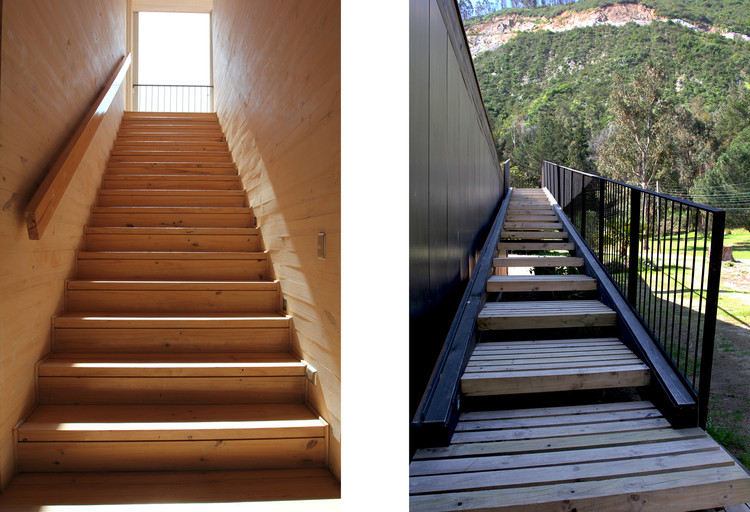
Laguna Verde House II / Altamirano Armanet Arquitectos - Image 8 of 4
Courtesy of Altamirano Armanet Arquitectos

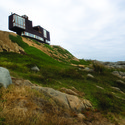
Architects: Altamirano Armanet Arquitectos Location: Laguna Verde, V Region, Chile Project Year: 2009 Photographs: Courtesy of Altamirano Armanet Arquitectos

Laguna Verde House II / Altamirano Armanet Arquitectos - Image 9 of 4Laguna Verde House II / Altamirano Armanet Arquitectos - Image 6 of 4Laguna Verde House II / Altamirano Armanet Arquitectos - Image 10 of 4Laguna Verde House II / Altamirano Armanet Arquitectos - Image 3 of 4Laguna Verde House II / Altamirano Armanet Arquitectos - More Images+ 7

TEDx: Metal that breathes / Doris Kim Sung

Subscriber Access | 

Biology student turn architect, Doris Kim Sung has dedicated her studies to the infinite possibilities of thermobimetals, smart materials that respond dynamically to temperature change. As tested with DO|SU Studio Architecture’s recent installation “Bloom”, whose surface is completely fabricated with thermobimetal, these smart materials are capable of relieving our dependence on energy-inefficient mechanical systems with their self-shading and self-ventilating properties.

Imagine a building skin capable of maintaining thermal comfort in an environmentally responsible and cost effective way by responsively mimicking the characteristics of human skin.

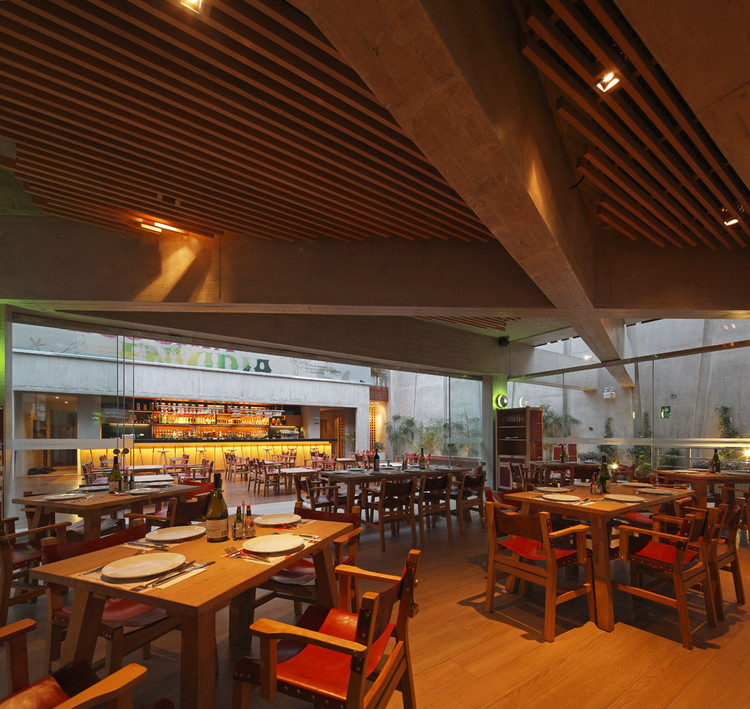
Pescados Capitales Restaurant / GonzalezMoix

Subscriber Access | 
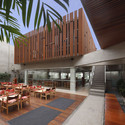
Pescados Capitales Restaurant / GonzalezMoix - Image 14 of 4
© Juan Solano

Architects: GonzalezMoix arquitectura Location: San Borja, Lima, Perú Architect : Óscar González Moix Project Year: 2012 Project Area: 763.2 sqm Photographs: Juan Solano

Pescados Capitales Restaurant / GonzalezMoix - Image 9 of 4Pescados Capitales Restaurant / GonzalezMoix - Image 13 of 4Pescados Capitales Restaurant / GonzalezMoix - Image 3 of 4Pescados Capitales Restaurant / GonzalezMoix - Image 12 of 4Pescados Capitales Restaurant / GonzalezMoix - More Images+ 13

Roblas Cube / Moscato Schere Todo Terreno

Subscriber Access | 
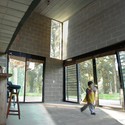
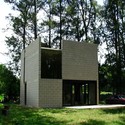
Roblas Cube / Moscato Schere Todo Terreno - Image 9 of 4
© Ramiro Schere

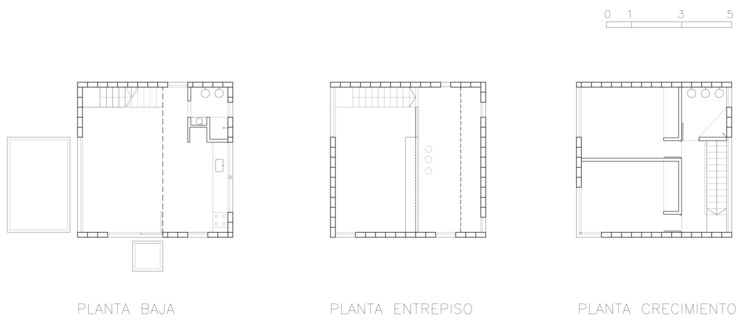
Architects: Moscato Schere Todo Terreno Location: Buenos Aires, Argentina Design Team: Agustin Moscato, Joaquín Moscato, Ramiro Schere Project Year: 2007 Photographs: Ramiro Schere

Roblas Cube / Moscato Schere Todo Terreno - Image 5 of 4Roblas Cube / Moscato Schere Todo Terreno - Image 8 of 4Roblas Cube / Moscato Schere Todo Terreno - Image 13 of 4Roblas Cube / Moscato Schere Todo Terreno - Image 12 of 4Roblas Cube / Moscato Schere Todo Terreno - More Images+ 11

La Baronia House / Nicolás del Rio + Max Núñez

Subscriber Access | 
La Baronia House / Nicolás del Rio + Max Núñez - Image 8 of 4
© Sergio Pirrone

Architects: Nicolás del Rio + Max Núñez Location: Quintero, Valparaíso Region, Chile Architect In Charge: Nicolás del Rio, Max Núñez Project Year: 2009 Project Area: 150 sqm Photographs: Erieta Attali, Felipe Camus, Sergio Pirrone

La Baronia House / Nicolás del Rio + Max Núñez - Image 7 of 4La Baronia House / Nicolás del Rio + Max Núñez - Image 3 of 4La Baronia House / Nicolás del Rio + Max Núñez - Image 9 of 4La Baronia House / Nicolás del Rio + Max Núñez - Image 6 of 4La Baronia House / Nicolás del Rio + Max Núñez - More Images+ 5

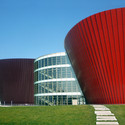
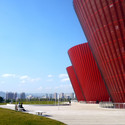
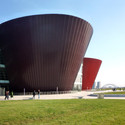
Taiyuan Archaeological Museum / Paul Andreu Architecte

Subscriber Access | 
Taiyuan Archaeological Museum / Paul Andreu Architecte - Image 8 of 4
© Paul Andreu Architecte

Architects: Paul Andreu Architecte Location: Taiyuan, Shanxi, China Project Year: 2007 Project Area: 50,000 sqm Photographs: Paul Andreu Architecte

Taiyuan Archaeological Museum / Paul Andreu Architecte - Image 7 of 4Taiyuan Archaeological Museum / Paul Andreu Architecte - Image 14 of 4Taiyuan Archaeological Museum / Paul Andreu Architecte - Image 13 of 4Taiyuan Archaeological Museum / Paul Andreu Architecte - Image 6 of 4Taiyuan Archaeological Museum / Paul Andreu Architecte - More Images+ 10

Phoenix Zeppelin Headquarters / Paulíny Hovorka Architekti + Stefan Moravcik architectural atelier

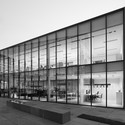
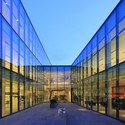
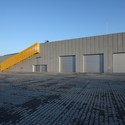
Phoenix Zeppelin Headquarters / Paulíny Hovorka Architekti + Stefan Moravcik architectural atelier  - Institutional BuildingsPhoenix Zeppelin Headquarters / Paulíny Hovorka Architekti + Stefan Moravcik architectural atelier  - Institutional BuildingsPhoenix Zeppelin Headquarters / Paulíny Hovorka Architekti + Stefan Moravcik architectural atelier  - Exterior Photography, Institutional BuildingsPhoenix Zeppelin Headquarters / Paulíny Hovorka Architekti + Stefan Moravcik architectural atelier  - Exterior Photography, Institutional Buildings, FacadePhoenix Zeppelin Headquarters / Paulíny Hovorka Architekti + Stefan Moravcik architectural atelier  - More Images+ 38

Banská Bystrica, Slovakia