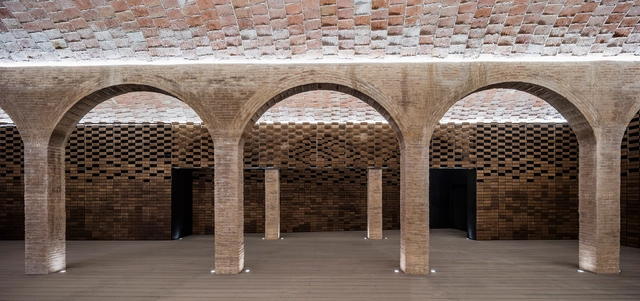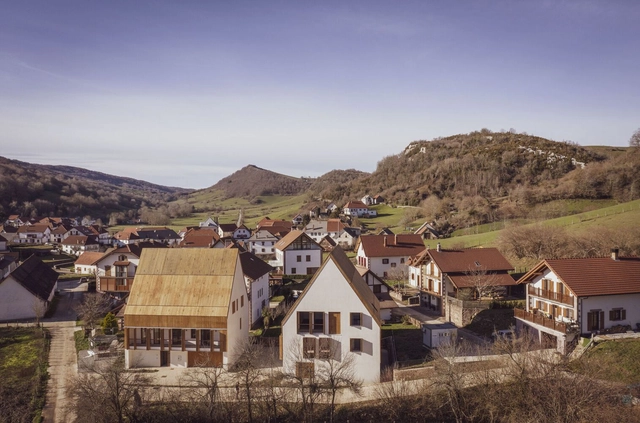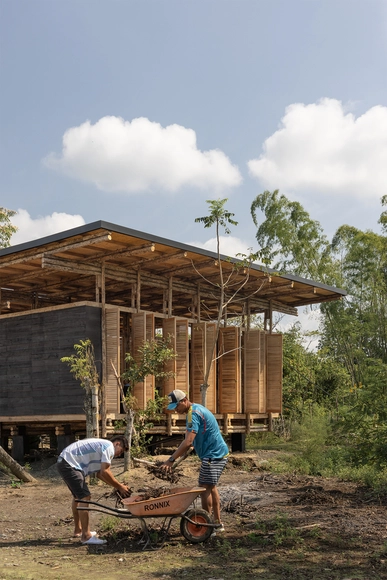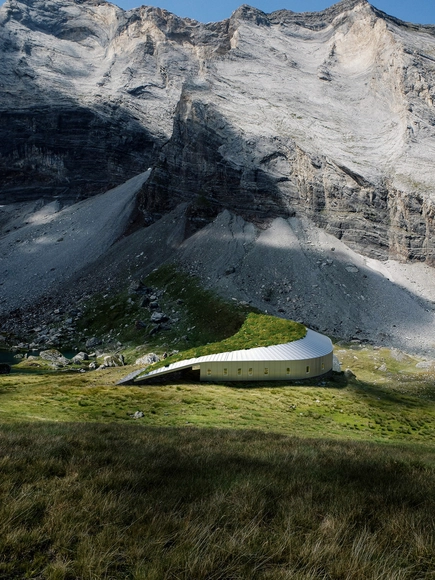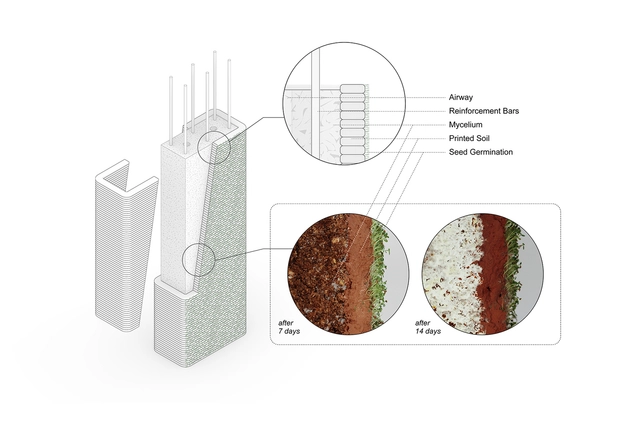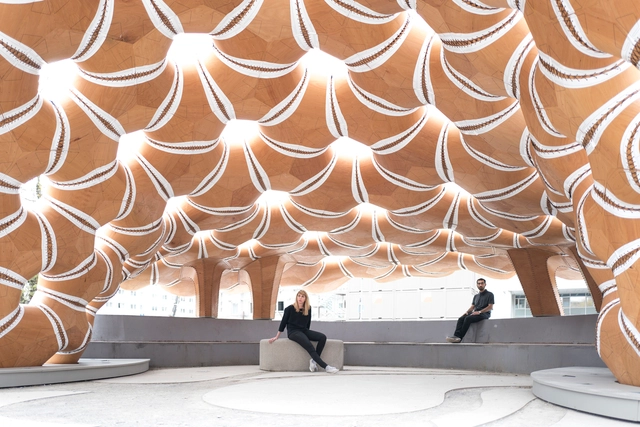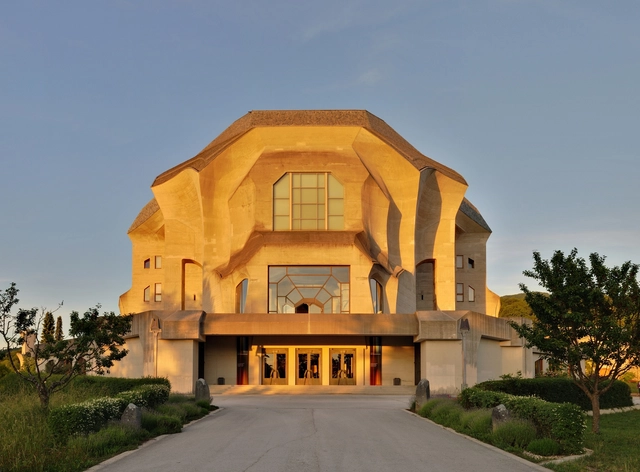
As climate uncertainty and ecosystem changes reshape design priorities, architecture plays an increasingly active role in these discussions, rather than merely observing. Within this perspective, the idea of making a "re" encourages a conscious step back to rethink, reconnect, and realign the relationship between buildings and their environments. This approach, central to regenerative architecture, extends beyond specific technologies or scales, encompassing everything from master plans that aim to re-naturalize cities to national pavilions that combine art and science.