Putting Wood on a Pedestal: The Rise of Mid-Rise Podium Design

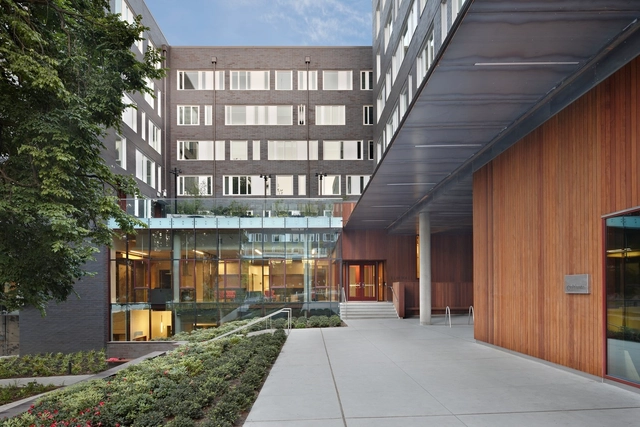
Podium construction – alternately known as platform or pedestal construction – is a building typology characterized by a horizontal division between a lower ‘podium’ and an upper tower. The podium, which is typically made of concrete or steel, is crowned by multiple light wood-frame stories. Often, the lighter upper structure contains four to five stories of residential units, while the podium houses retail, commercial, or office spaces and above- or below-grade parking. An alternative configuration sports six to seven residential stories (including the podium) and subterranean parking. Some visible examples of this podium construction style include the amenity-rich Stella residences designed by DesignArc; an attractive yet cost-effective student housing project for the University of Washington by Mahlum Architects; and the warm, modern University House Arena District also designed by Mahlum Architects in Eugene, Oregon.

The Art of Lighting Art

Subscriber Access | 

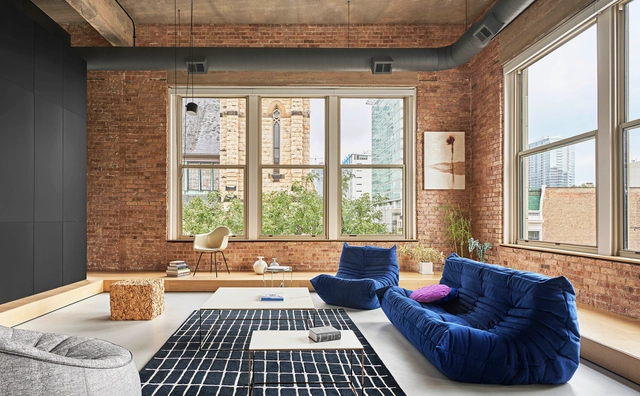
Choosing the right lighting for any space can be a complex decision. Considerations need to be made with respect to the purpose, form and function of the lighting application. Design and aesthetics also play a role in the equation. With so many options for lighting on the market, it takes specialized knowledge and understanding to determine the best fit for your space. Even more challenging than finding lighting for a generic space, an art gallery or museum application can be difficult and even overwhelming to light properly. LED lighting has simplified a large chunk of lighting for art display.

How BIM Can Make Building Renovations and Retrofits More Efficient

Building Information Modeling (BIM) is an increasingly common acronym among architects. Most offices and professionals are already migrating or planning to switch to this system, which represents digitally the physical and functional characteristics of a building, integrating various information about all components present in a project. Through BIM software it is possible to digitally create one or more accurate virtual models of a building, which provides greater cost control and efficiency in the work. It is also possible to simulate the building, understanding its behavior before the start of construction and supporting the project throughout its phases, including after construction or dismantling and demolition.

How to Join Wooden Elements: 6 Tips to Build Safe and Strong Structures

Subscriber Access | 

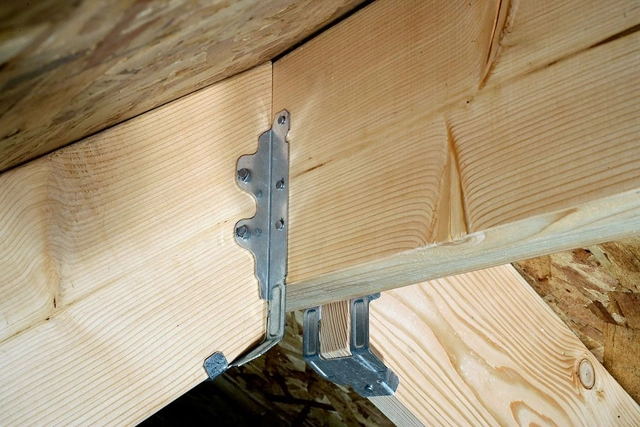
Wood is a very easy-to-work material, allowing professional and amateur builders to manufacture simple objects and structures without major problems. However, when thinking about larger-scale housing or buildings, it's important to take certain precautions that ensure good quality and good construction behavior. To this end, it's essential to evaluate every project and analyze which connection system best suits its structural and aesthetic needs.

What is Glued Laminated Wood (Glulam)?

Subscriber Access | 

Glued Laminated Wood (Glulam) is a structural material manufactured through the union of individual wood segments. When glued with industrial adhesives (usually Melamine or Polyurethane resin adhesives), this type of wood is highly durable and moisture resistant, capable of generating large pieces and unique shapes.

Streamline Construction Administration with Digital Tools by Archireport

 | Sponsored Content

Most architects can agree that they would prefer to spend more time designing and less time managing. Management is a vital role architects play, yet increased efficiency is always valuable. Whether it involves coordinating consultants or ensuring a job site is progressing to meet the contract documents, architects are in charge of orchestrating many moving parts throughout the life of a project. With an app like Archireport, architects can keep track of projects in the office or on site, wherever the work day may lead.

The Evolution of Bricklaying Robots: Changing the Rules of Traditional Construction

Automation is rapidly becoming a normalized part of many people’s daily lives and careers, a trend which has by no means evaded the construction industry. While this increasingly pervasive technology is often considered a symptom of the contemporary 21st century, however, one automated construction technology may have a history stretching as far back as the 1960s. This technology, the bricklaying robot, has transformed dramatically since its limited realization over 50 years ago, splintering into newer, more technologically advanced variations today.

The Versatility of Gabion Walls, From Infrastructure to Urban Furniture

Subscriber Access | 

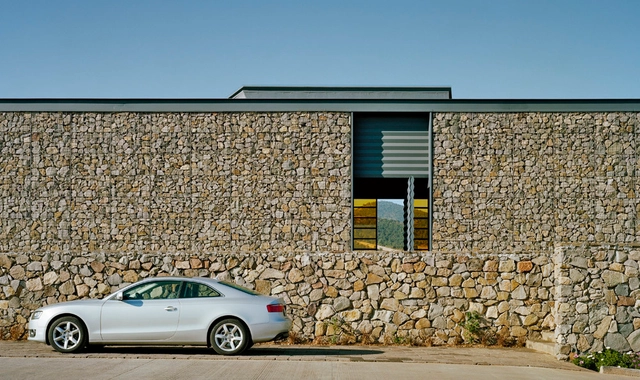
Widely used in infrastructure, gabion walls are structures made of mesh metal cages filled with stones. These permeable walls use galvanized steel wire to withstand outdoor conditions. 

Minimalist Windows with High Rigidity Steel Profiles: Transparency and Subtle Design

Subscriber Access | 

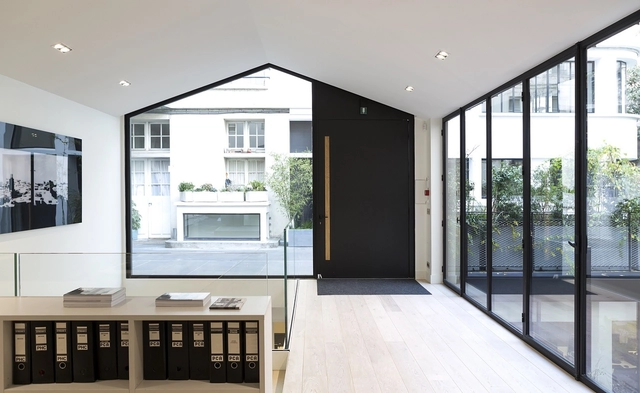
After centuries of using wood for the development of window and door carpentry, the Rationalism of the 20th century began to adopt a new material for these purposes: steel. Driven by industrial production, and promoted by architects such as Adolf Loos, Mies van der Rohe, and Le Corbusier, steel was evolving to generate increasingly thin and resistant frames. However, efficient and low-cost materials, such as aluminum and PVC, gradually began to replace its widespread use, increasing the size of the frames and losing steel's "clean" aesthetic when applied to a growing architecture of large glass paneled facades.

6 Eye-Catching Corten Steel Construction Details

Subscriber Access | 

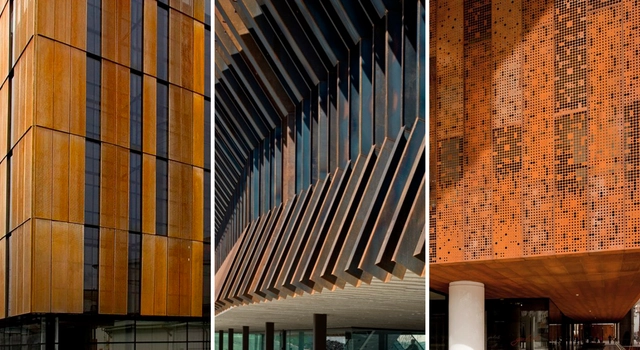
The characteristics of Corten steel has been respected by all architects, both for its strength and for its particular color. It corresponds to a type of steel manufactured with a chemical composition that provides an oxidation that protects the piece, practically without altering its mechanical characteristics. The architectural details of Corten steel present a diversity of situations and connections, not only the obvious constructive factor but it also gives an aesthetic value to any architectural project.

Open Call: What Materials Should We Use to Build Better Cities?

Materials, products, and construction systems are constantly evolving and following new technologies, discoveries, and market trends. Today, within the framework of our Monthly Topic “Innovation” we wonder: what products or materials could we use so that our projects make relevant contributions to the way we are inhabiting our planet?

Architects Play a Vital Role in Building Maintenance

Architecture and design influence not merely the aesthetics of buildings and other physical surroundings, but also the way individuals perceive and go about performing everyday activities. Contemporary architecture considers and shapes the behavior of people, whether at home, at work or during leisure activities. In this regard, contemporary architecture increasingly incorporates diverse materials with different and unique qualities in order to create surroundings that facilitate the intended and naturally occurring behavior of visitors and everyday users. Architects thus create spaces that enable people to perform daily tasks and a range of everyday social activities. However, architects also play a vital role in securing the future maintenance of newly designed buildings in order to ensure the continued existence of these physical spaces.

Fiber Cement Facades in Architecture: 9 Notable Examples

Subscriber Access | 

How to build light and modular facades with a rustic and monolithic appearance?

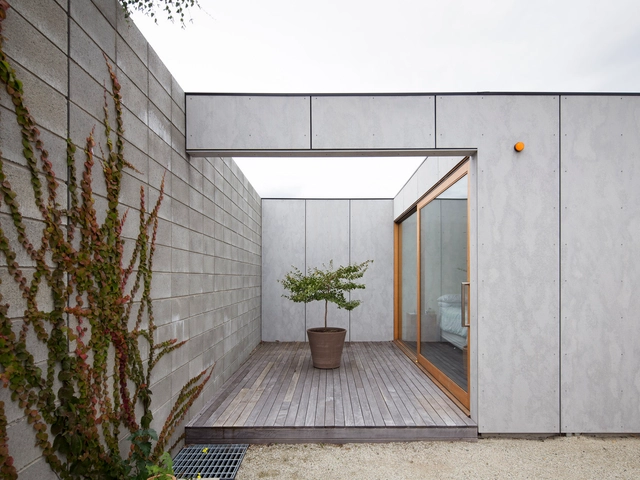
Composed of cement, cellulose, and mineral materials, fiber cement allows us to clad walls in a light, non-combustible, and rain-resistant way, generating facades with different textures, colors, and tones. Its panels are easily manageable and perforable, and can configure ventilated facades when installed with a certain separation between the rear wall. Check out 9 projects below that have cleverly used fiber cement as the primary material in facades.

10 Resistant Plants that Survive in Low Light Spaces

Subscriber Access | 

With increasingly smaller homes and apartments, there has been a growing impulse to integrate plant species into interior spaces. But what kind of plants should be used for an environment lacking in abundant natural light? In this article, you will find some suggestions for species recommended for shaded or semi-shaded environments, an especially important distinction when we talk about interior spaces that receive little sunlight.

What is the Future of Concrete in Architecture?

Concrete is the second-most used material on earth. It is also the second-largest emitter of CO2, with cement manufacturing accounting for 5 to 7 percent of annual emissions. The continued popularity of concrete as a material of choice in the design and construction industry, coupled with increasing unease of the environmental consequences, has put concrete firmly in the spotlight of innovation and experimentation. As a result, designers, architects, and researchers around the world are generating multiple visions for what the future of concrete in architecture could look like.

Why Incorporate Moss Walls into Architecture

Subscriber Access | 

The Environmental Protection Agency estimates that Americans spend 90 percent of their time indoors. Spending that much time inside makes us feel disconnected from the outside world, affecting everything from our productivity to mental health. Not to mention physical health concerns ranging from poor circulation to airborne contaminants.

Layered Architecture: What is Additive Manufacturing?

Additive Manufacturing (AM) is a term used to identify the manufacturing processes performed by 3D printing through layer-by-layer construction. In addition to avoiding the generation of waste through the use of precise geometries and exact quantities of material, these controlled processes can be much faster than traditional ones, since they don't require tools or other instruments.

Advanced Construction: Material Innovations and New Technologies

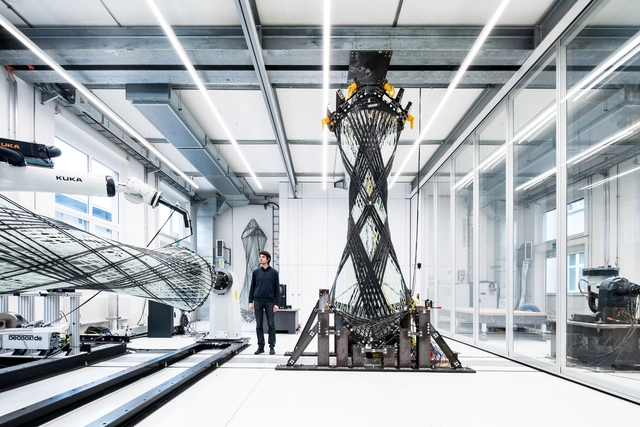
Materials and technology come together in new spaces and experiences. When looking to innovations in advanced construction, the Institute for Computational Design (ICD) and the Institute of Building Structures and Structural Design (ITKE), together with students at the University of Stuttgart, have been creating a series of experimental pavilion for many years. These structures tell a story of computational design and computer-aided manufacturing processes for advanced construction.