Translucency & Raw Materials: A Brief Analysis of Lacaton & Vassal's Solutions

Subscriber Access | 

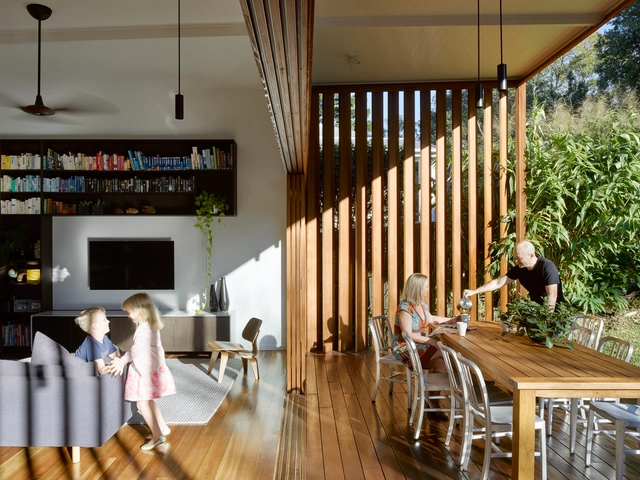
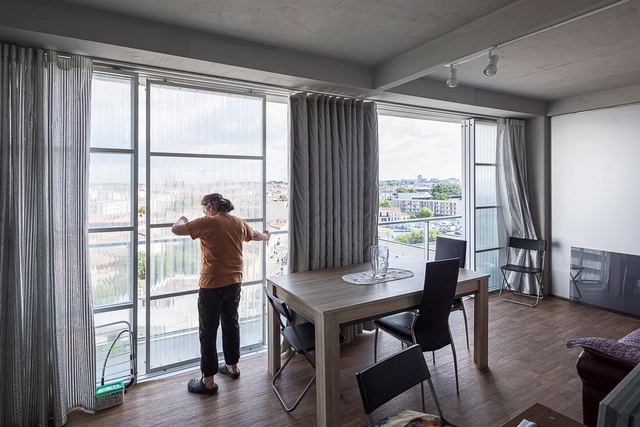
Paulo Mendes da Rocha often says that the function of architecture is nothing more than ‘supporting the unpredictability of life’. Spaces stand everyday life, meetings, landscape, art. Something like a frame, which is often also considered a supporting element of a work of art, since it highlights and, mainly, directs the viewer's gaze to the main object. The phrase of the Brazilian architect combines well with the way that the Lacaton & Vassal office works. The French couple's award raises some questions about how accurate their choices are for the current moment in the world. This includes the philosophy of their work, the design solutions adopted and the material palette generally adopted.
Hong Kong Architects Convert Plastic Waste into Public Benches to Combat Pollution

Subscriber Access | 

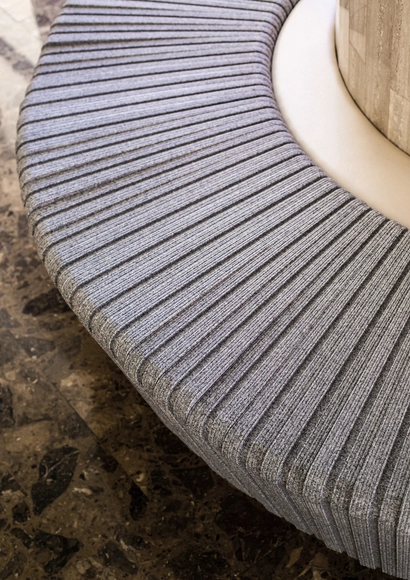
The Shing Mun River in Sha Tin, a residential town in Hong Kong, has struggled with plastic waste pollution for years. Household waste that is not properly recycled will either end up in landfills or floating in the river. In 2018 almost 17 million plastic items, or 40,000 items daily, were found to be drained into the ocean via the Shing Mun River, mostly being food packaging, cutleries, and household plastic bottles. This quantity of plastic pollution in the river and surrounding environment could eventually jeopardize the natural ecosystem irreversibly.

How To Take Advantage of High Ceilings in Renovations

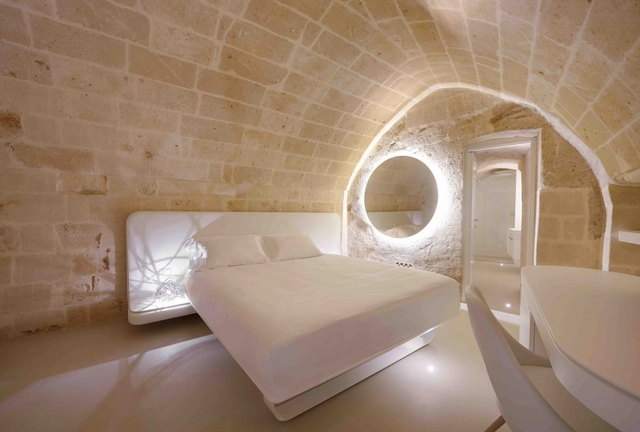
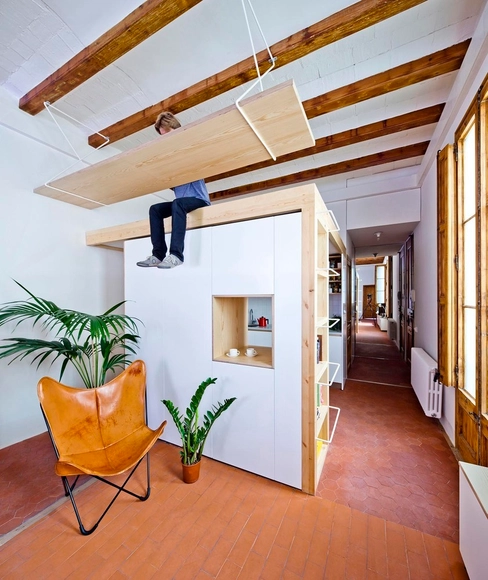
The height of the ceiling of a space heavily influences our perception of it. Generally, local building codes regulate the minimum dimensions for ceiling height, which are calculated to ensure adequate quality of life in the environment. But the exact height of the ceilings is often defined by the dimensions of other materials that make up the building, the height of the constitutive slabs, or even by rounding the dimensions of the stair steps. It is common, with the densification of cities aimed at increasing profitability, for entrepreneurs to design with minimum ceiling heights in houses and offices, reducing construction costs. On the other hand, in older structures, more generous ceilings can be observed, which generally enable a greater degree of design freedom. But how can architects make the most of these spaces?

The Psycho-Geography of the Cretto di Burri

Subscriber Access | 

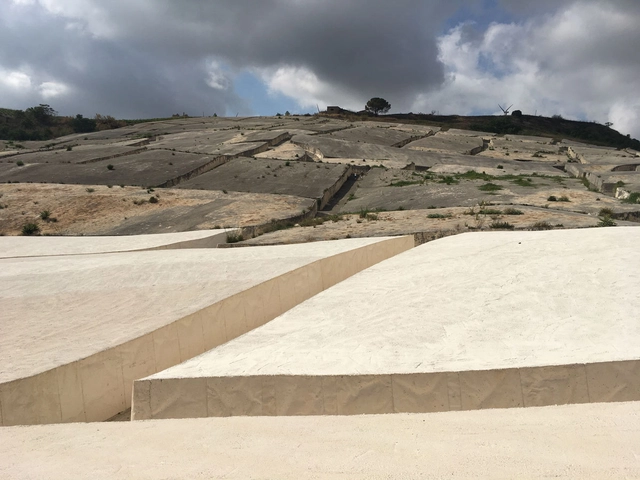
In 1968, the small town of Gibellina in Sicily was flattened by the colossal Belice earthquake, a magnitude 5.5 quake that killed hundreds and left 100,000 homeless. Planners were unable to rebuild Gibellina at its original site, so the new city—Gibellina Nuova—was constructed 11 kilometers (7 miles) away instead. In anticipation of the design and construction of Gibellina Nuova, and in the wake of the Belice earthquake tragedy, the mayor of Gibellina called on several artists to submit proposals for projects to decorate the new city. One of the artists was the prolific “polymaterialist” Italian painter and sculptor Alberto Burri (1915-1995).

Circular Openings: From Boats to Contemporary Architecture

Subscriber Access | 

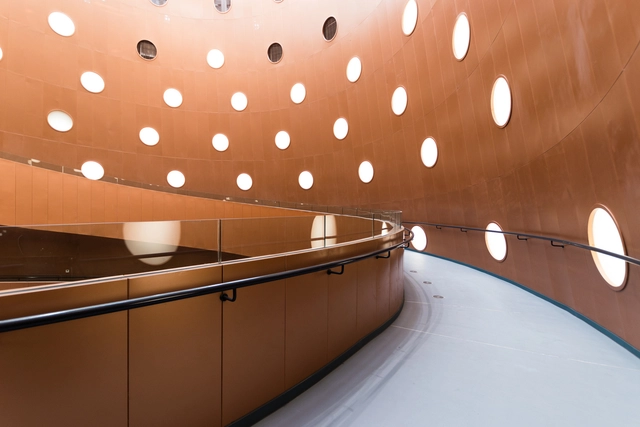
There are two main reasons why boat windows are round. They are easier to seal and, above all, more resistant to the high pressure that water exerts on them. This is because living corners are places where tensions are naturally concentrated, weakening the structure as a whole. This is also why aircraft windows are small and round; high pressures are better distributed in curved shapes, reducing the likelihood of cracks or breaks.

Is It Time To Start Thinking About Wooden Industrial Buildings?

Subscriber Access | 

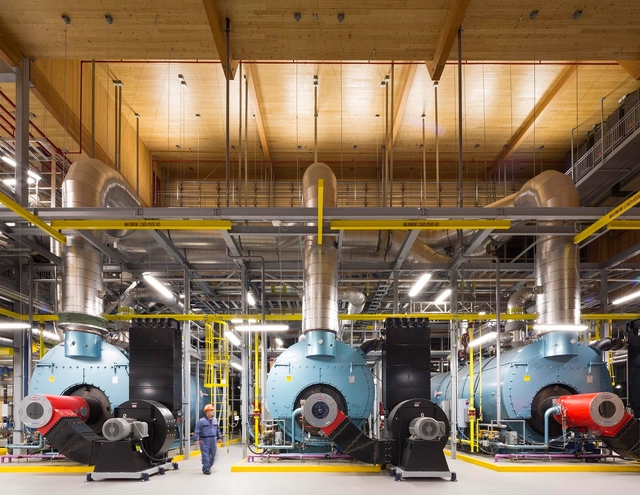
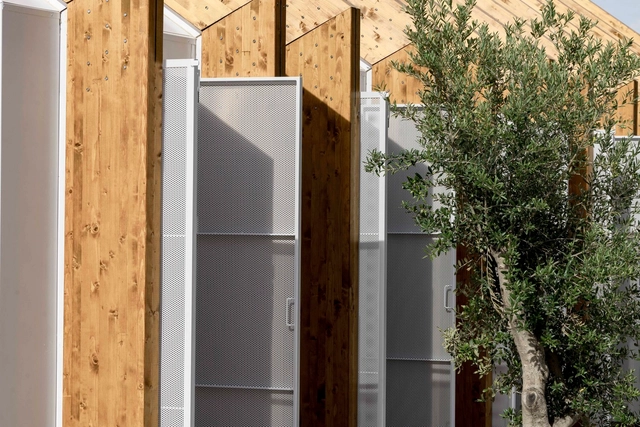
Industrial buildings are among the best examples of Louis Sullivan's famous phrase "form follows function." Generally, they are functional, efficient buildings, quick to build and unornamented. That is why, when we study the industrial heritage of different cities and countries, we are able to understand local materials, technologies, and traditional construction methods of the time. England's red brick factories come to mind, as well as the roof lanterns used to provide natural light to factories and other typical construction elements. Metallic and precast concrete structures are currently the most commonly used due to a combination of construction efficiency, cost, the possibility of expansive spans, and the unawareness of the benefits of other materials, such as wood. Often, these industrial warehouses are also characterized by being cold and impersonal, in addition to having a considerable carbon footprint. But Canada's experience in recent years is noteworthy, where there have been an increasing number of wooden buildings constructed for industrial programs.

How to Structure Buildings as Bridges

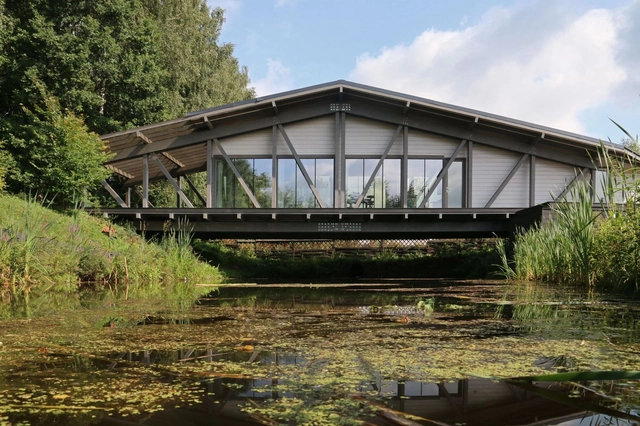
Metaphorically, building bridges equates to creating new opportunities, connections, and paths. The first bridges likely formed naturally with logs falling across rivers and natural depressions, though humans have also been building rudimentary structures to overcome obstacles since prehistory. Today, technological advances have made it possible to erect bridges that are both impressive and sculptural, playing a key role in transportation and connectivity. Usually needing to overcome large spans, with few points of support, bridges can be quite difficult to structure. But when is the bridge more than a connection between two points, instead resembling a building with a complex program? How can these 'bridge houses' be structured?

Timber Tutorial: How to Build Taller with Wood

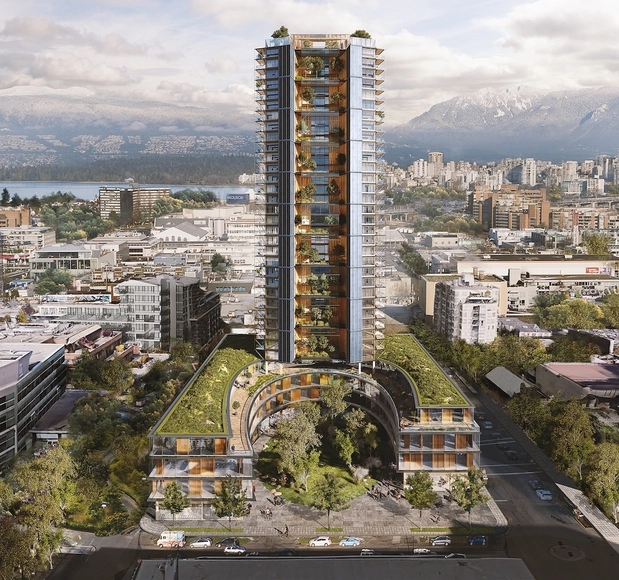
Tall timber buildings are on the rise. Design teams around the world are taking advantage of ever-evolving mass timber technologies, resulting in taller and taller structures. Building off our recent article exploring the future of high-rise buildings, we’re taking a deeper dive into new emerging timber technologies and the advantages of building taller with wood. This tutorial explores how to make tall timber structures a reality.

The Possibilities of Pigmented Concrete: 20 Buildings Infused With Color

Subscriber Access | 

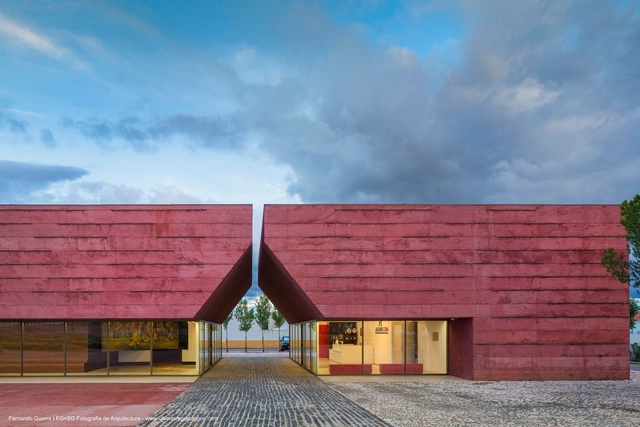
When we think of concrete, the color gray generally comes to mind. The traditional mixture of concrete, which comprises cement, gravel, sand, and water may vary in color depending on elements and admixtures but naturally varies from light to dark gray. However, compounds that add pigment to the mixture are becoming increasingly prevalent and popular,  as they infuse the concrete with hues more stable than paint. These shades result from the addition of oxides:  yellow, red and their derivations (eg. brown) are obtained with the addition of iron oxide; chromium and cobalt oxide create the greens and blues, respectively. For black concrete, it is common to use black iron oxide and carbon oxide combined with pozzolanic cement.

Lightweight & Detachable Solutions: Buildings as a Reserve of Materials for the Future

At the 2016 Venice Architecture Biennale, curator Alejandro Aravena decided to reuse 100 tons of material discarded by the previous Art Biennale to create the new exhibition halls. Besides preserving 10,000 m² of plasterboard and 14 km of metallic structures, the initiative intended to give value, through design, to something that would otherwise be discarded as waste. The project also shed light on another observation: as architects, we generally restrict ourselves to thinking about buildings during the design process, construction phase, and at most through the use phase. We hardly think of what will become of them when they are demolished at the end of their useful life, an issue that should urgently become part of the conversation.

Round Houses of Raw Earth: 3D Printing Sustainable Homes in 200 Hours

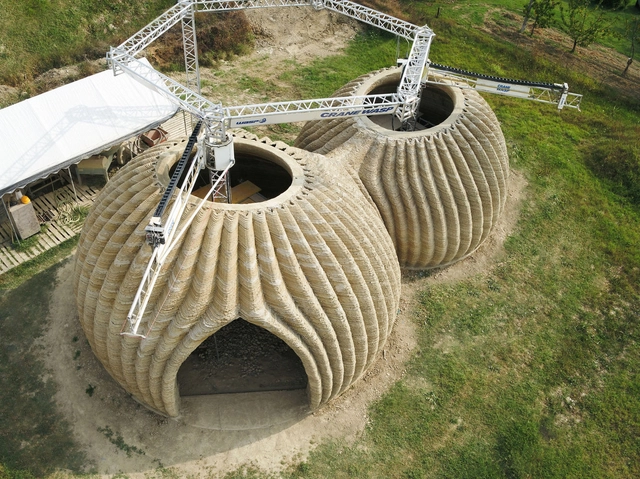
A recent collaboration between the team of Mario Cucinella Architects (MC A) and WASP, specialists in 3D Printing in Italy, has resulted in the first 3D-printed construction of a fully natural, recyclable, and carbon-neutral material: raw earth. The circular housing prototype is called TECLA and it was built in Massa Lombarda (Ravenna, Italy) using multiple 3D printers synchronized to work at the same time.

How to Design Smart Homes? 8 Tips for Incorporating Domotics Into Architecture

Home automation has long been associated with high costs, a burdening assembly time, and a cumbersome process that impelled us to discard the idea of automating projects. However, these days are long gone. 

Industrial or Natural Future: Is It Possible to Create Organic Cities Shaped by Technology?

In Her, a 2013 film directed by Spike Jonze, a lonely writer develops a love affair with the virtual assistant of an operating system. Brave New World, a book written in 1932 by the English author Aldous Huxley, fabricates a dystopian society whose cult of efficiency and rationality creates a humanity that ignores hardship and pain but also represses love and freedom. In Mary Shelley's 1818 book Frankenstein, considered the first science fiction novel, a life is artificially created, producing a monster with human characteristics: wills, wishes, and fears. Whether describing the fear of artificial intelligence, the uncertainty produced by industrialization, or the limits of science, science fiction works reveal less about the future and much more about the moment in which they were created; they speak of the fears and hopes of their own time.

Concrete Pipes Transformed Into Architectural Elements and Living Spaces

Subscriber Access | 

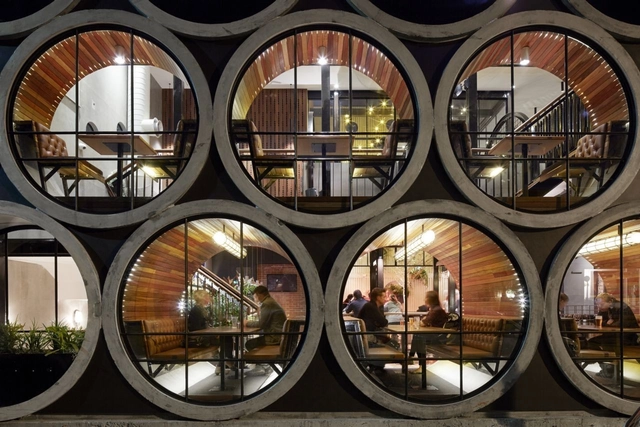
Urban infrastructures provide comfort to inhabitants and mitigate the risks of disasters such as flooding. Underground systems specifically conceal urban infrastructures from public view and are configured as real mazes under the streets. The distribution of drinking water, urban drainage, sewage, and even electrical wiring and fiber optics in some cases, pass under our feet without us noticing. To this end, the industry developed precast concrete parts for about 100 years that provided construction speed, adequate resistance to force, and durability against time. Concrete pipes with circular sections, in many diverse diameters, are perhaps the most used conduits and are ubiquitous around the world. But there are also those who use these apparently functional elements in creative architectural contexts as well.

3D Printing a 2-Meter-High Column in 30 Minutes: What's Next With This Technology?

There's no question that 3D printing is here to stay. However, it is still a developing technology that raises certain questions: Is it really effective for massive and large-scale construction? How sustainable is it? Will it go from being an option to becoming the norm in the construction industry?

To help clarify the broader picture of 3D printing's place in architecture and construction, we spoke with Alain Guillen, Managing Director and Co-founder of XtreeE. XtreeE is a platform that allows architects to bring their designs to reality through advanced large-scale 3D printing, which generates quick and precise shapes without material waste. Read below to find out how he and his team envision the future of robotics in architecture and why architects should prepare to embrace this new technology, leading us toward a more efficient yet equally creative future.

Creating Complex Concrete Structures with Augmented Reality and PVC Pipes

Subscriber Access | 

The reBENT project, developed by the Research Group 9 of the March 2019-20 Program of the Bartlett School of Architecture (UCL), explores the interactive relationship between augmented reality (AR) and manual construction processes using PVC pipes –highly resistant and cheap– as a base research material. In addition to taking advantage of its active bending properties to interact with AR, this material provides a fast and affordable system for the creation of complex concrete structures made by weaving together a series of bent PVC pipes and reinforcing bars, which are then used as formwork for glass fiber reinforced concrete (GFRC).

Single-Skin Metal Panels: Construction Tips and Details for Building Envelopes

Subscriber Access | 

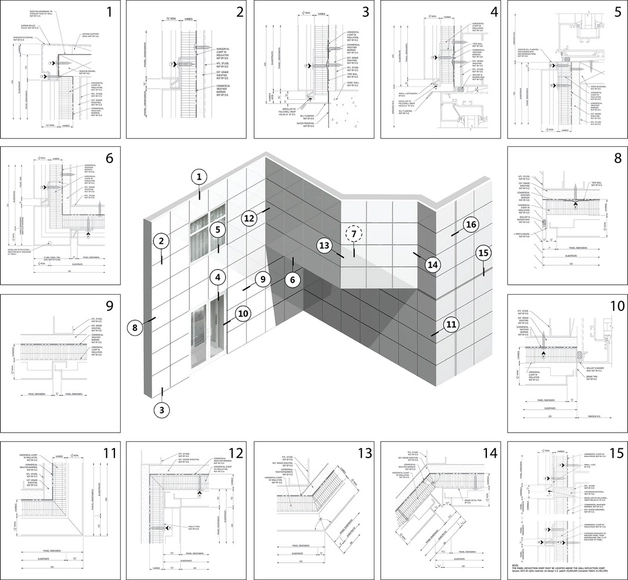
The façade is one of the most important elements in an architectural project. In addition to being the building's first barrier against heat, rain, snow, or wind, it also largely determines the appearance of a building. It can make the project stand out, blend into urban context, or even manifest, at first glance, values of transparency, lightness, or simplicity that the architect seeks to convey. Accordingly, the façade also constitutes a significant portion of the total cost of the work and, therefore, must be specified very carefully, taking into account aesthetics, functionality, maintenance, and long-term behavior.

Cleaning Spaces With Light: Ultraviolet Radiation To Kill Viruses and Bacteria

Subscriber Access | 

In dystopian films, it is a common trope to depict the sky as filled with a thick fog, blocking the sun's rays and bringing a dark atmosphere to the scenes. Whether in Blade Runner or in a Black Mirror episode, the lack of sun commonly represents a future we would rather not live in. The sun provides heat to planet Earth and is a great source of light energy, essential for the survival of many living creatures. We can generate electricity from the sun and still use only a fraction of the energy it provides. Sunlight also regulates our circadian cycle, which affects our mood. But recent forest fires and industrial pollution in some large cities have already made the dystopian blockage of sun a relatively common phenomenon, depriving hours of sunshine from many inhabitants. Concurrently, with the COVID-19 pandemic, we are living a plot that few science fiction writers could have predicted, and new technologies and solutions have emerged to try to contain the spread of this invisible enemy. Can the sun, or specifically ultraviolet radiation, kill viruses and bacteria? Could it kill the coronavirus?