The Power of Basic Geometric Shapes in Bathroom Accessories

 | Sponsored Content

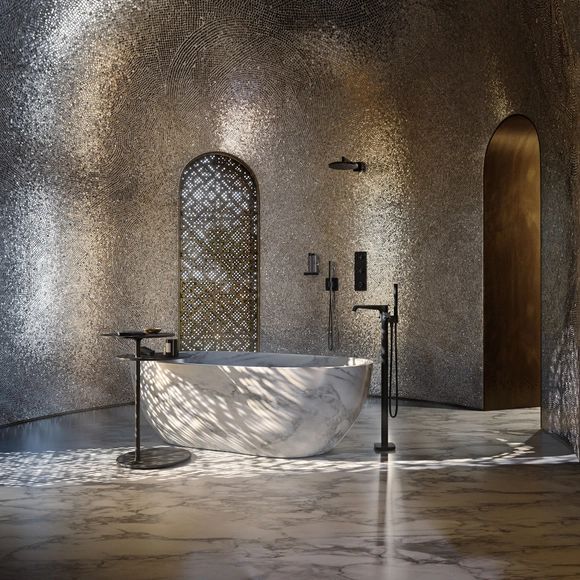
Square shapes convey a sense of reliability and safety, while triangles represent stability, balance and movement. Circular forms, in turn, tend to be more "friendly", as they encompass all other shapes. This is known as the psychology of shapes, a science that studies the influence of shapes on people and their meaning and effects on our minds. In fact, geometric shapes are almost naturally familiar to us, even if we have no formal studies or mathematical references specific to them, as this study showed. In architecture, basic geometric shapes are also widely explored through playing with volumes, subtractions and intersections in floorplans and façades. The shapes may also appear in their truest forms, in interior elements and accessories. This is the case of AXOR Universal Accessories, which comprises three product lines, each representing a basic shape: rectangular, round and with rounded corners, reinterpreted into bathroom accessory products.

Rediscovering the Barcelona Pavilion Through its Material Innovations: Steel, Glass and Marble

Subscriber Access | 

Mies Van der Rohe and Lilly Reich’s German Pavilion for the 1929 Barcelona International Exhibition is known as the most written-about modern building. But no matter how many times the pavilion is redrawn for analysis, there are always new angles from which to interpret it. Identifying its capacity to redefine the German image, while genuinely introducing new strategies that continue present in contemporary architecture projects are two key elements of the architects’ intentions behind their design strategy.

Using Lighting as a Design Strategy

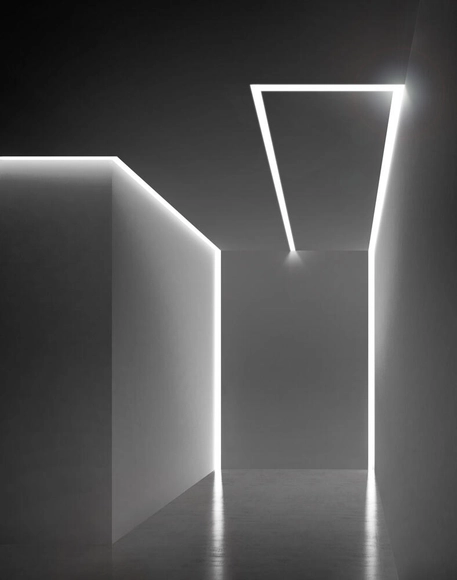
Dimensions, textures and colors are not the only factors to consider when designing a space. Choosing the right lighting also rises as a key strategy to create a project’s atmosphere. Appropriate lighting adds new aspects to space. Within the same project, different ways of applying light develops diverse situations, playing with light and shade, warmness and coldness, as well as depth and height.

Seratech, a Solution for Carbon-Neutral Concrete Wins the 2022 Obel Award

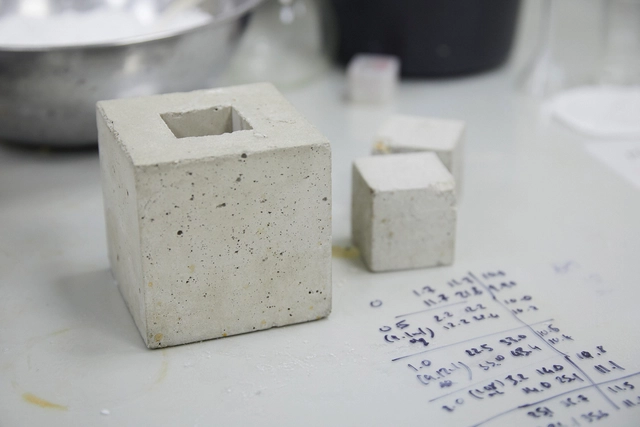
Material researchers and Ph.D. students at Imperial College London, Sam Draper and Barney Shanks have won the 2022 OBEL AWARD for Seratech, a solution for carbon-neutral concrete. With a special focus this year on “embodied emissions”, the OBEL AWARD jury selected scientists to obtain the architecture award to “encourage innovative cross-disciplinary solutions to the challenges of climate change”.

Tutoring with Timber: Using Wood in Schools

 | Sponsored Content

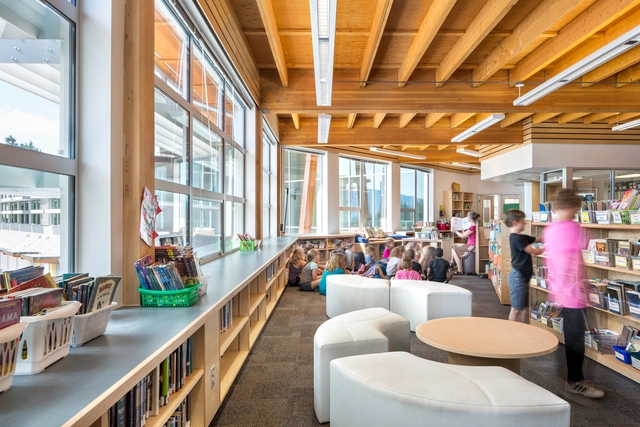
How does school design influence the process of teaching and learning? Understanding current educational design trends and methodologies is key to designing healthy spaces for students to develop their social and academic capacities.

Bed Guide: 5 Tips on Choosing the Right Size Mattress

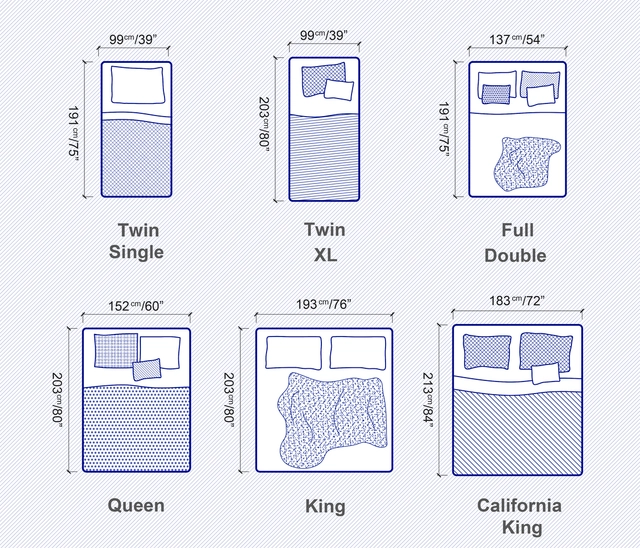
From an early age, we often hear phrases like “you must sleep a minimum of 8 hours a day.” It’s common knowledge that this brings invaluable health benefits, from reducing stress levels and keeping the immune system strong, to improving concentration, memory and decision-making skills. To guarantee a good night’s rest, having a comfortable bed that suits users’ needs is pivotal, especially considering that humans spend one-third of their entire life sleeping. Thus, when architects, designers and homeowners are faced with different bed options available in the market, the decision must be carefully thought-out and take a number of factors into account, whether related to aesthetics or functionality. But before any stylistic or material decision is made, it is crucial to start with the basics: defining the size of the mattress.

What Will the Furniture of the Future Be Made From?

In the architectural conversations we are having in today’s world, conversations on materials are widespread. There is discussion on the viability of concrete in the contemporary context, how timber can be more sustainably sourced, and on how biodegradable materials such as bamboo should be more common sights in our urban environments.

Refinement and Warmth: Incorporating Wood into a School’s Façade

 | Sponsored Content

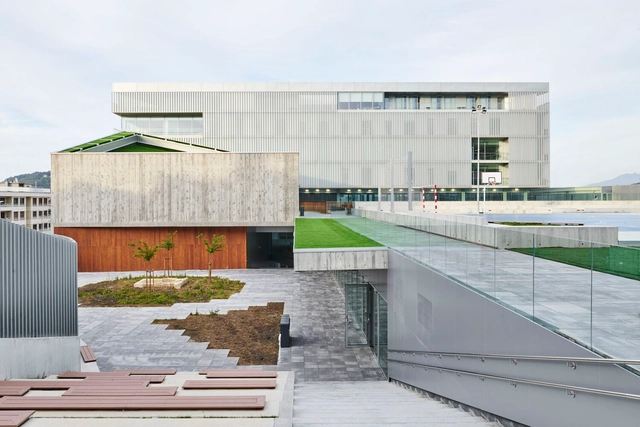
Wooden elements have the power to add warmth to a space or building. Through their shades, textures and rustic look, wooden surfaces tend to stand out, especially when used alongside more neutral and sober materials. In the Aldapeta María Ikastetxea School, a project developed by IDOM in the city of San Sebastian, Spain, the architects used the material in a particularly interesting way. Wood panels brought visual comfort and warmth to the building, whose material palette is limited, focusing especially on the use of glass, steel and exposed concrete.

AkzoNobel selects "Wild Wonder" as the Color of the Year 2023, Inspired by Nature and Harvested Crops

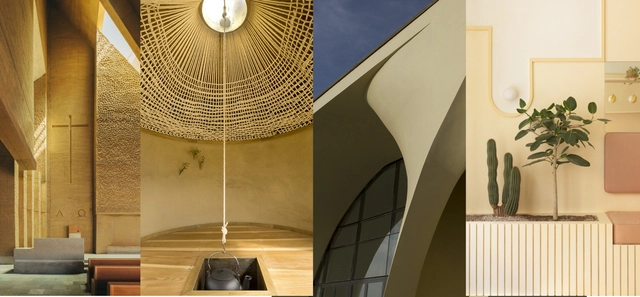
Inspired by the warm tones of harvested crops, Wild Wonder was selected as Color of the Year 2023 by AkzoNobel. Extensive research conducted by AkzoNobel, including color experts and international design professionals, identified the "Wonders of the Natural" swatch at the heart of global social and design. This trend is inspired by nature as people are re-evaluating their relationship with the environment as the source of everything in their lives. # d0c599, or pale yellow/ olive green, captures the moment's mood and conveys serenity and positivity after these recent years of uncertainty and despair.

Nature and Technology: Walls That Can Grow Plants

Subscriber Access | 

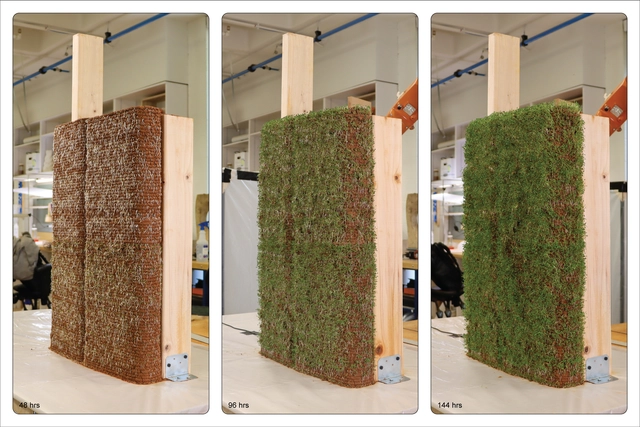
The relationship between architecture and nature is complex. If, on the one hand, we enjoy framing nature as art in our homes; on the other hand, we try at all costs to avoid the presence of obstructive "real" nature in our walls and structures, which can be damaged by roots and leaves. At the same time, we use green roofs, vertical gardens and flower boxes to bring cities closer to nature and improve people's wellbeing; but we also construct buildings with materials that are completely dissociated from fauna and flora. Although the advancement of biomaterials and new technologies is gradually changing this, we should nevertheless ask ourselves whether the structures and buildings we occupy need to be separated from the nature that surrounds them. This was the question that led researchers at the University of Virginia (UVA) to develop geometrically complex 3D-printed soil structures on which plants could grow freely.

Sliding Doors in Houses with Interior Courtyards

 | Sponsored Content

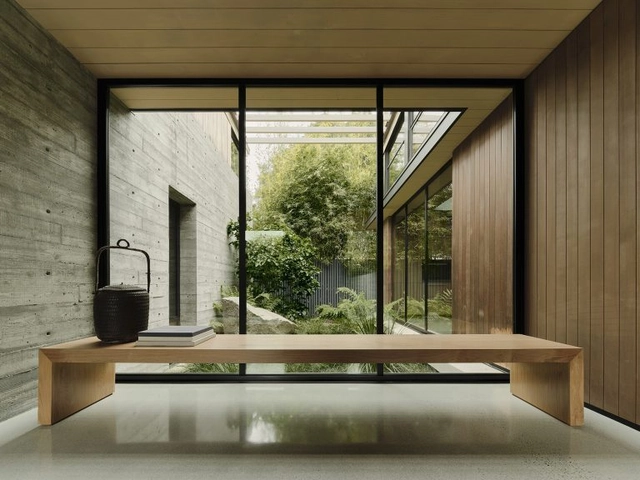
Interior courtyards can be found in various types of traditional architectures around the world, especially in warmer climates. They can be classified as introverted, safe, and even sacred spaces in some cultures. They can also be gathering places and, above all, provide greater contact with nature while providing light and ventilation to home interiors. To properly design these spaces and create a functional relationship between the inside of a house and its courtyard, it is important to use appropriate doors and openings. In this article we highlight 5 projects that use sliding glass doors for the seamless integration of both spaces.

Is Bamboo a Safe Construction Material in Natural Disasters Like Earthquakes?

Subscriber Access | 

You may have heard about the use of bamboo in the temporary shelters created in humanitarian aid efforts after an earthquake, but bamboo can actually be very valuable in the construction of buildings that can withstand earthquakes. Why should we look towards bamboo as a temporary solution after a disaster when we could save lives by building with it in the first place? Bamboo is a great option for building homes and shelters in earthquake-prone regions, given that the structures are well designed, constructed, and maintained. From old traditional structures to modern builds, several examples from across the globe have proven themselves against the very forces of nature that have brought down concrete and brick buildings.

Materials and Construction Techniques of Brazilian Indigenous Peoples as a Future for Architecture

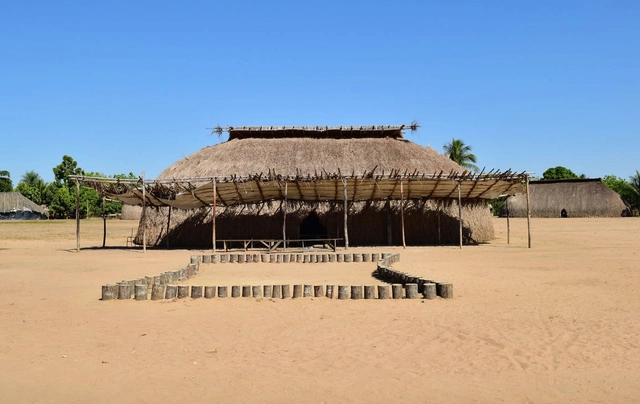
“We should admit nature as an immense multitude of forms, including each part of us, who are part of everything”, says Ailton Krenak, renowned indigenous leader, in his book Ideas to Postpone the End of the World. The culture of native peoples does not understand humanity and the environment as things that are separate or superior to each other, but rather as parts of a whole. Through this particular understanding of the universe, these peoples are led to a sensitive appropriation of the territory, with structuring beliefs that are also reflected in their architecture, raising the very concept of sustainability to another level, since nature is not seen as a resource to be used, it is thought of as part of the community.

How are New Construction Materials Prioritizing Human Safety and Wellbeing?

It is expected that by 2050, the rapid depletion of raw materials will leave the world without enough sand and steel to build concrete. On the other hand, the cost of building continues to soar, with an increase between 5% and 11% from last year. And with respect to its impact on the environment, the construction industry still accounts for 23% of air pollution, 50% of the climatic change, 40% of drinking water pollution, and 50% of landfill wastes. Evidently, the construction industry, the environment, and the human race are facing several challenges that are influenced by one another, but it is the human being who is at the greatest disadvantage.

Open Kitchens: Elements that Enhance Interaction and Flexibility

Subscriber Access | 

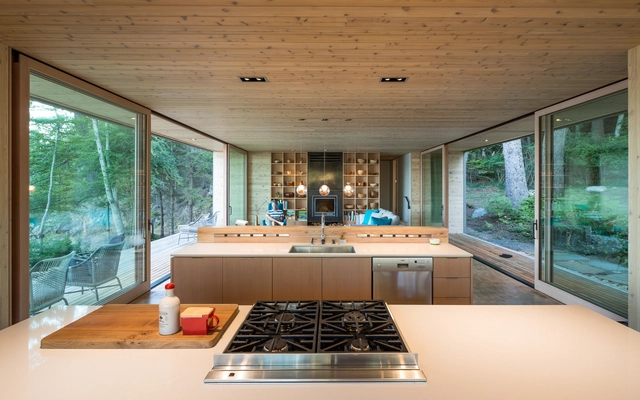
Flexibility within a space emerges as an architectural concept that follows society’s transformations. As the American architect Frank Lloyd Wright said, “Architecture is life, or at least as it was lived in the world yesterday, as it is lived today or ever will be lived.” In that sense, changing a kitchen’s layout goes further than its aesthetic adjustments; it reflects the way people are living. Opening the traditional closed kitchen creates a more flexible space in which different activities share a visual connection without structural barriers.

Modular Sofas for Flexible Spaces: Playing with Geometry

Subscriber Access | 

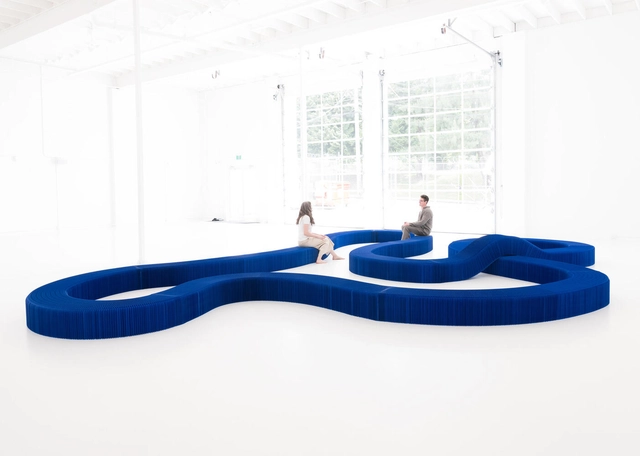
Next to a wall or in the corner of a room, most sofas seem relegated to lean against the only available wall in a space, preferably with a TV in front. As they are usually very large pieces of furniture, they can be complicated pieces to integrate into a room. In consequence, a sofa might end up "stiffening" a space, restricting movement and compromising flexibility – an increasingly important aspect for interiors – in a room. This is why the sofa can be considered an anchor piece in interior design; an element whose placement will probably not change throughout time, and that will certainly have an impact on the other elements within a space.

The Incredible Architecture of Bees

Subscriber Access | 

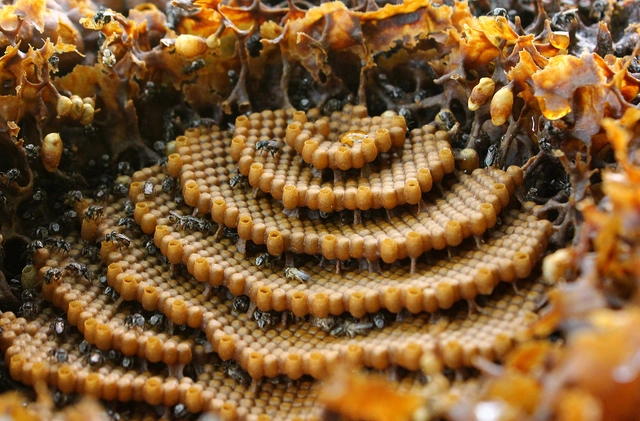
Bees are perhaps the insects that most arouse our fascination and curiosity. With the exception of Antarctica, they are found on all continents, in all habitats that contain insect-pollinated flowering plants. Representations of humans collecting honey from wild bees date back to 15,000 years ago, and pots of honey have even been found in the tombs of Egyptian pharaohs like Tutankhamen. Although we generally have a fixed idea about what cartoon bees look like, there are thousands of species around the world, with different sizes, colors and behaviors. There are even several examples of solitary bees, many without stingers, and even some species that survive by plundering other weaker colonies. But something that has consistently impressed researchers is the organization of their hives, which are truly highly populated cities with an efficiency to make any urban planner envious.

Maximum Flexibility: The Possibilities of Vertically Folding Operable Walls

 | Sponsored Content

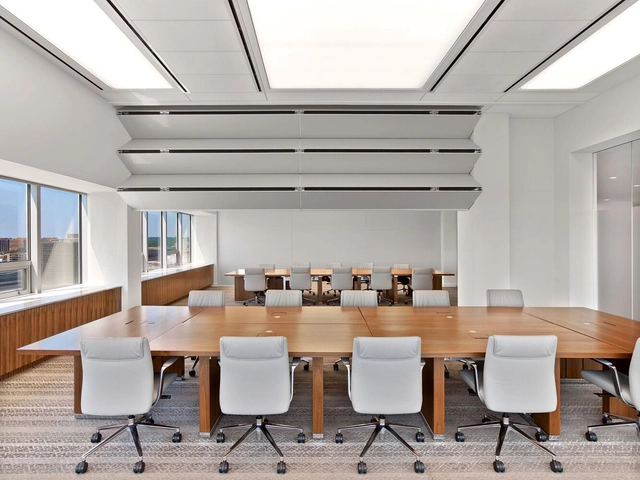
As a response to this rapidly changing world, flexibility has become a top priority in contemporary interior design. That explains, for example, the growing demand for spacious and multifunctional spaces over rigid, enclosed floor plans –as is the case of the open kitchen trend. This shift in spatial needs suggests that designing for the present and the future is about creating spaces that can easily adapt to many uses: one day, a room may be destined for a big event; another day, it may be needed for smaller, more private environments. Therefore, materials, products and other interior design elements must respond accordingly, integrating technology and innovation to create flexible, yet functional spaces.