Heritage in Mud, Stone, and Reeds: Rediscovering Ancestral Construction Techniques

Subscriber Access | 

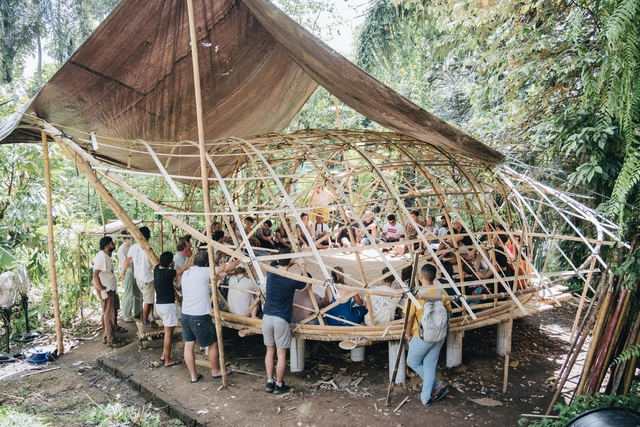
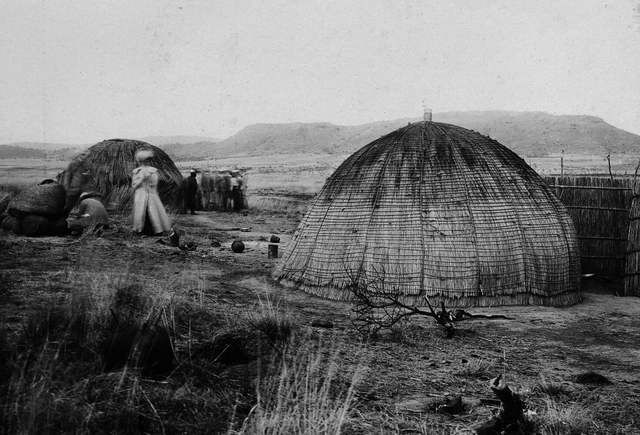
Reflecting on the past is often viewed as nostalgia or, from a more critical standpoint, as a sign of regression. However, looking back can offer valuable insights into a society that sometimes appears overly focused—if not obsessed—with the future and technology. In architecture, this reflection allows us to reconnect with our roots and appreciate the knowledge accumulated over generations. It invites us to explore how our ancestors designed durable structures adapted to their environment. Refined through centuries of observation, experimentation, and likely even errors, these systems demonstrate a profound understanding of local materials and building techniques.
Curves of Comfort: Ergonomic Infrared Sauna Lounges Redefining Wellness Design

 | Sponsored Content

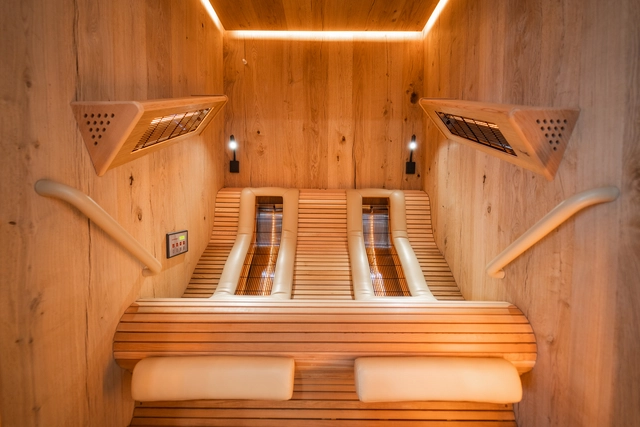
Saunas, originating over 2,000 years ago in Northern Europe, were initially developed as a method for body purification. In Finland, these spaces were revered for their cleanliness and often served as locations for childbirth. Rooted in Nordic traditions, saunas have traveled globally, carrying with them distinctive design elements such as abundant wood, clean lines, minimal ornamentation, and a stark aesthetic. Traditionally, they offered a serene environment with seating limited to simple straight benches, allowing users to either sit or lie down. This traditional model gained widespread acceptance, with its health benefits championed by medical professionals and its value recognized across various cultures.

How Do Railings Elevate Landscape Design?

 | Sponsored Content

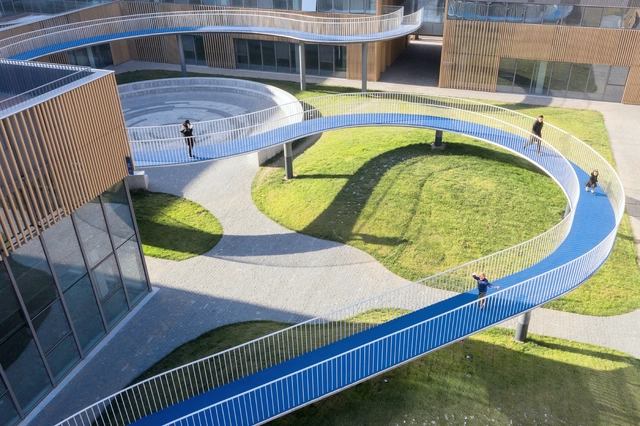
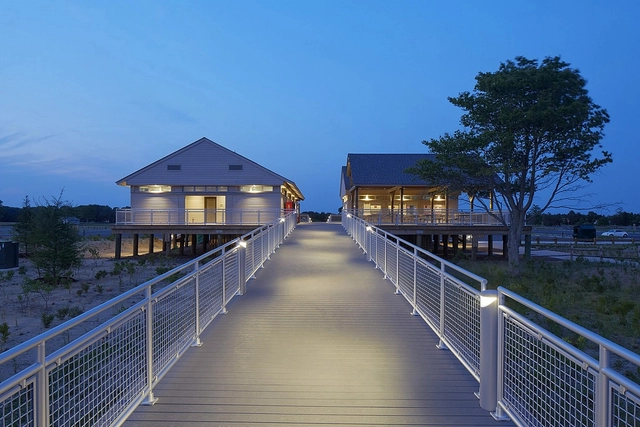
Regardless of the region, parks and public spaces offer a refreshing escape from bustling urban environments, providing a momentary pause from the fast pace of life. Designed for collective benefit, they serve as dynamic ecosystems where recreation and relaxation seamlessly integrate into the visitor experience. But what is the challenge in designing these spaces? Being perceptive enough to find the balance that meets diverse demands while ensuring accessibility, comfort, and safety. As Austrian-American architect Richard Neutra once said, "If you have to design for people, you have to observe them, understand them, and sympathize with them."

Versatility and Efficiency in Acoustic Design for Schools, Offices, and Sports Spaces

 | Sponsored Content

Balancing functional and aesthetic elements in building design is a crucial but often complex task. This is because a built structure encompasses multiple functions, systems, materials, products, and requirements of all kinds. One critical aspect of spaces is acoustics, which can significantly influence usability and comfort and should never be neglected, especially in common areas like restaurants, convention centers, museums, and sports facilities. Good acoustics contribute to the well-being and productivity of occupants, while poor acoustics can cause stress, fatigue, and hearing damage. These issues can be caused by external noise, various sound sources, or impacts (such as footsteps, jumps, or furniture movements), as well as the reflection of sound waves within the environment itself, creating echoes and reverberations that compromise speech intelligibility.

Timeless Vernacular Wisdom for Tomorrow's Cold-Climate Buildings

Subscriber Access | 

Vernacular construction technologies are based on centuries of practical wisdom, refined through countless trials and errors. This process eliminates all irrelevant aspects, creating highly efficient and simple systems that are intrinsically adapted to the local climate and resources. These methods demonstrate how to conserve heat with minimal energy, offering valuable insights for modern buildings, promoting energy efficiency, and environmental harmony. In this article, we have already covered traditional passive cooling techniques, such as Persian wind towers and Arab mashrabiya. Now, we turn our focus to strategies applicable to cold climates, exploring effective solutions for heat retention and space heating.

Transforming Balconies and Loggias into Livable Spaces

 | Sponsored Content

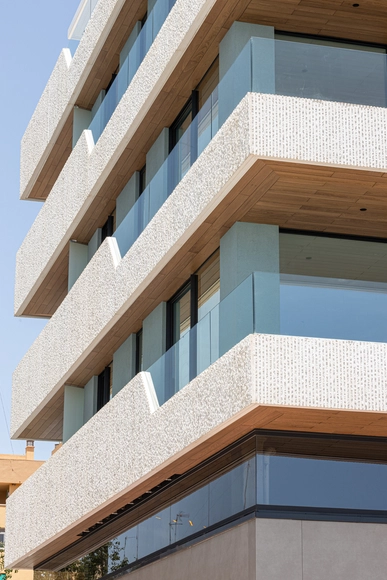
Urban expansion and increasing population density have fuelled a growing demand for outdoor areas in multi-story apartments, as residents seek to stay connected with nature without leaving home. This trend reflects the challenges of modern urban life, where access to nature is often limited, and public green spaces are increasingly scarce. In this context, features like balconies, loggias, and winter gardens stand out as attractive solutions, offering private spaces for relaxation and enjoyment amidst the hustle of city life. In addition to enriching the urban experience, these spaces enhance the quality of life, providing a personal refuge amidst the urban landscape.

Track to Completing Málaga Cathedral: The Role of Timber in Designing the New Gable Roof

 | Sponsored Content

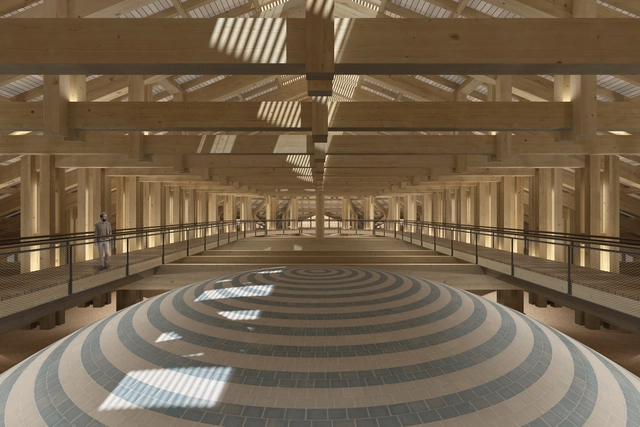
Like a musical composition, there is a particular category of buildings whose history might be compared to an unfinished symphony. Alternating between high notes and moments of silence, these structures are intermittent narratives that have spanned centuries. One of the most emblematic cases is the Sagrada Familia, which has been under construction for over a century and is on track to be completed this decade. While a hundred years of construction is no small feat, another building in this group surpasses that range: the Cathedral of Málaga, located in southern Spain, has been in the making for over five centuries.

Modern Interiors with a Historical Touch: Figurative Wall Coverings for Scenographic Spaces

 | Sponsored Content

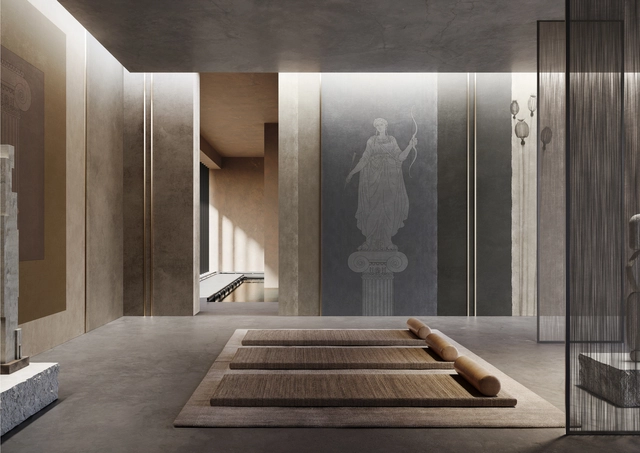
Greek and Roman cultures laid the foundations for modern civilization, leaving a lasting legacy in philosophy, literature, mathematics, and art. Although their contributions in these areas are significant, they are sometimes overlooked. However, in disciplines such as sculpture and architecture, their influence has remained almost unchanged, deeply rooted in the classical ideals of beauty. This is exemplified by canonical works such as the Parthenon, the Roman Pantheon, and the Discobolus, which continue to captivate with their proportion, symmetry, and detail. Consequently, it is unsurprising that Greco-Roman classicism remains significant due to its aesthetic timelessness, revitalized throughout different periods, from neoclassicism to contemporary proposals.

Resilient Buildings: Materials that Protect Against Fire with Style

 | Sponsored Content

Fire is a primordial force of nature, possessing both destructive and protective power throughout human history. Capable of devastating landscapes, crops, and entire cities, it also provides heat, enables cooking, and is used to generate energy. This duality highlights the importance of balancing its use and control, especially in construction, where fire safety is crucial. Building codes for fire protection are strict, often complex and restrictive, but essential to ensure the safety of occupants.

Exploring the Impact of Technowood in Different Architectural Typologies

 | Sponsored Content

Wood is undeniably an elegant choice for architectural projects, offering a natural and welcoming aesthetic that enhances any space. However, when exposed to the elements, this same wood demands a high level of maintenance. Sun, rain, and temperature variations can compromise its appearance and integrity over time, requiring regular care to preserve its original beauty. For many, this is the price to pay for the irreplaceable aesthetics of wood, but the search for alternatives that combine natural beauty with durability has grown, allowing the charm of wood to be enjoyed with less effort.

From Wooden Shells to Polycarbonate Panels: The Materials Shaping Flexible Sports Spaces

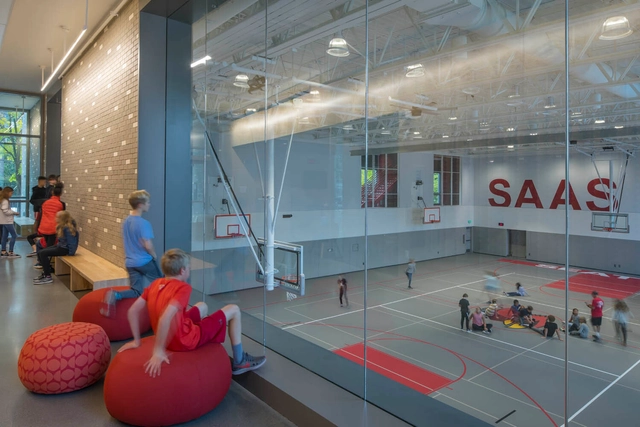
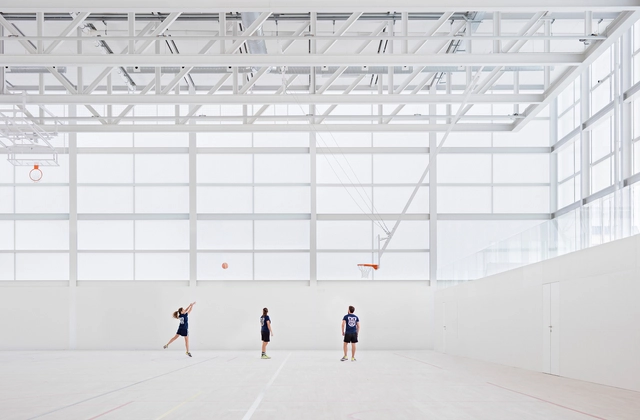
The Roman Colosseum is arguably the most iconic versatile venue in the world. Although this structure was not intended for sporting activities, it hosted various events, from the well-known gladiatorial combats to theatrical performances and the dramatic naumachia (naval battles). This demonstrates that flexible use of space has been relevant since ancient times. Centuries later, in the context of the ever-changing built environment and urban development, sports venues have similarly evolved, becoming outstanding examples of multi-purpose spaces.

Round Pillars in Architecture: From the Classical Column to the Modern Sculptural Support

Subscriber Access | 

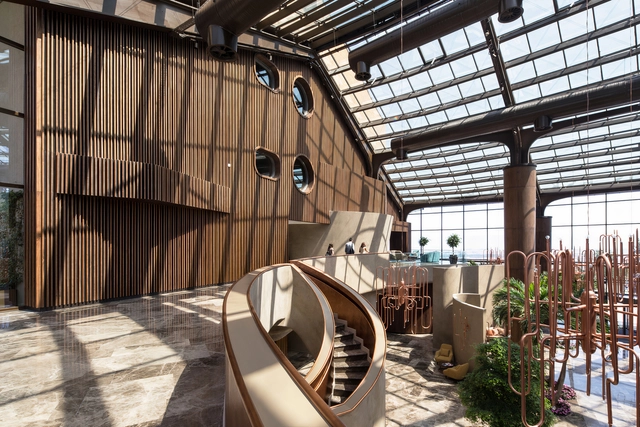
The pillar has adorned many of the greatest monumental examples of Western architecture since antiquity, from the Doric columns of the Parthenon to the Corinthian capitals of the Pantheon portico. In the West, the legacies of these classical forms have permutated over the centuries and into modern times: the Doric columns of the Lincoln Memorial, the Ionic columns of the British museum portico, and the Villa Savoye’s pilotis are just a few examples of the classical column’s continued transformation and use over the last few centuries. Today, the round pillar continues to be used in modern design, both functionally and aesthetically. Below, we look into these elements in more detail, including their materials, construction, structural qualities, and several contemporary examples of their use.

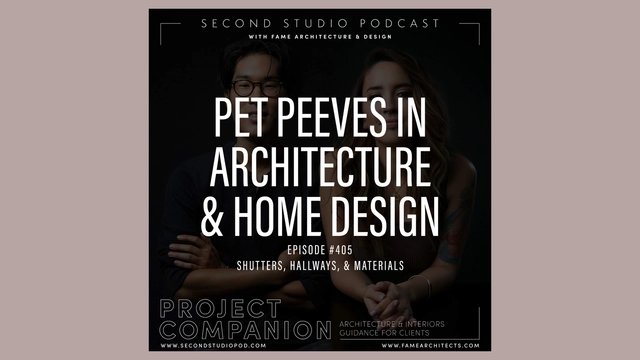
The Second Studio Podcast: Architecture Pet Peeves

The Second Studio (formerly The Midnight Charette) is an explicit podcast about design, architecture, and the everyday. Hosted by Architects David Lee and Marina Bourderonnet, it features different creative professionals in unscripted conversations that allow for thoughtful takes and personal discussions.

How Do the 7 Principles of Universal Design Help Us Create Better Architecture?

Subscriber Access | 

When addressing accessibility in architecture, codes set the baseline, while design defines the ceiling. Although numerous guidelines exist, creating spaces for everyone goes beyond mere adherence to standards. It requires a deep understanding of the environment and a broad perspective, recognizing that what we design will be used by people with diverse bodies, abilities, and conditions far beyond those traditionally considered typical users.

The Revival of Terracotta in New York's Architecture: 4 Contemporary Projects in the City's Skyline

Subscriber Access | 

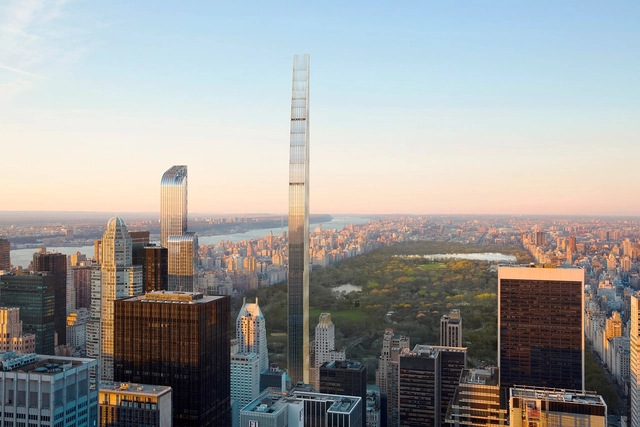
New York City’s skyline tells the tale of the region’s dated relationship with architectural innovation and style. Among the many materials that cloak the city’s built environment, terracotta has a distinct significance. The clay-based material was a prominent feature in buildings from the late 1800s to the 1920s and, after a brief pause, is experiencing a resurgence with contemporary design. The revival pays homage to The Big Apple’s architectural heritage while leading a movement for sustainable materials in the city.

Preserving Local Identity with Urban Renewal and Innovation in São Paulo

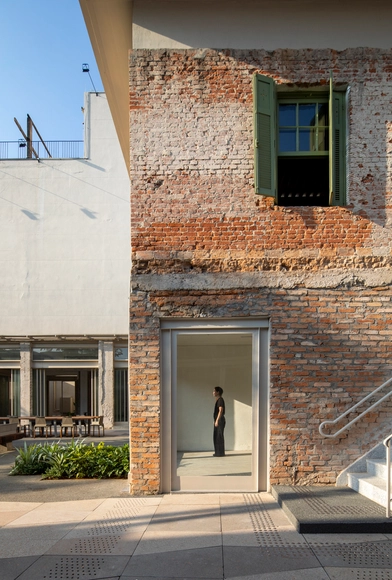
Urban renewal projects generally involve large-scale demolitions, resulting in the erasure of local historical identity and generating a massive amount of waste, along with the transportation of new materials for construction. Some projects, however, bring new perspectives and showcase different ways of doing things. This is the case of LAPI—an abbreviation for "Largo" and "Pinheiros"—, an example of urban occupation and requalification that respects local identity and promotes a new experience of urban space occupation by rethinking it based on its pre-existing elements. With architecture by SuperLimão and master planning by Spol, the project occupies an area of 20,000 m² and encompasses 29 properties distributed across three blocks in a traditional neighborhood in the West Zone of São Paulo. It is located at a strategic point where the city's main roads intersect, offering views of the thousands of people that circulate around it on a daily basis. We spoke with Thiago Rodrigues, architect and partner at the firm, about the challenges and opportunities of working on a project of this type.

How to Use Fluted Cladding on Interior Walls

 | Sponsored Content

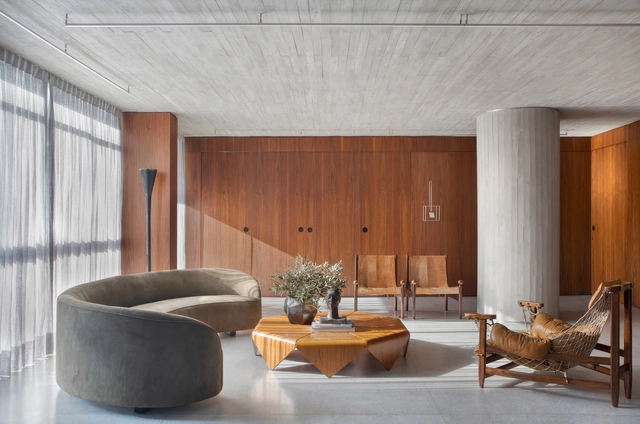
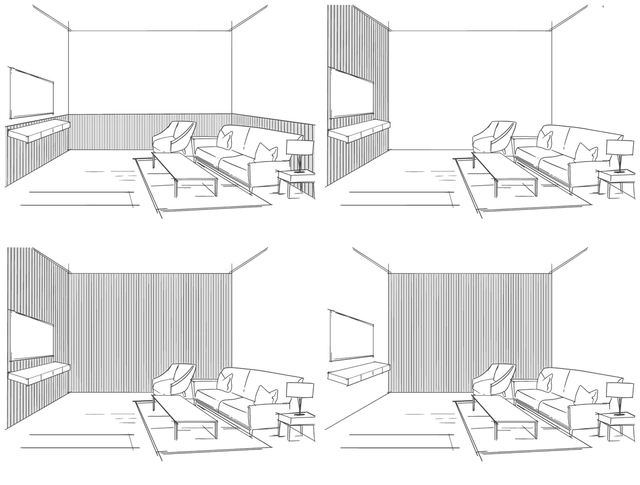
How we perceive space is a crucial aspect of architecture and interior design, profoundly influencing our interaction with the environment. Consequently, spatial perception is shaped by elements such as furniture arrangement, lighting, color choices, and materials. The latter is particularly significant, as the same material can be employed in various ways, resulting in atmospheres with unique characteristics.

The Kul Kul Farm and Bamboo U: Empowering People to Build a Better World with Bamboo

Subscriber Access | 

The Kul Kul Farm was born with the purpose of sharing knowledge of how to design, build, grow, make, and create with nature in mind. Promoting values that respect and care for the Earth while strengthening community bonds, the farm has become a beacon of sustainability and connection with the natural environment. In 2015, Maria and Orin started this project with the intention to inspire and empower both local Balinese and tourists to live a life more connected to the natural world. Although they initially promoted their values through permaculture, they soon realized the world was ready and hungry for the knowledge, skill, and inspiration to design homes and spaces connected to nature, and a whole new movement had started to grow in their own backyard—the bamboo movement.