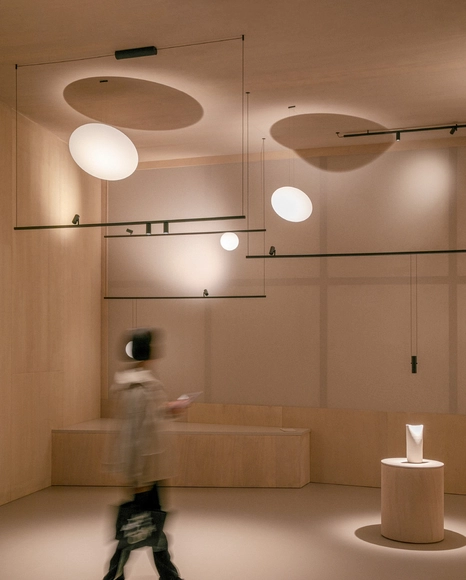
When designing and lighting a space, is the goal to fulfill a specific requirement or to be creative? Both perspectives hold merit; however, a unifying principle should always prevail: people must remain at the center of everything we do. Today, it is well understood that our environment significantly influences our well-being, affecting mood and performance, even in challenging contexts such as outer space. While this standpoint has encompassed anthropometric and biological aspects, new approaches are expanding design beyond the tangible. Lighting is now used to shape atmospheres that resonate deeply with our emotions.
https://www.archdaily.com/1022444/shaping-atmospheres-with-lighting-a-human-centered-approach-to-emotional-designEnrique Tovar
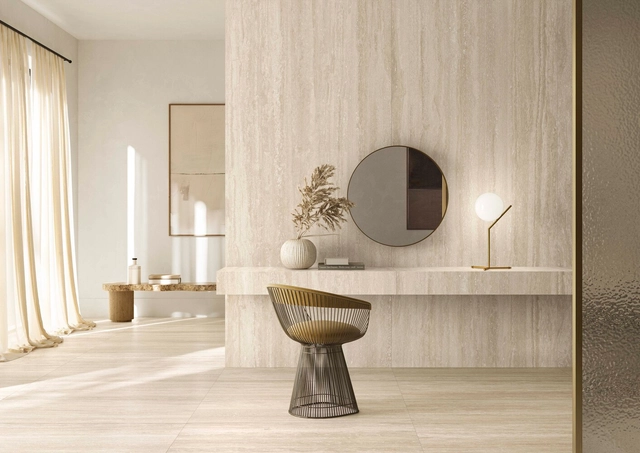
Pietra Tiburtina - Campidoglio. Image Courtesy of Casalgrande Padana
Travertine —known as lapis tiburtinus by the ancient Romans— has endured for centuries as one of the most iconic materials in Italian design heritage. This limestone has left a lasting mark on architectural history, from the monuments of the Roman Empire to contemporary works like the Church of 2000 and the Ara Pacis Museum. Over time, its aesthetic has evolved alongside art and design, adapting to technical advancements while preserving its essence and relevance in modern architecture.
https://www.archdaily.com/1022299/carving-pietra-tiburtina-a-contemporary-approach-to-classic-travertineEnrique Tovar
From inked drawings on tracing paper, to highly detailed digital 3D models, the role of the architect has evolved, and next-gen design software is empowering today's architects with valuable data and design flexibility. In the past, the work was meticulous and required great manual effort, with every line and detail drawn by hand using rulers and other tools. Over time, programs like Revit revolutionized the field by enabling the creation of precise and digitally organized drawings, simplifying edits and the replication of components.
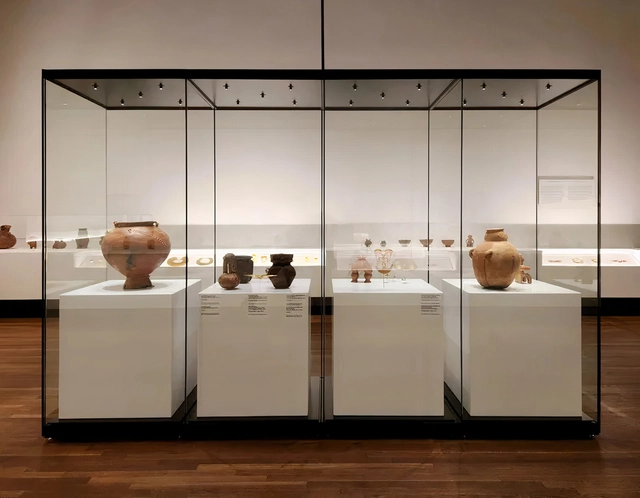
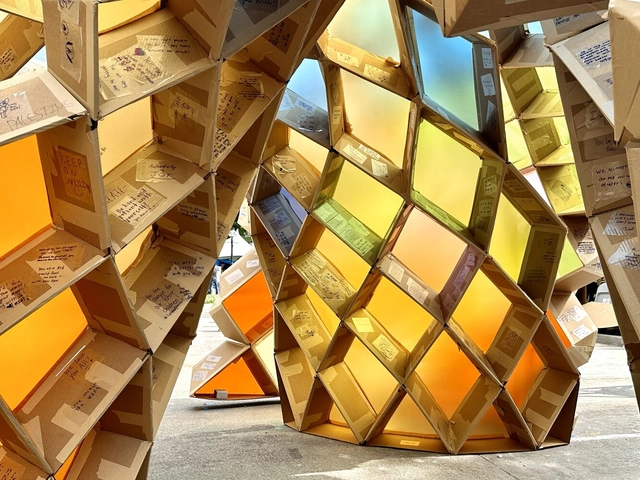
Exhibition spaces convey carefully curated content with the goal of educating, inspiring, and engaging visitors, using objects and displays to tell stories. In addition to promoting education, cultural preservation, and aesthetic appreciation, these environments encourage creativity and interaction. With immersive and interactive experiences, they allow visitors to form meaningful connections with new knowledge, different perspectives, and important cultural heritages, creating both intellectual and emotional engagement.
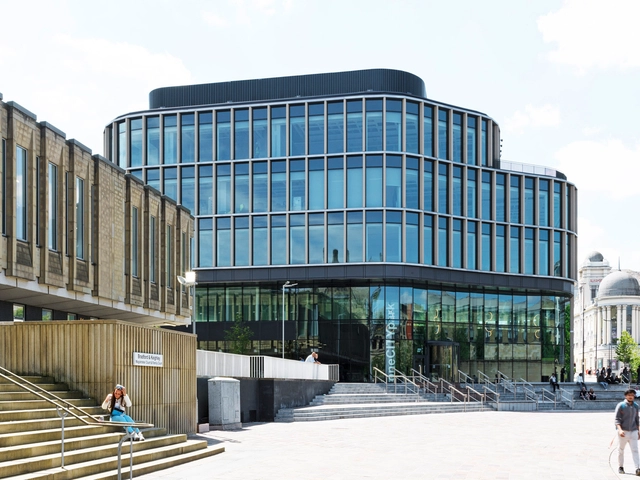
One City Park in Bradford, England. Image Courtesy of Rieder Facades / Ditz Fejer
Contemporary architecture evolves in tandem with the materials and construction techniques available in each region. In addition to the architectural trends of the moment or historical ideas that may inspire creativity, understanding how materials are used, cared for, and maintained, as well as their technical and aesthetic properties, is crucial to the concepts envisioned by many architects. Each material carries its own inherent logic. In fact, architect Louis Kahn suggested that the way materials interact can lead to unavoidable combinations of structure, walls, and assembly in buildings. Rieder products exemplify this by offering modular, flexible solutions that help buildings seamlessly adapt to urban environments, enhancing both interior and exterior spaces while maintaining cost-effectiveness.
A new generation of sustainable practices is transforming the architectural landscape. What is its 'secret'? The combination of innovation, ecological awareness, and, fundamentally, the revaluation of natural resources that have accompanied humanity since its earliest days. While this knowledge was never truly lost, the techniques associated with these materials have long remained in the background. Today, they are making a resurgence, adapting to modern challenges, and reestablishing themselves as essential, timeless elements in tomorrow's architecture.
https://www.archdaily.com/1022116/smart-eco-conscious-architecture-and-decor-inspired-by-natures-finest-materialsEnrique Tovar
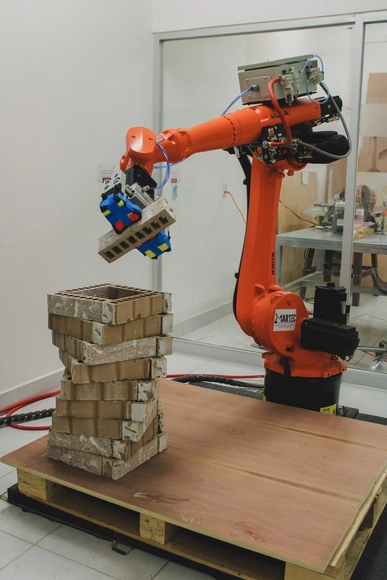
The relationship between man and machine has long been a complex and nuanced one, especially for modern artisans. While machines are often seen as tools that can enhance productivity, the comparison between human hands and mechanical efficiency can be misleading. Machines, with their ability to perform tasks with precision and without fatigue, can overshadow the unique qualities that define human craftsmanship.
https://www.archdaily.com/1022074/roboceramic-humans-vs-machines-or-humans-with-machinesDinorah M. Schulte
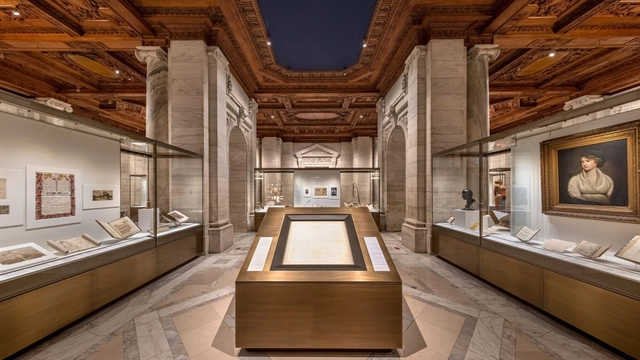
Before the emergence of AI, the internet, and TV— books and manuscripts were the primary vessels of knowledge. These artifacts, now echoing voices from the past, have played a fundamental role in shaping our shared legacy. A pivotal moment in this evolution came in the 15th century with Gutenberg's invention of the printing press, which revolutionized access to information and laid the groundwork for the democratization of knowledge. As a result of their historical and cultural significance, many early manuscripts and incunabula (books printed during the earliest period of typography) have been preserved in libraries and often remained in the shadows.
https://www.archdaily.com/1021983/from-vault-to-exhibition-the-role-of-display-cases-in-the-worlds-librariesEnrique Tovar
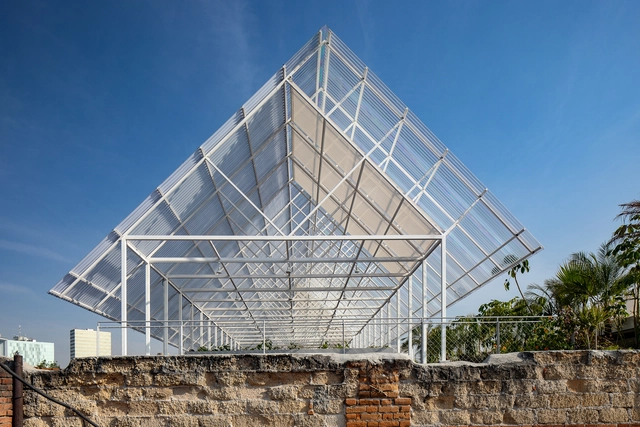
Polycarbonate, commonly used in roofing and industrial cladding, has gone beyond its initial applications to become a material widely used across various architectural typologies. Its combination of strength, lightness, easy installation, and ability to allow natural light to pass through has made it an attractive option for residential,educational, and even cultural architecture projects. In homes, polycarbonate not only helps create bright and comfortable environments but also allows for creative use of translucency to generate private spaces without sacrificing visual connection to the outdoors.
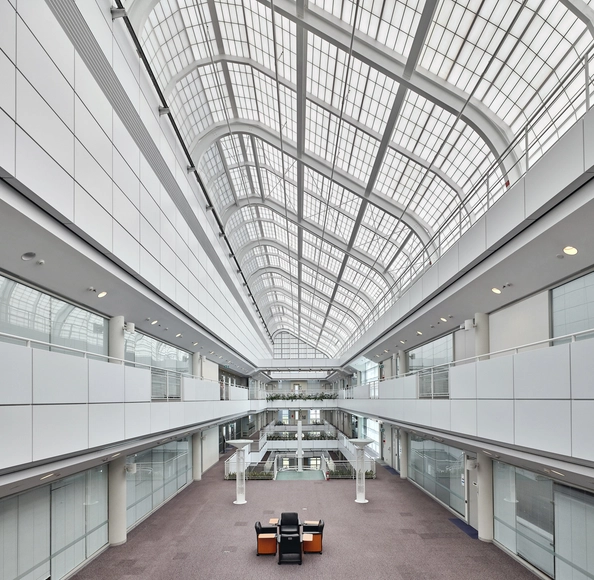
The Pantheon in Rome is a true architectural masterpiece and holds the title of the largest unreinforced concrete dome in the world. Among its most remarkable elements is the central oculus — an 8.2-meter-wide opening at the top of the dome that allows natural light to enter. This creates a dynamic play of light and shadow that shifts throughout the day, enhancing the grandeur of the structure. Beyond its practical function, the oculus establishes a symbolic connection between the earthly and the divine, reflecting the Pantheon's original purpose as a temple dedicated to all gods. In fact, toplighting, which introduces natural light from above through skylights, domes, or other upper openings, contrasts with traditional windows, which capture light horizontally. By capturing direct sunlight, toplighting provides soft, diffuse illumination, creating more welcoming environments with better energy efficiency and a positive impact on mood and productivity.
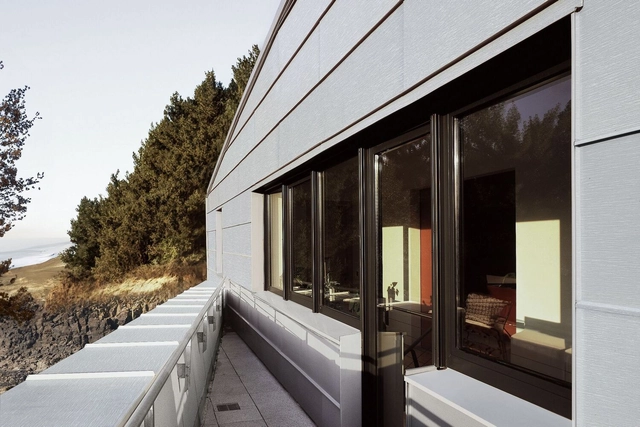
PRISMO brushed white⁺. Image Courtesy of RHEINZINK
In architectural design, materials play a crucial role not only in shaping a building's aesthetics but also in its performance and in reflecting the ideologies of its creators. Today's architectural megatrends are driven by the need for sustainability, resilience, and material innovation, particularly in response to climate change and resource conservation. Wellness-focused design is also gaining importance, prioritizing environments that support physical and mental health. In this context, natural materials, biophilic principles, and improved indoor environmental quality are increasingly used to enhance comfort and foster a deeper connection with nature. Among these materials, titanium zinc stands out as a versatile and sustainable option, offering durability, aesthetic appeal, and potential health benefits in architectural applications.
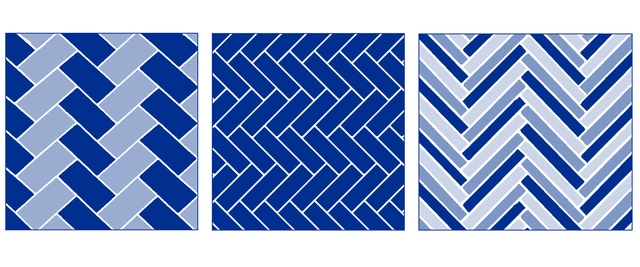
Created by a series of angled parallel lines that form a mesmerizing zigzag, the herringbone pattern has withstood the test of time and remains present in diverse design styles. Named after the resemblance to a fish's bones –a herring, for instance–, this classic V-shaped pattern arranges rectangular blocks in different proportions. With varying block edge length ratios, such as 2:1 or sometimes 3:1, the versatile design adapts to a wide range of uses, dimensions and materials.
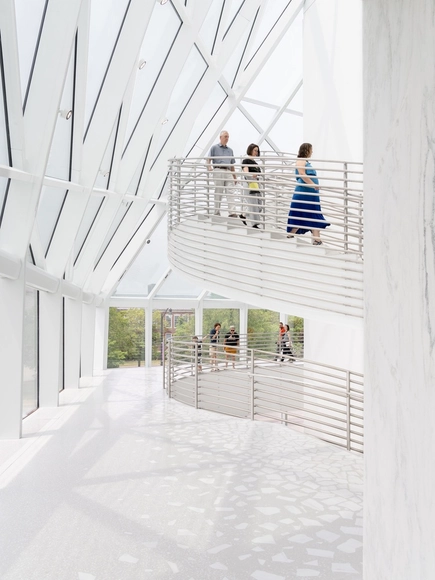
It's often said that trends come back, but terrazzo appears to be the exception—never truly fading from popularity. With a long tradition of craftsmanship, terrazzo has maintained its relevance over the centuries, continuously adapting to evolving creative expressions. Whether in homes, restaurants, or libraries, it demonstrates remarkable versatility, offering a unique combination of technical qualities, mottled aesthetic, and timeless appeal. As it evolves, terrazzo adapts to modern building standards and growing environmental awareness, ensuring its relevance in contemporary architecture and design while expanding sustainable solutions.
https://www.archdaily.com/1021806/expanding-the-range-of-sustainable-materials-the-arrival-of-bio-based-terrazzoEnrique Tovar
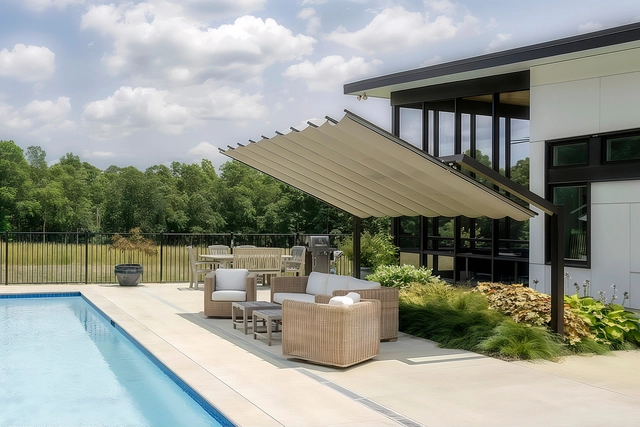
The sun is an inescapable partner in architecture, influencing lighting, energy efficiency, and comfort inside and outside buildings. This influence has become increasingly relevant in the context of climate change, which has led to rising temperatures and the creation of challenging environments. In response, designers are constantly working to adapt cities to heatwaves through large-scale urban strategies. On a smaller scale, such as in residential settings, the issue can be addressed more specifically through various shading solutions.
https://www.archdaily.com/1020060/how-to-choose-shade-structures-strategies-based-on-solar-angles-and-seasonsEnrique Tovar
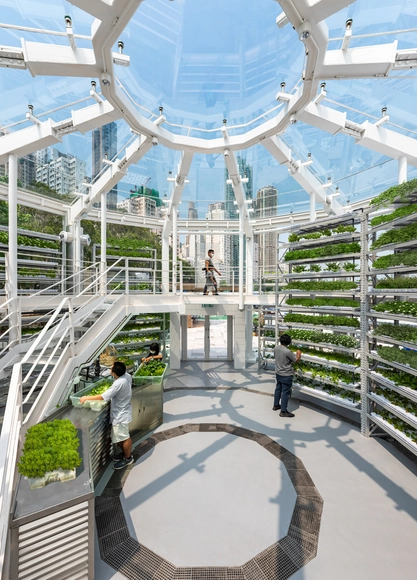
Crisis, crisis, crisis... and guess what? More crises. Every time we hear that word, it all feels more daunting. But here's the thing: with every challenge comes an opportunity. From the affordable housing shortage to the economic downturn and the climate emergency, there's always a new challenge, opening the door to new possibilities. But the truth is, none of these are isolated events; they're all interconnected in some way, forming different facets of the same story. Perhaps one of the least mentioned, particularly when it comes to the built environment, is the global food crisis, which is growing (almost) silently, waiting to take center stage. It poses various challenges for future food production, especially in cities.
https://www.archdaily.com/1021721/future-focused-food-production-integrating-high-tech-agriculture-into-citiesEnrique Tovar
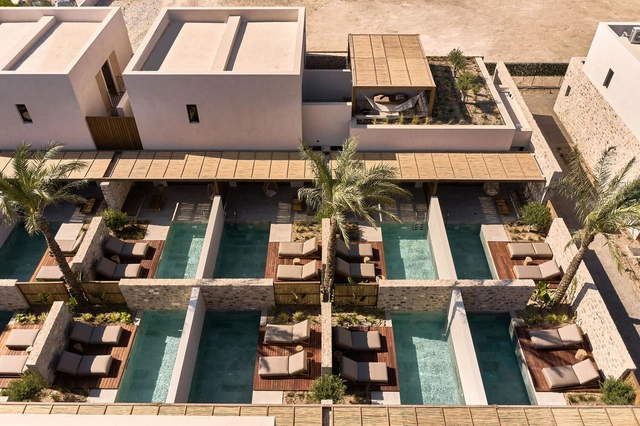
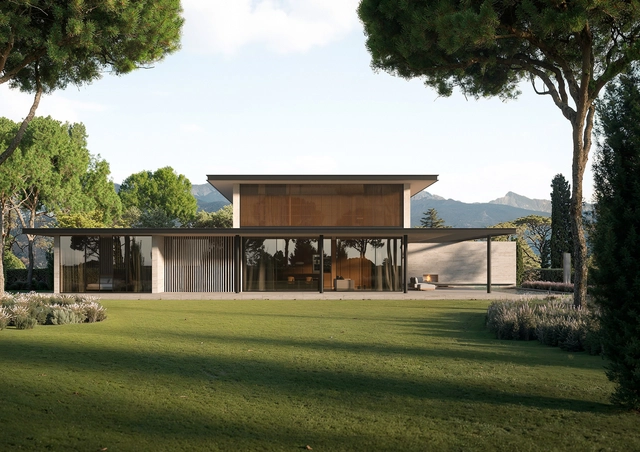
Italy's influence on contemporary design has been profound and captivating, with Italian architecture consistently bridging cultural heritage and innovation, from advancements in construction techniques to the evolution of the neoclassical style. A prime example of this integration is the Italian villa typology, which reached its zenith during the Renaissance with groundbreaking innovations. Villa Almerico —designed by Andrea Palladio and inspired by Alberti's treatise De re aedificatoria— exemplifies this evolution. Renowned for its centralized and symmetrical plan, its construction marked a turning point with classical proportions and the incorporation of courtyards and gardens as extensions of the living space, highlighting a remarkable contextual relationship.
https://www.archdaily.com/1021313/where-italian-style-meets-wellness-and-serenity-the-case-of-villa-apuaEnrique Tovar
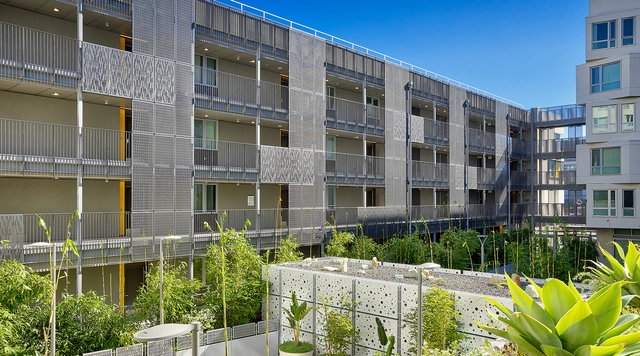
Mission Bay, San Francisco, once an industrial landscape of warehouses and railroad land, has transformed into the city’s fastest-growing commercial and urban development area. This rapid change, typical of such developments, has led to gentrification, driving up housing prices and making the area unaffordable for many. To address the affordable housing crisis, the Lillian Murphy Housing Complex was built—not just as a place to live, but as a project that redefines the standards for low-income housing. This success was achieved through the collaboration of Paulett Taggart Architects, Studio VARA, and BŌK Modern, demonstrating that functional, intuitive, and high-quality design that strengthens a community is accessible to everyone.