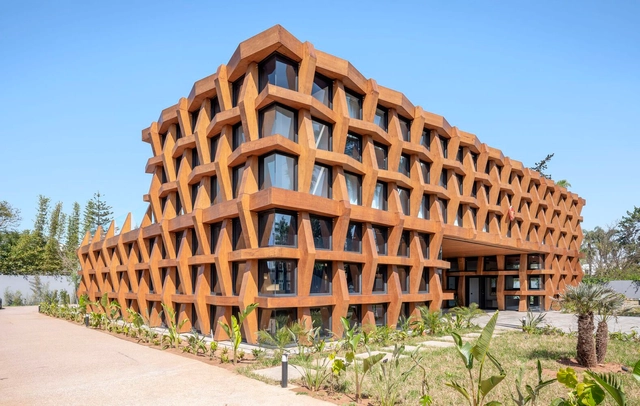
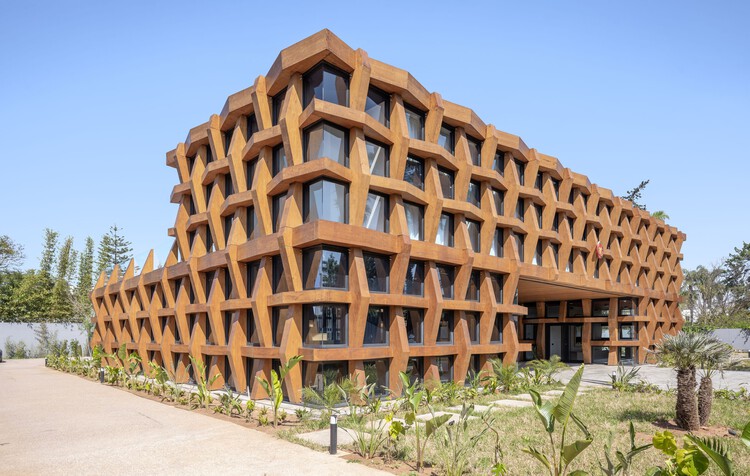
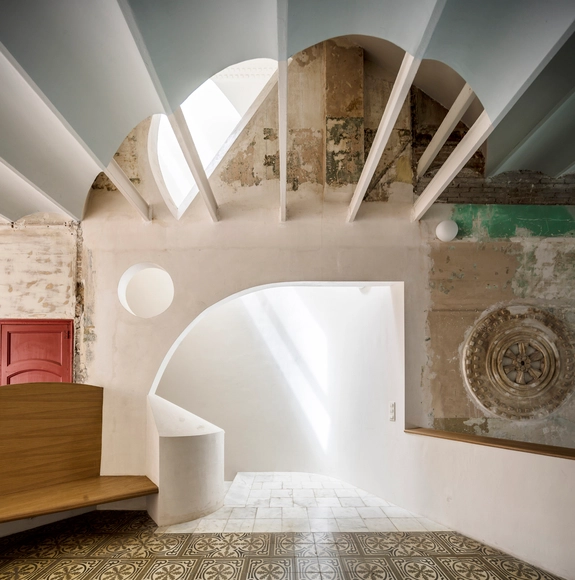
Over the years, cinema architecture has continually reinvented itself. From cinematic experiences that engage multiple senses to material technologies that reinterpret the aesthetics of past eras, the concept of the movie theater has enabled the recovery, revitalization, and renewal of numerous obsolete, ruined, or even historically protected spaces. Just as the Majestic Cinema reflects an important community function in Zanzibar, Tanzania, many twentieth-century buildings have found in adaptive reuse an opportunity to restore and preserve cultures, memories, and traditions that remain meaningful to their communities.
Theaters serve as cultural and social institutions, shaping society by providing spaces where stories of identity, race, and justice are brought to life. These venues foster community through shared, live experiences, sparking conversations that resonate beyond the stage. Architecturally, theaters are more than performance spaces—they are landmarks that embody both the history and future of the arts. Their design often reflects the cultural importance of storytelling, while their refurbishments ensure they remain relevant in a modern context.
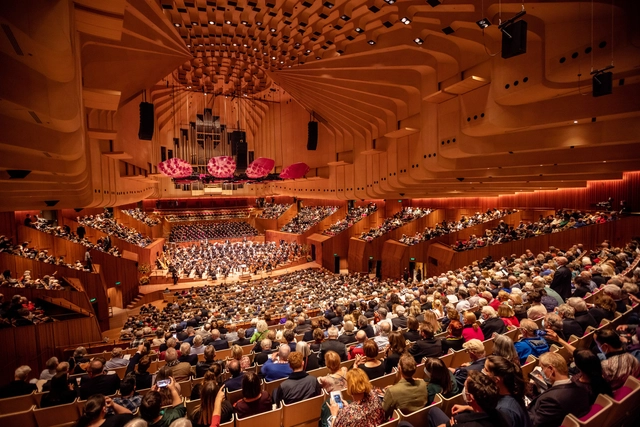
In this week's AD Interior Focus, ArchDaily explores how the refurbishment of iconic theaters like the Royal Opera House in London, United Kingdom, and Sydney Opera House in Australia goes beyond modernizing comfort and accessibility. It delves into how these projects preserve the architectural integrity of these historic landmarks, ensuring their design continues to serve as a backdrop for both artistic expression and social discourse.
When approaching the design of cultural spaces such as museums, performance venues, or places of research and study, architecture and design professionals often have to assemble pieces of a uniquely challenging puzzle in order to make the structure resonate with a variety of visitors and occupants. Hitting the right chord can be difficult, especially when trying to combine forms into a whole that pays respect to a building's intended use while being timeless in its universality.
One way of making sure a sense of culture is omnipresent: adaptive reuse. The practice of breathing life into historic structures has been on the rise in recent years and is particularly well-suited to creating spaces that address and embody contemporary issues while connecting their inhabitants to the past. But it's not just a sense of updated heritage that makes them stand out; adaptive reuse buildings can fight urban sprawl and unsustainable building practices simply by way of existing.
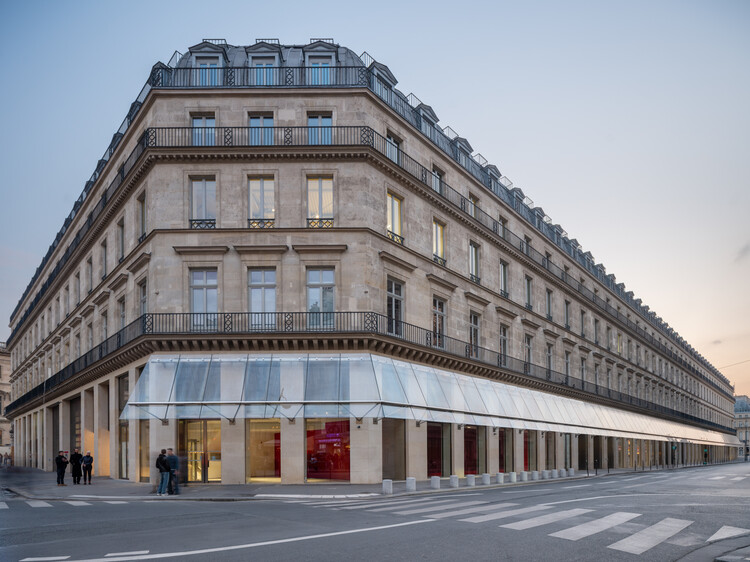
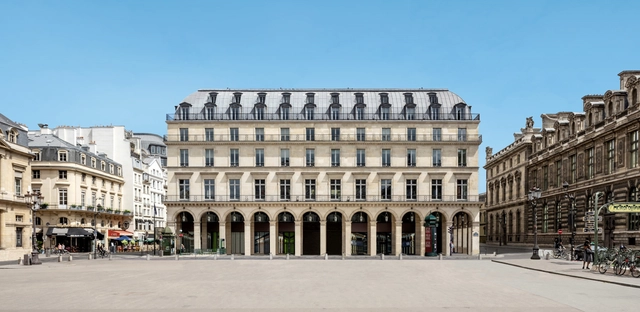
Fondation Cartier pour l'art contemporain announced plans to move into a historic building in Place du Palais-Royal in Paris. Originally built in 1855, the Haussmannian building is reimagined by architect Jean Nouvel and scheduled to open on October 25, 2025. The collaboration between Fondation Cartier and Jean Nouvel dates back to 1994 when the architect designed the "Parisian Monument," a glass and steel building on Boulevard Raspail that serves as the institution's current headquarters.