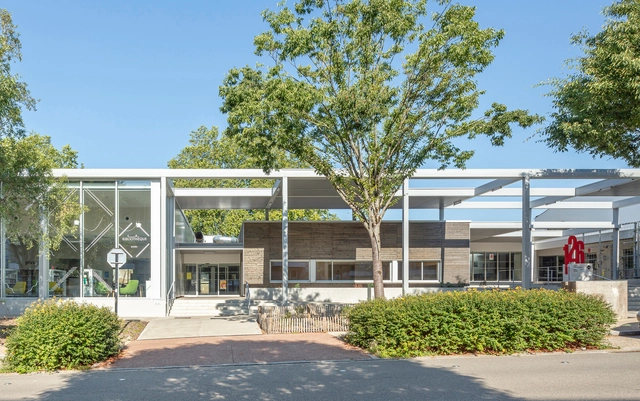


-
Architects: Studio 02 Architectes
- Area: 3800 m²
- Year: 2021
-
Manufacturers: GRAPHISOFT
-
Professionals: Cdlp, BECS, QUALICONSULT


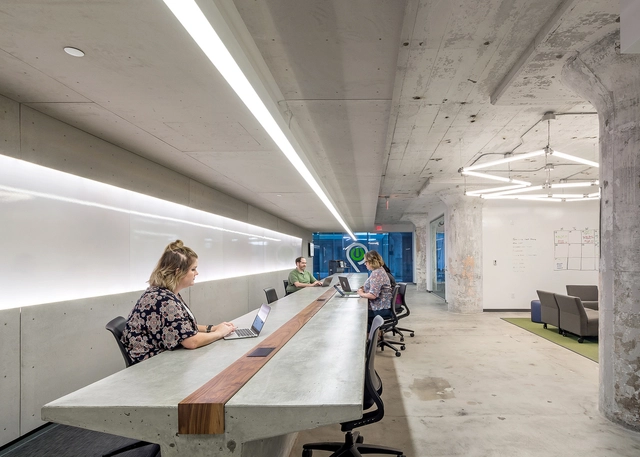
People spend hours at work every day. Offices still fail to recognise the difference lighting can make to their workspaces. Lighting is an important matter when talking about visual comfort and productivity. Optimized lighting can help to improve performance and there are determined practice guidelines on which lighting systems work best for your work environment.
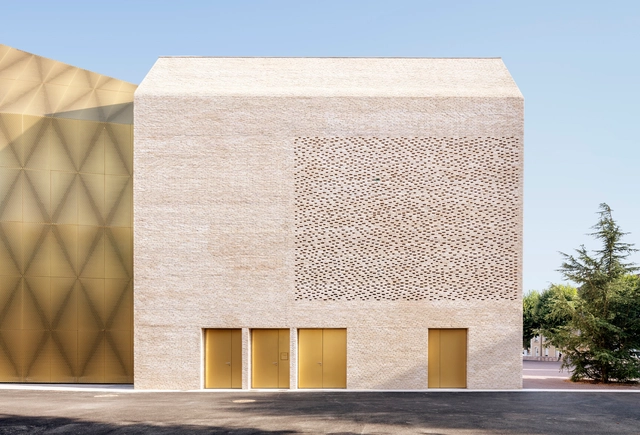
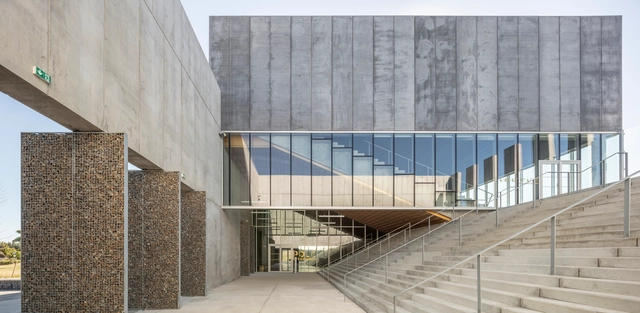
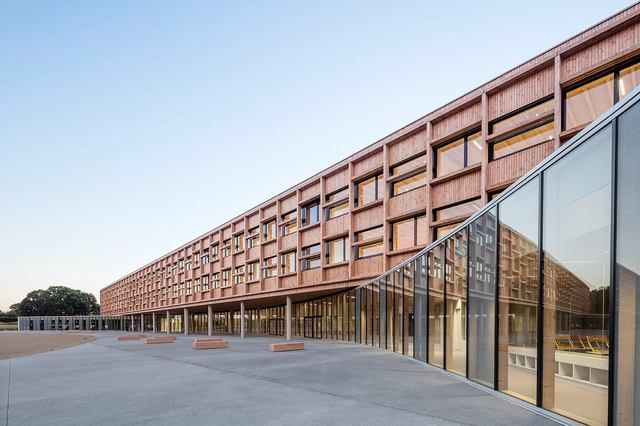

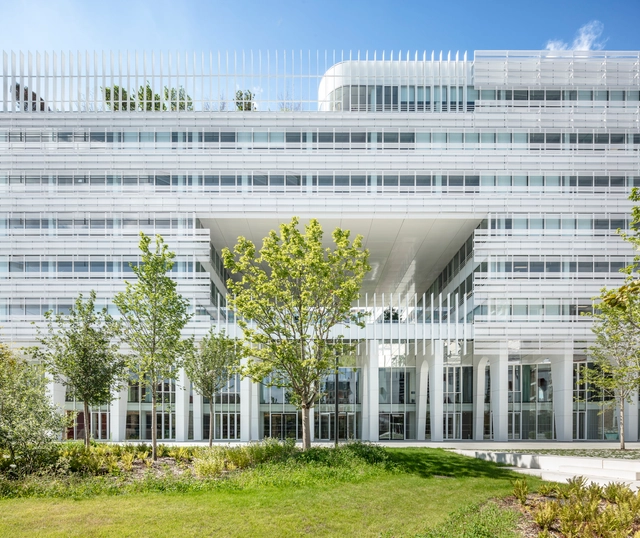
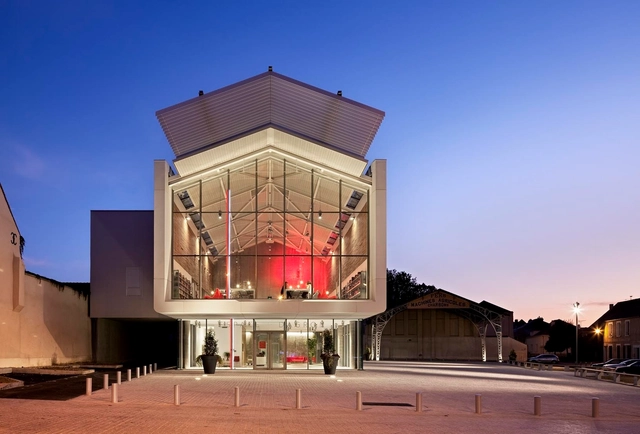
Designers have created civic institutions, governmental centers, public plazas, and many other spaces as testaments to individual and shared values. As spaces for gathering and exchange are necessary elements to urban life, architecture can also act as a vehicle to encourage understanding. Advocating knowledge while empowering the public, libraries celebrate ideas, curiosity and empathy.
.jpg?1555661513&format=webp&width=640&height=580)
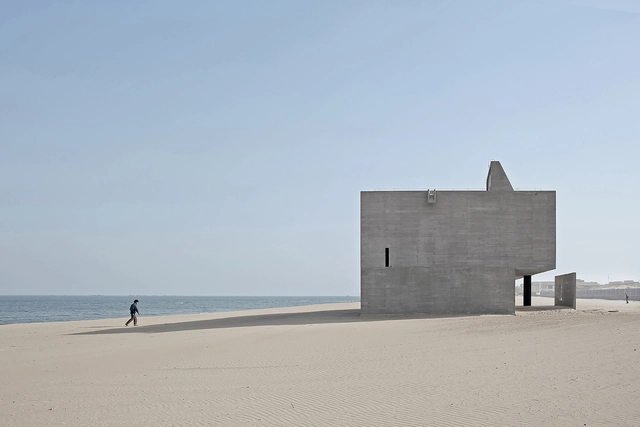
As architecture has evolved to include advanced building envelopes, innovative structural systems, and hybrid programs, new boundaries have been drawn. Sustainable practices and passive strategies have led architects to re-imagine building skins and the relationship between interior and exterior. While different typologies are designed with varied levels of permeability, libraries demand rigorous attention to performative facades and protected programs. This holds especially true when libraries are placed within radically changing landscapes.

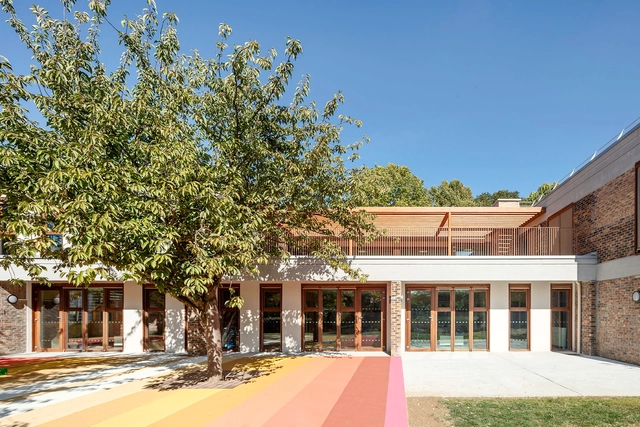
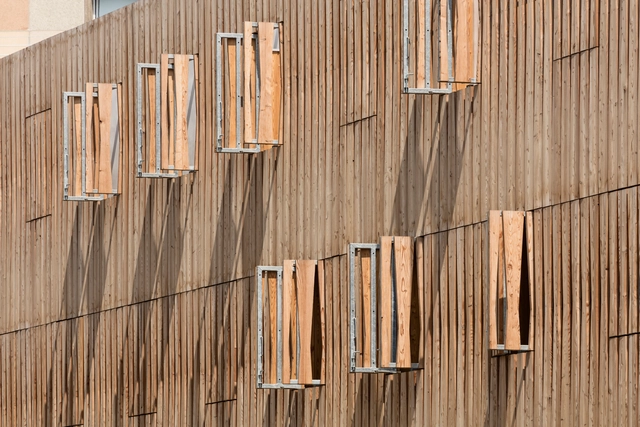
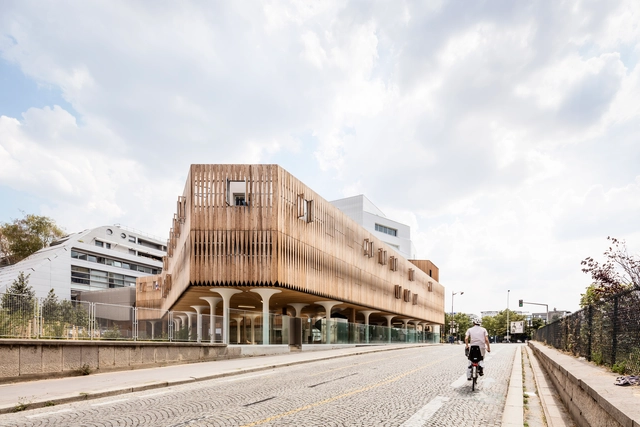
In recent years, we have published many articles about wood. Addressing trends of use, possibilities for log wood, panels, curves, and finishes, innovations in tall building structures, and wood's behavior towards fire, these articles have explicated a wide variety of the material's applications and characteristics. A specific type of wood, Cross Laminated Timber (CLT), has emerged as highly structurally efficient with thermal, seismic, and even sensory benefits, described by specialists as the concrete of the future. But when we post these articles on social media, we frequently encounter comments from our readers concerned about the impact of deforestation. Although we may see wood as a great building material of the future, we must ask ourselves: is it possible to continue cutting down trees and using their wood while still calling it sustainable?



.jpg?1555661513)


