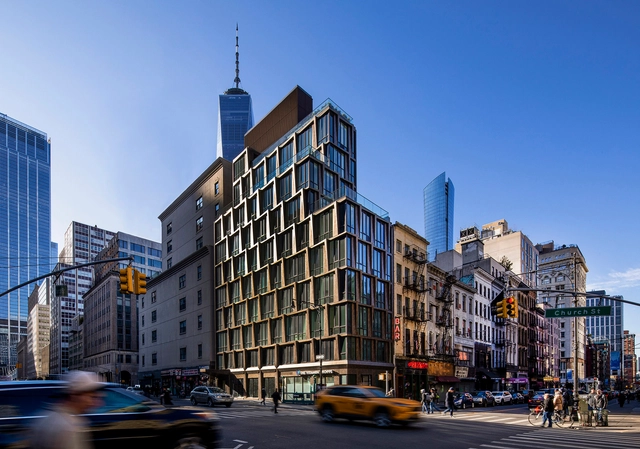
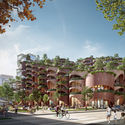
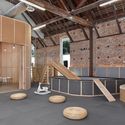
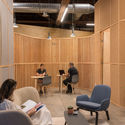
Courtesy of Studio One Eleven and Adjaye Associates
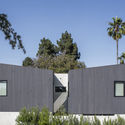
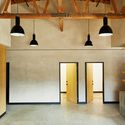
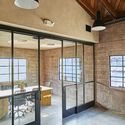
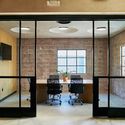
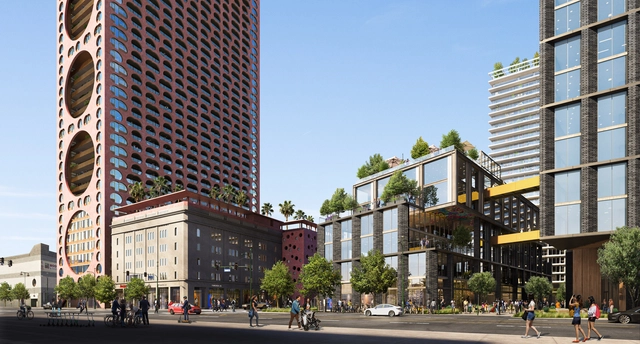
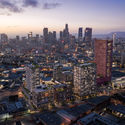
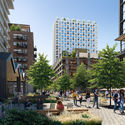
Adjaye Associates and Studio One Eleven, along with Continuum Partners will transform an industrial facility in downtown Los Angeles into a dynamic mixed-use master plan of residential, commercial, hospitality, and retail facilities. Titled Fourth & Central, the project proposes ten buildings, ranging in heights, design, and functions, transforming the area into a pedestrian-oriented community. The project, which is expected to break ground in 2024, will reflect the area's dynamic character with uniquely designed buildings that compliment the neighboring Arts District and Little Tokyo neighborhoods.
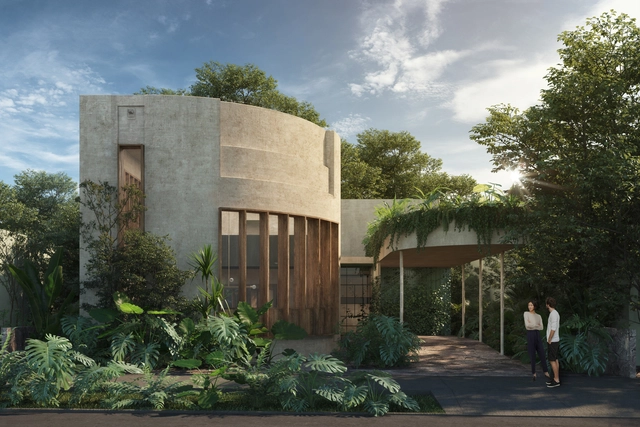
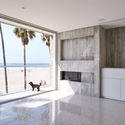
Casa SB. Image Courtesy of Esrawe Studio by Joel Flores & Emanuel Miramontes
This week’s curated selection of Best Unbuilt Architecture highlights private residential projects submitted by the ArchDaily Community. From cabins in woods to oceanfront villas, this article explores private residential retreats and presents projects submitted to us from all over the world.
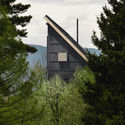
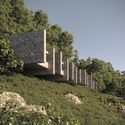
Featuring a house nestled in the Swiss forests, a private LA hillside house, and a hidden family house in the Lebanese mountains, this roundup explores how architects have merged landscape and contemporary architecture, and tucked away private residences, giving them the privacy and serenity they need. This round up also includes a collection of houses in Armenia, Mexico, Kenya, and El Salvador, each responding to different contexts, spatial needs, and topographies.
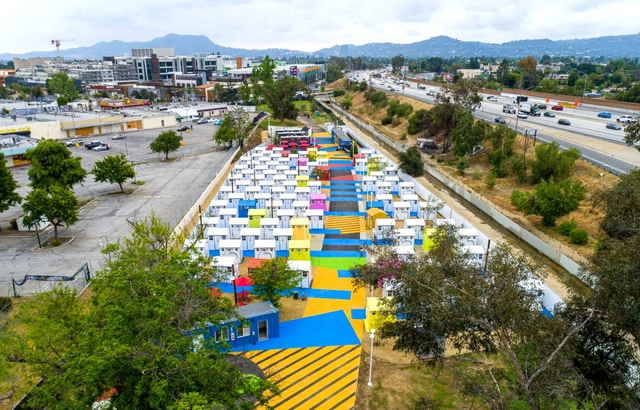
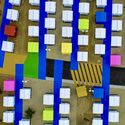
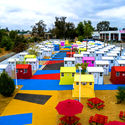
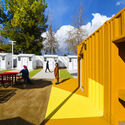
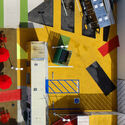
Alexandria Park Tiny Home Village. Image Courtesy of Lehrer Architects
Lehrer Architects converts several leftover plots in Los Angeles into micro-homes developments, unfolding an experimental template for tackling homelessness. Together with the Bureau of Engineering for the City of Los Angeles, the architecture firm creates an efficient yet functional design using prefabricated pallet shelters and brings character to the project through vibrant colours to shape a new sense of community and restore dignity through design.
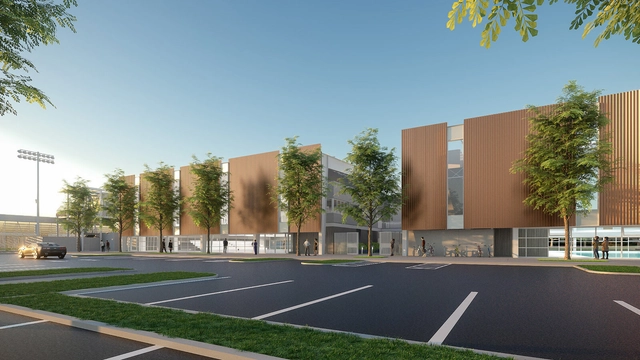
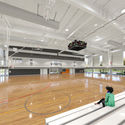
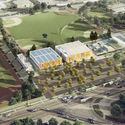
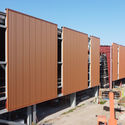
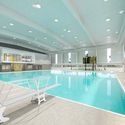
Designed by SPF:architects, the Michelle and Barack Obama Sports Center in Baldwin Hills, Los Angeles, celebrates the center’s rich history and community commitment in an eco-friendly, prefabricated facility. Formerly known as the Rancho Cienega Sports Complex, the center will expand the pre-existing structure and provide additional recreational facilities but in a cost-effective way. Construction has been ongoing since 2018 and is set to be complete mid-summer of 2021.
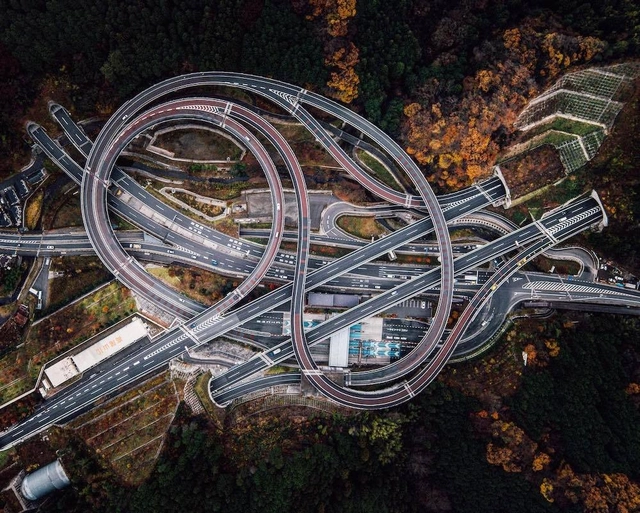
Sagamihara, Japan. Drone photo by Rob Antill (@digitalanthill) and Ben Steensls (@randomoperator)
We live in a tangled web of flows – of capital, information, technology, images, structures, in constant momentum dominating all aspects of our lives. The large-scale road infrastructures shown here are products of this powerful desire for movement, which for many years was also synonymous with development, as portrayed by the famous Goethean character Faust in his endless quest for a (false) sense of progress.
From these tangles of concrete and steel, at multiple levels and in different directions, emerges a geometrically organized chaos that tears the urban fabrics in a relentless effort to prioritize the flows with the fewest obstacles and the highest capacity possible.
WELCOMEPROJECTS’s The Breadbox ADU. Image Courtesy of Los Angeles Department of Building and Safety
It’s a rather unfortunate platitude that good design and government programs don’t mix. More than unfortunate, it’s also untrue, as a new initiative from the City of Los Angeles demonstrates.
The newly launched Accessory Dwelling Unit (ADU) Standard Plan Program offers homeowners 20 eye-catching, pre-approved designs for the increasingly popular typology, which many see as a viable alternative to costlier mid-rise apartment buildings. Administered by the Los Angeles Department of Building and Safety (LADBS) in United States and featuring designs from firms including SO – IL and LA-Más, the program is a bid to fast-track permits for these humble, backyard homes—better known as ADUs—as well as making them “more accessible, more affordable, and more beautiful,” said L.A. Mayor Eric Garcetti in a press statement.
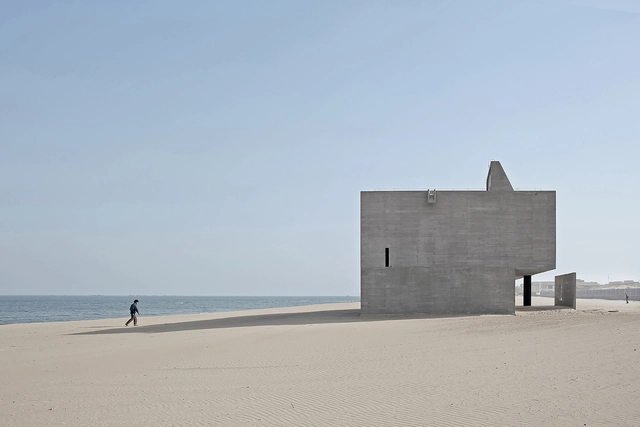
As architecture has evolved to include advanced building envelopes, innovative structural systems, and hybrid programs, new boundaries have been drawn. Sustainable practices and passive strategies have led architects to re-imagine building skins and the relationship between interior and exterior. While different typologies are designed with varied levels of permeability, libraries demand rigorous attention to performative facades and protected programs. This holds especially true when libraries are placed within radically changing landscapes.
Building more equitable futures begins with community. For international practice Woods Bagot, the firm's three US studios are now each run by women, and their combined leadership is creating more inclusive and dynamic designs that rethink past traditions. Each Director has taken the reins before the global pandemic was underway, and now the trio is working to rethink how the practice can address diverse challenges in New York, San Francisco and Los Angeles.
Low-Rise: Housing Ideas for Los Angeles is the latest initiative spearheaded by Christopher Hawthorne, the Chief Design Officer for the City of Los Angeles. Since leaving his post as architecture critic of the Los Angeles Times in March 2018, Hawthorne has carved out a unique and surprisingly wide ranging role at City Hall. Recently I reached out to him to talk about his two-plus years in government, the latest “ideas” challenge (as he describes Low-Rise), and other issues facing Los Angeles.
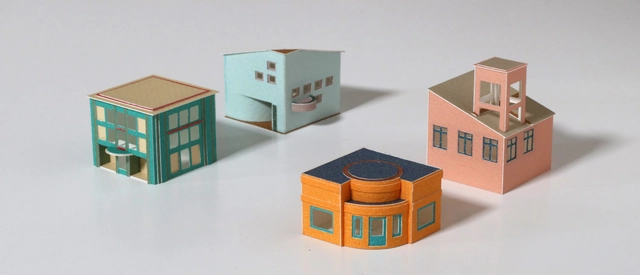
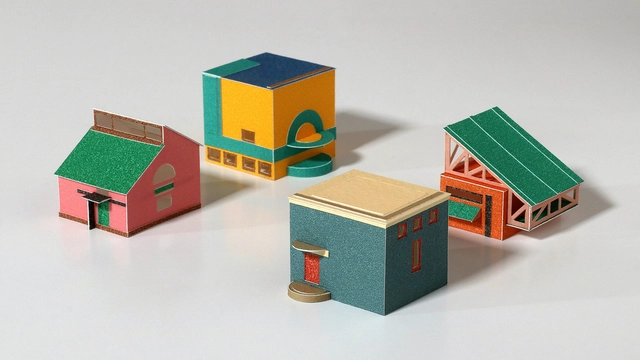
The City of Los Angeles has launched a $100,000 housing design challenge for low-rise developments. The competition asks architects and landscape architects to imagine "appealing and sustainable" models of low-rise, multi-unit housing. Organized by the Mayor’s Office and Chief Design Officer Christopher Hawthorne, the initiative aims to create new paths to home-ownership and housing affordability in Los Angeles.
















.jpg?1615577970&format=webp&width=640&height=580)