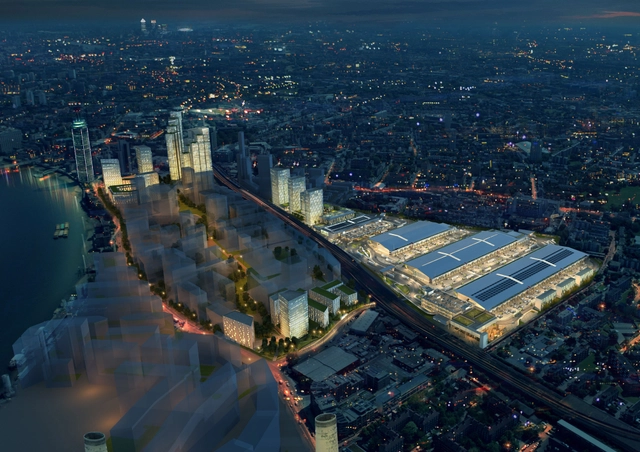
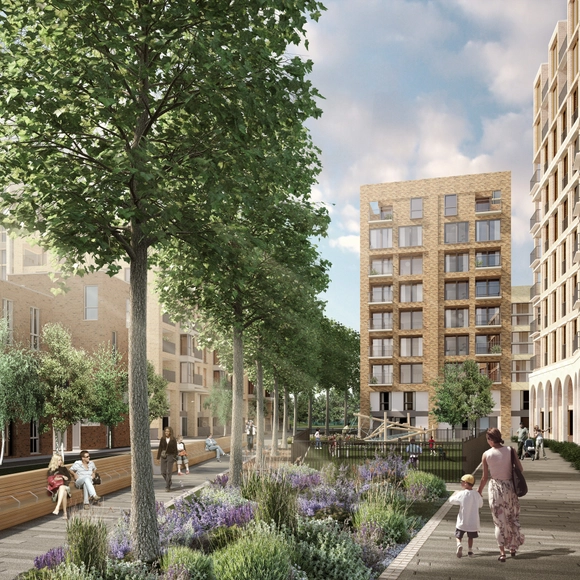
BDP and SOM have submitted plans for 'The Garden' a new market which will be the largest new development in the Nine Elms area around Battersea Power Station in London. The £2 billion plans replace the existing New Covent Garden Market, the UK's largest fruit, vegetable and flower market, in addition to adding a mixed-use neighborhood of 3,000 homes and over 200,000 square feet of office and retail space.
Produced by The Bartlett Centre for Advanced Spatial Analysis, this somewhat hypnotic video charts the development of London from its origins as the Roman settlement of Londinium to the present day. It maps the changes in the city's road network and built environment, and catalogs the thousands of historic structures which are now protected by either listing or scheduling. Among the fascinating thing revealed by the video is how historic events continue to have a profound effect on the city's built environment: for example a law passed after the Great Fire of London determined that new buildings had to be built from brick, resulting in the large number of Georgian buildings that have survived to the present day.
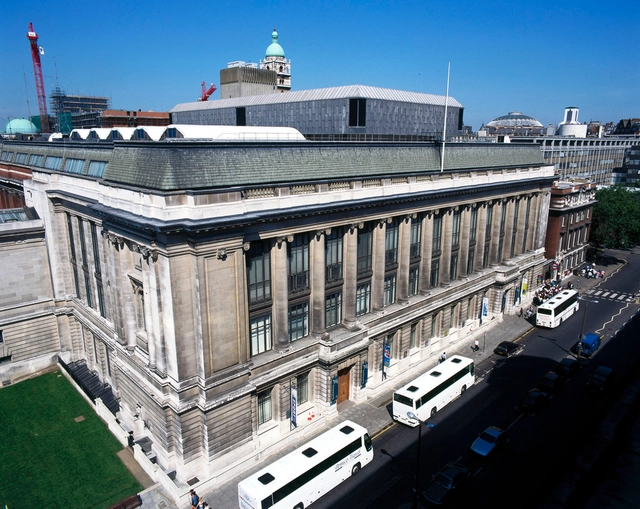
The Science Museum in London has announced plans to expand with three new galleries, launching three competitions to find designers. Two of the new galleries will house new permanent exhibitions about medicine and mathematics, while the third will host an interactive gallery. The three extensions combined will more than double the museum's current size.
The museum hopes to complete the mathematics and interactive galleries in 2016, with the larger medicine wing scheduled for a 2018 completion date.
Read on after the break for more on the competitions
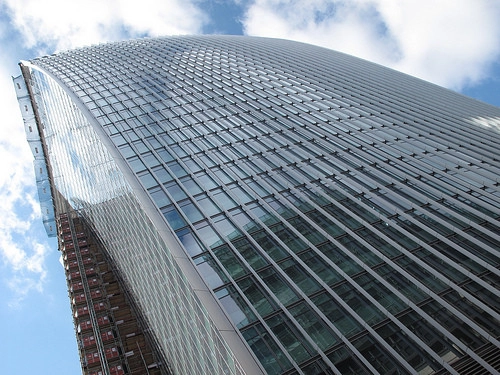
Work to alter Rafael Viñoly Architects' 20 Fenchurch Street - dubbed the Walkie Talkie due to its unusual shape and then the "Walkie Scorchie" after it created a heat-focusing ray strong enough to melt cars last summer - is due to start later this month, after planning permission for the additions was granted in April. The alterations, also designed by Rafael Viñoly Architects, will see horizontal aluminium louvres added to the glass facade between the 3rd and the 34th floor to ensure that the reflective "death ray" effect is not repeated.
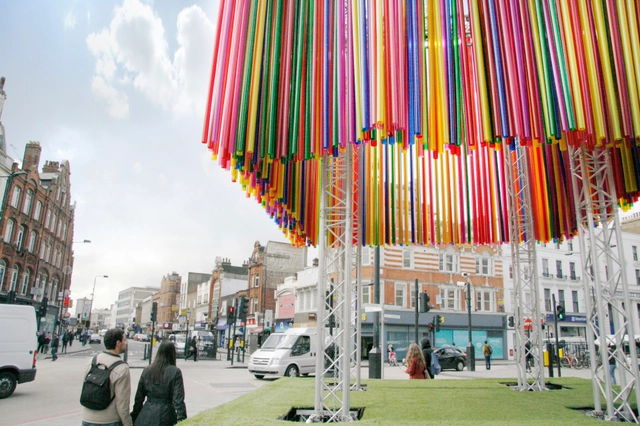
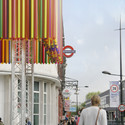
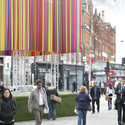
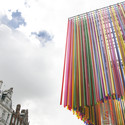
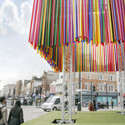
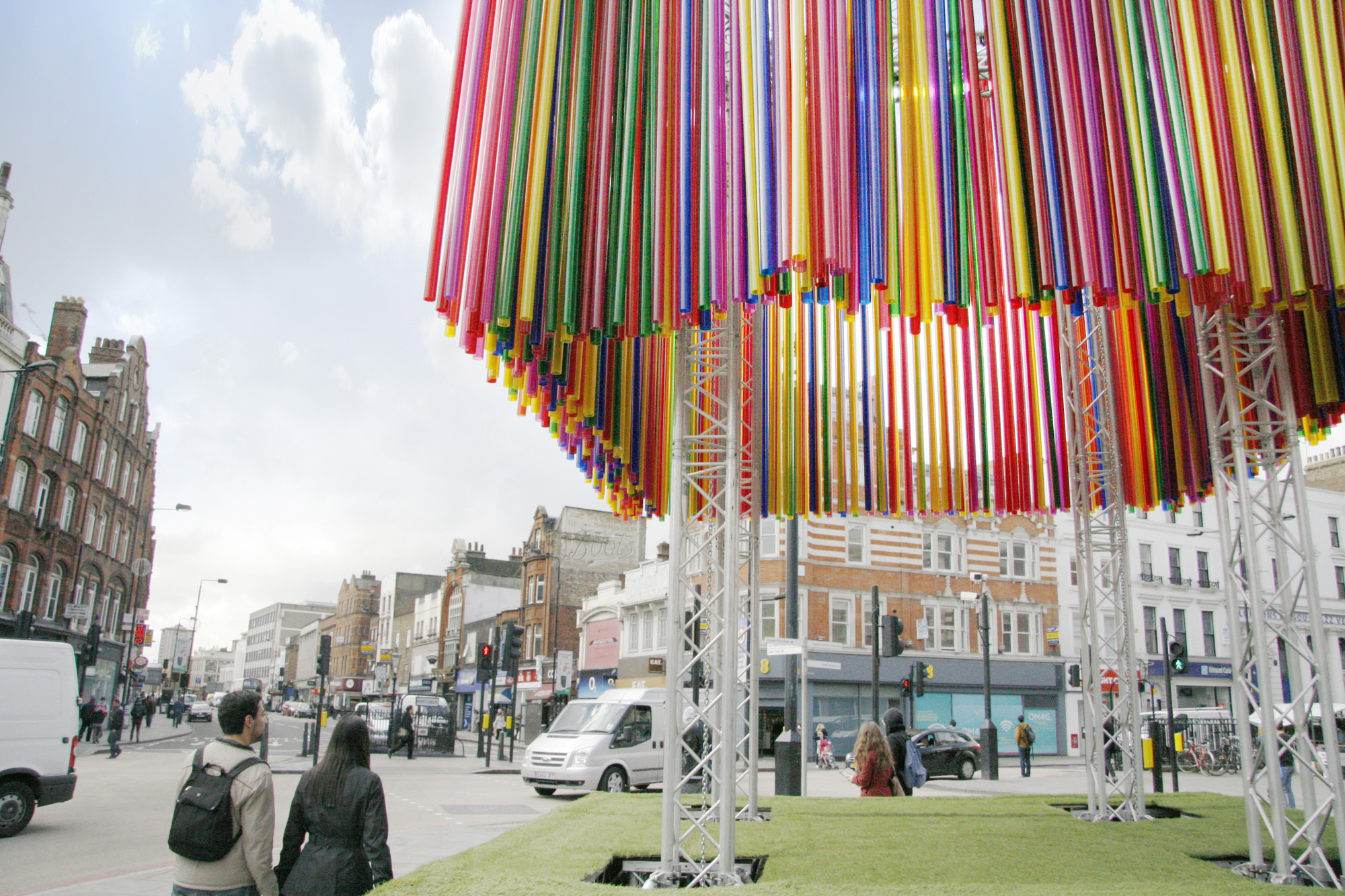
As part of a new three-day festival in the London borough of Camden, KSR Architects have designed a brightly colored pop-up pavilion for the famous Britannia Junction. The festival's centerpiece is made up of 640 fluorescent tubes hanging from a stage truss system to make a colossal wind chime, animating the area with movement, color and sound.
Read more about the pavilion and the festival, and see more images after the break
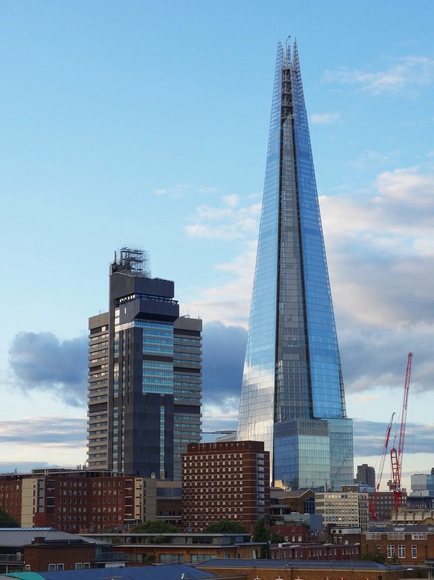
Since opening to the public last week, guests at the Shard's Shangri-La Hotel have been discovering that the building offers crystal clear views of more than just London. At night, the glass panels which extend beyond the edge of the floor plates and give the building its characteristic crystalline appearance act as mirrors, offering views into neighboring rooms. The Financial Times reports that when they visited, "guests in the neighbouring room were clearly visible as they prepared for bed." You can read more on the story (and see proof of the effect) on the Financial Times.
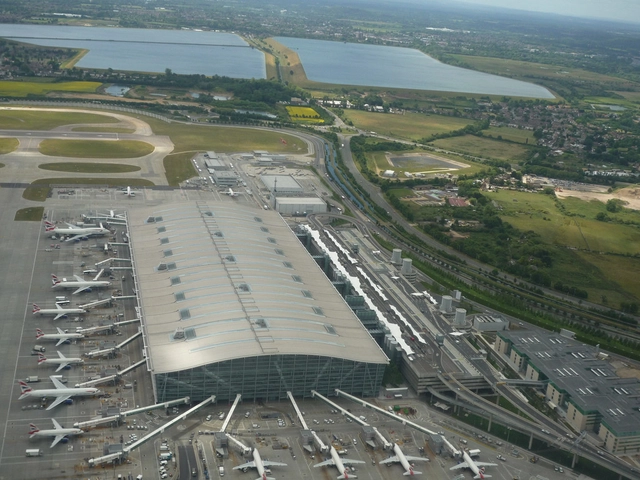
London Mayor Boris Johnson has enlisted the help of three architects, Hawkins\Brown, Rick Mather Architects and Maccreanor Lavington Architects to design a new town on the site of Heathrow Airport. The move is designed to encourage support for Johnson's plan to build a new airport in the Thames Estuary, jokingly dubbed 'Boris Island' by some. If the Estuary Airport were to go ahead it could mean closing Heathrow, currently one of the world's busiest airports, freeing the land up for the new development. You can read more on the story at the Architects' Journal.
The winners of the 2014 RIBA London Awards were announced in a ceremony last night. The awards recognize the RIBA London Architect of the year and 2014 RIBA Emerging Architect of the Year (Haworth Tompkins and RCKa, respectively) as well as a host of project awards which join other regional awards to make up the longlist for the 2014 RIBA Stirling Prize.
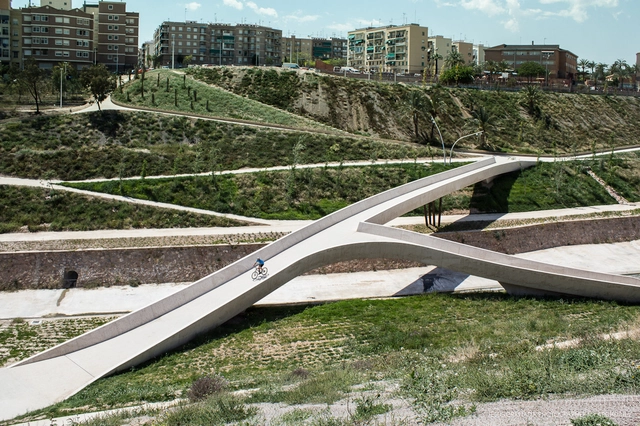
The results of the 2014 European Prize for Urban Public Space have been announced. The prize organized by the Centre of Contemporary Culture of Barcelona (CCCB) rewards both the designers and the facilitators (such as councils or community groups) that have contributed to the best urban interventions of the year. The award is given for ingenuity and social impact, regardless of the scale of intervention, meaning that small, relatively unknown practices can rub shoulders with some of the best-known practices in Europe.
See the 2 Joint Winners and 4 Special Mentions after the break
View of the first phase of the development. Image Courtesy of HTA Design
Developer Notting Hill Housing Trust have selected HTA Design to lead the regeneration of London's infamous Aylesbury Estate. HTA will work on the masterplan for the entire site, and have also been selected as the lead architects for the first stage of the , working alongside Hawkins Brown and Mae Architects.
The £1.5 billion redevelopment will see the iconic post-war estate torn down and reconstructed in stages over the next 20 years, with different architects working on the detail design for each stage. In total the masterplan provides for 4,200 homes, a significant increase over the 2,704 in the existing estate.
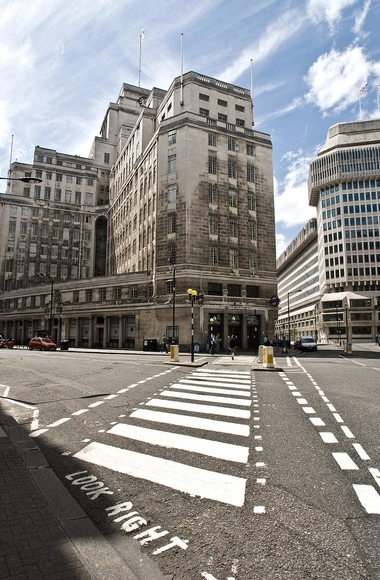
Transport for London today announced TateHindle as the winners of the competition to transform their London Underground Headquarters into a residential building. The building, designed by Charles Holden and completed in 1929, was once the tallest office block in London and has been home to Transport for London ever since. However, TfL say the building at 55 Broadway is "no longer fit for purpose", and will move out in 2015 when TateHindle will begin the renovation. You can read the full story on the Architects' Journal.
A rival to Steven Holl Architects' design for the Maggie's Centre at St Barts Hospital in London has received planning permission. The alternative scheme was commissioned by a group called “Friends of the Great Hall and Archive”, who believe the proposal by Steven Holl Architects would threaten the 18th century, Grade I* listed Great Hall. The newly approved scheme, designed by Hopkins Architects, proposes a different site for the new cancer care centre.
After their initial scheme was rejected, Steven Holl Architects' revised design was submitted for planning approval last week, with a decision expected in the summer.
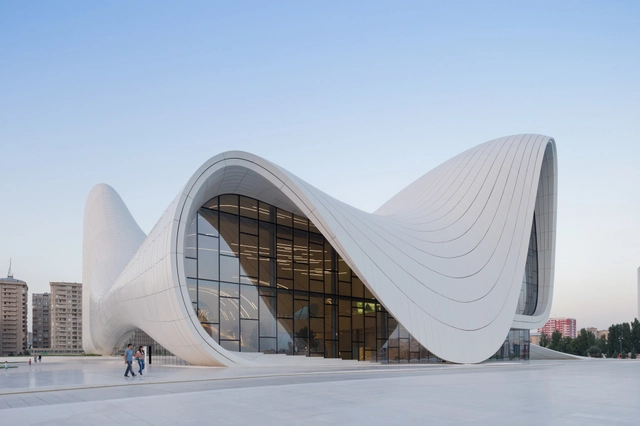
Zaha Hadid’s Heydar Aliyev Center is among seven shortlisted designs being considered for this year’s Design of the Year award. As announced by London’s Design Museum, the undulating cultural center was pulled from 76 innovative nominations and placed first in the architecture category. The shortlisted proposals, ranging from a portable eye examination kit to Volkswagen’s XL1 CAR, will remain on view at the museum through August 25. A winner is expected to be announced June 30.
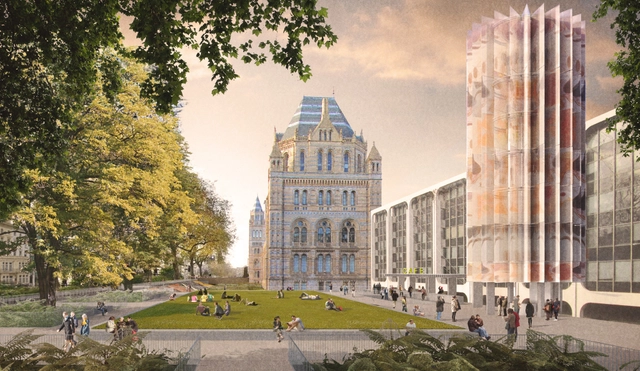
British practice Níall McLaughlin Architects together with Kim Wilkie have been unanimously selected as the winners of the competitionto reimagine the external grounds of London's Natural History Museum. The competition, which attracted proposals from shortlisted teams such as BIG (Bjarke Ingels Group), Stanton Williams Architects, and Feilden Clegg Bradley Studios, called for entries to "reshape the Museum’s grounds and reinvigorate its public setting" with an aim to creating "an innovative exterior setting that matches Alfred Waterhouse’s Grade I listed building whilst also improving access and engaging visitors."
Building on the success of their first Winter school in 2010, ManTownHuman's "Critical Subjects" school returns this summer. The week-long event that will serve as a platform to debate vital architectural questions as diverse as "what is 'nature'?"; "whatever happened to the avant garde?"; and "what is architecture for?" Applications are currently open - 30 of the UK's keenest architecture students will be chosen for their critical and innovative thought.
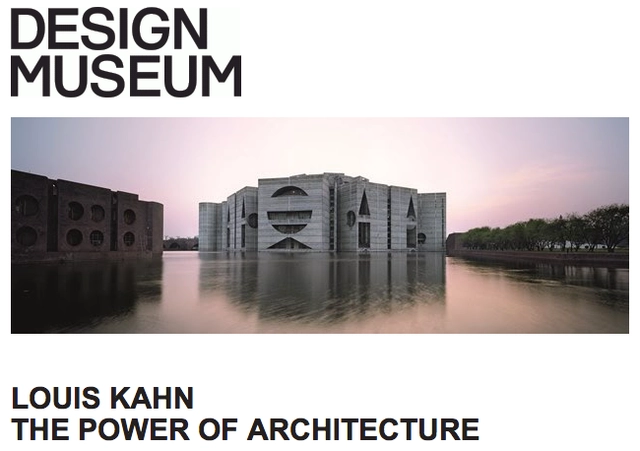
The American architect Louis Kahn (1901-1974) is regarded as one of the great master builders of the Twentieth Century. Kahn created buildings of monumental beauty with powerful universal symbolism.