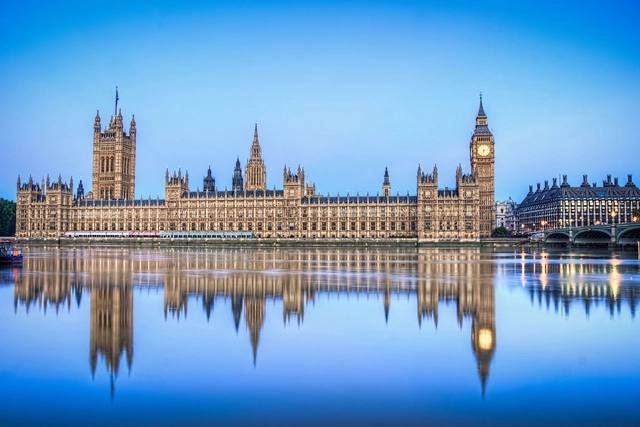
Palace of Westminster, London. Image Courtesy of BDP
Following a two year-long bidding process, British-based international practice BDP (Building Design Partnership) have been chosen to restore and safeguard the future of the Palace of Westminster, the seat of the United Kingdom's parliament. OutbiddingFoster + Partners, Allies and Morrison, and HOK the project is expected to run into billions of pounds and could see the two chambers—the House of Commons and the House of Lords, plus all ancillary support staff—move out of the iconic building for to a decade.
https://www.archdaily.com/876018/bdp-to-restore-london-palace-of-westminster-and-secure-future-for-united-kingdom-houses-of-parliamentAD Editorial Team
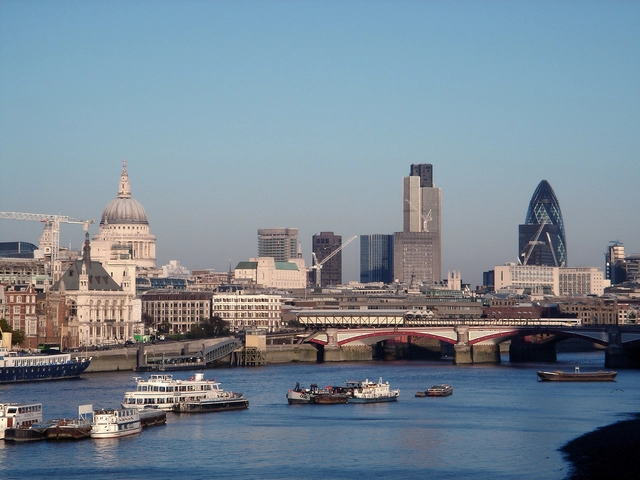
London Skyline in 2005. (Licensed by CC BY-SA 3.0). Image Courtesy of Wikimedia Commons User: Mewiki
The Mayor of London, Sadiq Khan, has appointed fifty "Design Advocates" to support his efforts in ensuring that development across the British capital is "high-quality, inclusive, and sustainable." Well-known names—such as Sir David Adjaye, Peter Murray and Alison Brooks—have been nominated alongside a broad range of architects, activists and thinkers, including Russell Curtis, Daisy Froud, Dan Hill, Richard Lavington, Tom Holbrook, Rory Hyde, Adam Khan, and Maria Smith.
https://www.archdaily.com/875740/david-adjaye-peter-murray-and-alison-brooks-among-mayor-of-londons-new-team-of-design-advocatesAD Editorial Team
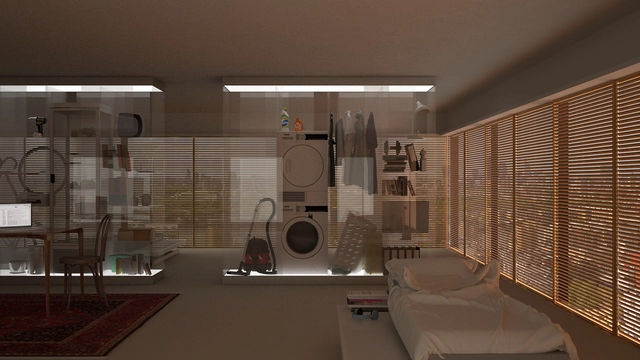
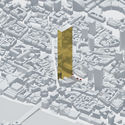
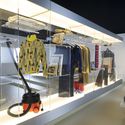
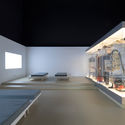
Interior design by REAL Foundation for Common Stock: Sharing as Luxury, the fourth tower in the Derivative Architecture series. Image Courtesy of Real Foundation
The Chicago Architecture Biennial is the largest platform for contemporary architecture in North America, and the blog invites designers and other contributors to express their perspectives in a range of formats. The 2017 exhibition, entitled Make New History, will be free and open to the public between September 16, 2017 and January 6, 2018.
Chicago Architecture Biennial (CAB): We want to start by noting that REAL foundation, which stands for "Real Estate Architecture Laboratory," is not a typical design practice. You design spaces, but you also make books, exhibitions, a magazine, and tools for advocacy. Why?
Jack Self (JS): The REAL foundation is an unusual model for an architectural firm. We're a normal architectural practice, but we are governed by a very strict set of conditions that allow us to pursue certain political and economic ideologies. We see the social role of the architect, as well as the structure of the architectural firm, as a subject for design as much as buildings.
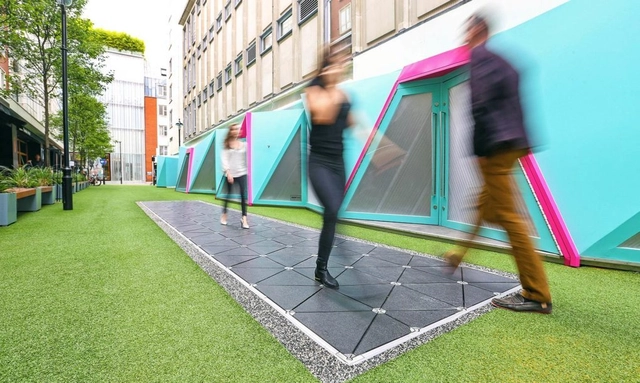
Technology company Pavegen has unveiled the world’s first “Smart Street” in London’s West End that utilizes the company’s unique kinetic paving slabs to generate energy from pedestrians’ footsteps. But unlike earlier Pavegen installations deployed in cities like Washington DC and Rio de Janeiro (which uses the panels as the foundation for a soccer field), the London Smart Street comes with its very own app – giving visitors precise information about the power they are generating, and encouraging use by offering up store vouchers in return for steps.
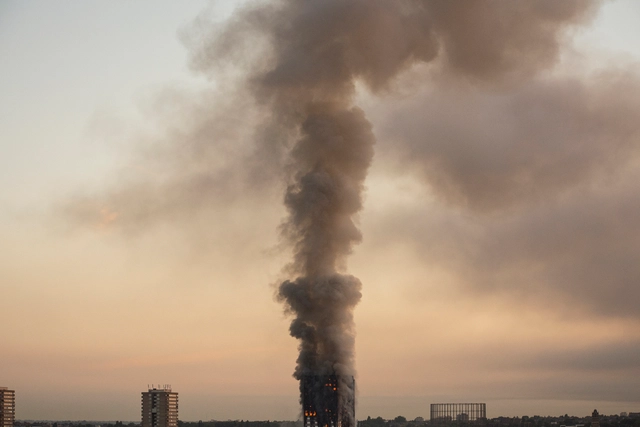
The Royal Institute of British Architects (RIBA) has released an official statement on design for fire safety following the tragic Grenfell Tower fire on June 14. The causes and aftermath of the catastrophic fire, which ravaged 27 storeys of the council estate in the London borough of North Kensington are currently under investigation, with a team of 250+ working on operations including recovering and identifying victims (the death toll has risen to 80+) according to recent reports from the BBC and the Met Police. The aluminium-composite cladding Reynobond PE - identified as one of the main reasons for the fire’s spread up the building’s façade has sparked outrage over failed safety regulations and debate over the lack of responsibility behind the building’s (and many others) construction overall. Further fire safety tests revealed the cladding to be present in up to 60 similar council estates with more being urged to submit samples for testing.
For a quick summary, we’ve covered some key points from each of the 3 sections addressed RIBA's statement below:
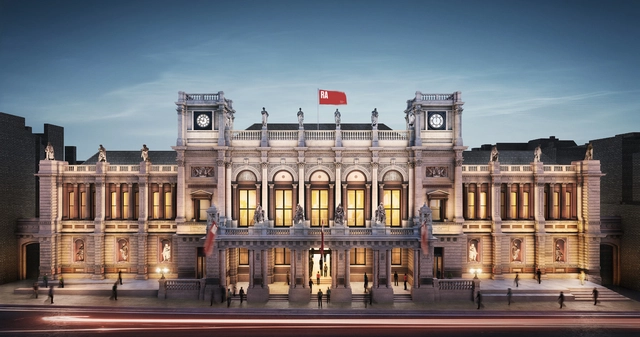
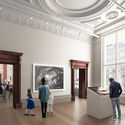
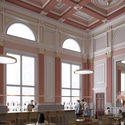
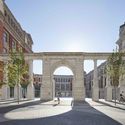
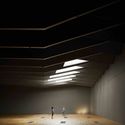
London’s Royal Academy of Arts has announced plans for a new permanent architecture-specific gallery and the creation of two new international architecture awards as part of the RA’s mission to “garner a wider appreciation and understanding of architecture, bringing to the fore its vital relationship to culture and society.”
The new architecture space, along with a cafe, will be housed within the Dorfman Senate Rooms in Burlington Gardens, allowing the academy to show architectural exhibition year-round. The architecture rooms join wider renovation plans led by David Chipperfield Architects that will also include a new naturally-lit theater.
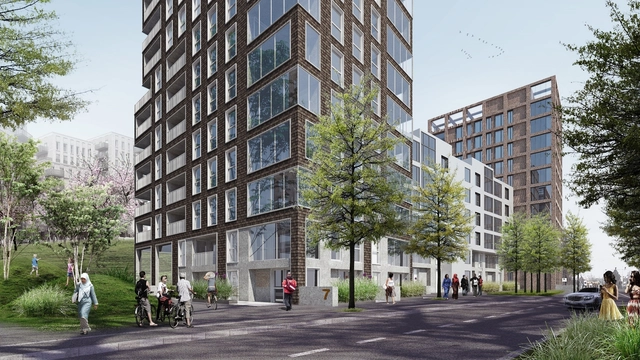
As leaders of Phase 3 of the plan, C.F. Møller will design housing for the eastern portion of the site. A total of 330 one- to five-bedroom residential units, half of which have been designated as affordable, will be located within a courtyard block complex at the edge of an existing garden mound – one of the few elements of the original estate that will be retained. The garden is planned to be replanted and renamed the “Millennium Green.”
https://www.archdaily.com/874779/cf-moller-to-lead-design-of-project-replacing-alison-and-peter-smithsons-robin-hood-gardensAD Editorial Team
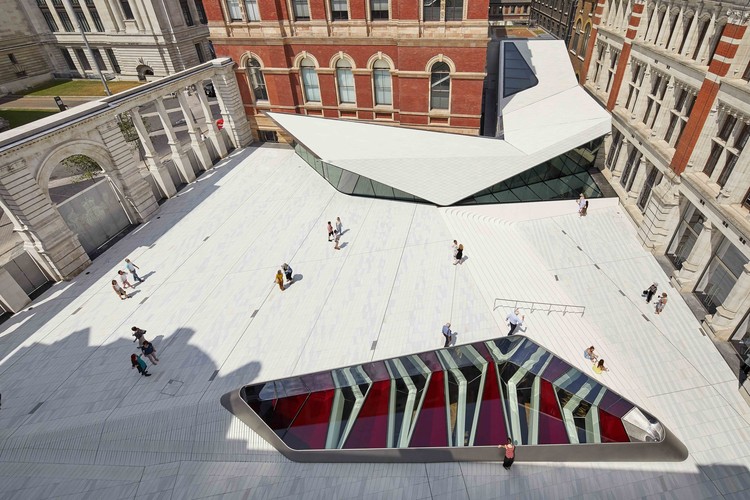
I really believe that the role of the museum is to go beyond the boundaries of the building and to engage in contemporary life, so by creating a new public outdoor space – a new courtyard, a new place – we’ve renegotiated the relationship between street and museum
In this video from CNN Style, director Matthew Donaldson takes us inside the just completed courtyard entrance and extension of London’s V&A Museum, the world's largest museum of decorative arts and design. Designed by AL_A, the newly completed space features 11,840 square feet of flexible gallery space and the world’s first public courtyard constructed entirely of porcelain, paved with 11,000 tiles in 15 different patterns handcrafted by Koninklijke Tichelaar Makkum, the Netherlands' oldest registered company.
Featuring narration by Amanda Levete, founder of AL_A, the video offers an intimate look at the project’s above- and below-ground spaces, including the entry pavilion, sleek new stair and skylight-lit galleries.
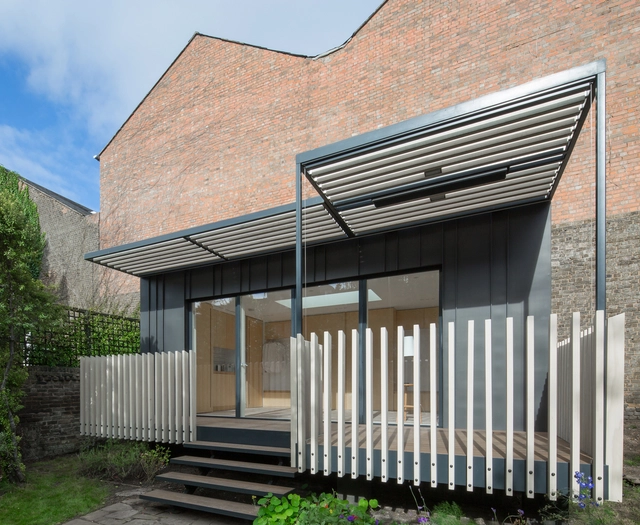
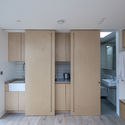
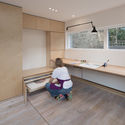
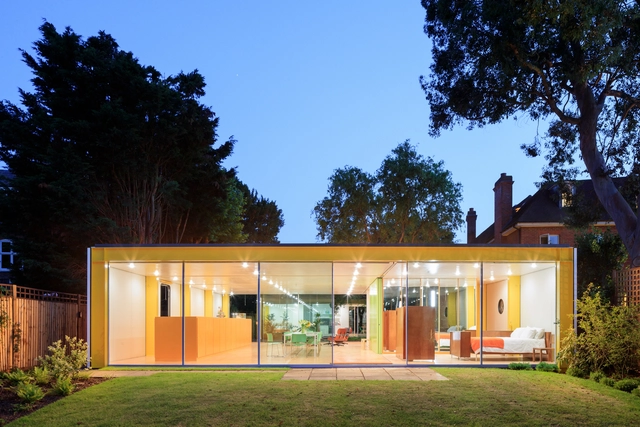
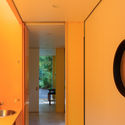
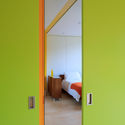
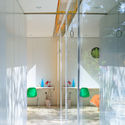
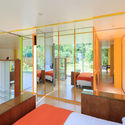
Following extensive renovations led by Philip Gumuchdjian and landscape architect Todd Longstaffe-Gowan, 'Wimbledon House'—formerly known as the Rogers House or '22 Parkside'—has reopened as the Harvard GSD's primary residence and London venue for the Richard Rogers Fellowship.
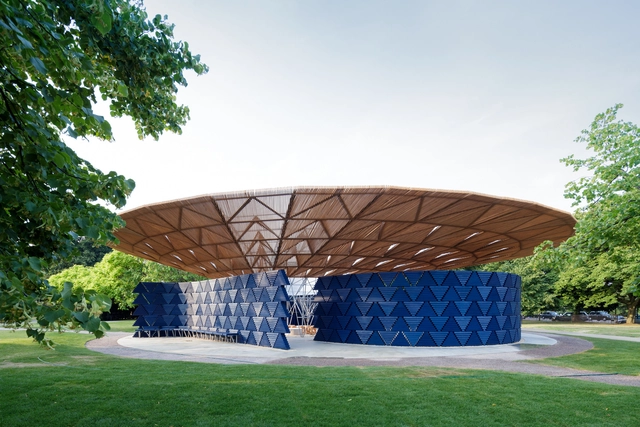
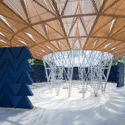
Following the opening of the 2017 Serpentine Pavilion, designed this year by Diébédo Francis Kéré (Kéré Architecture), photographer Laurian Ghinitoiu has turned his lens to London. Designed to mimic a tree, or a canopy of trees, the wooden structure has been designed to fuse cultural references from Kéré's home town of Gando in Burkino Faso with more "experimental" construction techniques. His ambition is that the pavilion becomes a social condenser – "a symbol of storytelling and togetherness."
"As a precaution," the British Prime Minister Theresa May told the House of Commons today, "the [UK] Government has arranged to test cladding in all relevant tower blocks." This initial investigation ordered by the British Government following the devastating fire and loss of life at Grenfell House in London on June 14, have returned initial results which show that "three samples," according to the BBC, "are 'combustible'." Further results are expected to be made public over the course of the next 48 hours. The Prime Minister also declared that:
No stone will be left unturned. For any guilty parties there will be nowhere to hide.
https://www.archdaily.com/874266/indications-suggest-that-hundreds-of-residential-towers-england-uk-clad-in-potentially-combustible-reynobond-pe-grenfell-houseAD Editorial Team
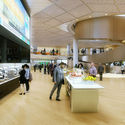
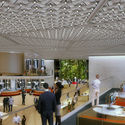
Foster + Partners has revealed new renderings of their designs for Bloomberg’s new London headquarters as the project races toward anticipated completion this autumn. The first building worldwide to be wholly owned and constructed by Bloomberg, the design of the London HQ has been guided by principles of collaboration, innovation and productivity, resulting in a structure that enhance both the workplace environment and the public realm.
The 2017 Serpentine Pavilion, designed by Diébédo Francis Kéré (Kéré Architecture), was unveiled today in London. Conceived as a micro cosmos—"a community structure within Kensington Gardens"—the pavilion has been designed to consciously fuse cultural references from Kéré's home town of Gando in Burkino Faso, with "experimental construction techniques." The architect hopes that the pavilion, as a social condenser, "will become a beacon of light, a symbol of storytelling and togetherness."
https://www.archdaily.com/874091/diebedo-francis-kere-serpentine-pavilion-opens-london-will-come-alive-when-it-rainsAD Editorial Team









.jpg?1499302315&format=webp&width=640&height=580)











.jpg?1498231225&format=webp&width=640&height=580)
.jpg?1498229448 "© Laurian Ghinitoiu")
.jpg?1498229480 "© Laurian Ghinitoiu")
.jpg?1498231266 "© Laurian Ghinitoiu")
.jpg?1498229491 "© Laurian Ghinitoiu")
.jpg?1498231225)
.jpg?1498061675&format=webp&width=640&height=580)
.jpg?1498061665 "© Foster + Partners")
.jpg?1498061654 "© Foster + Partners")
.jpg?1498061675)
.jpg?1497967188 "Serpentine Pavilion 2017, designed by Francis Kéré. Serpentine Gallery, London (23 June – 8 October 2017) © Kéré Architecture. Image © Iwan Baan")