Canada's Capital Region - National Capital Commission
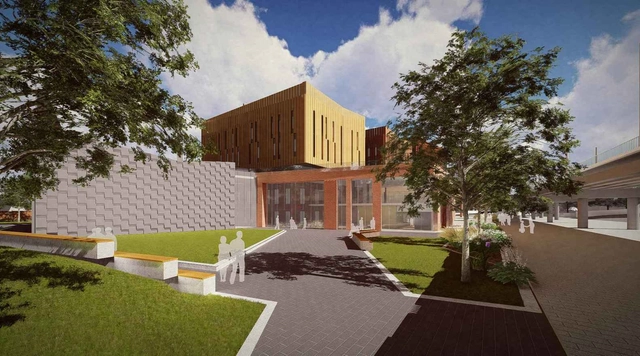
The NCC’s Urban Design Challenge 2020: Student Ideas Competition for Canada’s Capital is now on.
Urban Design Challenge 2020 is a competition that invites students from across the country to come up with design concepts for important sites in Canada’s Capital Region. The competition is organized by the National Capital Commission (NCC), the federal Crown corporation dedicated to ensuring that Canada’s Capital is a dynamic and inspiring source of pride for all Canadians, and building a legacy for generations to come.
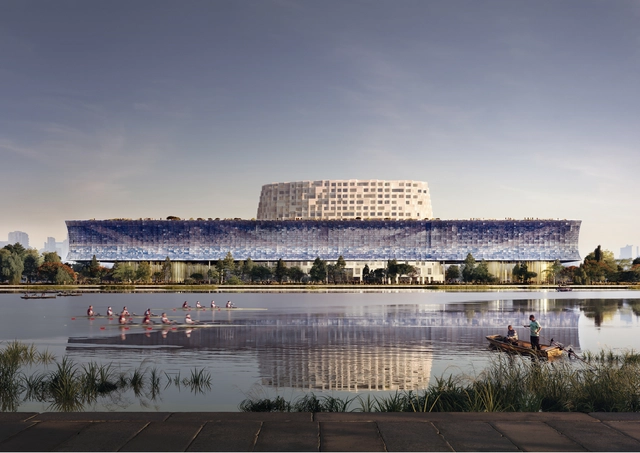
Waterfront View. Image Courtesy of Herzog & de Meuron
The Grand CanalMuseum Complex in Hangzhou, China designed by Herzog & de Meuron reflects on the importance of this area in Chinese cultural and natural landscapes. The project illustrates the story of the Grand Canal, through a continuous dialogue between the water and the museum.
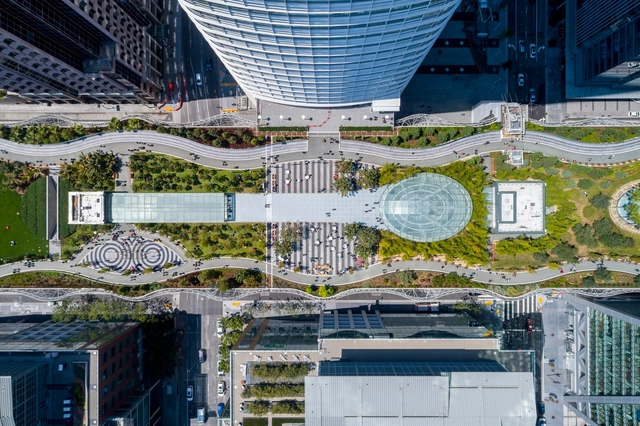
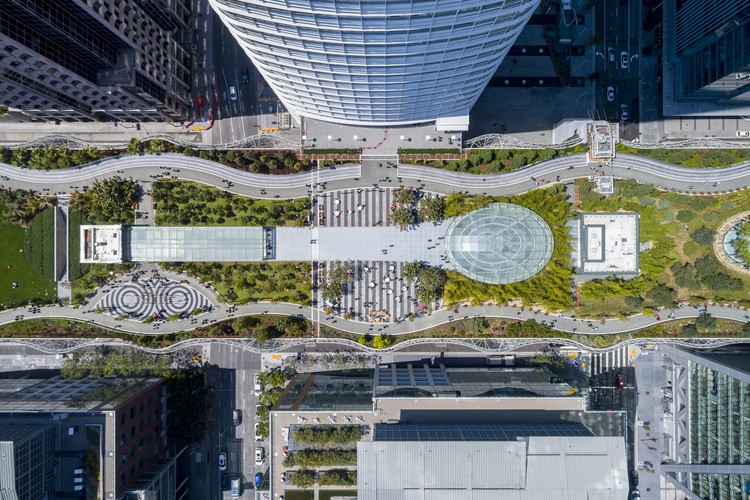
Salesforce Park, San Francisco, CA. Image Courtesy of PWP Landscape Architecture
This year showcased how landscape architecture is shaping public life in the built environment. In the first two decades of the 21st century, landscape architects created vibrant resiliency plans, rehabilitation projects, and new urban parks. As these twenty years come to a close, 2019 embodied many larger ideas and trends that will continue to influence the next decade of landscape design.
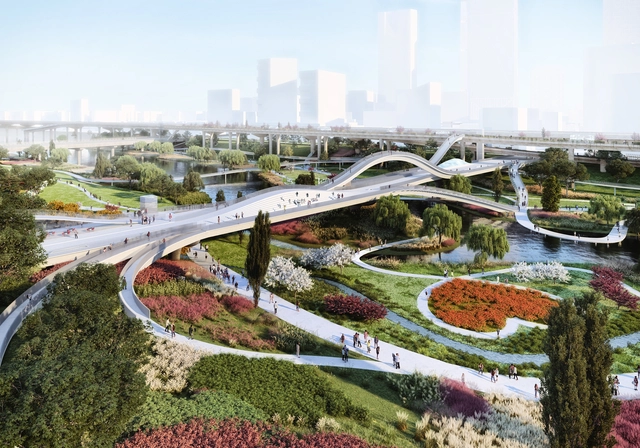
MVRDV has won the competition to redesign the Tancheon Valley and Seoul’s waterfront. Called “The Weaves”, the design was made to knit together pedestrian and bicycle paths, the natural landscapes, and public amenities. Commissioned by the government of Seoul, the design introduces a combination of natural and human activity in the midst of the city.
On 15 November, the International Competition for the Architectural Landscape Design Concept for the Tuchkov Buyan Park in Saint Petersburg will begin accepting applications from participants. Interested parties can submit their application at park-spb.ru/eng
The second issue of Room will reconvene in the Kitchen; a space that savors the possibilities of both cultural appreciation and cross contamination, serving basic sustenance and special occasions. Taste here is significant though subjective, with its stainless steel tongue wiped perpetually in an attempt to cleanse the palate. Nuanced residues of gender, class, labour, race, and climate cling to the cloth among germs and grains of salt.
Soil is the foundation of the Earth in which we all inhabit. We grow from it, prosper from it, build upon it, pollute it, and dichotomize it. Soil is an organic material providing a sustainable base for life. Yet, polarized as degrading and dirty. How is it that soil can unite nations, yet divide people? What power does it have in cultivating the built environment and defining its boundaries?
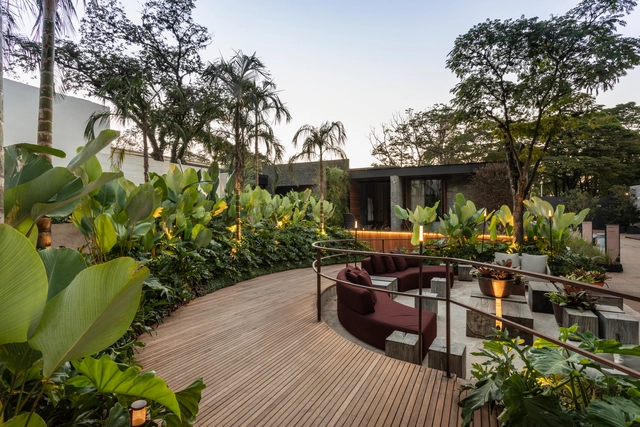
The landscape around the built environment can make all the difference in a project. Natural elements that are integrated into architecture or designed to compose it make a huge difference in the way we experience space. Therefore, designing landscape projects is no simple task. To bring some references for compositions with nature and other elements that help to configure a place, we have gathered fifteen contemporary Brazilian projects that explore simple solutions and the ones that expose the exuberance of the country's tropical flora.
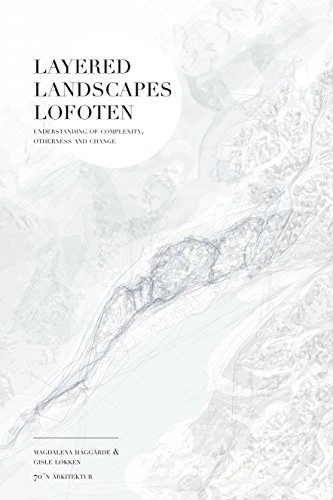
Layered Landscapes Lofoten — Understanding of Complexity, Otherness and Change adresses today’s most urgent issues about living together in landscapes and territories under severe pressure and transformation. The landscape holds essential information about our common history, ecology and social behavior — both rational and cognitive experience, and even hidden enigmas. The authors suggest how an open and unbiased approach to the landscape enables us to understand and operationalize knowledge and theory into valid proposals and projects for the future — not primarily through the traditional and habitual idea of the architectural object, but rather in contact with a global, collective and spatial territorial reality.
As you may know, things aren't going too well for mother earth. With challenges like deforestation, fires, pollution, and even methane from cows we are facing an uphill battle against climate change.
Winter World Campus Masters Selective Graduation Design Program 2019
World Campus Masters Selective Graduation Design Program (short for "WCM Program”) is launched by an international design competition platform Young Bird Plan, and it is committed to recognizing the fresh blood of contemporary design through evaluating graduation designs from global young designers in different regions and cultures. It encourages original design and design thinking in campus to conduct a positive dialogue with global design industry and industrial development, bringing young designers and their graduation works to one of the world's most influential design platform and the cutting-edge design ecosystem.
Since 2000, over 1 million visitors have discovered the more than 190 contemporary gardens created by designers from 15 countries.
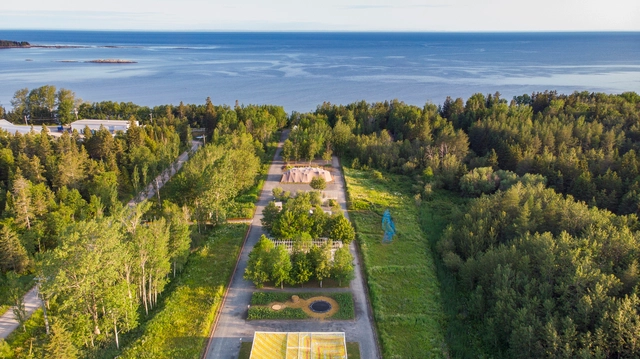
The International Garden Festival, presented at the Jardins de Métis / Reford Gardens in the Gaspésie region of Québec, Canada is preparing its 21st edition and is issuing an international call for proposals to select designers who will create the new temporary gardens that will be presented from June 19, 2020. For its 21st edition, the Festival has chosen Métissages as its theme. Continuing the exploration of new ideas and new realms, the Festival is seeking to connect designers from various fields to favour a crossbreeding of practices and professions.
Nottingham City Hub. Image courtesy of Ares Landscape Architects Ltd.
The landscape architecture industry’s recent movement to standardize BIM workflows is a transition quite similar to its former move from hand drawings to CAD drafting. Now with BIM, landscape architects can work more closely with fellow architects, engineers, and other external collaborators on projects with structural and civil requirements. Adopting a new workflow to accommodate partners who use BIM regularly, however, isn't always a walk in the park.
HOUSE IN FOREST is pleased to announce its 6th annual international design competition: House In Forest 2020 - Wooden House. The competition is designed to challenge and seek creativity with ideas and concepts in architectural design, as well as landscape design and site planning. The aim of this competition is to promote our ideas of protecting the forest and its environment, as well as focusing on urban design problems, while simultaneously raising awareness of sustainability.



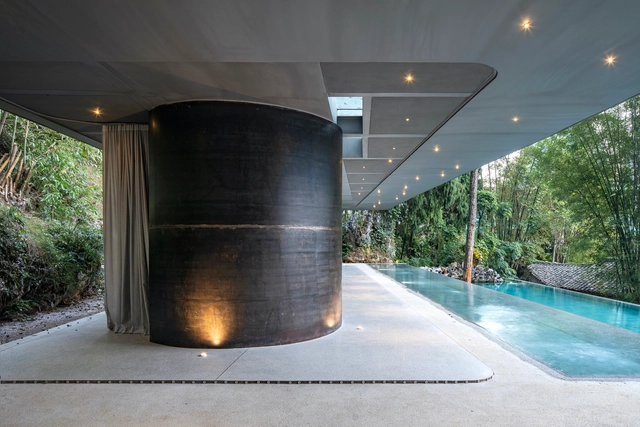
_帘布围合瑜伽空间.jpg?1576428895 "Yoga Space. Image © Fangfang Tian")
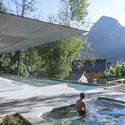
_瑜伽亭及周边生态(1).jpg?1576428660 "Yoga Pavilion Nature . Image © Fangfang Tian")