Johnny Miller

BROWSE ALL FROM THIS PHOTOGRAPHER HERE

Feeding the Land: What We Eat Built the World We Inhabit

Audio available

There is a standard way of telling the history of architecture and food. It begins with the human decision to cultivate, to store, to distribute, to consume, and ends with the building that decision produced. In this version of events, food is the occasion and architecture is the response.

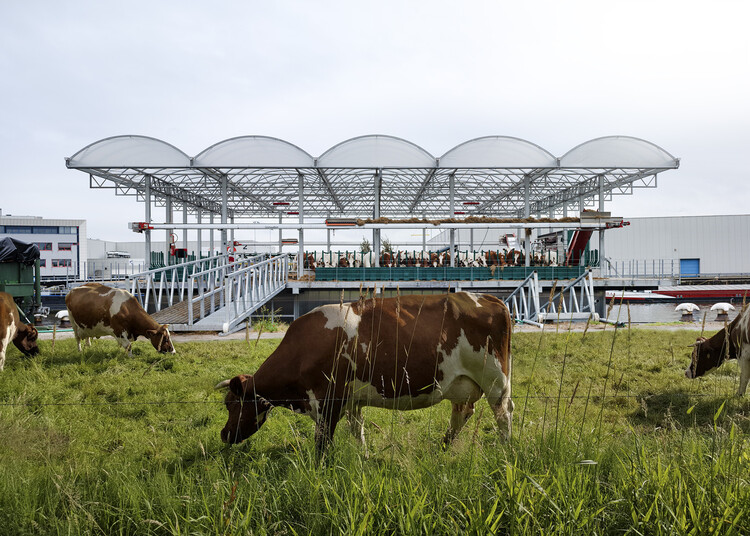
But what if the story runs differently? What if the tomato built Almería? What if the cod redesigned the North Atlantic? What if the soybean is, at this moment, constructing a port in Santos and demolishing a forest in the Cerrado simultaneously, and the architect has simply not been told? These are descriptions of processes already complete, or well underway, that have produced some of the most spatially consequential contemporary landscapes. Much of the built environment is shaped by the pressures, metabolisms, and territorial ambitions of what we eat. Architecture, in this, is often less a project than a consequence, and the discipline has been telling its own story from the wrong end.

Feeding the Land: What We Eat Built the World We Inhabit - Image 1 of 4Feeding the Land: What We Eat Built the World We Inhabit - Image 2 of 4Feeding the Land: What We Eat Built the World We Inhabit - Image 3 of 4Feeding the Land: What We Eat Built the World We Inhabit - Image 4 of 4Feeding the Land: What We Eat Built the World We Inhabit - More Images+ 23

What Makes a City Resilient?

This article was originally published on Common Edge.

About a decade ago, the term "resilience planning" became ubiquitous in climate circles. That shift, in the wake of increasingly unpredictable events, was shaped in part by the Rockefeller Foundation's 100 Resilient Cities program, a six-year, $160 million effort to establish chief resilience officers in cities all over the world. Out of that program, which ended in 2019, emerged its successor, Resilient Cities Catalyst (RCC), a New York–based nonprofit engaged in what it calls "capacity building" projects. For Climate Week, I talked to Sam Carter, one of RCC's founding principals, about his definition of resilience, the organization's planning and philanthropic method, and the challenge of scaling up climate efforts.

What Makes a City Resilient? - More Images+ 1

The Loeb Fellowship at Harvard GSD Announces the Selection for the Class of 2025

The Harvard Graduate School of Design (Harvard GSD) has announced the Class of 2025 Loeb Fellows. Ten practitioners and activists from around the world have been selected to join the Loeb Fellowship program to expand their careers and advance their programs and initiatives focused on equity, resilience, and collective action.

The ten selected practitioners are mid-career professionals coming from diverse backgrounds. Each one has been recognized for initiating practices that are transforming public spaces and urban infrastructures, addressing public health concerns and environmental injustices, as well as housing needs and efforts to preserve the cultural, natural, and architectural heritage of diverse regions from all continents.

The Loeb Fellowship at Harvard GSD Announces the Selection for the Class of 2025 - More Images+ 7

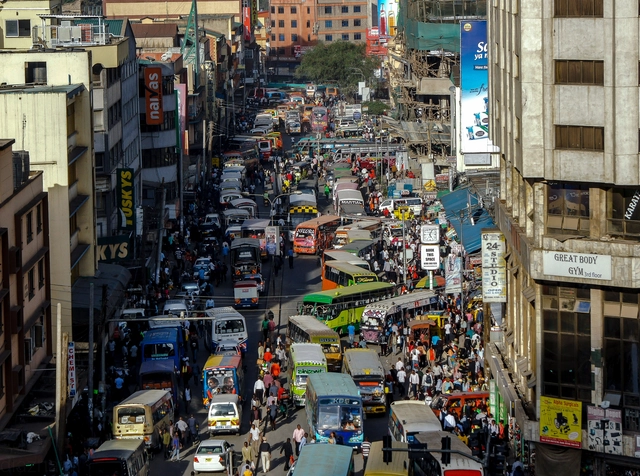
The Urban Remnants of Colonial Planning in Africa: Dar es Salaam and Nairobi

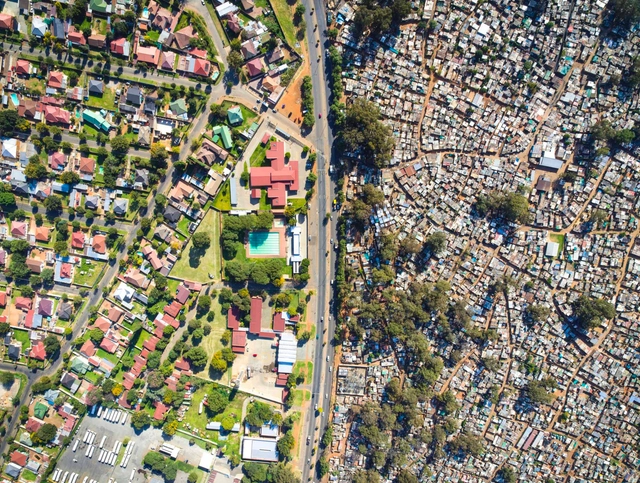
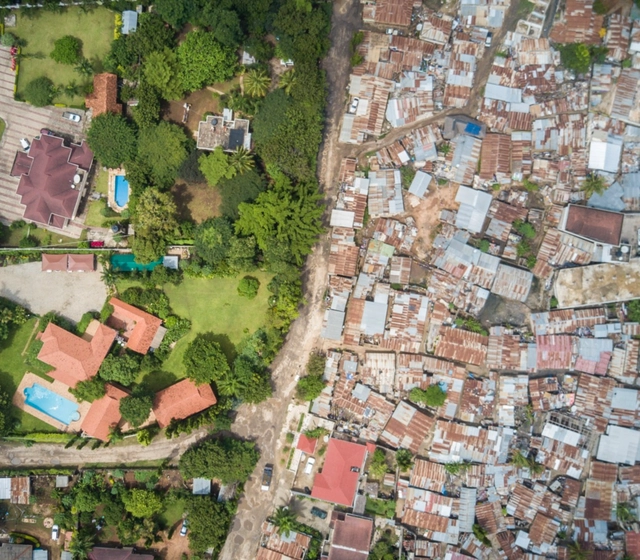
A quick glance today at the cities of the African continent reveals a rich diversity of urban settlements, ranging in type from rural enclaves to sprawling metropolises. That quick glance also reveals a larger picture of cities that are continuously adapting and evolving as we enter the decade of the 2020s – yet this evolution in many places is taking place at the expense of those who are less fortunate. This is not happening in a vacuum, as the reason why a lot of African cities look as they do today is a result of a segregated organization during colonial rule.

 The Urban Remnants of Colonial Planning in Africa: Dar es Salaam and Nairobi - More Images+ 4

How Will We Live With Livestock?

Subscriber Access | 

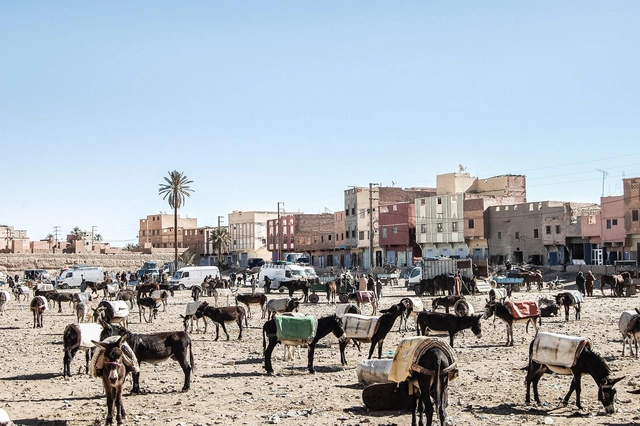
As populations continue to migrate from rural to urban areas, space is at a premium. Many settlements are becoming ever-more congested – with adequate, affordable housing in short supply and transport systems struggling to serve their respective residents. But as much the conversation about urbanization is about people, it is sometimes also about the animals that come with those people – urban livestock that play a key role at providing sustenance on an individual level, in addition to becoming an avenue for communal trade.

How Will We Live With Livestock? - More Images+ 4

What COP27 Meant for Architecture and the Construction Industry

The 2022 United Nations Conference of the Parties, more commonly referred to as COP27, was held between November 6 and November 18, 2022, in Sharm El Sheikh, Egypt. The conference included more than 90 heads of state and an estimated 35,000 representatives, or delegates, from 190 countries. Aimed at encouraging and guiding countries to take effective action against climate change, the next edition of these conferences, COP28, is already scheduled from 30 November to 12 December 2023, in the United Arab Emirates. The CEO of the Abu Dhabi National Oil Co, an oil company chief who also oversees renewable energy efforts in the Emirates, was appointed to preside over the negotiations and talks, which led to a wave of criticism from environmental activists.

What COP27 Meant for Architecture and the Construction Industry - More Images+ 1

Architecture and Aid: Reframing Research on Informal Settlements

Subscriber Access | 

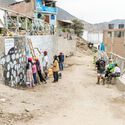
Almost seven kilometers from the green of Uhuru Park in central Nairobi, lies the informal settlement of Kibera. It is an area whose urban character consists of corrugated iron roofs, mud walls, and a complicated network of utility poles. Kibera, at this point in time, is a well-known place. Much has been written and researched on this “city within a city,” from its infrastructural issues to its navigation of the COVID-19 pandemic.

Architecture and Aid: Reframing Research on Informal Settlements - More Images+ 7

Uncovered Ground: Architectural Elements, Urbanism and Cities

The year 2021 has been a turbulent one –coronavirus rages on, and the design and construction industries have been forced to keep adapting two years into a global pandemic. As virtual methods of working and communicating continue to be tweaked and honed, a plethora of virtual events has meant that architectural discourse outside the western canon and Eurocentric gaze, in a small way, has been able to claim space front and center in the global architectural conversation.

Uncovered Ground: Architectural Elements, Urbanism and Cities  - More Images+ 9

World’s Cities Day 2021: Resilience, Climate Crisis and Sustainable Urbanization

Subscriber Access | 

As cities grow in scale, dimensions, and amplitude, taking in 60% of the world population, the United Nations has designated the 31st of October as “World Cities Day”, an opportunity to talk furthermore about global urbanization, addressing challenges, encouraging opportunities across borders and highlighting responses. Focusing this edition on the theme of “Adapting Cities for Climate Resilience”, this day, part of Urban October, seeks to raise awareness about the climate crisis and its repercussions on the built environment.

Cities, at the center of the global challenges, are hubs for institutions, society, economy, commerce, and transportation. Understanding the importance of “Thinking the City”, we have compiled in this roundup, articles published by ArchDaily’s editors that offer planning tools and guidelines, tackle the different components of the urban realm and highlight worldwide as well as contextual questions and responses. 

Urban Sprawl and Ghost Towns: The Impact of Mining on Cities

Subscriber Access | 

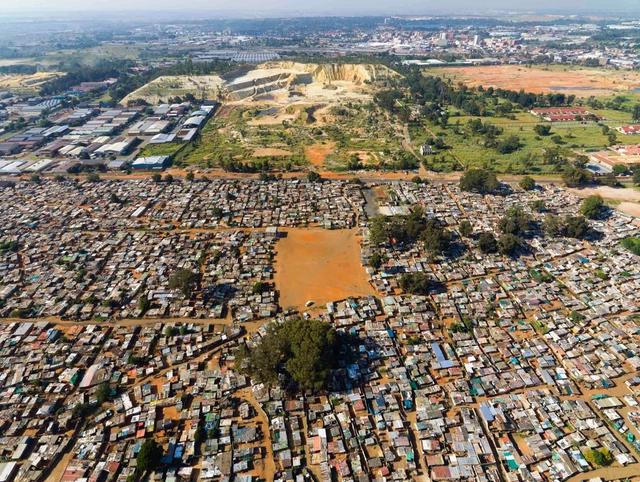
The urban settlements we inhabit today exist in their present form due to a host of reasons. There are cities that have grown due to their proximity to water – such as the growth of Dar es Salaam to the major port city it is today. There are the planned capital cities scattered around the world, governments of countries such as Brazil and Nigeria building cities from scratch from the input of acclaimed architects. There are also the settlements that exist and grow because of certain industries, such as Silicon Valley in the American state of California being home to giants of the technology industry. There’s an industry, however, that has spawned both pulsating cities and abandoned towns – the mining industry.

Urban Sprawl and Ghost Towns: The Impact of Mining on Cities - More Images+ 4

A Climate Conversation: The Role of Architecture in Shaping a Sustainable African Future

When we think of migration, we think of movement. We think of the movement of people simply looking for greener pastures – a better life for themselves. But we also think of war, of conflict, of an unstable situation in a specific place forcing the hand of a location’s residents to seek safety elsewhere. Historically and into present day, war has been the reason for the increased presence of refugees. Instability in places such as Syria, Iraq, or the Central African Republic have caused millions to flee their homes. Lurking amongst this migration due to conflict, however, is the migration of people at mercy of the changing environmental conditions of the Earth – climate migration.

A Climate Conversation: The Role of Architecture in Shaping a Sustainable African Future  - More Images+ 4

Architecture as a Heterogenous Practice: What is to be an Architect Around the World

Subscriber Access | 

Although architecture itself is universal, the day-to-day practice still varies across the world, influenced by a wide range of factors, from the professional requirements and responsibilities of an architect, the local environment, history and building customs, to local priorities and challenges. In a hyper-connected world, where architecture seems to become more uniform, how do local contexts and characteristics shape the built environment? This article taps into the commonalities and the variations within the architecture profession.