-
Architects: Atelier Zafari
- Area: 360 m²
- Year: 2026

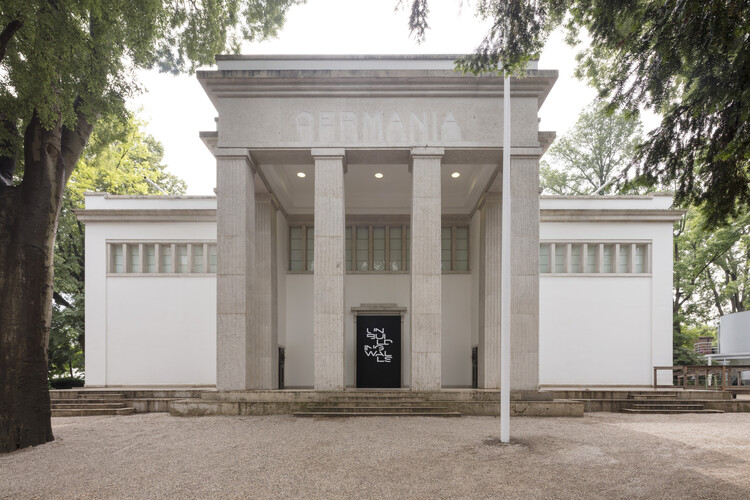
The German Federal Ministry for Housing, Urban Development and Building has appointed Kawahara Krause Architects, Andres Lepik, and Olga Cobuscean as curators for the German Pavilion at the 20th International Architecture Exhibition — La Biennale di Venezia 2027. The exhibition is titled "CONVIVERE — A Repertoire of Living Together" and turns visitors' attention to the in-between spaces of housing: the threshold, the stairwell, the courtyard, the space in front of the door. The curatorial argument starts from a diagnosis of today's growing social isolation, political polarization, and increasing pressure to build more and faster, and uses these spaces, where everyday coexistence begins, to ask how architecture can contribute to the foundations of democracy.

The recently inaugurated exhibition matière en résonance ("resonant matter") brings together a wide range of models and a curated selection of photographs to present sauerbruch hutton's ongoing exploration of timber. The exhibition starts from the premise that while the age of concrete defined the twentieth century, the early twenty-first century has seen a worldwide resurgence of timber, a much older building material. Timber is presented as offering "a different version of modernity" and as the subject of renewed interest that reawakens long-standing collective imaginaries. Over more than two decades, the Berlin-based architecture practice has explored the possibilities of timber construction, from façade elements to load-bearing structures and modular systems. The exhibition reflects the results of this sustained investigation, reinforcing both technical innovation and the embodied qualities of timber across a diverse range of European contexts. The exhibition will be on view from 3 to 28 February 2026 at the Galerie d'Architecture de Paris.
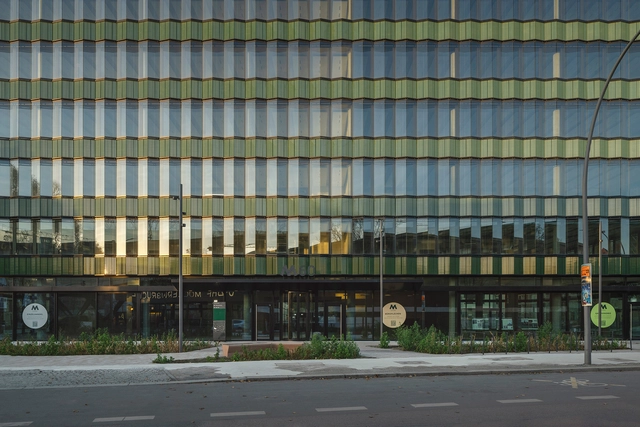
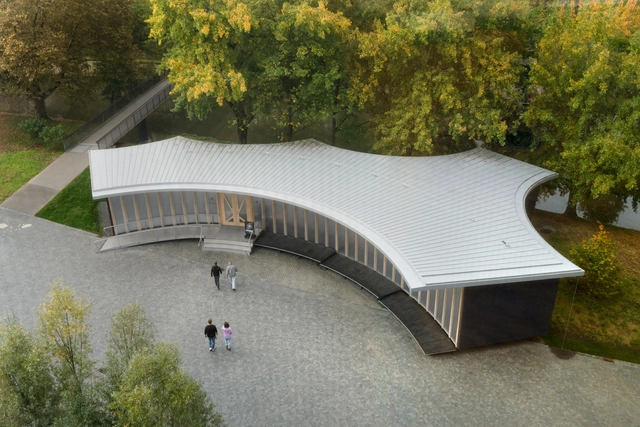
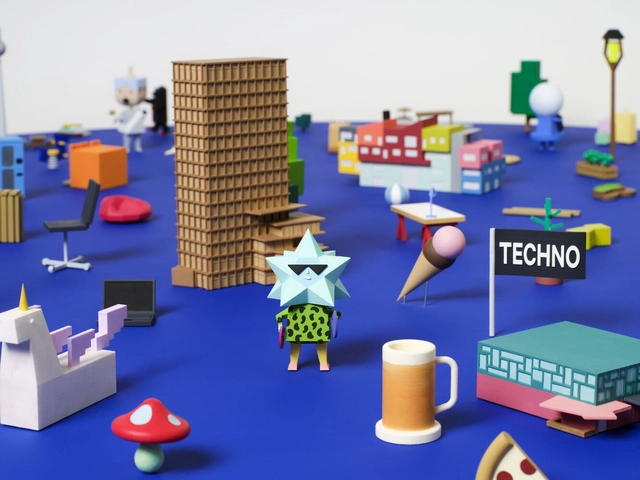
Office ParkScheerbarth, selected as one of ArchDaily's 2024 Best New Practices, was founded in Berlin in 2019 by principals Moojin Park and Benjamin Scheerbarth. Together, they create a synthesis between architecture, urban planning, and social science, drawings on cultural and educational contexts from Korea, the US, and Germany. Their work creates spaces that welcome versatility, challenges, and growth. The duo embodies a fusion of cultures, nationalities, and diverse disciplines, approaching each project from multiple perspectives and emphasizing adaptability, respect for ownership, and the continuous pursuit of knowledge and innovation. Challenging norms and regulations of the built environment, Moojin Park and Benjamin Scheerbarth share a commitment to pushing and exploring design boundaries. They met during their Master's studies in the US, where their shared vision took shape and marked the beginning of their journey together.
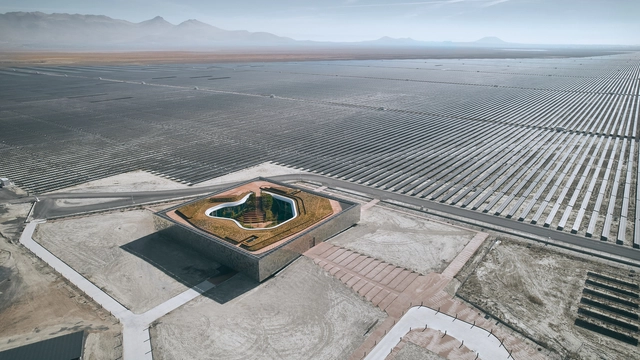
The 17th edition of World Architecture Festival (WAF) will take place at Marina Bay Sands in Singapore from the 6-8th November 2024. In addition to the unique live-judged awards programme and crit presentations, this year's event will include fringe events, an exhibition, and keynote talks from an international panel of speakers.
This week, the festival announced their short list of most innovative projects from around the globe, celebrating the best new completed buildings and landscapes as well as the most inspiring future architectural concepts, across 33 categories, ranging from residential, to transport, to retrofit. This year's finalists range from major world architects including Zaha Hadid Architects, WOHA, Renzo Piano Building Workshop, MVRDV, Tadao Ando Architect & Associates, Kohn Pederson Fox, and Nikken Sekkei, with many emerging practices also on stage competing against the big names.
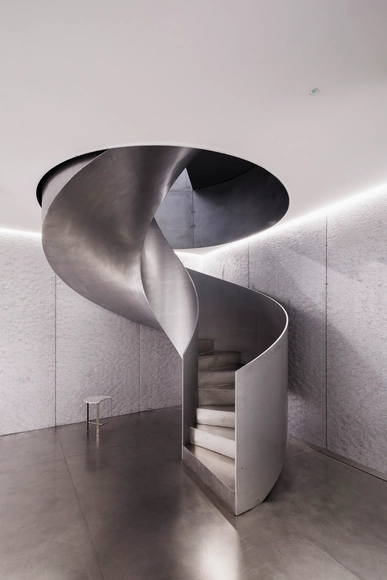
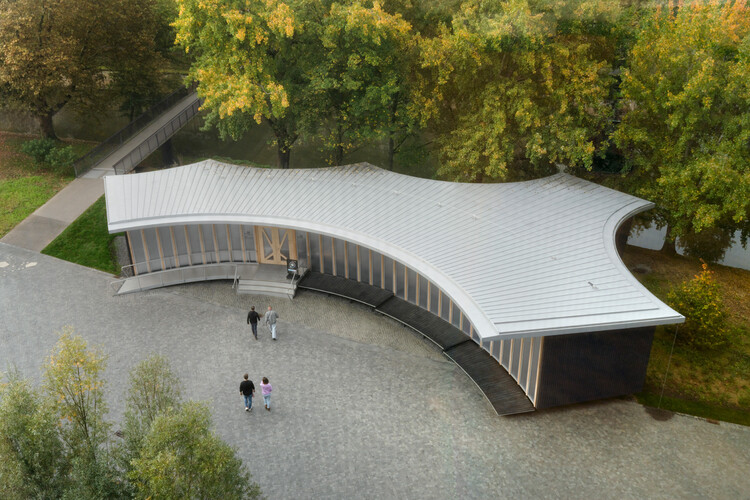
Shortly before the First World War, Harry Brearley (1871-1948), who had been working as a metalworker since he was 12 years old, developed the first stainless steel. Seeking to solve the problem of wear on the inner walls of British army weapons, he ended up obtaining a corrosion resistant metal alloy, and added chrome to the cast iron. The invention found applications in almost all industrial sectors including for the production of cutlery, health equipment, kitchens, automotive parts, and more, replacing traditional materials such as carbon steel, copper, and even aluminum. In civil construction, this was no different, and stainless steel was soon incorporated into buildings.

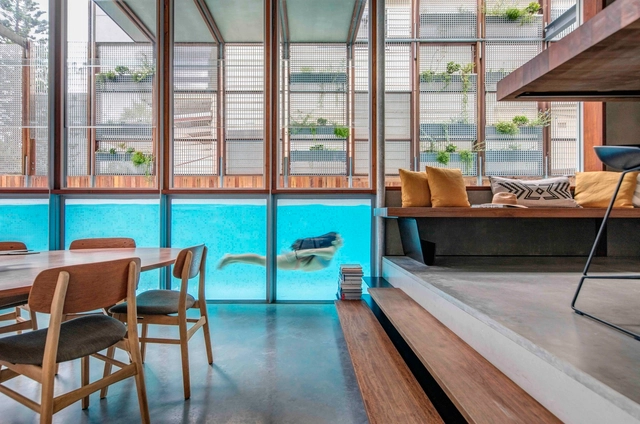
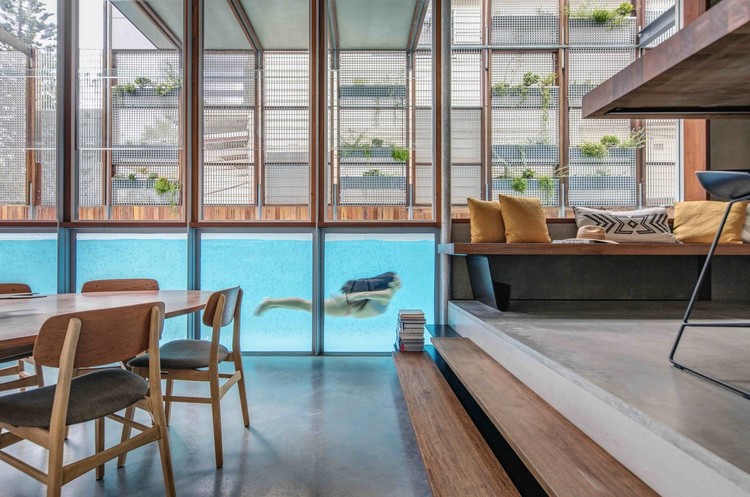
Within architecture, water evokes sentiments of calmness and wellbeing. The element has influenced design through its dynamic and fluid nature. With recent technological advances, architects have created some of the most strategic, innovative, and unexpected intersections of design and H2O.
Below, we have provided a roundup of indoor pools that highlight the application of water in different spaces, showing its relationship to materiality and use.
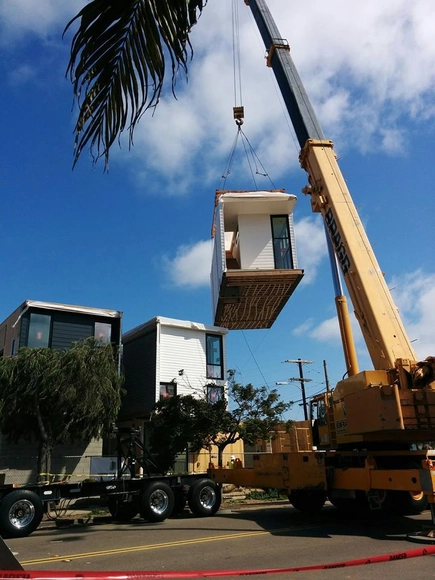
As every professional in the building industry knows, construction can be a costly and endlessly time-consuming endeavor. Delays are almost more frequent than on-time construction, and can be induced by extensive bureaucratic requirements, weather and other unexpected circumstances, inadequate planning, too few personnel, or a whole host of other causes. Lengthy construction projects can also negatively impact public perception of a project even before it has been built, especially if the projects experience delays or inconvenience those who live or work close to the building site. Moreover, some projects simply need to be built along a faster timeline than is typically feasible for a traditional construction project. Thankfully, there exists a solution for those seeking to drastically reduce construction times: modular construction.