1. ArchDaily
  2. Inclusive Design

Inclusive Design: The Latest Architecture and News

How are New Construction Materials Prioritizing Human Safety and Wellbeing?

It is expected that by 2050, the rapid depletion of raw materials will leave the world without enough sand and steel to build concrete. On the other hand, the cost of building continues to soar, with an increase between 5% and 11% from last year. And with respect to its impact on the environment, the construction industry still accounts for 23% of air pollution, 50% of the climatic change, 40% of drinking water pollution, and 50% of landfill wastes. Evidently, the construction industry, the environment, and the human race are facing several challenges that are influenced by one another, but it is the human being who is at the greatest disadvantage.

As a response to global challenges such as climate change, discrimination, and physical vulnerability, designers and engineers from across the world have developed innovative construction materials that put the human wellbeing first in urban, architecture, and interior projects.  

How are New Construction Materials Prioritizing Human Safety and Wellbeing? - Image 1 of 4How are New Construction Materials Prioritizing Human Safety and Wellbeing? - Image 2 of 4How are New Construction Materials Prioritizing Human Safety and Wellbeing? - Image 3 of 4How are New Construction Materials Prioritizing Human Safety and Wellbeing? - Image 4 of 4How are New Construction Materials Prioritizing Human Safety and Wellbeing? - More Images+ 4

When It Comes to Design for the Disabled, Let the Science Lead the Process

This article was originally published on Common Edge

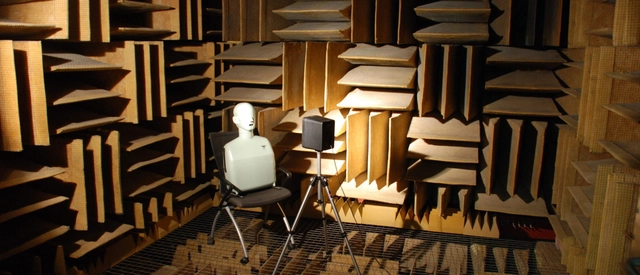
Steven J. Orfield's firm, Orfield Laboratories (OL), has spent 50 years in architectural design, research, and testing, dedicated to the premise that what matters in design is the end user, because design in the absence of user comfort, preference, and satisfaction is a failure. In this process, the firm has developed building performance standards for most commercial building types, and has now added to those standards the requirements for half of the world: people who are perceptually and cognitively disabled (PCD). The expense in doing this has been significant, but it has been one of the most important quests in Orfield's life.

When It Comes to Design for the Disabled, Let the Science Lead the Process - Featured ImageWhen It Comes to Design for the Disabled, Let the Science Lead the Process - Image 1 of 4When It Comes to Design for the Disabled, Let the Science Lead the Process - Image 2 of 4When It Comes to Design for the Disabled, Let the Science Lead the Process - Image 3 of 4When It Comes to Design for the Disabled, Let the Science Lead the Process - More Images

NBBJ is Designing a Nature-Immersed Net Zero School in California for Neurodiverse Students

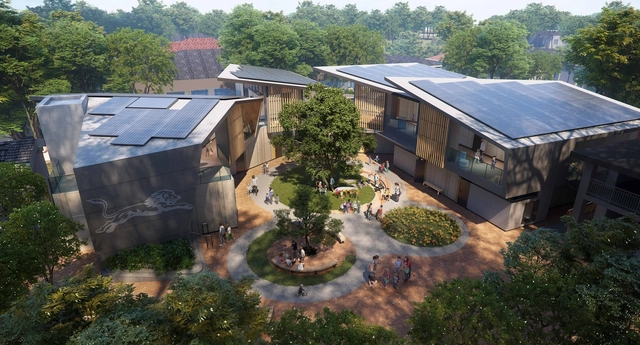
Aiming to transform the learning experience for neurodiverse students through a nature-centric environment, NBBJ has unveiled a net-zero school in Encino, California. Titled "Westmark Lower School", the new campus will foster an inclusive and engaging learning experience for students and teachers, responding to the critical condition of U.S students, where 2.3 million were diagnosed with learning differences between 2019 - 2020.

NBBJ is Designing a Nature-Immersed Net Zero School in California for Neurodiverse Students - Image 1 of 4NBBJ is Designing a Nature-Immersed Net Zero School in California for Neurodiverse Students - Image 2 of 4NBBJ is Designing a Nature-Immersed Net Zero School in California for Neurodiverse Students - Image 3 of 4NBBJ is Designing a Nature-Immersed Net Zero School in California for Neurodiverse Students - Image 4 of 4NBBJ is Designing a Nature-Immersed Net Zero School in California for Neurodiverse Students - More Images+ 4

“Thunderhead” Announced as Winning Proposal for Canada’s LGBTQ2+ National Monument

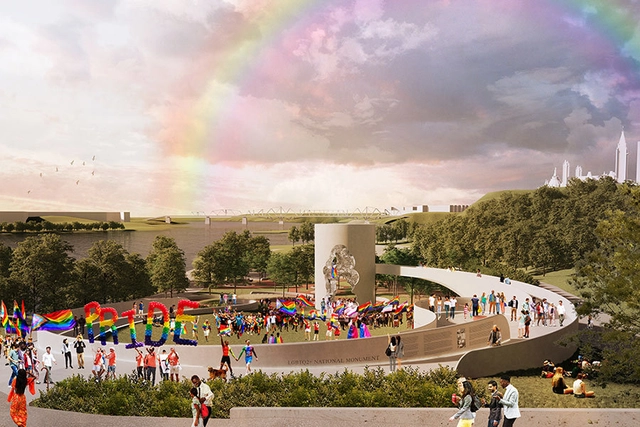
Canada’s Department of National Heritage, along with the Minister of Canadian Heritage Pablo Rodriguez, Minister for Women and Gender Equality and Youth Marci Ien, as well as the LGBT Purge Fund have unveiled “Thunderhead” as the winning concept of Ottowa's LGBTQ2+ National Monument competition. The winning design symbolizes a thunderhead cloud, which embodies the "strength, activism and hope of LGBTQ2+ communities, and will be a lasting testimony to the courage and humanity of those who were harmed by the LGBT Purge, homophobic, and transphobic laws and norms".

“Thunderhead” Announced as Winning Proposal for Canada’s LGBTQ2+ National Monument - Featured Image“Thunderhead” Announced as Winning Proposal for Canada’s LGBTQ2+ National Monument - Image 1 of 4“Thunderhead” Announced as Winning Proposal for Canada’s LGBTQ2+ National Monument - Image 2 of 4“Thunderhead” Announced as Winning Proposal for Canada’s LGBTQ2+ National Monument - Image 3 of 4“Thunderhead” Announced as Winning Proposal for Canada’s LGBTQ2+ National Monument - More Images+ 5

New Green Spaces Don’t Have to Lead to Gentrification

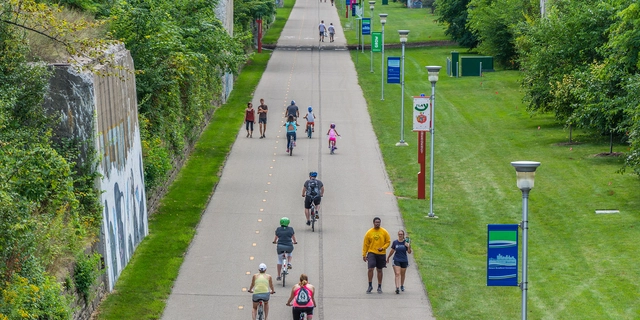
Decades of redlining and urban renewal, rooted in racist planning and design policies, created the conditions for gentrification to occur in American cities. But the primary concern with gentrification today is displacement, which primarily impacts marginalized communities shaped by a history of being denied access to mortgages. At the ASLA 2021 Conference on Landscape Architecture in Nashville, Matthew Williams, ASLA, with the City of Detroit’s planning department, said in his city there are concerns that new green spaces will increase the market value of homes and “price out marginalized communities.” But investment in green space doesn’t necessarily need to lead to displacement. If these projects are led by marginalized communities, they can be embraced.
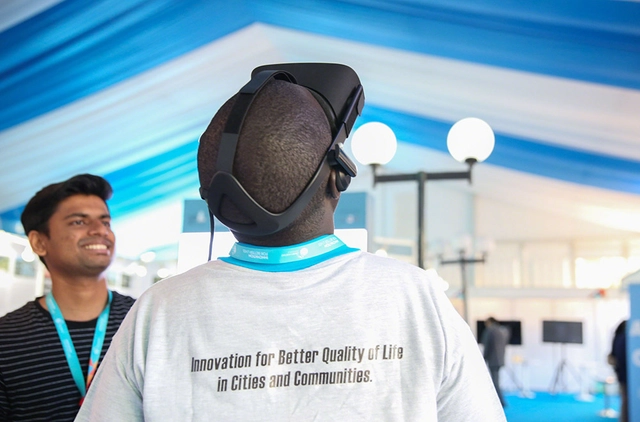
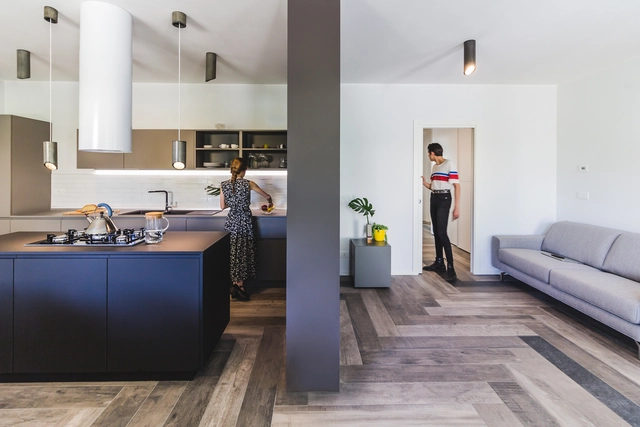
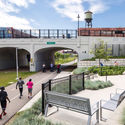
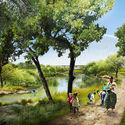
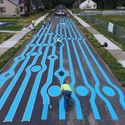
New Green Spaces Don’t Have to Lead to Gentrification - Image 1 of 4New Green Spaces Don’t Have to Lead to Gentrification - Image 2 of 4New Green Spaces Don’t Have to Lead to Gentrification - Image 3 of 4New Green Spaces Don’t Have to Lead to Gentrification - Image 4 of 4New Green Spaces Don’t Have to Lead to Gentrification - More Images+ 8

HerCity: Digital Toolbox for Sustainable, Equal and Inclusive Cities

Subscriber Access | 

HerCity is a platform that involves women in urban development, in order to make better cities for everyone. Turning the tables and putting girls in the expert position, the digital toolbox aims to create more inclusive, equal, and sustainable cities and communities. The initiative makes methods and tools available to urban actors globally, in order to support cities in integrating girls’ participation in their long-term strategies.

Launched on Women’s day 2021, the guide for urban planning and design is a collaborative effort between UN-Habitat and Global Utmaning, the Swedish independent think tank. ArchDaily had the chance to talk with the team behind this digital toolbox, discussing the narratives, the process, and inclusive planning on a worldwide level.

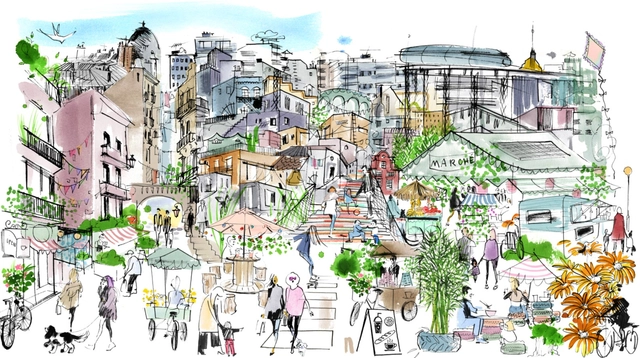
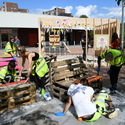
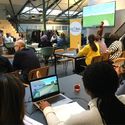
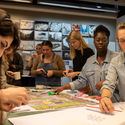
HerCity: Digital Toolbox for Sustainable, Equal and Inclusive Cities - Image 1 of 4HerCity: Digital Toolbox for Sustainable, Equal and Inclusive Cities - Image 2 of 4HerCity: Digital Toolbox for Sustainable, Equal and Inclusive Cities - Image 3 of 4HerCity: Digital Toolbox for Sustainable, Equal and Inclusive Cities - Image 4 of 4HerCity: Digital Toolbox for Sustainable, Equal and Inclusive Cities - More Images+ 13

UN-Habitat Promotes Inclusive Planning and Gender Equitable Cities Using Technology

The Un-habitat or the United Nations agency for human settlements and sustainable urban development, whose primary focus is to deal with the challenges of rapid urbanization, has been developing innovative approaches in the urban design field, in order to encourage the active participation especially of children, women and underprivileged individuals.

Architecture for the Blind: Intelligent and Inclusive Spaces for the Blind User

The design of spaces for people with visual disabilities is an important issue when it comes to talking about accessibility. Architects who adopt the principles of universal design understand that the needs of a blind client are the same as those of all people.

Inclusive design is vital in order for all users to be able to develop comfortably and to correctly understand the various functions of a space. Given the need for our cities to promote integration, we present three exemplary projects for a blind user; a house, a building and a public space.

Trends Report: Inclusive Design

As users of ArchDaily demonstrate certain affinities and greater interest in particular subjects, these topics emerged as trends. Inclusive Architecture was one of the most searched concepts on ArchDaily in 2018.