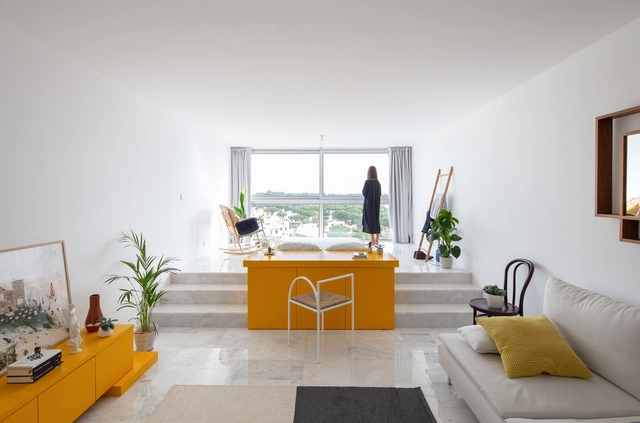
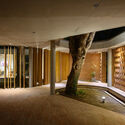
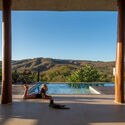
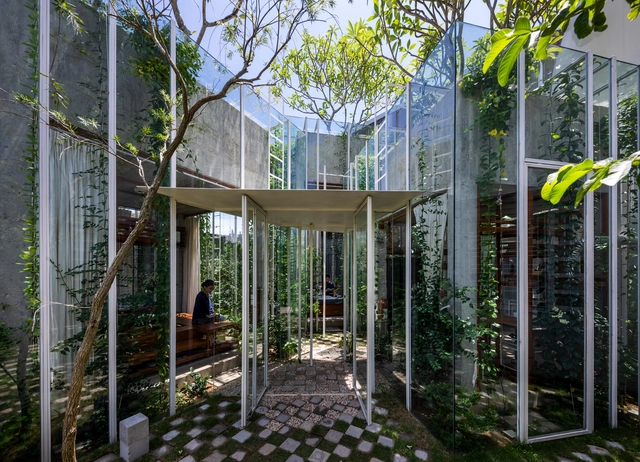
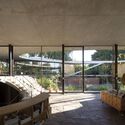
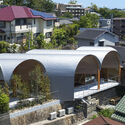
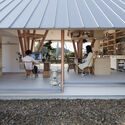
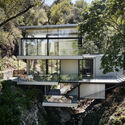
Dwellings can be understood as the most significant and primary form of architecture, as the house is intimately related to the idea of shelter, one of humanity’s basic needs. In the words of architect Mario Botta, “As long as there is a man who needs a house, architecture will still exist.” Yet, in spite of its ubiquity, or perhaps because of it, an exact definition of a home is difficult to find. Throughout history, different functions and spaces have been added and subtracted from this unit, reflecting directly the character of the society that produced it.
The list of expectations that a house has to fulfill is long and ever-evolving: to provide intimate and safe spaces where one can recharge their energy, but at the same time to allow for interaction, welcoming friends and family to join in; it is the purveyor of leisure and relaxation, but also the site of most labors of care, while also providing a small incubator for starting entrepreneurs. This tendency to demand a residential unit to fulfill multiple roles was heightened to unprecedented levels during the pandemic. Health concerns led to the closing of most workspaces, the second place where people spent most of their time, and of cafes, restaurants, cinemas, and malls, the “third places.” Suddenly, the home had to become an all-purpose space.
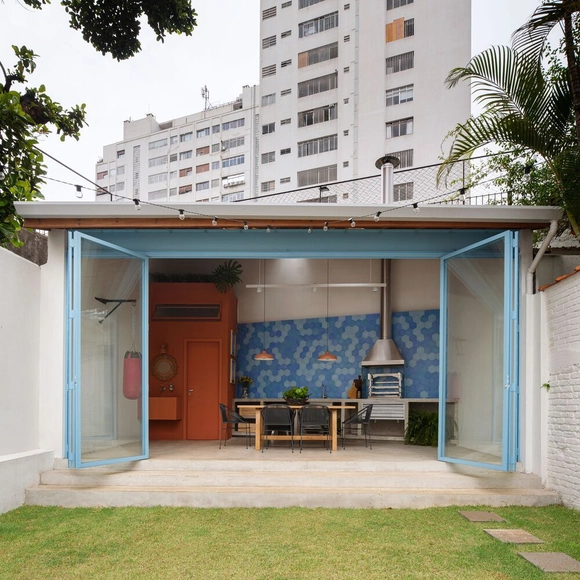
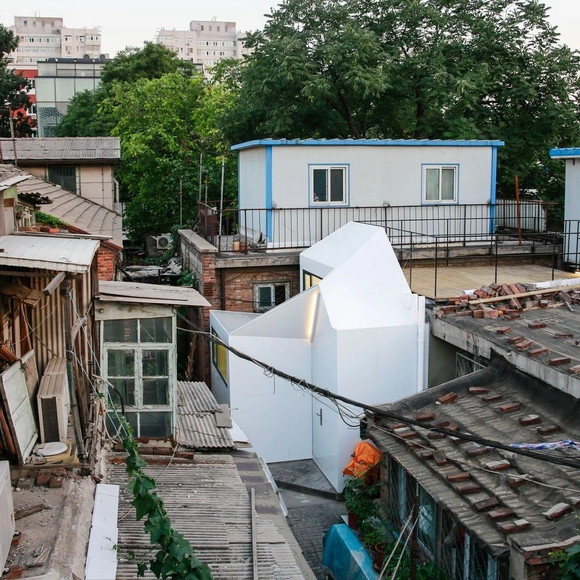
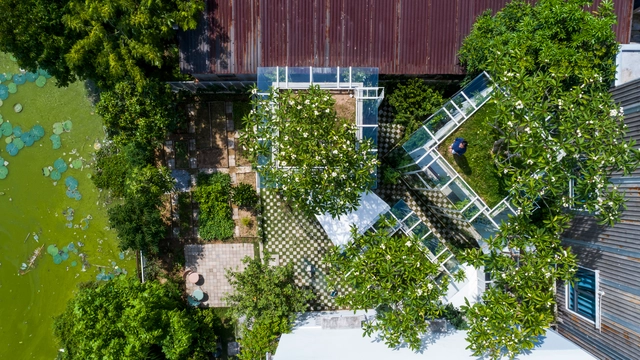
Guest rooms, BBQ areas, party areas, and even libraries – a backhouse can have many uses. Common in many townhouses, this is a unique part of a residence that presents a certain freedom regarding the main program, which can be explored both with diverse uses and through the constructive solutions employed.
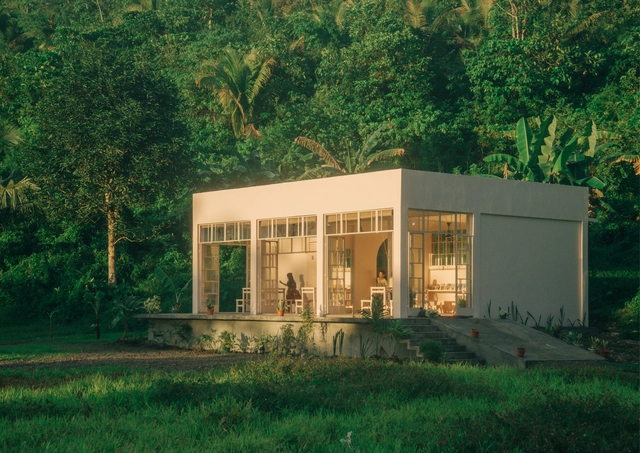
Children's Learning Center, Mas-in Village / Native Narrative. Image
Since the first civilizations, nature has been a fundamental pillar to serve humanity as a natural habitat, offering shelter, food, and medicine. In modern times, industrial and technological revolutions have taken over the landscape, reshaping the way humans interact with nature. However, today and due to the events that we have experienced as a society, it is necessary to focus on creating cities and spaces that integrate nature into everyday life.
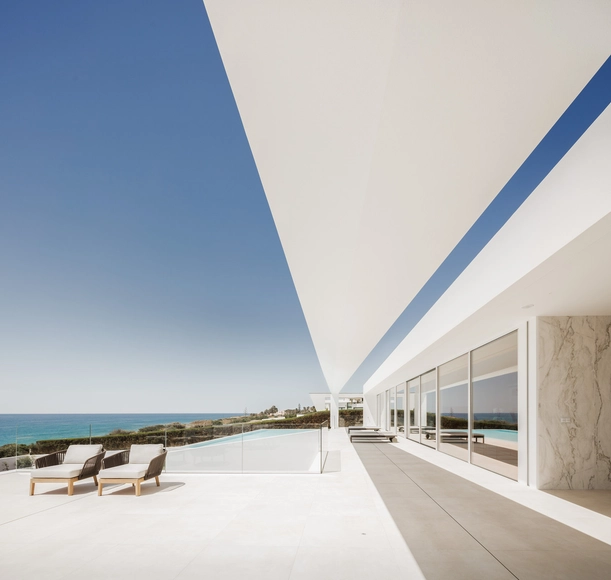
With a coastline of 832 kilometers facing the Atlantic Ocean, Portugal has a long and deep relationship with the sea, which was for many centuries considered the country's main means of communication with the rest of the world. Today, the Portuguese coast attracts millions of tourists every year from across Europe and around the world, who arrive in search of warm weather and beautiful seaside scenery. The main destinations are the southern beaches which are warmer than in the North however, the number of tourists has increased throughout the entire country over the past decade.
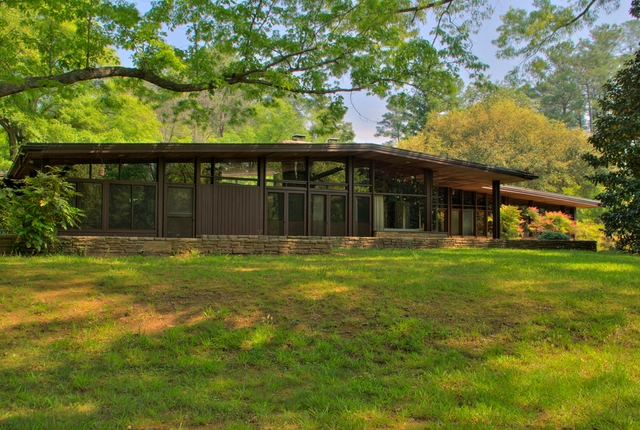
George Smart is an unlikely preservationist, almost an accidental one. The founder and executive director of USModernist, a nonprofit dedicated to the preservation and documentation of modern houses, Smart worked for 30 years as a management consultant. “I was doing strategic planning and organization training,” he says. “My wife refers to this whole other project as a 16-year seizure.” Recently I spoke with Smart about his two websites, the podcast, the house tours his organization conducts, and why documentation is such a power preservation tool.
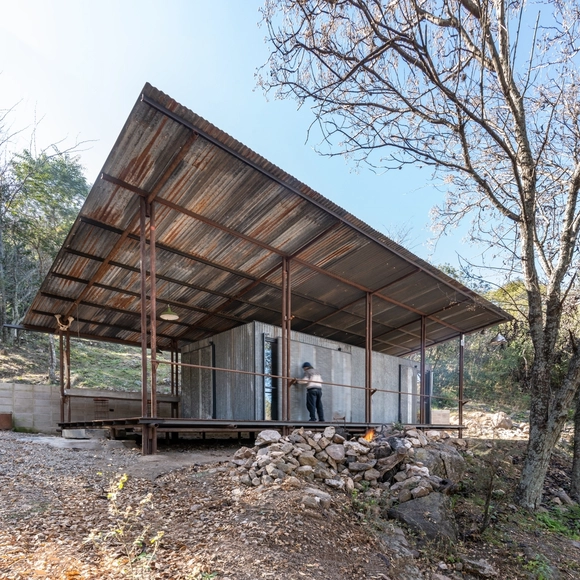
Although the circular economy involves other principles such as the regeneration of natural systems, the reuse or recycling of materials plays an important role in contributing to the reduction of waste generation by giving a second useful life to elements that could be considered waste. Wood, metal sheets, bricks, and stones, among others, can be reused, bringing sustainability and efficiency criteria to the projects, helping to consolidate this concept that still has a long way to go.
Within the Latin American territory, many architecture professionals have proposed to apply in their design and construction processes the implementation of strategies that collaborate with the use of resources, either by reusing, recycling, or restoring different materials and elements in search of satisfying the needs and concerns of those who inhabit the spaces.
In each region of the globe, vernacular constructions of the most varied kind emerged, whether buried underground, inside caves or even built with stones, wood and fabrics. Shelter solutions were based on available materials and weather conditions. The architecture arises from the development of these shelters, built to protect people from predators and the weather.
The construction solutions employed thousands of years ago have evolved and become increasingly complex but kept a common goal: dealing with the weather.
In both cases, the reduced area, simple materials and modest budget were not impediments to a virtuous architectural project that took full advantage of the qualities of the surroundings and the terrain's orientation, proving that limitations can serve as an impetus for higher quality projects.
Homes of the Future. Image Courtesy of Mossawi studios
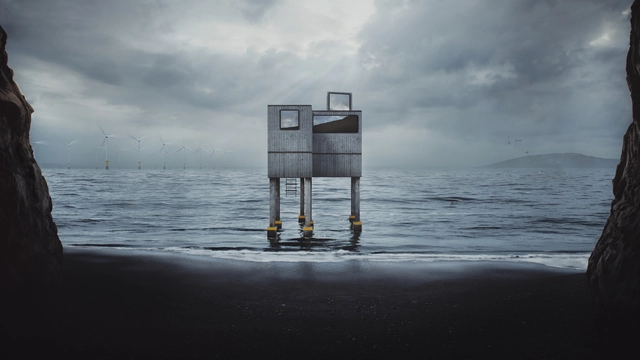
This week's curated selection of Best Unbuilt Architecture highlights visionary homes by the ArchDaily community. From a prefabricated house to supporting Ukraine war victims, a modular multi-story house highlighted during the Dutch Design Week, and a villa "shaped" by the Dubai coastline wind flow, this round-up of unbuilt projects showcases how architects move forward from the conventional residence concept to project alternative habitational standards in responding to harsh environments, nature, and technology.
After two weeks of voting in our 14th edition of the Building of the Year Awards, our readers have narrowed down over 4,500 projects to just 75 finalists across 15 categories, casting over 100,000 votes. This year's awards celebrate the very best in design, innovation, and sustainability from around the globe, with the shortlist featuring an exceptional range of projects, from a house in a favela to cutting-edge cultural centers and innovative public spaces that are sure to impress. As a crowdsourced award, we are proud to say that your selections are a true reflection of the state of architecture, and this year's finalists are no exception.
For much of the world, this past year was spent within the confines of our homes, undoubtedly blurring the lines between our public, professional, and private lives and transforming our living spaces into places of work and productivity. This transformation of spaces and how they are used is nothing new in the world of architecture as countless spaces take on various roles beyond what they were originally designed for--a fact reflected in their layout, design, and the materials used within them.
Overall Winner- Shadow Housing- Jeffrey Liu and Haylie Chan. Image Courtesy of Arch Out Loud
A home is one of the most significant architectural typologies that we experience throughout our lives. Largely serving as a significant private space, a home represents safety, ownership, and a sense of respite away from the rest of the world. It’s also historically been a place of routine, where we both begin and end our day, following the same patterns through different rooms of a home that we utilize. We can expect to sleep in our bedrooms, relax in a living room, cook in a kitchen, and eat in a dining room.
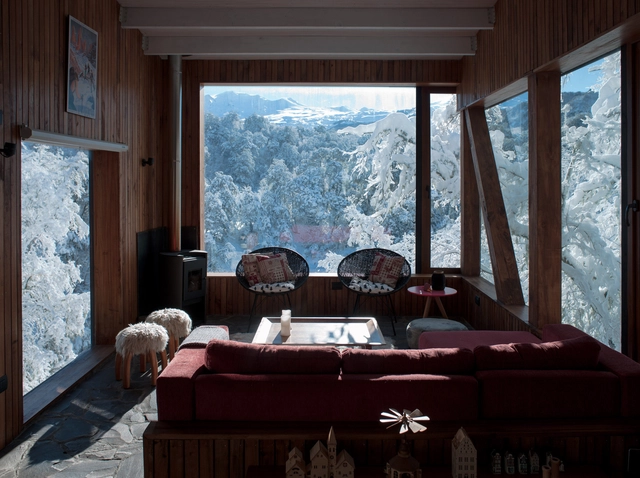
With the exception of some areas, within the three principal regions of Peru--coastal, mountain, and rainforest--the climate is characterized as tropical or subtropical and the differences in summer and winter temperatures is minimal, rarely reaching beyond 15 °C and 27 °C. This mild climate has thinned the line between exterior and interior spaces, a fact evident in the region's architecture.
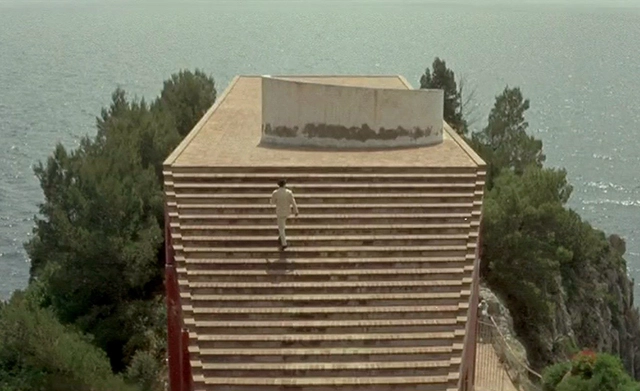
Villa Malaparte in Contempt. Image: movie screenshot
There are many ways to get to know a place. Ask a group of people who know Venice; chances are good that everyone has some mental image of the city and its canals. Once again, ask how many have already visited the Venetian capital. Few or no one may have done so. While traveling is a complete way to experience a place, it's not the only way - images of cities, areas and buildings are everywhere, from advertising to the arts, from Instagram to cinema, and they leave deep impressions on our memory and imagination.
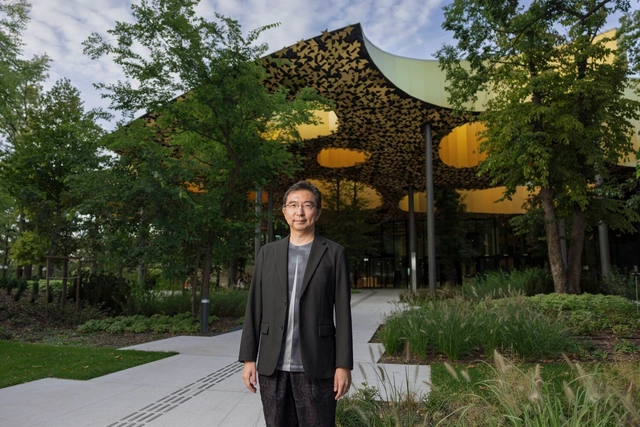
The House of Music Hungary is one of the biggest cultural investments in the European Union. Designed by Sou Fujimoto Architects, it is becoming a hub for city dwellers and worldwide visitors wishing to attend concerts, visit the exhibition or record music in the building's open studios.
ArchDaily editors first got in touch with the Liget Budapest Project in the summer of 2021 and were treated to an impressive site visit at the House of Music Hungary. We were among a few select invitees that caught a glimpse of the finishing phases at one of the city's major projects located in its 200-year-old park. Developers and contractors were racing to catch up on the time they’d missed due to the pandemic – a challenge they certainly fulfilled, with the project completed in less than six years and being opened to the public in December 2021.
One of the first decisions to be made when designing a house is where to place it on the site. Whether it's a large or small plot, house placement impacts the architecture of the building itself and its relation with the neighborhood. Therefore, it must be carefully thought out and designed.
As 2022 winds down, ArchDaily brings together the highlights of architecture in a series of retrospectives. As part of this effort, the Projects Team turns to one of the most popular categories among readers—residential architecture—with the objective of gathering the houses that represent the best of a vast world of architectural production according to our worldwide audience.
‘One House Per Day no.001-365’ collects the first 365 drawings from Andrew Bruno’s project One House Per Day, along with a foreword by Keith Krumwiede and essay contributions by Malcolm Rio, Alessandro Orsini & Nick Roseboro, and Clark Thenhaus. The drawings are high quality 1:1 reproductions of the originals, and the 7.5” trim size matches the size of the sketchbooks that the originals were drawn in. The drawings are each given a full page, with a subsequent section including a brief description of each drawing. While the drawings themselves are mute, and their descriptions relatively deadpan, the essays contemplate the place of the detached house in American culture from social, political, and economic perspectives. The book is 392 pages long and is softbound in gray recycled paper. The front cover features 365 debossed circles to represent the 365 houses; these give the book a unique tactile quality.