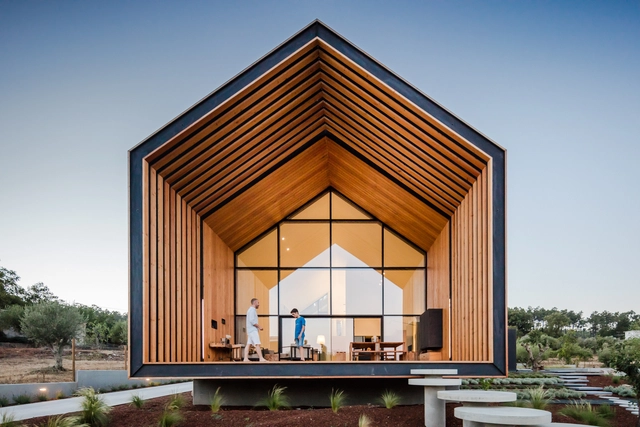
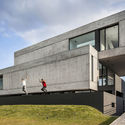
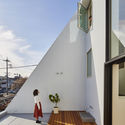
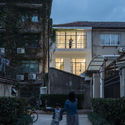
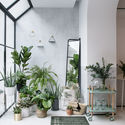
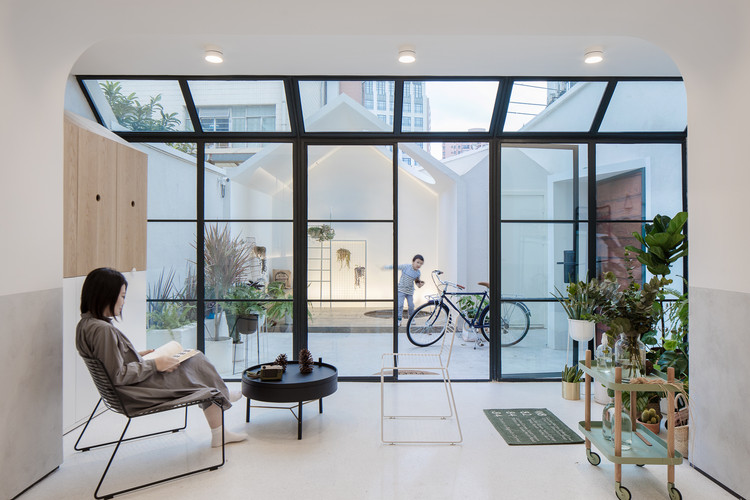
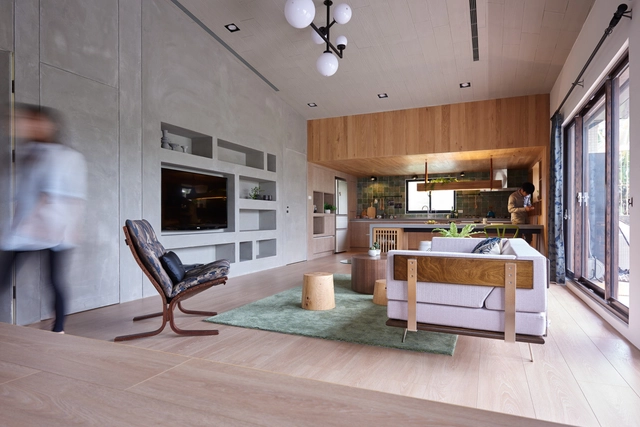
The appearance of people in architectural photography is rare. When they do show up, people are usually added to help the viewer better understand the size and design elements of a building. However, in recent times, several photographers have warmed to the idea of capturing houses with their inhabitants, showing the people who live there and how they inhabit the spaces. After the success of our previous round-up of people photographed with their houses, this week we bring you 10 more houses captured by renowned photographers such as Hiroyuki Oki, Peter Bennetts, and Ricardo Oliveira Alves.
Housing is certainly one of the most interesting themes that present itself to the architect, after all designing a residence allows the study of the usage and customs of human beings according to their culture, desires and daily life. Each project brings a new customer and, with it, an unprecedented challenge.
Through the ten selected projects, it is possible to see the inventiveness of the architects and how each work distinguishes itself from the other through the colors, geometry, relation with surroundings or even the way in which it innovates when proposing a new daily life to its inhabitants.
As part of larger ElBaseetah Suburbs for Investment and Community Development S.A.E. RTNHB project in south Egypt; RTNHB will provide an entertainment and social space among Nubian people, their visitors, and guests. Funded by ECO Group, the site will be an attractive Nubian area, a spot of social interaction, cultural dialogue, and place for entertainment in front of Philae Temple.
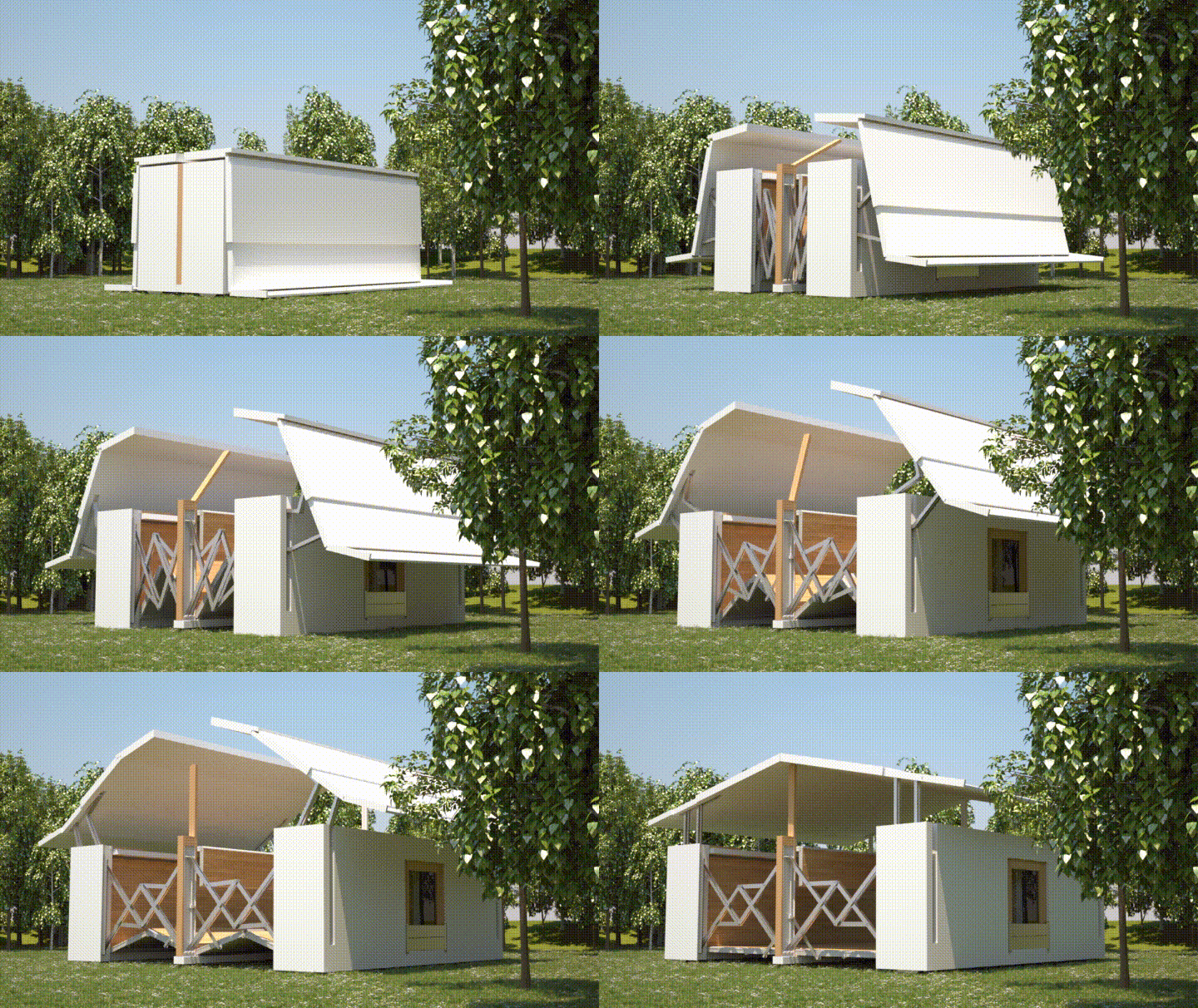
Eight minutes. That is the length of time UK-based company Ten Fold Engineering’s self-deploying structures can transform itself from a portable rectangular container into a fully habitable space that can be used for either the residential or service sector. Transported by truck, the company offers a shelter that is energy efficient, eliminates labor costs, and is highly customizable in an effort to revolutionize the possibilities of prefabrication and construction.
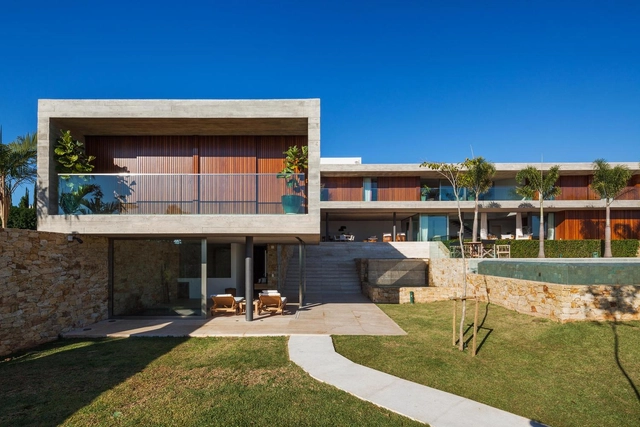
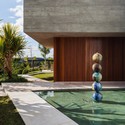
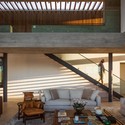
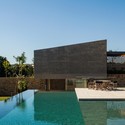
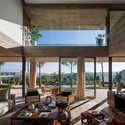
Manufacturers: AM Comercio de Mármores e Granitos, Arteal Artefatos de Alumínio, Braston, Casa & Asins Comercio de Acessórios, Cozitec, +12Demarchi & CIA, Ecofireplaces Lareiras Ecologicas, Fasa, Lumini, Luxsim, Ornare, Pedras Palimanann, SPA Versati, Segmento Ind.e Com. De Artefatos de Madeira, Solar Projetos e Construções, Solarium, Viking Range-12
The following photo set by Fernando Guerra focuses on Boa Nova Tea House, a project by Portuguese architect Álvaro Siza Vieira. Completed in 1963, it was one of the first works done by the 1992 Pritzker Prize winner. Built on the rocks that hang over the sea in Leça da Palmeira, the tea house is in close proximity to another iconic project by the same architect, the Leça Swimming Pools, both classified as National Monuments in Portugal.
Although societies have transformed through the ages, wealth never truly seems to go out of style. That said, the manner in which it is expressed continually adapts to each successive cultural epoch. As a consequence of evolving social mores and emerging technologies, the ideal of “luxury” and “splendour” sees priorities shift from opulence to subtlety, from tradition to innovation, and from visual ornamentation to physical comfort.
AD Classics are ArchDaily's continually updated collection of longer-form building studies of the world's most significant architectural projects. In these ten examples of "high-end" residences, which represent centuries of history across three separate continents, the ever-changing nature of status, power and fine living is revealed.
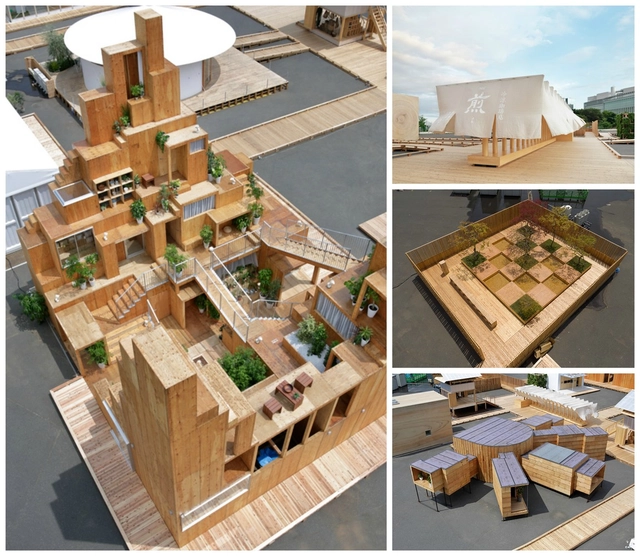
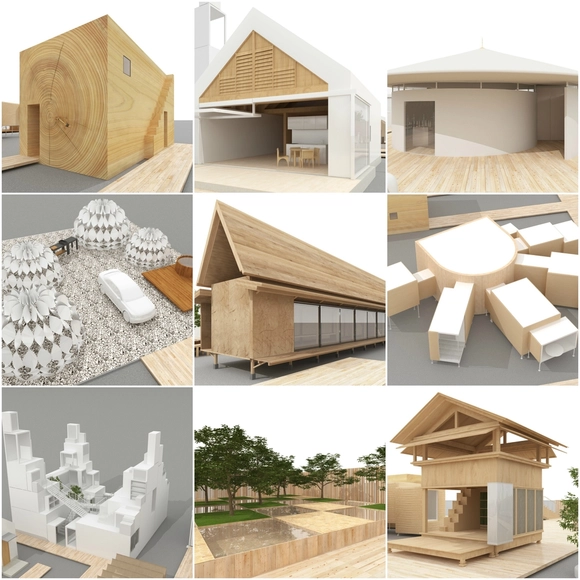
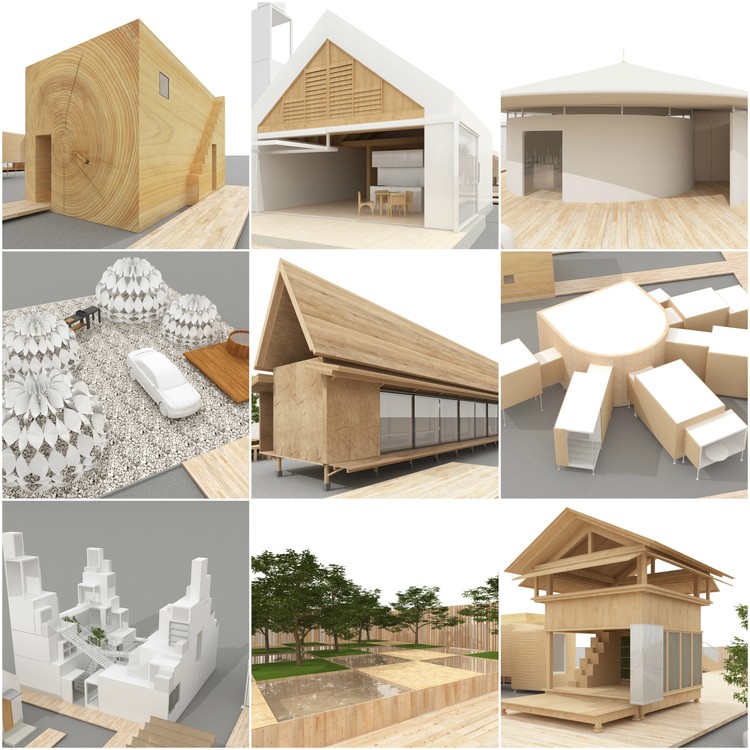
New images from HOUSE VISION Tokyo 2016 have been released as the event opened to the public this past weekend. This year’s theme, “Co-Dividual: Split and Connect / Separate and Come Together,” explores how architecture can create new connections between individuals, and the ways Japanese housing can adapt to cultural shifts through the implementation of technology.
This year’s exhibition features house designs by top Japanese architects including Sou Fujimoto, Kengo Kuma, Shigeru Ban and Atelier Bow-Wow, each paired with a leading company to envision and implement new strategies in housing design.
Continue after the break to see images from the event and the pavilions.
Following the success of the inaugural HOUSE VISION Tokyo in 2013, the exhibition is set to return again this summer under the theme of “Co-Dividual: Split and Connect / Separate and Come Together.” Once again curated by Kenya Hara, designer and creative director for minimalist housewares retailer Muji, the month-long event will tackle the objective of “thinking about how to create new connections between individuals,” as well as build upon the topics explored by its previous edition, namely the ways in which Japanese housing can adapt to recent demographic, technological and cultural shifts, and the vision of the house as the intersection between industries.
This year’s exhibition will feature house designs by top Japanese architects such as Sou Fujimoto, Kengo Kuma, Shigeru Ban and Atelier Bow-Wow, each paired with a leading company to envision and implement new strategies in housing design. The houses will be constructed at full-scale, allowing event-goers to fully experience and reflect upon each design.
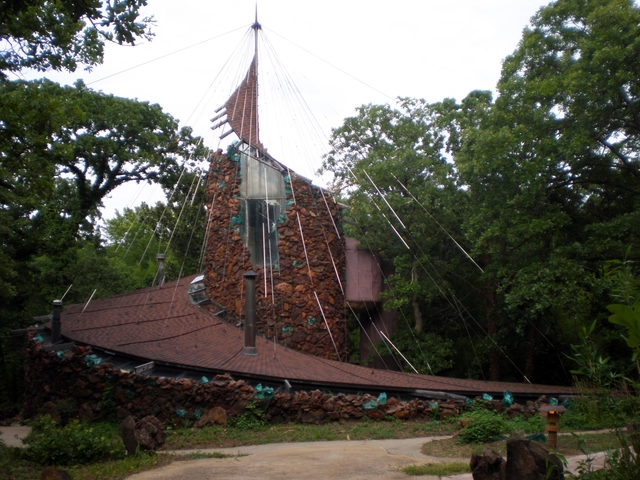
The Bavinger House is considered by many to be the crowning achievement of Bruce Goff, an esteemed architect who was once referred to by his mentor Frank Lloyd Wright as one of the few creative American architects. Its spiraling form and integration with the landscape was one of the first instances of modernist bio-mimicry.


















.jpg?1472236051&format=webp&width=640&height=580)


.jpg?1472236051)