
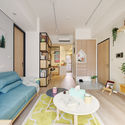
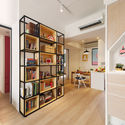
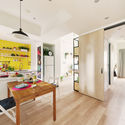

-
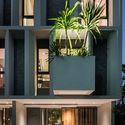
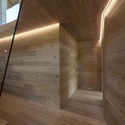
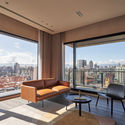
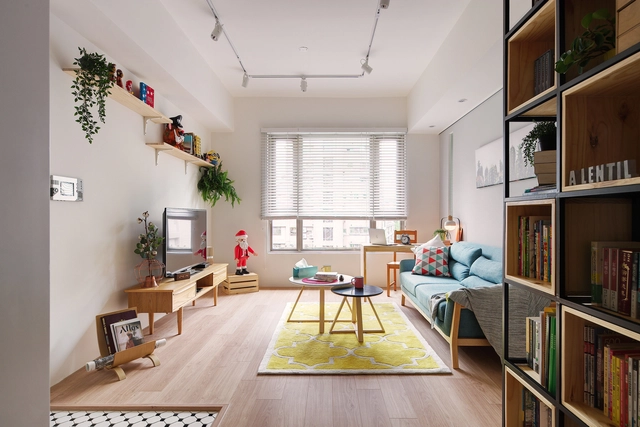
Architects: A Lentil Design
- Area: 62 m²
- Year: 2018



Home automation, or Domotics, is a set of technologies applied to a residence to control lighting, climate, entertainment systems, and appliances. Its systems allow for efficient management of energy consumption, security, accessibility, and the general comfort of the building, becoming an important issue to consider when designing, building, and living.
Domotic systems are based on the collection of data by sensors, which are then processed to issue precise orders to the executors, varying the environmental quality of each enclosure according to the needs of the user. The pace of current life and the technological advances we have experienced in recent years have led to new ways of living, motivating the design of homes and more human, multifunctional and flexible buildings. What was once a luxury is now a feasible and effective solution for all types of projects.
In this article, we've compiled a collection of smart homes where domotics have been used.

This article was originally published on March 26, 2014. To read the stories behind other celebrated architecture projects, visit our AD Classics section.
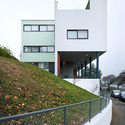
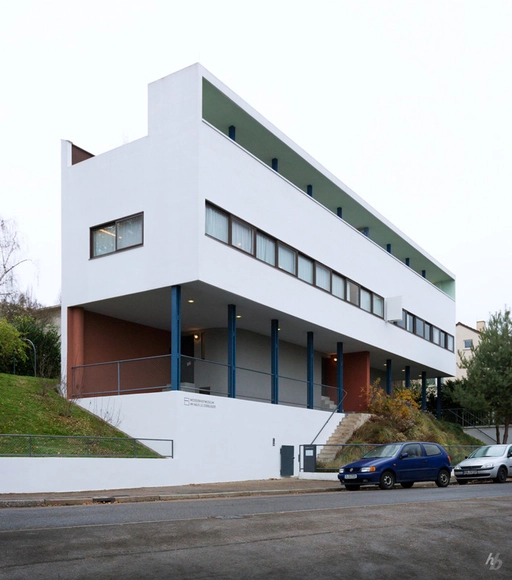
The two-family structure known as Houses 14 and 15, designed by International Style, Le Corbusier's work in Stuttgart serves as a critical prototype in the development and realization of the Swiss architect’s architectural identity, which would revolutionize 20th century architecture.

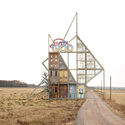
Matthias Jung's "Houses" series depicts finely stitched architectural facades against the picturesque landscapes of Northern Germany to create surreal architecture. Commencing as a childhood pastime in his father's photo lab, his passion for collaging has evolved into his career as a designer and artist.

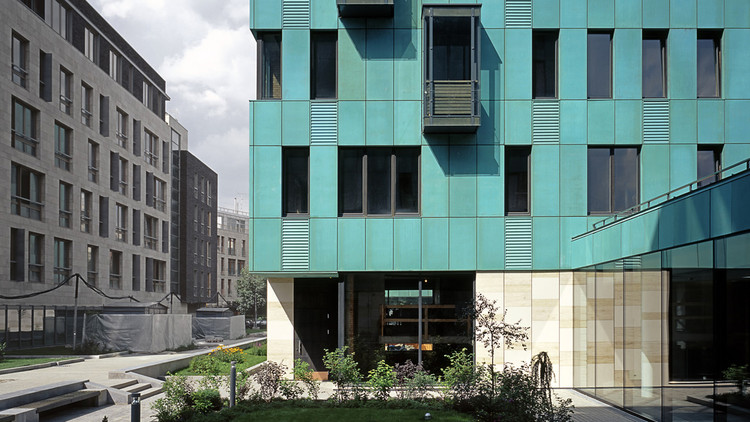
Sergey Skuratov, founder of Sergey Skuratov Architects, an award-winning Russian practice (2008 Architect of the Year), is known for his sleek and well-composed portfolio. Projects such as Copper House, Art House, and House on Mosfilmovskaya Street demonstrate his sensitivity to materiality and ability to retain his vision from concept to reality. Over the last two decades Skuratov has succeeded in producing a whole strata of world-class architecture in Moscow, far more than any other local practitioner. His projects, predominantly residential and office complexes, have remained attractive and versatile without ever veering into conservatism.
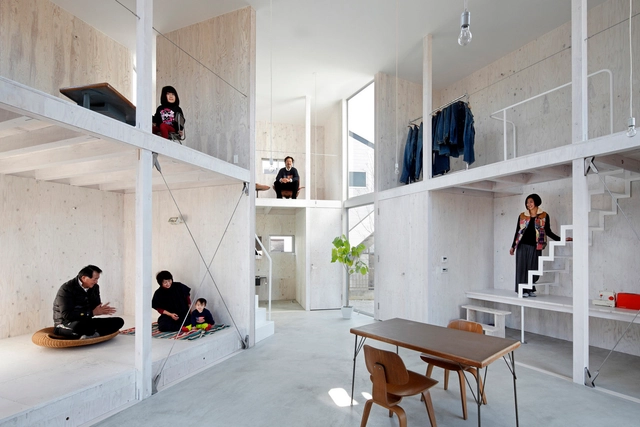
Normally, houses are divided into common areas, rooms, kitchens, and bathrooms. However, sometimes the client demands to add other programs related to their work or hobbies, making efficient design and daily spatial distribution more complex. As architects, we are faced with an interesting challenge: to merge the private life of its inhabitants with more public and open programs, generating exciting mixed-use spaces.
If you are interested in designing hybrid homes, we have selected 26 houses with additions including shops, soccer fields, barns, greenhouses, and even skateparks.

Sometimes an architect’s best intentions get lost along the way. Sometimes they get value-engineered out; sometimes they were never really there to begin with. That's where Ugly Belgian Houses comes in. The blog, run by discerning Belgian Hannes Coudenys, documents some of his home country's architectural misadventures - all with a sense of humor, of course!
Today, to celebrate Belgium's National Day, we asked the man behind the blog to select some beautiful Belgian houses. His choices - with a few words from him and the architects - after the break.


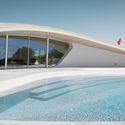
For many, summer brings a sharp increase in time spent outdoors. Whether that be a dip in the pool after a long day at work or a casual stroll to the office, the summer months are best enjoyed outside. Admittedly, there are times when the summer heat can be too intense, and A/C is needed, but why not enjoy the great outdoors while you're at it?
Architecture provides the unique opportunity to meld the comfort of the indoors with the experience of being outdoors. Selected from our project archives, these nine houses offer the perfect combination of indoor/outdoor spaces ripe for summer living.
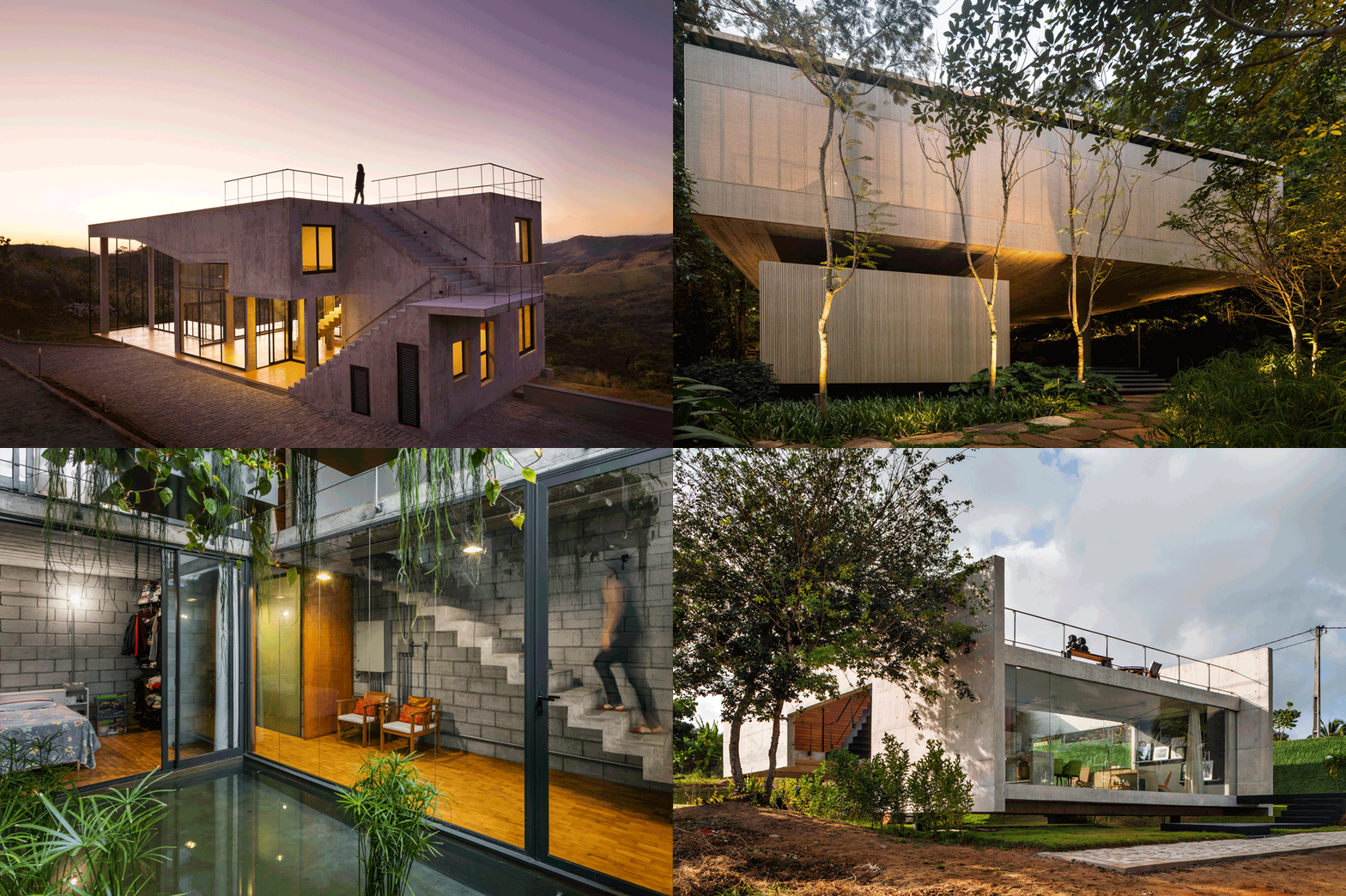
We absolutely love contemporary homes not only for their smart design but their visual appeal. Architects have a way of varying their design according to several factors such as the local and historical context, customs and cultures of users. The 10 projects below are no exception: open-floor plans, clean lines, minimal clutter, and a neutral color palette...
In a country like Brazil where all these factors vary in contrasting ways, it is possible to see a diversity of projects and architectural design approach adopted to deal with the challenge of building a residence.
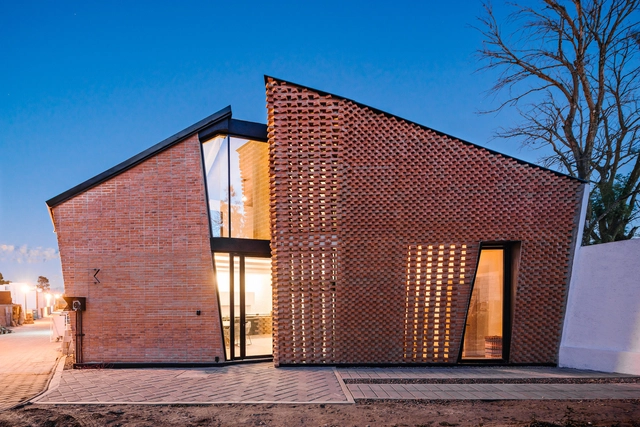
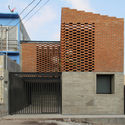
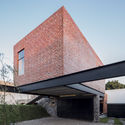
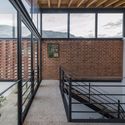
This week we present a selection of the best images of brick houses published on our site. These 11 Mexican projects reveal the diversity of expression that architects in the country have achieved through creative arrangements of the brick modules. read on for a selection of images from prominent photographers such as Carlos Berdejo Mandujano, Onnis Luque, and Patrick Lopez.
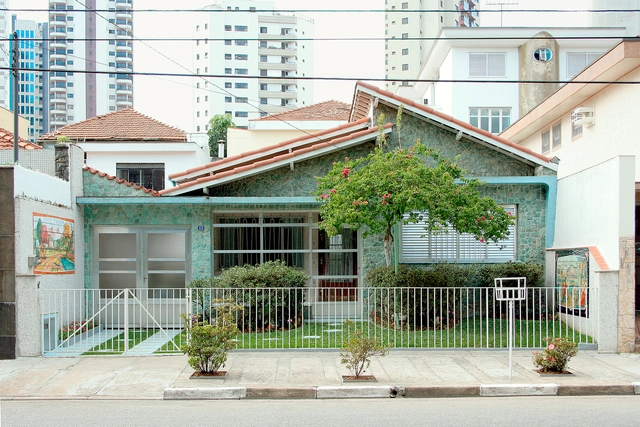
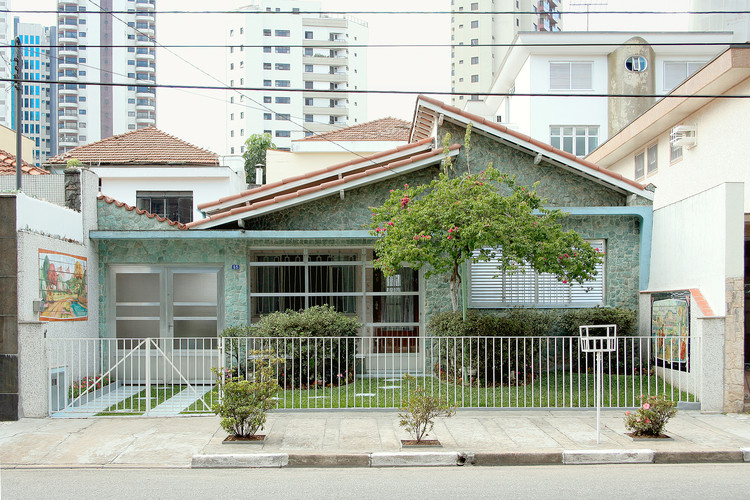
Far from the noteworthy neighborhoods that often have buildings design by renowned architects, São Paulo's houses capture the modest scale that permeates the identity of its citizens. Alberto Simon, an artist based in the city of São Paulo, photographed the remarkable details of these unassuming housing in his project titled "tamanho_M," which roughly translates to Size M.
Find out more about the project in the artist's own words and see the impressive photos below.
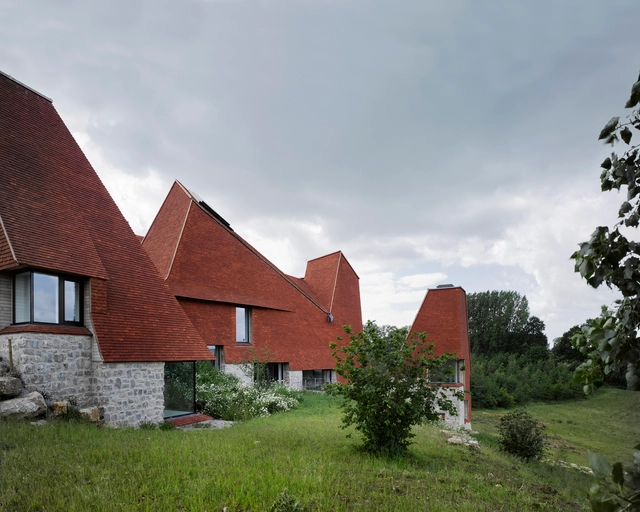
This article was originally published by Common Edge as "Why Homes Are the Original Architecture."
Homes may be the most powerful projection of architectural value. Because shelter is essential for all of us, the home is architecture’s universal function. We’re all experts on what our own home must be, to us.
But architects often have a different view of home. Twenty years ago—during the recession before the last recession—I remember hearing an architect declare that he could earn a living designing houses until “real work came along.” Another architectural meme is the classic first job: designing a house for your parents.

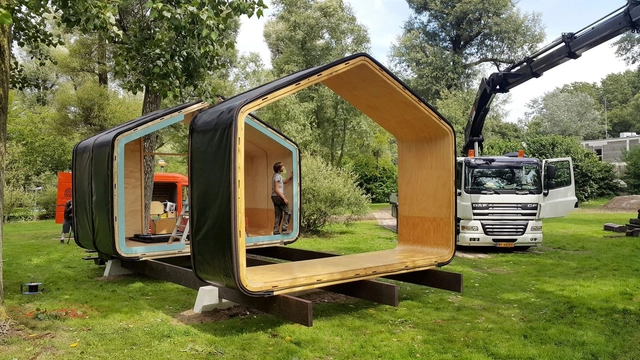
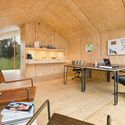
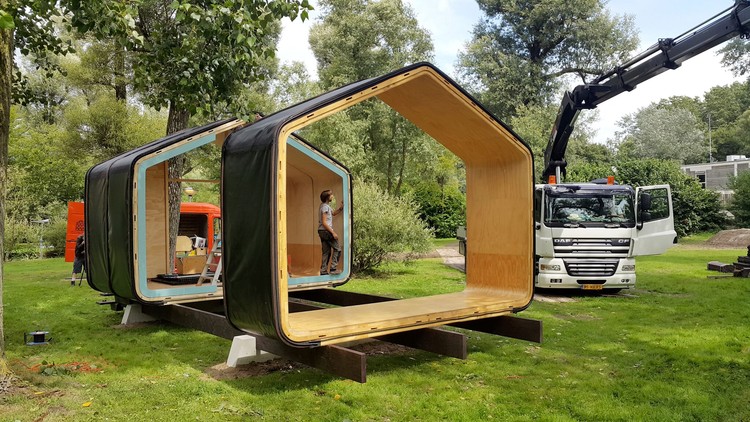
Designed and developed by Fiction Factory, a company of creative makers from Amsterdam, Wikkelhouse loosely translates to ‘wrapped house.' This sustainable modular house is uniquely created with cardboard as its main building material and is customizable in its size and function.
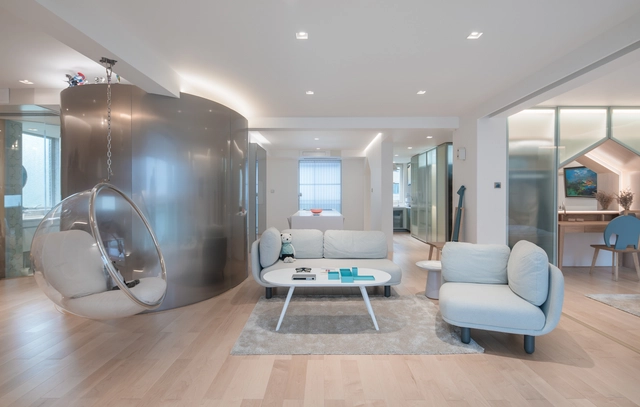
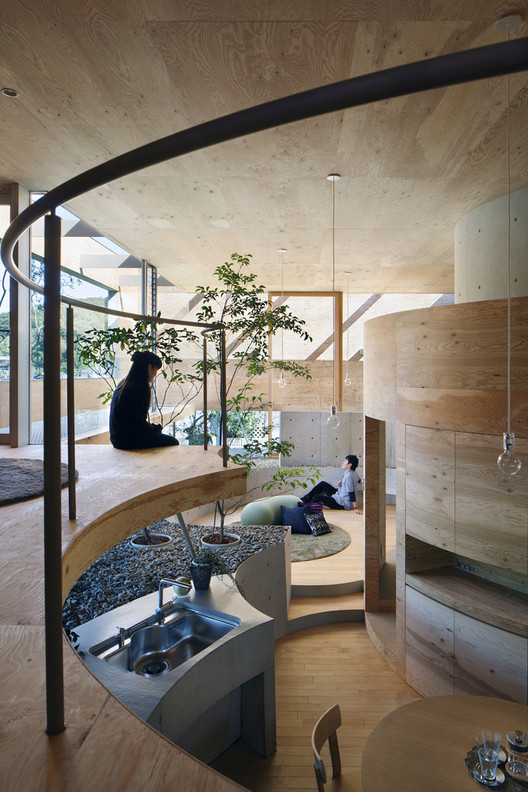
The private dwelling is a particularly favorable place in which to enjoy double-height spaces. This design strategy not only allows vertical spaces to be connected, but also enriches the functional and aesthetic possibilities of a building; often used in living rooms and kitchens, these spaces are designed to generate encounters between occupants. In this Photos of the Week selection, we present images by renowned photographers such as Kim Zwarts, Rena Lorenz, and Shigeo Ogawa.
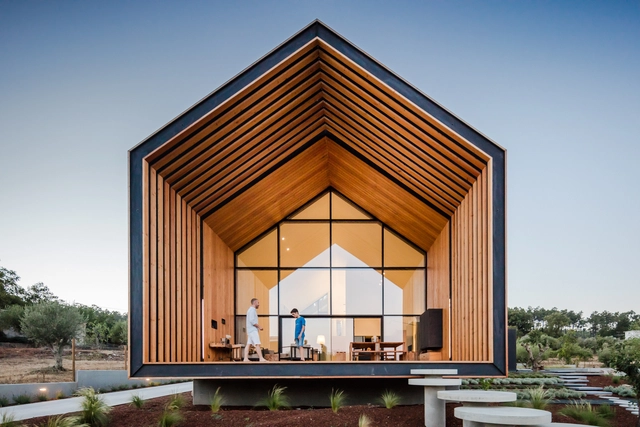
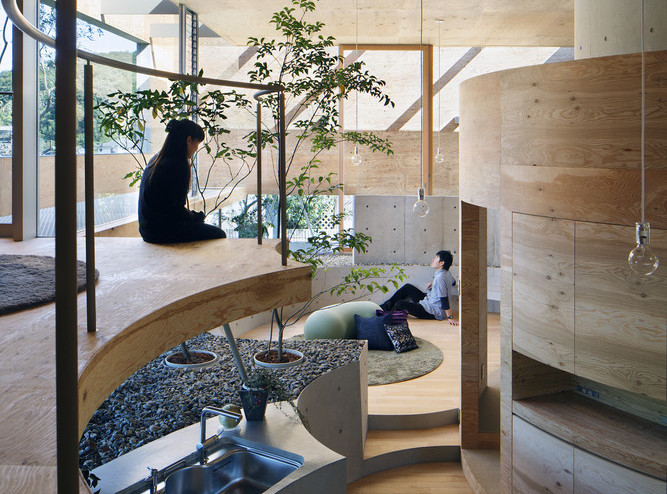
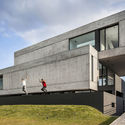
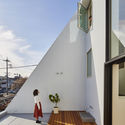
The appearance of people in architectural photography is rare. When they do show up, people are usually added to help the viewer better understand the size and design elements of a building. However, in recent times, several photographers have warmed to the idea of capturing houses with their inhabitants, showing the people who live there and how they inhabit the spaces. After the success of our previous round-up of people photographed with their houses, this week we bring you 10 more houses captured by renowned photographers such as Hiroyuki Oki, Peter Bennetts, and Ricardo Oliveira Alves.