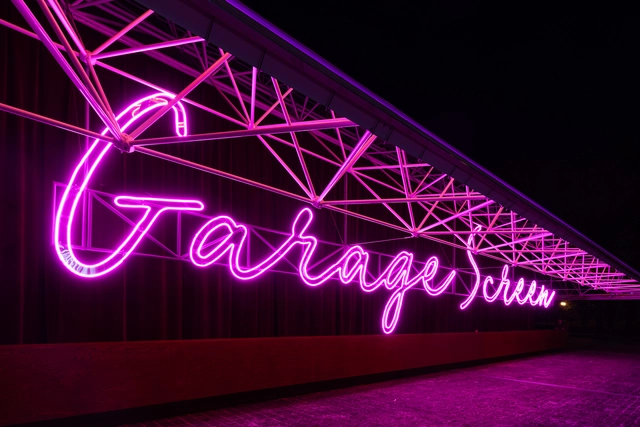
Garage Museum of Contemporary Art announces the second competition for the development of conceptual designs for 2020’s Garage Screen, a summer cinema located in Garage Square in front of the Museum. The competition’s goal is to provide architectural bureaus with an opportunity to submit their vision of a temporary pavilion to be installed in Gorky Park from spring to fall 2020. Applications will be accepted from 22 July through 16 August 2019.
"Films have been studied by architects and other professionals who are interested in the field of architecture and urbanism because they offer a more subtle and responsive perspective of our discipline," Finnish Architect and Professor Juhani Pallasmaa tells us. Through its technical and aesthetical particularities, the cinema can go beyond simple representation to be a powerful instrument for conveying ideas and concepts related to architecture and urban space.
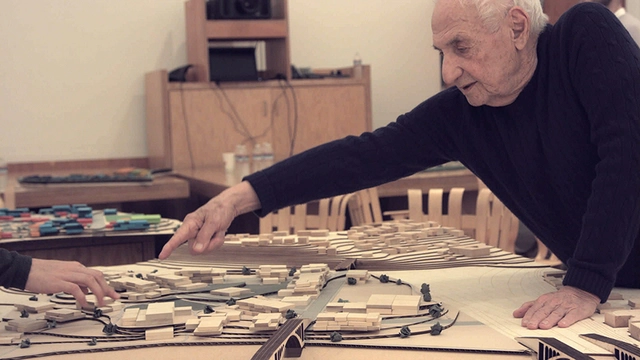
Set to screen at the ADFF:NOLA festival, Frank Gehry: Building Justice showcases how Gehry-led student architecture studios developed proposals for more humane prisons.
Thanks to initiatives like the Art for Justice Fund, Open Society Foundations, and a slew of insightful reporting, the American criminal justice system has been under great scrutiny and pressure to reform. Some of these changes have been quite prominent—such as the increasingly-widespread decriminalization of pot and pending major federal legislation—and have faced opposition from the powerful lobbying of the private prison corporations. However, despite the depth and breadth of criminal justice reform, one critically important element has remained mostly overlooked: the design of correctional facilities.
Videos
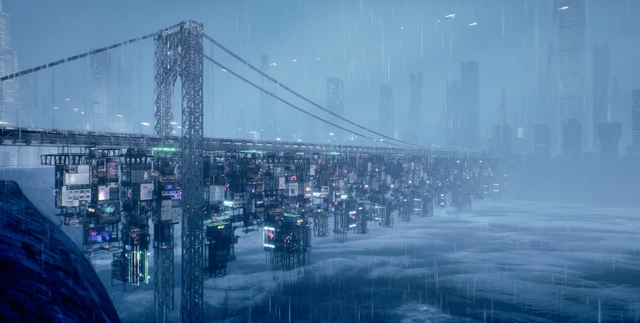
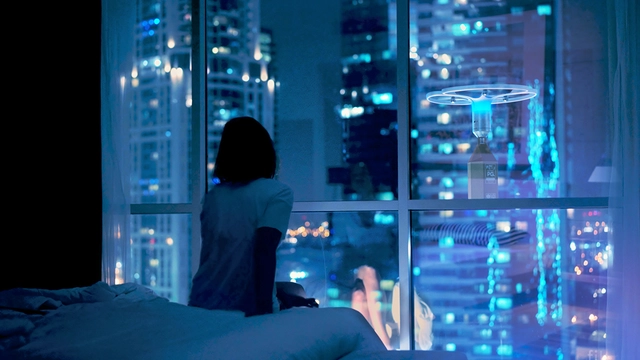
Urban Below - Still shot. Authorship: Han Wu & Studio 35mm (Hamid Khalili – University of Melbourne)
Today, the overlap of the tools and software products utilized by filmmakers and architects reinforces the historical bond between the two disciplines more than ever. In one of their design studios, Master of Architecture students at the Melbourne School of Design try to master the techniques and methods of filmmaking and employ them in their architectural films and animations.
https://www.archdaily.com/920626/students-rethink-architecture-through-filmmaking-at-melbourne-school-of-designAD Editorial Team
Etienne-Louis Boullée, though regarded as one of the most visionary and influential architects in French neoclassicism, saw none of his most extraordinary designs come to life. Throughout the late 1700s Boullée taught, theorized, and practiced architecture in a characteristic style consisting of geometric forms on an enormous scale, an excision of unnecessary ornamentation, and repetition of columns and other similar elements.
Videos
Mario Botta. The Space Beyond - A film by Loretta Dalpozzo and Michèle Volontè
Co-directed by Loretta Dalpozzo and Michèle Volontè, Mario Botta. The Space Beyond is a rare and artistic journey into the work of internationally acclaimed Swiss architect Mario Botta.
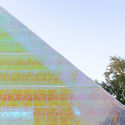
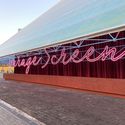
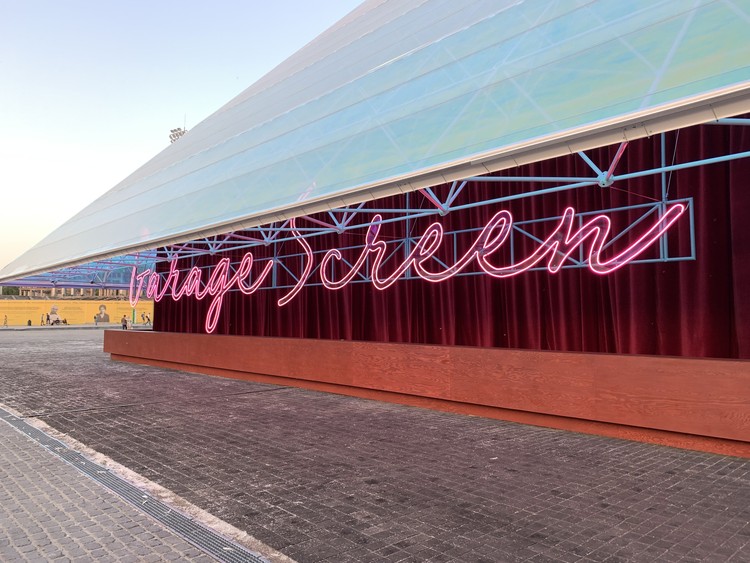
Resembling a flat-topped pyramid, the SYNDICATE architects-designed pop-up cinema invites viewers to watch films in a highly unique space in the middle of Gorky Park. While the structure is without walls, red velvet curtains create the illusion of a cozy, enclosed chamber where movie-goers can relax and allow themselves to get lost in the plot.
Lebanon-based firm JPAG has created a short architectural movie titled “Coming Back to Life” which uses an abandoned icon from the Lebanese civil war to generate a modern day fairy tale. The Burj El Murr (Tower of Bitterness) has been reimagined in a cinematic narrative loaded with emotional content and dramatic sceneries, in an attempt to generate new understandings of what an architectural concept is.
https://www.archdaily.com/917347/this-architectural-movie-uses-an-abandoned-building-in-lebanon-to-create-a-modern-fairy-taleNiall Patrick Walsh
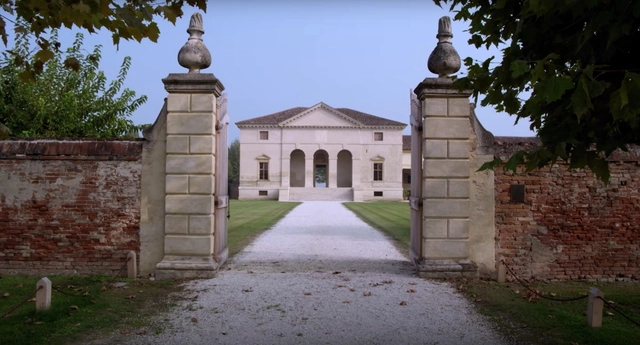
Though only the Italian screenings have officially been announced, for May 20-22, international screenings of the upcoming 97-minute docu-film are promised to be announced soon. Created by Giacomo Gatti together with Scientific Director and Co-author Gregorio Carboni Maestri, “Palladio” features well-known scholars and aficionados of Palladian architecture, including Kenneth Frampton and Peter Eisenman, discussing the great architect’s legacy.
The Architecture & Design Film Festival returns to DTLA March 13-17 at the Los Angeles Theatre Center. Presented by Pacific Sales Kitchen & Home, ADFF:LA offers a curated program of 24 films, director Q&As, and riveting discussions about architecture and design. Before the festival on March 9th, there is an opportunity to see 24 unique short films during the Short Films Walk at the Helms Design District.
Elevation by Marcus Fairs & Oliver Manzi . Image Courtesy of Architecture & Design Film Festival
The Architecture & Design Film Festival is returning this year from March 13-17 in Downtown Los Angeles. ADFF:LA offers a curated program of 24 films, director Q&As, and a series of discussions on architecture and design. The festival was created to celebrate the creative spirit that drives architecture and design. From events and films to panel discussions, ADFF has become the nation’s largest film festival devoted to architecture.
This article was originally published on July 29, 2016. To read the stories behind other celebrated architecture projects, visit our AD Classics section.
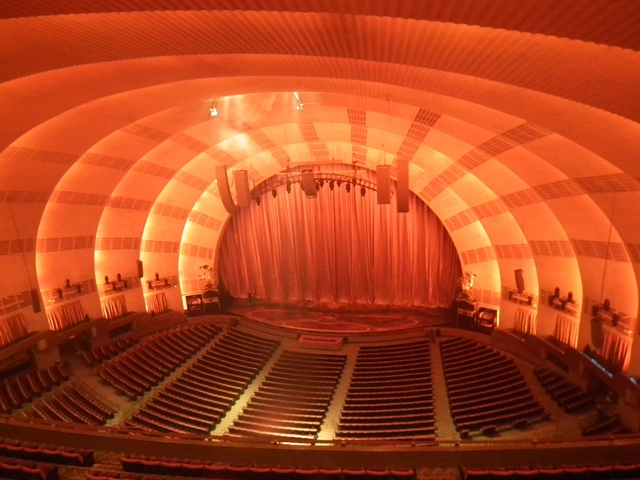
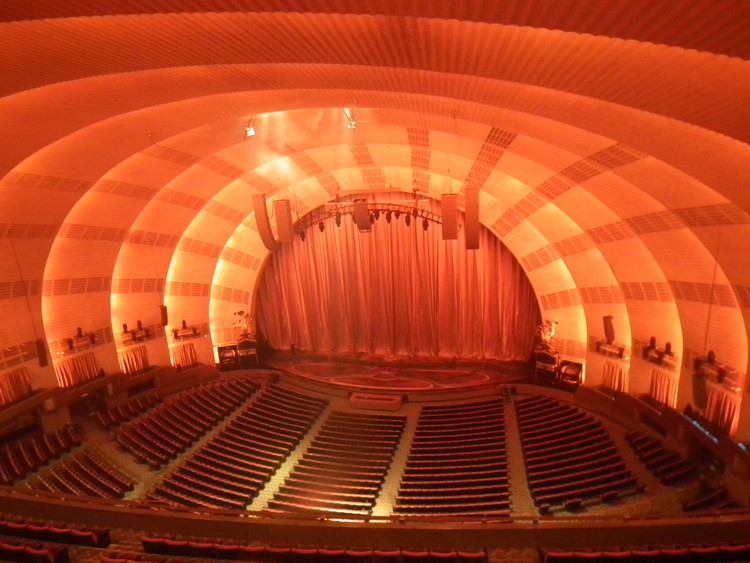
Upon opening its doors for the first time on a rainy winter’s night in 1932, the Radio City Music Hall in Manhattan was proclaimed so extraordinarily beautiful as to need no performers at all. The first built component of the massive Rockefeller Center, the Music Hall has been the world’s largest indoor theater for over eighty years. With its elegant Art Deco interiors and complex stage machinery, the theater defied tradition to set a new standard for modern entertainment venues that remains to this day.
The dominating news of the week came courtesy of RIBA and IIT, with the two announcing this year’s laureates of the Stirling Prize and Mies Crown Hall Americas Prize, respectively. Foster + Partners were awarded RIBA’s Stirling Prize for their Bloomberg HQ in London. Said jury member Sir David Adjaye, “Bloomberg is a once-in-a-generation project which has pushed the boundaries of research and innovation in architecture.” The project has been a controversial choice, with some citing the tension between the building’s massive price tag and the current UK housing crisis.
https://www.archdaily.com/903837/this-week-in-architecture-awards-seasonKatherine Allen
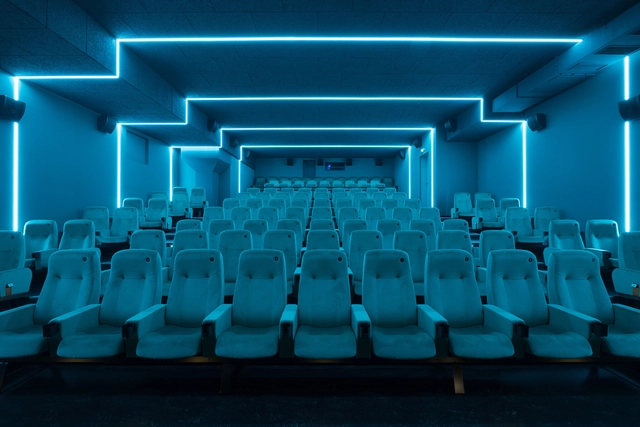
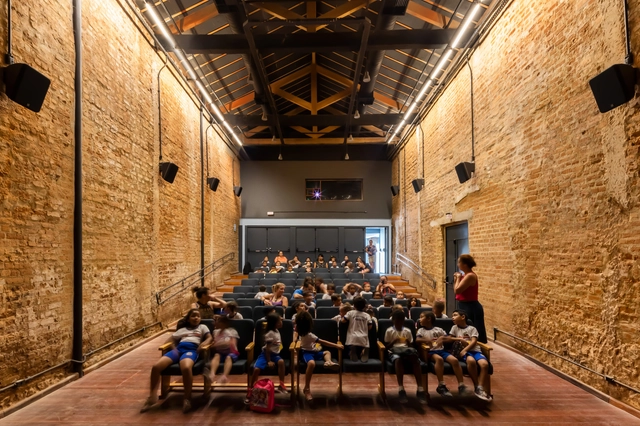
The link between architecture and cinema is unquestionable, as is the magic of seeing a film in a place structured specifically for this contemplative activity. The design requires architectural solutions that not only respond to the distribution of seats and visibility of movie-goers but also to acoustics and lighting.
Various projects published on our site highlight how architects have responded to this challenge in innovative ways. Below, stunning 10 movie theaters with their plans and drawings.
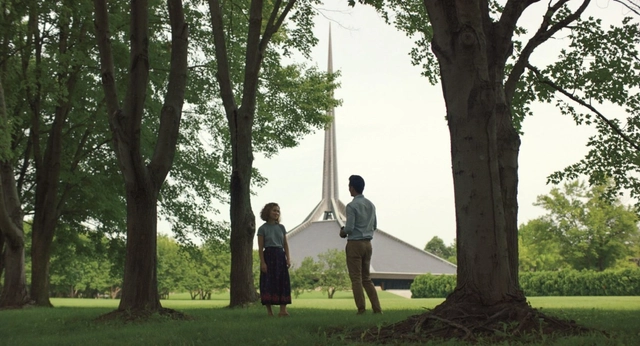
How does the built environment--whether fictitious or entirely founded in reality--impact how we experience and process film? From lesser-known indies to blockbuster movies, the ways in which architecture and the built environment inform everything from scene and setting, to dialogue and character development has far-reaching effects on the audience’s cinematic experience. Below, a roundup of everything from recent releases to classic cinephile favorites uncovers the myriad ways in which film utilizes architecture as a means of achieving a more authentic and all-encompassing form of storytelling.
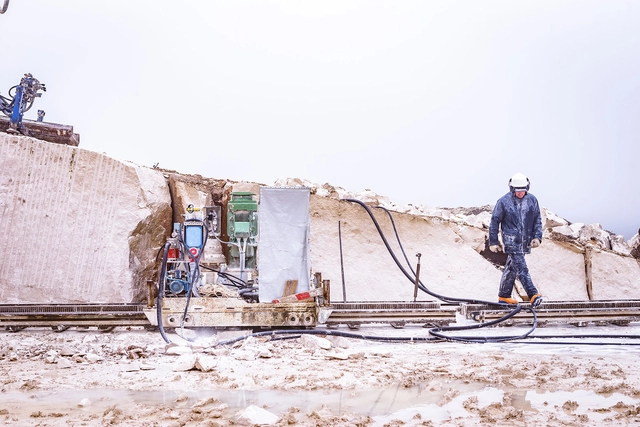
The mastery of stone is one of the most impressive features of Portuguese architecture. From the precise cut in fittings to beautiful floor designs, Portuguese architecture carries in its womb an almost born talent to manipulate one of -- if not the oldest material used in the history of construction.
In celebration of this material, experimentadesign, a research project focused on design and architecture founded in Lisbon, developed Primeira Pedra, or First Stone. This multimedia platform explores the characteristics and qualities of Portuguese stone.
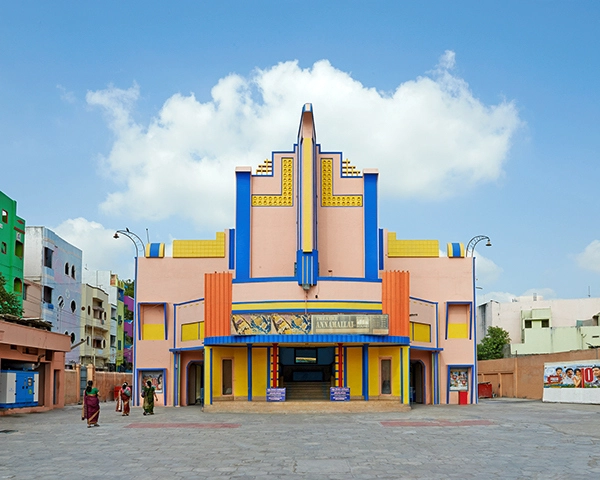
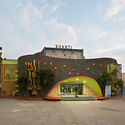
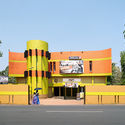
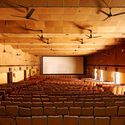
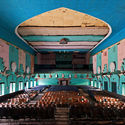
Photographer Stefanie Zoche of Haubitz-Zoche has captured a series of vibrant images showcasing the “hybrid modernist” movie theaters of Southern India. The images below, also available on the artist’s website, capture the large number of cinemas built in both rural and urban areas of South India in the 1950s, 60s, and 70s, all conveying an “unconventional mix of local building styles and Western influences."
As Zoche describes, the colorful facades, “suggestive of theatrical sets, provide a foretaste of the cinematic experience in the hall itself, in which extravagant shapes and ornamentation are continued and put the viewer in the right mood for the cinematic world before the screening itself.”



![Mario Botta. The Space Beyond [UK Premiere] - Featured Image](https://snoopy.archdaily.com/images/archdaily/media/images/5cfe/386d/284d/d16d/6a00/0bda/slideshow/open-uri20190610-14911-ab8vy6.jpg?1560164450&format=webp&width=640&height=580)


_-_after.jpg?1558111235)







.jpg?1539350633&format=webp&width=640&height=580)