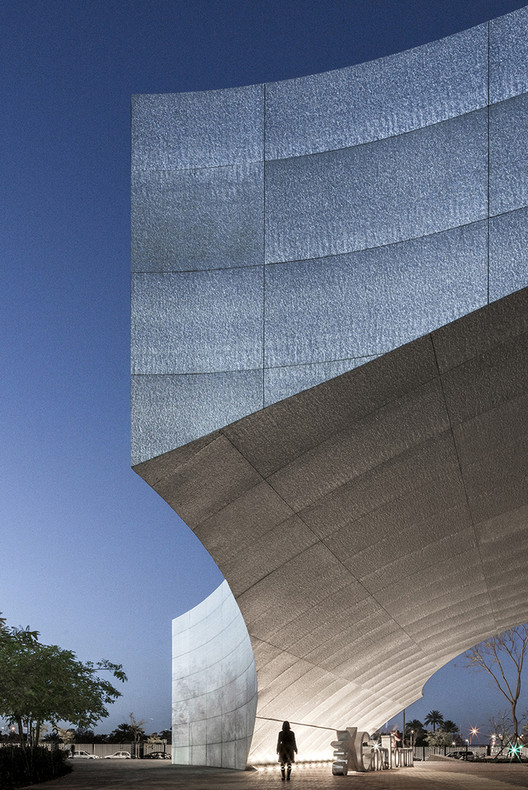
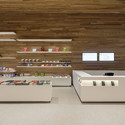
Modular coatings for facades and enclosures typically deliver fast and efficient solutions. However, many times they lack richness and character since they are repeated infinitely, without relating to the architectural design and its different functions and requirements.
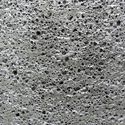
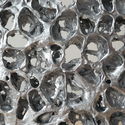
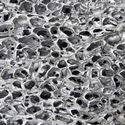
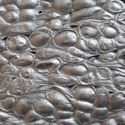
These aluminum foam panels are manufactured through an air injection process in molten aluminum, which contains a fine dispersion of ceramic particulate. These ceramic particles stabilize the air bubbles, and create aluminum foam panels which provide an interesting level of detail and variability, generating unique facades with different levels of texture, transparency, brightness, and opacity. These ultralight panels can be used as flat architectural sheets, are 100% recyclable and available in standard sized formats up to 3.66 meters long (custom longer panels also available).
Denver Botanic Gardens / Burkettdesign. Image Courtesy of Swisspearl
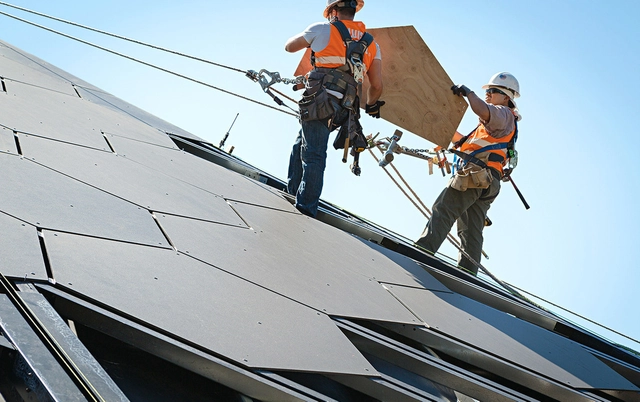
At the start, train cars stand ready with cement and bales of fibers. A machine processes the mixture layer by layer into panels of the desired size and thickness. However, some specific production knowledge must be considered in the manufacture of the building material. Marco Ziethen, Swisspearl’s head of production technology, explains us the fabrication process of fiber cement.
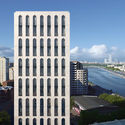
Courtesy of Tsimailo Lyashenko and Partners, by MIR
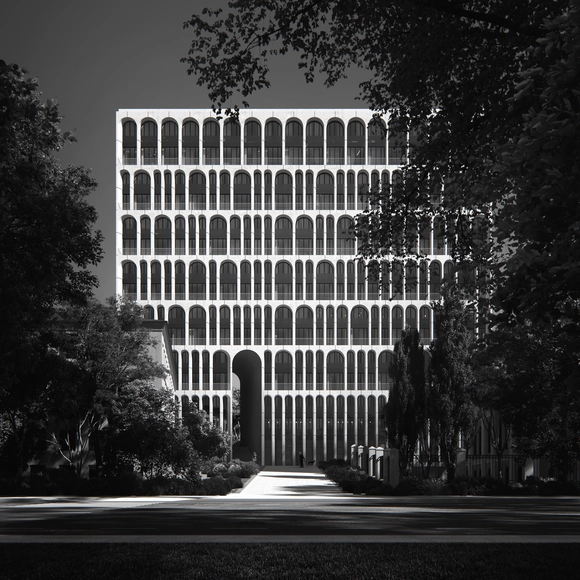
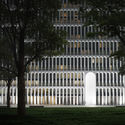
Architectural bureau Tsimailo Lyashenko and Partners have unveiled their concept for "Brodsky", a new residential building on a high-density plot in the central district of Moscow. Situated along a river embankment, the scheme seeks to create a strong functional and visual connection between itself and the surrounding context.
The 14-story scheme named after the famous Russin poet seeks to enhance the public realm by creating a courtyard with a pedestrian alley, weaving around the scheme’s arch façade to connect with the embankment. The positioning of the courtyard alley also establishes a new visual experience not currently realized: a two-point perspective from the courtyard to the river.
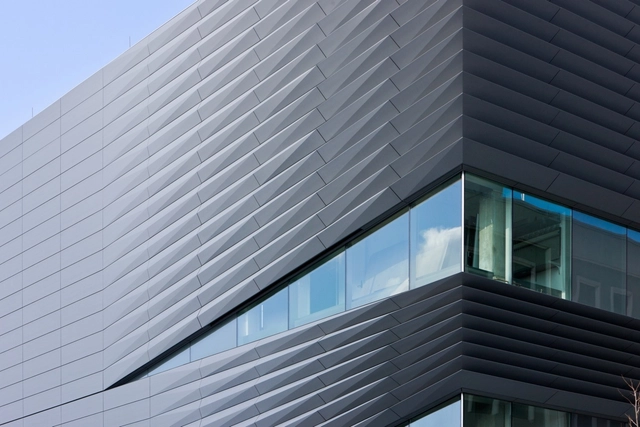
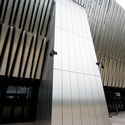
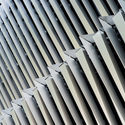
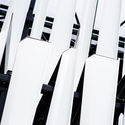
Zinc is a natural element extracted from ores. Its symbol, which appears in the dreaded Periodic Table, is Zn. Through a metallurgical process of burning its impurities (reducing zinc oxide and refining), it assumes a much more friendly appearance, and later becomes the sheets, coils, and rollers used in construction. The main characteristic of this material is its malleability, which allows it to be worked easily, allowing to cover complex forms in facades and roofs of buildings.
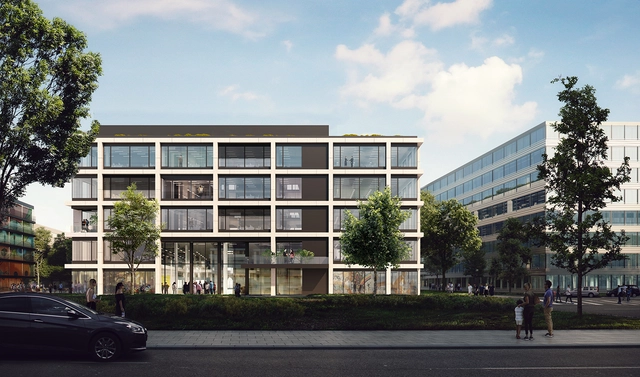
RKW Architektur + strove to represent today’s creative industry through transparent loft spaces in the design of office buildings named Alpha, Beta, and Gamma. KAAN’s facades for the buildings maintain the architectural identity while being their own distinctive elements.
Thinking about resting for a few days during the holidays? We have selected a number of LEGO® sets that are sure to relax you and inspire you so that you too can enjoy these amazing, colorful, minimalist blocks by exploring the wonderful world of architecture, engineering, and construction.
With great inspirations from Frank Lloyd Wright, Le Corbusier and Mies van der Rohe in the Architecture Series, and some of the world's most iconic works such as the Eiffel Tower, the White House, the Empire State Building, the Big Ben or the Lincoln Memorial in Monumental Series, we invite you to test your skills and be inspired by the following LEGO® Architecture guide.
New technological developments in construction have given architects great freedom when designing. Innovations in construction materials and their properties allow for the creation of increasingly original and surprising facades. The buildings constructed as a result can even inspire people to travel thousands of kilometers just to see these masterpieces. This week, we present 15 of most ground-breaking facades through photos by prominent photographers such as Paul Ott, Peter Bennetts and Laurian Ghinitoiu.
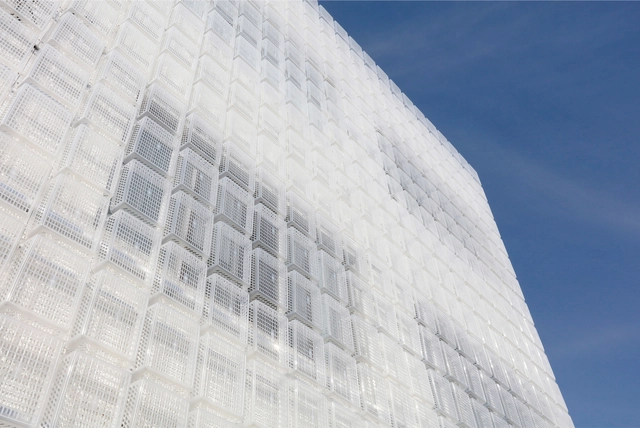
Hyunje Joo's design for a façade in South Korea is a proposal that addresses the separation between the interior and exterior with the construction of a flexible, light, and recyclable architectural element.
The project, a surface made up of 1,500 semi-transparent plastic baskets, diffuses the light and the silhouettes, while offering the ability to be reused with different configurations in different places.
https://www.archdaily.com/881513/1500-semi-transparent-baskets-to-build-a-lightweight-facadeAD Editorial Team
The Nassau Veterans Memorial Coliseum had done its duty. Opened in 1972 in Uniondale, N.Y., the Coliseum not only had honored the military sacrifice of local veterans in Long Island’s Nassau County but had served as home to the one-time American Basketball Association’s New York Nets and the National Hockey League’s New York Islanders as well as hosted major events and concerts, including performances by Elvis Presley, Madonna and Bruce Springsteen.
But after more than four decades of dedicated service, the Coliseum was showing its age and in need of a major facelift.
Whether they're pretending facade details are raindrops or peeking out of Ricardo Bofill’s La Muralla Roja, Daniel Rueda and Anna Devis introduce a unique perspective on the city. The Valencia-based duo are #couplegoals, and their Instagram accounts reveal their fun, quirky personalities and love for the built environment.
Scrolling through their feeds, viewers get a glimpse of the couple’s travels through whimsical portraits which celebrate the beauty of architecture. The adorable duo playfully interacts with their surroundings, using the city as their stage and architecture—and each—other as characters.
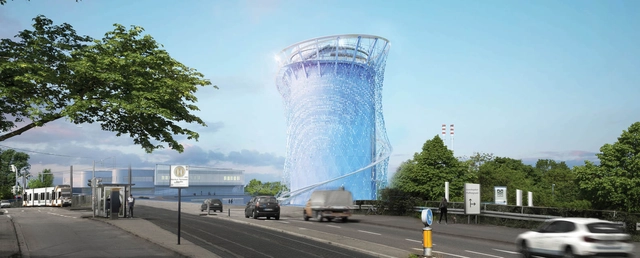
Construction has started on the redesign of an energy storage tower by LAVA (Laboratory for Visionary Architects) for Stadtwerke Heidelberg (SWH) in Heidelberg, Germany. The updated facade of the 56-meter cylindrical tower and design of an adjacent park are part of an initiative to create a sculptural landmark and symbol of sustainable energy for the city.
LAVA introduces a multi-layered facade that features 11,000 diamond shaped stainless-steel plates attached to a steel cable network that can rotate 45 degrees in the wind. According to the architects, a number of plates correlate to the number of households that will be beneficiaries of the energy. The geometries of the facade are inspired by forms found in nature.
Be seen by 1,000,000 A|N readers and Members of the A/E/C Design Community! Our Fifth Annual Best Of Design Awards is a unique project-based awards program that showcases great buildings and building elements.
The Facades+ conference series sponsored by The Architect's Newspaper is a robust dialogue encompassing all things building skin—bridging the profession, industry, academia, operations, and ownership. We’ve distilled the best of the Facades+ 2-day event into a quick-take morning forum with a strong local flair. Facades+AM is coming to Philadelphia for the first time this September. See the full program below.
Facades+AM Austin includes three sessions covering issues unique to the region, including innovative collaborations between architects and engineers, high performance envelopes, and the changing face of Austin's skyline. These well-rounded, expert dialogues will inform and inspire.
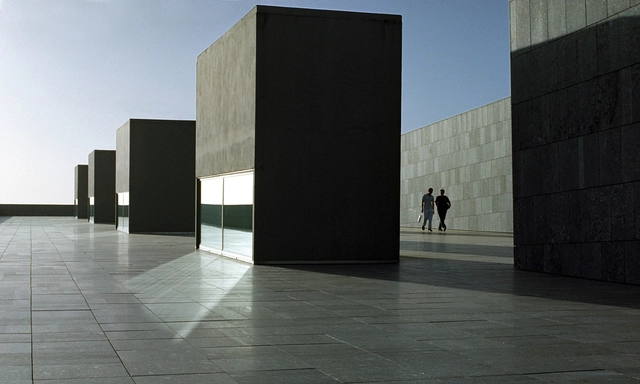
University Library of Vigo Alberto Noguerol & Pilar Diez Architects. Image Courtesy of Cluster del Granito
Rediscover a natural, unique and original material, with multiple applications for current architecture and design immovable over time, granite is a jewel of nature capable of providing exclusivity to any contemporary construction or finish. Its wide range of varieties and the incorporation of new cutting technologies and those giving a surface finish, provide us with infinite design possibilities.
Its character, beauty, high strength and excellent durability make it quite a unique material. It is undoubtedly the most advantageous architectural option in contrast to other types of products:
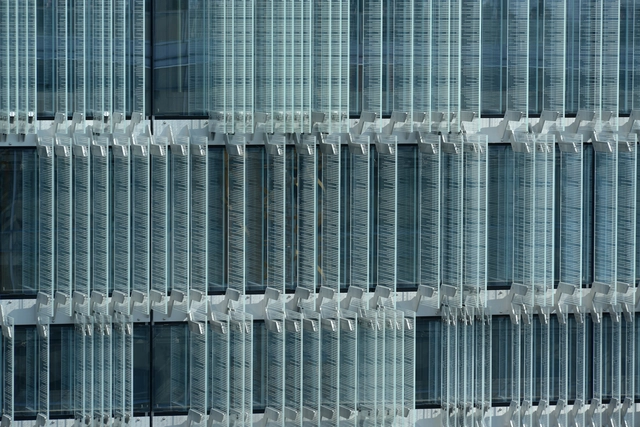
Italian firm Giovanni Vaccarini Architetti has designed the new Headquarters of the Swiss Société Privée de Gérance (SPG), built on Route de Chêne, at the gates of the historical center of Geneva. The work involved the conversion and extension of the existing building, starting with a glass façade that meets the need for solar shading in the interiors while achieving maximum visual permeability.
This façade also improves the acoustic and thermal insulation performance of the building: the double skin allows the envelope to be naturally ventilated and the perimeter ventilation system, combined with the internal forced ventilation system, reduces overall energy consumption. The steel structural elements on the façade, produced by Stahlbau Pichler (a specialist in the sector) produce a modular rhythm and the reflections on the glass shading panels give the project a particular "material weight."
https://www.archdaily.com/869374/this-building-saves-energy-with-a-pioneering-triple-layer-glass-facadeAD Editorial Team