The globally acclaimed Design Indaba Conference and Festival, first established in 1995, is a multidisciplinary platform guided by the principle of “a Better World Through Creativity”. Running at the Artscape Theatre Centre in Cape Town from 26-28 February 2020, and via simulcast in Cape Town, Johannesburg, Durban and Potchefstroom, the acclaimed event celebrates 25 years of cultural invention.
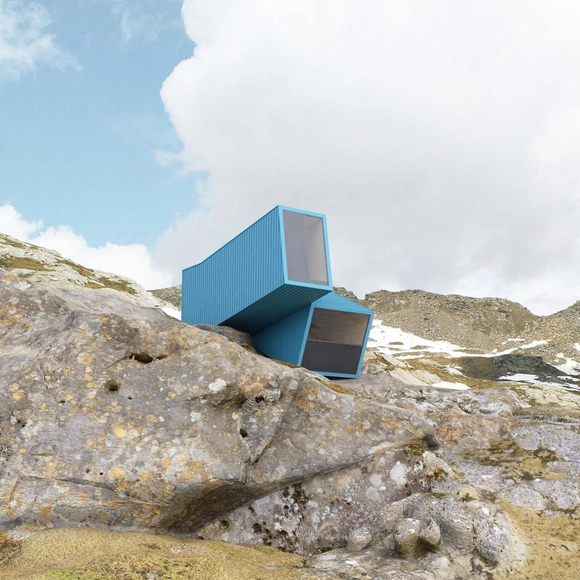
Bivacco Bredy is the title of the project designed by Claudio Araya, Natalia Kogia, Iga Majorek and Maria Valese, a young team of architects who attended the latest edition of YACademy’s course in Architecture for Landscape.
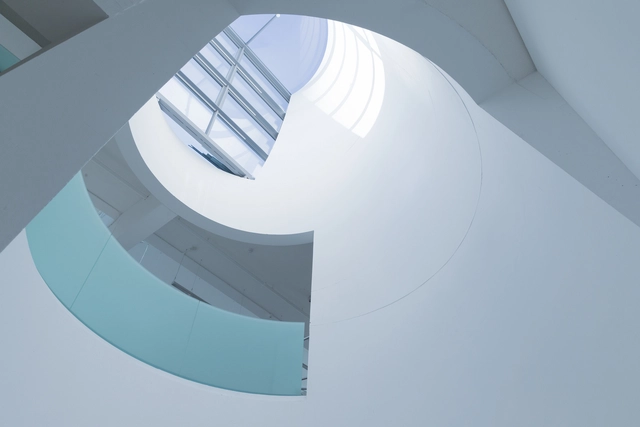
The Daylight Award 2020, a dual prize for research and architecture, is now open for nominations. The Daylight Award is a great opportunity for the global community of architects and researchers to consider and nominate their colleagues who have expertise in advancing outstanding daylight research and the unique use of daylight in architecture.
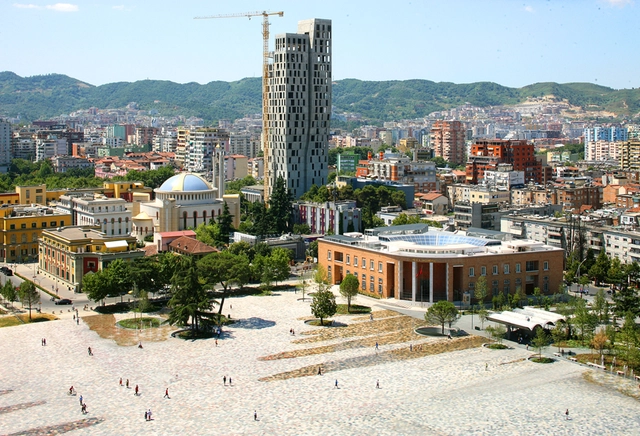
Skanderberg Square / 51N4E, Anri Sala, & Plan en Houtgoed. Image
Design trends are often the result of foreign cultural influences, avant-garde creations, and innovative solutions for people's ever-evolving needs. Although the design world seems like one big mood board, some cities have managed to outshine the rest with their recent projects.
As part of their annual Design Cities Listing, Metropolis Magazine has highlighted 10 cities across 5 continents with intriguing projects that have harmonized contemporary urbanism with traditional and faraway influences.
Once the construction of an architecture project is finished, it's time to install the claddings that will make up the visible faces of the interior spaces. Wallpaper –an efficient way to bring color and design into rooms – is generally specified according to the square meters we want to cover, so we must start by calculating the area of each surface with great precision.
This task can be easy on clear walls with standard dimensions, but it can generate mishaps or unnecessary expenses in more complex designs. We present some tips to make an estimate as accurate and efficient as possible.
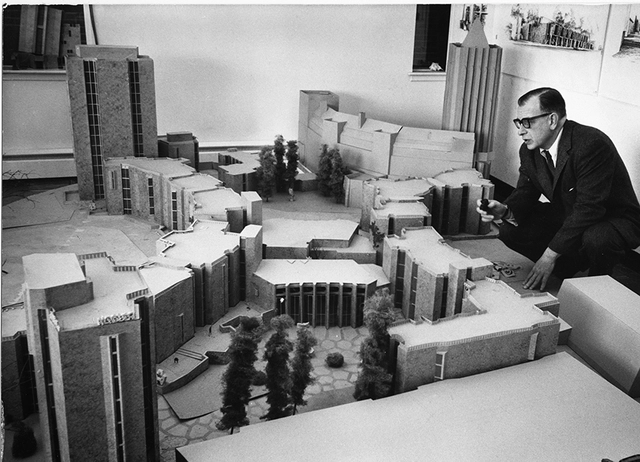
Photograph of Eero Saarinen with two Yale residential colleges. From "Living on Campus: An Architectural History of the American Dormitory". Image Courtesy of Metropolis Magazine
Modernism in Pittsburgh. Central Park. Space settlements. Interwar typography. What do these topics all have in common? They are the subjects of a new batch of architecture and design books released this past year – books that constitute Metropolis Magazine’s spring/summer edition roundup of architecture’s newest and most exciting publications.
https://www.archdaily.com/922326/new-architecture-and-design-books-to-read-this-summerLilly Cao
This article was made in partnership with Design Indaba, a website and annual festival that uncovers innovation for good. Click here to learn more about the annual event.
It took a few years and multiple failed career attempts for renowned minimalist designer John Pawson to truly enter the world of architecture. Though he’d cultivated an interest in design from a young age, he’d initially shied away due to his beliefs that he needed to be good at math and that design was an innate skill rather than something that could be taught.
Celebrate Bauhaus 100 through the world's number one visual storytelling platform, Instagram. An essential tool for designers, Instagram is a constantly growing digital database of market sharing and stimulation. Social media has changed not only how we gather precedents and market our designs, but also our designs themselves. "Instagram Culture" drives designers to create more shareable moments. As we continue to seek these dynamic encounters, let us not forget our forefathers of user experience design and the Bauhaus school.
With an academic background that includes social sciences, curatorship, and architecture, Michelle Mlati's trajectory is an interesting one; more so for the way her current work dabbles in these areas simultaneously.
Describing herself as an afrofuturist critical spatial designer, Johannesburg-based Mlati’s practice investigates elements of the city, from sustainability through to social dynamics, architecture to aural and visual cultures.
The A’ Design Award was "born out of the desire to underline the best designs and well-designed products." It is an international award whose aim is to provide designers, architects, and innovators from all design fields with a platform to showcase their work and products to a global audience. This year's edition is now open for entries; designers can register their submissions here.
In a hilarious TED talk by world-famous blogger Tim Urban, the procrastinating brain is explained using three squiggly characters: Rational Decision Maker, Instant Gratification Monkey, and Panic Monster. For most of us who procrastinate without fail, the Monkey dominates while the Decision Maker suffers. Panic Monster enters the moment a deadline looms dangerously close—and that’s when all the actual work is done, amid much grumbling, self-loathing and lofty promises of never procrastinating again. But of course, we fail to keep our promises and the wheel keeps turning!
While the internet is full of lists and guides on how to stop procrastinating, for quite a lot of people, those somehow just don’t help at all. And while deadlines, as Urban points out, work for some in terms of getting the work done sooner or later, “long-term procrastination” affects those who must set their own deadlines—think business owners, PhD students, or freelancers. So, how do you get yourself to stop? You don’t! What you need to master is John Perry’s concept of “structured procrastination”—the same concept that Piers Steel earlier explained as “productive procrastination.” Read on for some advice gleaned from pro-procrastination literature.
https://www.archdaily.com/883297/how-to-use-structured-procrastination-to-get-the-best-out-of-your-bad-habitsZoya Gul Hasan
The Cooper Hewitt Museum, also known as the Smithsonian Design Museum, has completed a digitization of its expansive collection dedicated to the field of design that spans thirty centuries and more than 220,000 objects. Now, the collection has been made available on its online page.
Unfortunately, I think that there is a big uniformity all over the world that makes everything very, very similar and very impersonal – very little imagination, I think. I guess it resembled me, this house, somehow.
This video from NOWNESS’ In Residence series features Swiss furniture designer Mattia Bonetti in his home on Lake Lugano. Bonetti is based in Paris but maintains this home in his birthplace: Lugano, Switzerland. Designing furniture since 1979, Bonetti is known for his vibrant designs, often full of historical allusions and in contrast to his subdued persona. In the video, the artist and designer mention that some of the home’s accessories were handmade by Bonetti himself.
Continue reading to learn about Bonetti's inspirations in restoring and adding to his lakeside home.
If you ever have those moments where you take a step back from your life and feel like you’ve suddenly fallen into a scene from a movie, you may appreciate the subreddit/r/AccidentalWesAnderson. Director, producer, screenwriter, and actor Wes Anderson is well known for creating scenes in his films that blur the lines between the real and the unreal. His extreme symmetry and restricted color palettes can often give the impression of a surreal, self-contained world. The purpose of the Accidental Wes Anderson subreddit is for users to post photos of real-world architecture and scenes they’ve stumbled upon that look like they could be stills from one of Anderson’s movies, with Redditors finding Anderson-esque scenes around the globe in everything from bathrooms to staircases to city streets. Even a viewer unfamiliar with Anderson’s films can browse the collection of photos and easily understand his aesthetic. Below is just a small selection of some of the most evocative photos to be found on the subreddit.
Brazil-based architects Estudio Guto Requena, working with digital product studio D3, has launched an app that collects emotions to create a unique piece of jewelry. That, and some 3D-printed craftsmanship direct from the design you generate via their new app. Coined the Aura Pendant, the final product is an intricately woven golden pendant that can be gifted to yourself or a loved one.
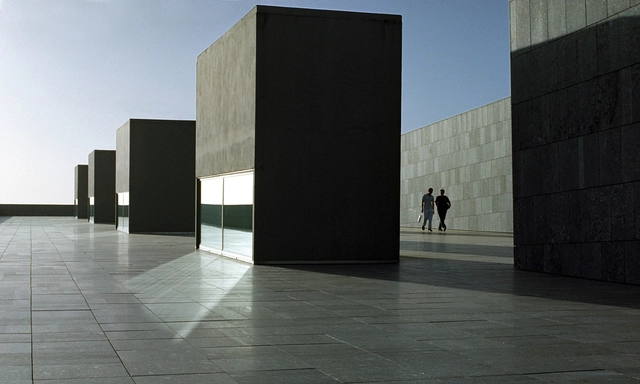
University Library of Vigo Alberto Noguerol & Pilar Diez Architects. Image Courtesy of Cluster del Granito
Rediscover a natural, unique and original material, with multiple applications for current architecture and design immovable over time, granite is a jewel of nature capable of providing exclusivity to any contemporary construction or finish. Its wide range of varieties and the incorporation of new cutting technologies and those giving a surface finish, provide us with infinite design possibilities.
Its character, beauty, high strength and excellent durability make it quite a unique material. It is undoubtedly the most advantageous architectural option in contrast to other types of products:
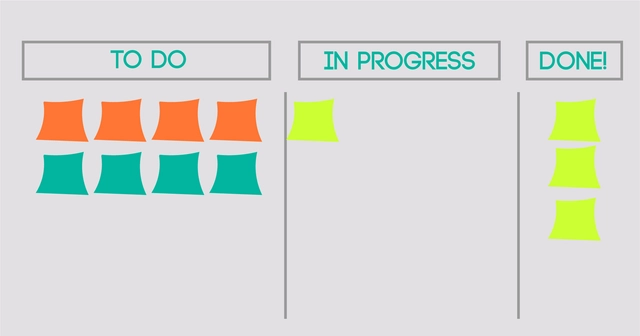
If you're reading this, you likely work in the design world, and as a result you may have heard of Scrum. It’s a design method originally introduced by Hirotaka Takeuchi and Ikujiro Nonaka in the 1980s to describe a process for product development, and later formalized for software development by Jeff Sutherland in 1995. It relies on the organization of a team and its tasks around the principles of focus and flexibility: focus on a singular task within a given time period, and flexibility in response to changing client demand, user feedback, and design challenges. Scrum keeps a project on schedule with the Sprint, where the entire team is working towards one important milestone within set dates, and continuously communicating potential impediments to hitting the deadline.
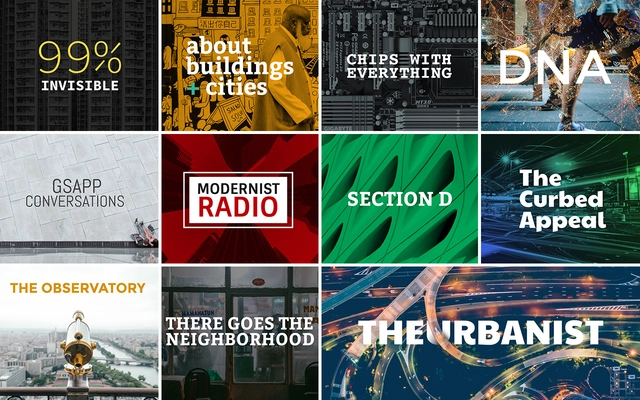
It can sometimes feel as if the world is divided into two camps: those who do not listen to podcasts (probably because they don’t know what a podcast is) and those who listen to podcasts, love podcasts, and keep badgering their friends for recommendations so they can start listening to even more.
Unlike other media, it’s notoriously difficult to discover and share podcasts – even more so if you’re looking for a podcast on a niche subject like architecture, design or urbanism. To help you in your hour of need, Metropolis’Vanessa Quirk (author of Guide to Podcasting) and ArchDaily’sJames Taylor-Foster(whose silvery tones you may have heard on various architecture and design audio stories) have come together to compile this list of eleven podcasts you should subscribe to.


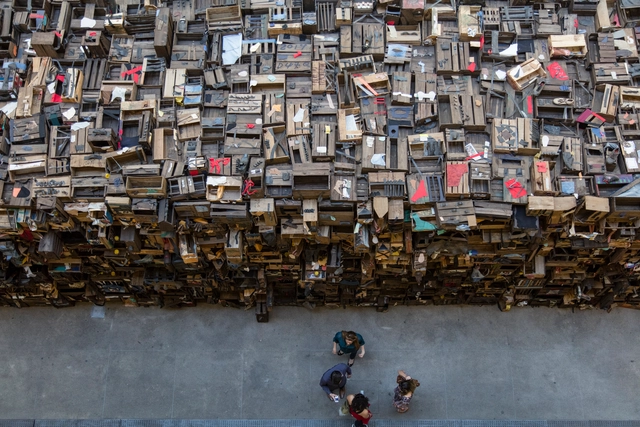




.jpg?1565290135 "Modern Sampran Wangprom Office / Apostrophy's. Image © Sitthisak Namkham")